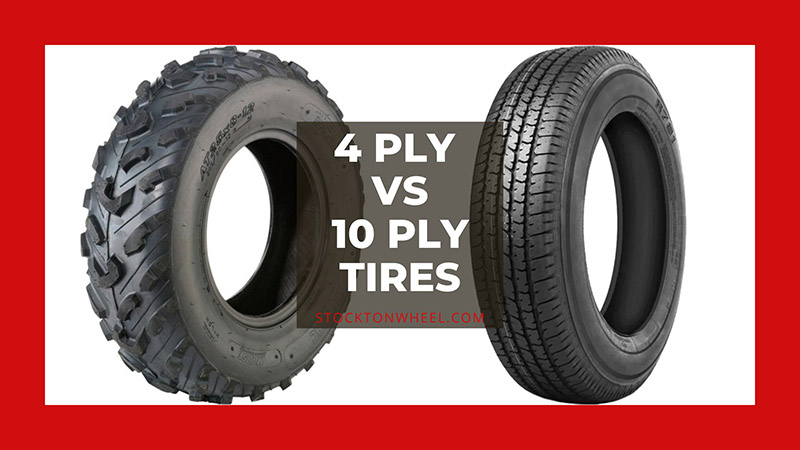
When it comes to choosing the right tires, you might have come across terms like 4 ply and 10 ply tires and wondered what the difference really means for you. Picking the wrong tire could cost you in safety, performance, and money.
But what exactly sets 4 ply tires apart from 10 ply tires? And which one fits your needs best? Keep reading, because understanding these differences can help you make smarter decisions for your vehicle and keep you safe on the road.
Credit: startupkitchen.community
Basics Of Ply Ratings
The basics of ply ratings help us understand tire strength. Ply ratings show how many layers of material support the tire. These layers add to tire durability and load capacity. Knowing ply ratings helps choose the right tire for your needs.
What Ply Rating Means
Ply rating tells how many layers make up the tire’s body. A higher ply rating means more layers. More layers mean the tire can carry heavier loads. It also offers better resistance to punctures and wear. For example, a 4 ply tire has fewer layers than a 10 ply tire. This difference affects tire strength and use.
Materials Used In Ply Construction
Tire plies use strong materials like polyester, nylon, or steel. These materials create a tough, flexible structure. The layers are placed at angles to add strength. Steel plies offer more durability than fabric ones. The choice of material changes the tire’s performance and lifespan.
Credit: www.f150ecoboost.net
Strength Comparison
Comparing the strength of 4 ply tires and 10 ply tires helps buyers choose the right tire. Ply rating shows how many layers of material support the tire. More plies often mean stronger tires. Strength affects tire durability and safety.
Load Capacity Differences
10 ply tires carry heavier loads than 4 ply tires. They have more layers, so they hold weight better. This makes 10 ply tires ideal for trucks and trailers. 4 ply tires suit lighter vehicles and everyday use. Choose tires with the right load capacity to avoid damage.
Resistance To Punctures And Tears
10 ply tires resist punctures and tears better than 4 ply tires. Extra layers protect the tire from sharp objects. Roads with rough surfaces demand stronger tires. 4 ply tires may wear faster on tough terrain. For rough roads, 10 ply tires provide more safety and longer life.
Durability Factors
Durability plays a key role in choosing the right tire ply. It affects how long tires last and how well they handle rough use. Understanding durability factors helps in picking tires that suit your needs and budget.
Wear And Tear Over Time
Wear and tear depend on the tire’s ply rating. Four ply tires have fewer layers, making them lighter but less tough. Ten ply tires have more layers, offering stronger resistance to damage.
Over time, 10 ply tires usually last longer under heavy use. Four ply tires wear out faster, especially on rough surfaces. This makes 10 ply tires better for frequent or heavy driving.
Impact Of Road Conditions
Road conditions greatly affect tire durability. Smooth roads cause less damage to all tires. Rough or uneven roads put more stress on the tire layers.
Ten ply tires handle rough roads better due to their thicker build. Four ply tires may suffer more cuts and punctures on tough terrain. Choosing the right ply depends on the roads you drive most.
Performance And Comfort
Performance and comfort are key factors in choosing between 4 ply and 10 ply tires. These tires differ in strength and flexibility, affecting how your vehicle drives. Understanding these differences helps you pick the right tire for your needs. Below, we explore how they impact handling, ride quality, and fuel efficiency.
Handling And Ride Quality
4 ply tires are lighter and more flexible. They offer a smoother ride and better grip on smooth roads. These tires absorb bumps well, making the drive more comfortable.
10 ply tires are thicker and stronger. They handle rough roads and heavy loads better. However, they feel stiffer and can make the ride less smooth. These tires give more control on tough surfaces but may cause more vibration on highways.
Fuel Efficiency Considerations
4 ply tires are lighter, which helps save fuel. Less weight means the engine works easier, improving gas mileage. This makes 4 ply tires a good choice for daily driving and city trips.
10 ply tires add extra weight to your vehicle. This weight can reduce fuel efficiency. They use more energy to move, which may increase fuel costs. These tires suit trucks or vehicles that carry heavy loads often.
Cost And Value
Choosing between 4 ply tires and 10 ply tires often comes down to cost and value. Understanding the price differences and long-term benefits helps make a smart choice. Spending a bit more upfront can save money later.
Price Differences
4 ply tires usually cost less than 10 ply tires. They are lighter and designed for lighter vehicles. This makes them affordable for everyday use.
10 ply tires have a higher price because they are stronger. They handle heavier loads and rough roads better. The material and build quality add to the cost.
Long-term Investment
4 ply tires may wear out faster under heavy use. This means more frequent replacements and added cost over time.
10 ply tires last longer and offer better protection. They reduce the risk of tire damage and accidents. This leads to fewer repairs and replacements.
Spending more on 10 ply tires can save money in the long run. They provide better value for drivers with tough driving conditions.

Credit: navico.mk
Ideal Use Cases
Choosing the right tire ply rating affects safety and performance. Different ply tires suit different conditions and uses. Understanding ideal use cases helps pick the best tire for your needs.
Best Scenarios For 4 Ply Tires
4 ply tires are lighter and more flexible. They work well for small cars and light trucks. These tires are good on smooth roads and city streets. They offer a comfortable ride and save fuel. Choose 4 ply tires if you drive mainly on paved roads. They fit vehicles that carry light loads.
Best Scenarios For 10 Ply Tires
10 ply tires are stronger and more durable. They fit heavy trucks and off-road vehicles. These tires handle rough terrain and heavy loads well. Use 10 ply tires for construction sites or farms. They resist punctures and damage better. Choose 10 ply tires for tough work and long trips on uneven roads.
Frequently Asked Questions
What Is The Difference Between 4 Ply And 10 Ply Tires?
4 ply tires have four layers of fabric, while 10 ply tires have ten. More plies mean stronger tires that can handle heavier loads and rougher terrain.
Are 10 Ply Tires Better For Heavy Vehicles?
Yes, 10 ply tires are designed for heavy vehicles. They provide extra strength and durability for carrying heavy loads safely.
Can 4 Ply Tires Be Used For Off-road Driving?
4 ply tires can be used off-road but are less durable. They suit light vehicles and mild terrain better than 10 ply tires.
How Does Ply Rating Affect Tire Performance?
Higher ply ratings improve tire strength, load capacity, and durability. They enhance performance in tough conditions and reduce the risk of punctures.
Conclusion
Choosing between 4 ply and 10 ply tires depends on your needs. 4 ply tires suit light vehicles and smooth roads. 10 ply tires handle heavy loads and rough terrain better. They last longer but cost more. Think about how and where you drive most.
This helps pick the best tire for safety and savings. Tires affect your ride comfort and fuel use too. Choose wisely for a smoother, safer drive every time.