Choosing the right tires can make a big difference in your vehicle’s performance and safety. You might have come across terms like 8 ply and 10 ply tires and wondered which one suits your needs better.
Understanding the difference isn’t just about numbers—it’s about how those numbers affect durability, strength, and ride comfort. You’ll discover what sets 8 ply and 10 ply tires apart and how to decide which is the best fit for your driving style and conditions.
Keep reading to make sure you get the most value and safety from your next tire purchase.

Credit: www.discountedwheelwarehouse.com
Ply Rating Basics
Ply rating is an important factor in choosing the right tire. It tells you about the tire’s strength and load capacity. Understanding ply rating basics helps to decide between 8 ply and 10 ply tires. This knowledge ensures you pick the best tire for your needs.
What Ply Rating Means
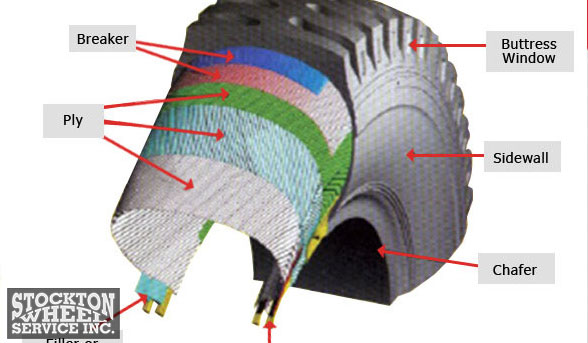
Ply rating shows the number of layers in a tire’s construction. Originally, it meant the number of cotton layers. Today, tires use stronger materials like nylon or polyester. Ply rating is now a measure of tire strength, not the exact layers.
An 8 ply tire is made to handle less weight than a 10 ply tire. The higher the ply rating, the stronger the tire’s sidewall and tread. Ply rating helps to match tires with the load and road conditions.
How Ply Rating Affects Tires
Ply rating affects tire durability and load-carrying ability. Tires with higher ply ratings resist punctures better. They also last longer under heavy loads. A 10 ply tire offers more protection on rough roads than an 8 ply tire.
Higher ply rating tires usually weigh more and can feel stiffer. This can affect ride comfort and fuel efficiency. Choosing the right ply rating balances strength with smooth driving. Consider your vehicle and driving needs for the best choice.
Credit: www.simbav.de
Construction Differences
The construction of tires affects their strength, durability, and performance. Ply rating shows how many layers of material are inside the tire. More layers usually mean a stronger tire. Understanding the differences helps in choosing the right tire for your needs.
Material Layers In 8 Ply Tires
8 ply tires contain eight layers of fabric or other materials. These layers give the tire moderate strength and flexibility. The materials often include nylon, polyester, or rayon. They provide good support for everyday driving. These tires work well on light trucks and small SUVs. They balance durability and comfort on the road.
Material Layers In 10 Ply Tires
10 ply tires have ten layers of fabric or materials inside. This extra layering makes the tire tougher and more durable. They handle heavier loads and rougher terrains better than 8 ply tires. The materials used are usually stronger and thicker. These tires are ideal for trucks carrying heavy loads. They offer improved resistance to punctures and wear.
Strength Comparison
Strength is a key factor when choosing between 8 ply and 10 ply tires. Ply rating shows how many layers of material are inside the tire. More plies usually mean more strength. This affects the tire’s ability to carry weight and last longer under tough conditions.
Load Capacity Differences
10 ply tires can carry heavier loads than 8 ply tires. The extra layers add strength to handle more weight. This makes 10 ply tires ideal for trucks and heavy vehicles. 8 ply tires work well for lighter vehicles or less demanding use. Choosing the right ply depends on how much weight your vehicle needs to support.
Durability Factors
More plies also improve durability. 10 ply tires resist punctures and wear better than 8 ply tires. The thicker construction protects the tire from damage on rough roads. 8 ply tires may wear out faster under heavy use. Durability matters for safety and saving money on replacements.
Performance Impact
The performance of tires affects how your vehicle drives and feels on the road. Choosing between 8 ply and 10 ply tires changes this experience. Ply rating tells how strong the tire is. This strength impacts handling, ride comfort, traction, and stability. Understanding these factors helps you pick the right tire for your needs.
Handling And Ride Comfort
8 ply tires are lighter and more flexible. This makes handling easier and the ride softer. They absorb bumps better on smooth roads. 10 ply tires are stiffer and heavier. This can make steering feel less smooth. The ride may feel harsher, especially on rough surfaces. Stiff tires offer better support but reduce comfort.
Traction And Stability
10 ply tires provide stronger sidewalls. This improves stability on heavy loads and rough terrain. They grip the road well in tough conditions. 8 ply tires have less sidewall strength. Traction can be lower under heavy weight or sharp turns. For light vehicles, 8 ply tires still offer good grip. 10 ply tires suit trucks and heavy-duty use better.
Fuel Efficiency Considerations
Fuel efficiency is important when choosing between 8 ply and 10 ply tires. Tires affect how much fuel a vehicle uses. Thicker tires can change rolling resistance. This affects fuel consumption directly.
Understanding how ply rating impacts fuel efficiency helps make a better choice. It also saves money on gas over time. Let’s explore these effects in detail.
Rolling Resistance And Ply Rating
Rolling resistance is the force that tires need to keep moving. Higher ply tires are usually stiffer. This stiffness can increase rolling resistance. More resistance means the engine works harder. The result is more fuel use.
8 ply tires often have less rolling resistance. They offer better fuel efficiency for lighter vehicles. 10 ply tires suit heavier loads but may reduce fuel economy.
Weight Impact On Fuel Efficiency
10 ply tires are heavier than 8 ply tires. Extra weight increases the load on the engine. The engine uses more fuel to move heavier tires. Lighter tires like 8 ply help reduce fuel use. Choosing lighter tires helps improve miles per gallon.
Durability Versus Fuel Savings
10 ply tires last longer under tough conditions. They resist punctures and damage better. This can save money on replacements. But their extra weight and resistance lower fuel efficiency. 8 ply tires save fuel but may wear faster. Balance fuel savings with tire durability for best value.
Cost And Value Analysis
Choosing between 8 ply and 10 ply tires affects your budget and overall value. Understanding the cost differences and long-term benefits helps make the right choice. This section breaks down price points and investment worth.
Price Differences
8 ply tires usually cost less than 10 ply tires. The extra layers in 10 ply tires add to production cost. Expect to pay more upfront for 10 ply tires. The price gap depends on brand and tire size. Cheaper 8 ply tires fit better for light use. 10 ply tires suit heavier loads and rough roads. Paying more means stronger tire build and durability.
Long-term Investment
10 ply tires often last longer than 8 ply tires. Their thicker design resists punctures and wear better. This reduces tire replacement frequency and repair costs. Long-term use of 10 ply tires can save money. 8 ply tires may wear out faster under heavy use. They work well for lighter vehicles and smooth roads. Consider road conditions and vehicle weight before buying.
Best Uses For Each Tire
Choosing the right tire ply count is key for safety and performance. 8 ply and 10 ply tires serve different needs. Each tire type fits certain vehicles and conditions best. Understanding these uses helps pick the right tire for your ride.
Ideal Conditions For 8 Ply Tires
8 ply tires work well on small trucks and SUVs. They handle lighter loads and smooth roads. These tires offer a softer ride and better fuel efficiency. Perfect for city driving and highways with less rough terrain. They perform well in dry or mildly wet weather. Not ideal for heavy loads or rough off-road use.
Ideal Conditions For 10 Ply Tires
10 ply tires suit heavy trucks and SUVs with larger loads. They provide extra strength and durability for tough jobs. Best for construction sites, farms, and rough roads. These tires resist punctures and wear in harsh conditions. Great for hauling heavy trailers and off-road driving. They may feel stiffer and use more fuel on smooth roads.

Credit: www.tirebuyer.com
Choosing The Right Tire
Choosing the right tire is important for safety and performance. Tires affect how your vehicle handles roads and weather. Picking between 8 ply and 10 ply tires depends on several key factors. Understanding these can help you select tires that match your needs perfectly.
Vehicle Type And Load Needs
Different vehicles need different tire strengths. Light trucks and small SUVs often do well with 8 ply tires. These tires offer good balance between weight and durability. Larger trucks or vehicles that carry heavy loads usually need 10 ply tires. These tires provide extra strength and support for heavy weight. Always check your vehicle’s load capacity before choosing tire ply.
Driving Habits And Terrain
Your usual driving conditions affect tire choice. For city roads and highways, 8 ply tires are usually enough. They offer smooth rides on paved surfaces. Off-road driving or rough terrain calls for tougher tires. 10 ply tires handle rocks, mud, and uneven ground better. They resist punctures and damage on harsh surfaces. Think about where you drive most often before deciding on tire ply.
Frequently Asked Questions
What Is The Main Difference Between 8 Ply And 10 Ply Tires?
The main difference lies in their strength and durability. 10 ply tires have more layers, offering higher load capacity and better puncture resistance than 8 ply tires.
Are 10 Ply Tires Better For Heavy Vehicles?
Yes, 10 ply tires are designed for heavy vehicles. They provide improved support and stability under heavier loads compared to 8 ply tires.
How Does Ply Rating Affect Tire Performance?
Ply rating indicates tire strength. Higher ply ratings mean stronger tires with enhanced durability, load capacity, and resistance to damage.
Can 8 Ply Tires Handle Rough Terrains Effectively?
8 ply tires perform well on moderate rough terrains but may wear faster than 10 ply tires under extreme conditions.
Conclusion
Choosing between 8 ply and 10 ply tires depends on your needs. 10 ply tires offer more strength and durability. 8 ply tires are lighter and may improve fuel efficiency. Think about the weight and terrain you will face. Tires with higher ply ratings handle rough roads better.
But lighter tires can help with smoother rides. Match the tire to your vehicle and driving style. This helps keep you safe and saves money. Pick wisely for the best tire performance.