Have you ever felt your car pulling to one side or noticed a strange wobble while driving? You might be dealing with a low tire or even a flat tire.
But do you know the difference? Understanding whether your tire is simply low on air or completely flat can save you time, money, and stress. You’ll discover how to spot the signs, what each condition means for your safety, and what steps you should take next.
Keep reading to make sure you’re never caught off guard on the road again.
Credit: www.hilltoptireservice.com
Low Tire Pressure
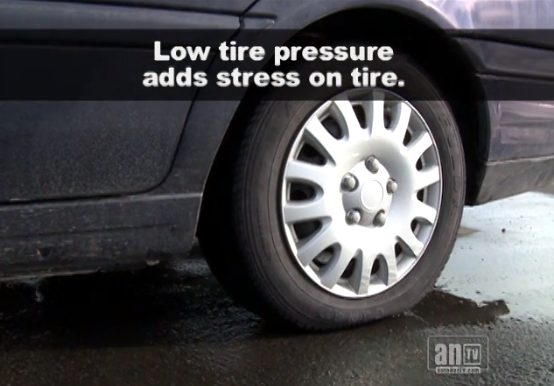
Low tire pressure happens when tires hold less air than recommended. This issue affects car safety and fuel efficiency. Driving with low tire pressure can cause uneven tire wear and poor vehicle handling. It is important to spot the problem early to avoid bigger issues.
Causes Of Low Tire Pressure
Tires lose air naturally over time through small pores. Cold weather makes air contract, lowering pressure. Punctures or damage to the tire allow air to escape. Faulty valve stems or rims can also cause leaks. Poor maintenance leads to unnoticed pressure drops.
Signs Of Low Tire Pressure
Noticeable signs include a soft or squishy tire feel. The car may pull to one side during driving. Steering might feel sluggish or less responsive. Tires look visibly flatter than usual. Warning lights on the dashboard can indicate low pressure.
Risks Of Driving On Low Tires
Low tire pressure increases the chance of tire blowouts. It reduces fuel economy, costing more money. Handling and braking distances become less reliable. Tires wear out faster, requiring early replacement. Safety for the driver and passengers is compromised.
How To Check Tire Pressure
Use a reliable tire pressure gauge for accurate readings. Remove the valve cap and press the gauge onto the valve. Read the pressure number and compare it to the recommended level. Check tires when they are cold for best results. Regular checks help maintain safe tire pressure.

Credit: www.reddit.com
Flat Tire Basics
A flat tire is a common car problem that can stop your trip suddenly. It means the tire has lost most or all of its air. This can make driving unsafe and damage the tire further. Knowing the basics of flat tires helps you act fast and stay safe.
Common Causes Of Flat Tires
Sharp objects like nails and glass often cause flats. Hitting potholes or curbs can damage the tire too. Worn-out tires are easier to puncture. Sometimes, valve stems leak air slowly. Extreme weather can also weaken tires over time.
Symptoms Of A Flat Tire
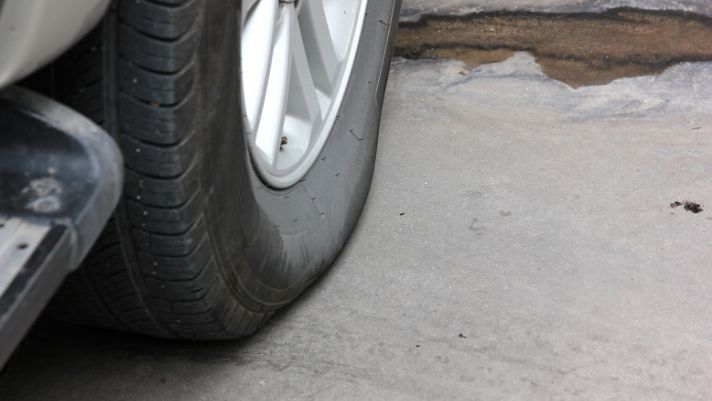
The car may pull to one side when driving. The steering might feel heavy or unsteady. You can hear a flapping or thumping sound. The tire looks visibly deflated or squished against the road. A warning light might appear on the dashboard.
Immediate Dangers Of A Flat
Driving on a flat tire damages the wheel and tire. It can cause loss of control and increase accident risk. A flat tire can lead to sudden stops or skids. It also lowers fuel efficiency and can harm your car’s suspension.
Visual Inspection Tips
Check the tire for any nails or sharp objects stuck in it. Look for cracks, cuts, or bubbles on the tire surface. Press the tire with your hand to feel for softness. Compare the tire’s shape with the others. Inspect the valve stem for leaks or damage.
Comparing Low And Flat Tires
Low tires and flat tires both affect your car’s safety and performance. Understanding their differences helps you react correctly. Each condition has unique signs and problems. Knowing these can save time and money on repairs.
Let’s compare low and flat tires in key areas. This will show how they impact your driving experience and vehicle care.
Pressure Levels Differences
A low tire has less air than recommended, but it still holds some pressure. A flat tire has almost no air left. It may look completely deflated or very soft to touch. Low pressure can happen slowly or suddenly. Flat tires usually result from a puncture or damage.
Impact On Vehicle Handling
Low tires cause poor handling and reduced fuel efficiency. Steering may feel loose or sluggish. Flat tires make driving unsafe. The car can pull to one side or feel unstable. Driving on a flat can damage the wheel and suspension quickly.
Repair Vs Replacement
Low tires often need just an air refill. If no damage exists, this fixes the problem. Flat tires need more attention. Some flats can be repaired if the hole is small and in the right spot. Large punctures or sidewall damage usually require tire replacement.
Cost Implications
Fixing low tires costs little or nothing beyond air. Flat tire repairs vary in price depending on damage. Replacing a flat tire is more expensive than fixing a low tire. Regular tire checks prevent costly repairs and improve safety.
Preventing Tire Issues
Preventing tire issues is key to safe driving and saving money. Small problems like low tire pressure can turn into flats if ignored. Regular care helps tires last longer and perform better. Simple habits can stop many common tire troubles before they start.
Regular Maintenance Practices
Check your tires every two weeks. Look for cracks, cuts, or uneven wear. Rotate tires every 5,000 to 7,000 miles. This helps tires wear evenly. Inspect the tread depth to ensure good grip. Replace tires if the tread is too low.
Proper Tire Inflation Techniques
Use a tire gauge to check pressure often. Inflate tires to the pressure recommended by your vehicle’s manual. Avoid overinflating or underinflating tires. Both can cause poor handling and faster wear. Check tire pressure when tires are cold for accuracy.
Choosing Quality Tires
Pick tires that fit your vehicle and driving style. Quality tires offer better grip and durability. Avoid cheap tires that wear out fast. Look for tires with good reviews and safety ratings. Investing in good tires improves safety and saves money long-term.
Using Tire Pressure Monitoring Systems
Tire Pressure Monitoring Systems (TPMS) alert you to low pressure. Many modern cars come with built-in TPMS. These systems help you fix problems early. You can also buy aftermarket TPMS for older cars. TPMS keeps your tires in optimal condition and improves safety.
What To Do When You Have A Tire Problem
Having a tire problem can feel stressful. Knowing what to do helps keep you safe and saves time. Different issues need different actions. Low tire pressure and a flat tire require distinct steps. Being prepared can make the process smooth and quick.
Steps For Low Tire Pressure
Check the tire pressure with a gauge. Compare it to the recommended level in your car manual. Add air using an air pump until it reaches the right pressure. Avoid overinflating the tire. Recheck the pressure after filling. Drive slowly to the nearest service station for a full inspection.
Steps For A Flat Tire
Stop the car in a safe place away from traffic. Turn on your hazard lights. Use a jack to lift the car. Remove the lug nuts with a wrench. Take off the flat tire carefully. Put the spare tire in place and tighten the lug nuts. Lower the car back to the ground. Tighten the lug nuts again to secure the tire.
When To Seek Professional Help
If you cannot fix the tire yourself, call a professional. Avoid driving on a flat or severely low tire. Strange noises or vibrations during driving also need expert checks. Tire damage from sharp objects or sidewall cuts requires expert repair or replacement. Professionals have tools and skills for safe fixes.
Emergency Kit Essentials
Keep an emergency kit in your car at all times. Include a tire pressure gauge, jack, lug wrench, and spare tire. Add gloves and a flashlight for better handling. A reflective warning triangle or road flares improve safety. A portable air compressor can help refill tires on the spot. These items make tire problems easier to manage.
Credit: rnrtires.com
Frequently Asked Questions
What Is The Difference Between A Low Tire And Flat Tire?
A low tire has reduced air pressure but still holds shape. A flat tire has little or no air, causing it to collapse. Driving on a low tire can damage it, while a flat tire is unsafe and usually immobile.
Can You Drive On A Low Tire Safely?
Yes, but only for a short distance and at low speed. Driving on a low tire for long risks rim damage and tire failure. Always check tire pressure and inflate it to the recommended PSI promptly.
How To Fix A Low Tire Versus A Flat Tire?
A low tire can be fixed by adding air using a pump. A flat tire often needs repair or replacement due to punctures. Some flats can be temporarily fixed with sealant, but professional repair is advised.
What Causes A Tire To Go Low Or Flat?
Tires go low due to slow leaks, temperature changes, or natural air loss. Flats usually result from sharp objects like nails or road debris. Regular tire inspection helps prevent unexpected low or flat tire situations.
Conclusion
A low tire and a flat tire both need attention fast. A low tire can cause poor driving and wear out your tires. A flat tire stops your car and needs repair or replacement. Regularly checking tire pressure helps avoid these issues.
Drive safely by keeping tires properly inflated. Knowing the difference keeps you prepared on the road. Stay alert and take care of your tires to prevent bigger problems.