Choosing the right tires can make a huge difference in your driving experience. When it comes to Hankook Tires vs Cooper Tires, you might wonder which brand offers better performance, durability, and value for your money.
You want tires that keep you safe on the road, handle well in all conditions, and last longer without breaking the bank. This comparison will help you understand the strengths and weaknesses of both brands, so you can make the best choice for your vehicle and driving needs.
Keep reading to discover which tires fit your lifestyle perfectly.
Brand History
Understanding the history of Hankook and Cooper tires helps us see their strengths. Both brands have deep roots and long traditions. Their stories show why they matter in the tire world.
Each brand started with a clear mission. They grew by focusing on quality and customer trust. Let’s explore where Hankook and Cooper began.
Hankook Origins
Hankook Tire was founded in South Korea in 1941. It began as a small company making simple tires. Over time, it grew into a global tire maker. Hankook focuses on innovation and modern technology. It serves cars, trucks, and even race vehicles. The brand became known for reliable tires that suit many needs.
Cooper Heritage
Cooper Tire started in the United States in 1914. It began as a rubber company before shifting to tires. Cooper built its reputation on durability and safety. It supplies tires for passenger cars and commercial use. The company values strong designs and long-lasting products. Cooper tires are trusted by many drivers worldwide.

Credit: www.discountedwheelwarehouse.com
Tire Performance
Tire performance is important for safe and smooth driving. It affects how your car grips the road, handles turns, and feels while driving. Comparing Hankook Tires and Cooper Tires helps understand which brand suits your needs better. Both brands offer quality, but their performance varies in key areas.
This section explores wet and dry traction, handling and stability, and ride comfort. These factors show how each tire performs in real driving conditions. Knowing this helps you choose the best tire for your vehicle and driving style.
Wet And Dry Traction
Hankook Tires provide strong traction on wet roads. Their tread design helps push water away quickly. This reduces slipping and improves safety during rain. Cooper Tires also perform well but focus more on dry road grip. They offer solid contact with the road for better control. Both brands handle dry conditions well, but Hankook has a slight edge in wet traction.
Handling And Stability
Cooper Tires excel in handling tight turns and sharp corners. They keep the car stable and responsive. Hankook Tires offer good stability too, with smooth steering feedback. Their tires balance comfort with control. Drivers who want precise handling may prefer Cooper. Those who want a mix of comfort and control might choose Hankook.
Ride Comfort
Hankook Tires focus more on providing a quiet and smooth ride. They absorb road bumps well. Cooper Tires deliver a firm ride with less cushioning. Some drivers like this for a sporty feel. Others may find Hankook more comfortable for daily driving. Both brands offer good comfort, but Hankook leads in softness and noise reduction.
Tread Design
Tread design plays a key role in tire performance. It affects grip, handling, and safety on roads. Different brands use unique patterns to meet various driving needs. Comparing Hankook and Cooper tread designs reveals how each tire tackles these challenges.
Hankook Tread Patterns
Hankook tires feature modern tread patterns for all seasons. Their designs focus on water evacuation to reduce hydroplaning. Wide grooves channel water away from the tire’s surface. This improves wet traction and driver control.
The tread blocks are arranged to provide quiet, smooth rides. Some Hankook models use asymmetric patterns. These enhance cornering stability and road grip. The patterns also improve tire wear, extending tire life.
Cooper Tread Features
Cooper tires use durable tread designs aimed at long-term use. Their patterns often include deep sipes for better traction on snow and ice. This helps drivers maintain control in winter conditions.
Cooper’s tread grooves are designed to clear mud and dirt. This is useful for off-road and all-terrain driving. The tread blocks have a rugged build to resist chipping and tearing. This makes Cooper tires reliable for tough environments.
Durability And Longevity
Durability and longevity are key factors when choosing tires. Tires need to last long and handle rough roads. Both Hankook and Cooper offer strong options that stand up to wear and tear. Understanding how each brand performs helps you pick the best tire for your needs.
Wear Resistance
Hankook tires use advanced rubber compounds that resist wear. This helps the tires keep their grip over time. Cooper tires focus on tough tread designs to fight wear. Their rubber mix also helps reduce damage from rough surfaces. Both brands offer reliable wear resistance for longer tire life.
Mileage Warranty
Hankook provides mileage warranties that show confidence in durability. Many Hankook tires come with warranties up to 60,000 miles. Cooper also offers strong mileage warranties, often matching or exceeding Hankook’s. These warranties give drivers peace of mind on the road.
Pricing And Value
Pricing and value play a big role when choosing between Hankook tires and Cooper tires. Both brands offer quality products, but their costs and benefits differ. Understanding these differences helps you make a smart choice for your vehicle and budget.
Cost Comparison
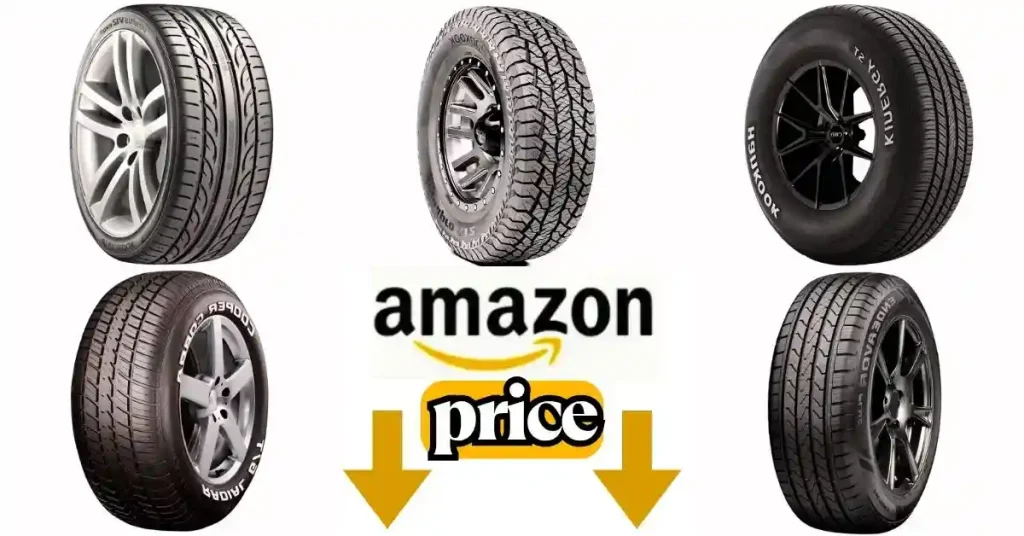
Hankook tires usually come at a mid-range price. They offer a good balance of quality and cost. Cooper tires tend to be slightly cheaper on average. You can find Cooper tires at lower prices in many sizes. Price varies by tire type and size for both brands. Sales and promotions can also affect the final cost. Comparing prices at local stores and online helps find the best deal.
Value For Money
Hankook tires are known for durability and performance. They often last longer, which adds value over time. Cooper tires focus on providing reliable quality at a lower price point. Their tires perform well for daily driving and light use. Both brands offer warranties that protect your purchase. Consider how long the tires will last and how they perform in your conditions. Value means more than just the initial price. It includes safety, comfort, and tire lifespan too.
Customer Feedback
Customer feedback offers real insights into Hankook Tires and Cooper Tires. It helps understand how these brands perform in daily use. Reviews from users highlight strengths and reveal common issues. This feedback guides buyers toward smart choices.
User Reviews
Many users praise Hankook Tires for their smooth ride and good grip. Drivers often mention quietness during long trips. Cooper Tires receive compliments for strong traction on wet roads. Many users say Cooper tires last long and handle well in snow. Both brands have loyal fans who value their quality and price.
Common Complaints
Some Hankook buyers report faster tread wear on rough roads. A few users feel the tires are noisy at high speeds. Cooper Tires sometimes face criticism for stiff ride quality. Some customers mention uneven wear after several months. Both brands have isolated issues but remain popular choices overall.
Specialty Tires
Specialty tires serve unique needs beyond everyday driving. They help vehicles perform well in specific weather and road conditions. Hankook and Cooper offer various specialty tires to suit different demands. This section compares their options for all-season, winter, and off-road tires.
All-season Options
Hankook provides all-season tires with good grip on wet and dry roads. Their tread designs focus on balance and comfort. Cooper’s all-season tires also deliver reliable traction and durability. They often emphasize longer tread life and fuel efficiency. Both brands offer solid choices for everyday driving in varied weather.
Winter And Off-road Models
Hankook’s winter tires feature advanced rubber compounds for cold weather. They offer strong traction on ice and snow. Cooper’s winter tires also perform well in harsh winter conditions. Their deep treads help with snow and slush grip. For off-road, Hankook builds tires with tough sidewalls and rugged tread. Cooper off-road tires focus on traction and durability on rough terrain. Both brands support safe driving off the pavement and in winter weather.
Credit: car-travels.com
Technology And Innovation
Technology and innovation shape the quality and performance of tires. Both Hankook and Cooper invest heavily in these areas. They focus on improving safety, durability, and driving comfort. Their research leads to better tire designs and materials.
Hankook Advances
Hankook uses smart technology to enhance tire performance. They develop special tread patterns for better grip on wet roads. Their tires often include silica compounds that improve fuel efficiency. Hankook also creates tires that reduce road noise. Their innovations target both passenger cars and high-performance vehicles. They use advanced computer simulations to test tire durability and safety.
Cooper Innovations
Cooper Tires focuses on durable materials and strong sidewalls. They design tires to handle rough roads and tough conditions. Cooper’s innovations include tread designs that improve traction in snow and rain. They also develop tires that last longer with even wear. Cooper uses eco-friendly materials to reduce environmental impact. Their testing includes real-world driving to ensure reliability and comfort.
Environmental Impact
The environmental impact of tires is important for eco-conscious drivers. Tires affect air quality, waste, and resource use. Choosing brands with strong green efforts helps reduce harm. Both Hankook and Cooper Tires work on lowering their environmental footprints. Their eco-friendly practices and recycling efforts highlight their commitment to nature.
Eco-friendly Practices
Hankook Tires uses advanced technology to lower emissions. Their factories focus on saving energy and water. They also use renewable energy sources. Cooper Tires aims to reduce carbon output during production. They improve tire designs for better fuel efficiency. Both brands develop materials that last longer and wear less.
Recycling Initiatives
Hankook runs tire recycling programs to cut waste. They turn old tires into new products like playground surfaces. Cooper Tires supports local recycling centers to manage used tires. They promote tire reuse to avoid landfill overflow. Both companies encourage customers to recycle tires safely and responsibly.

Credit: www.discountedwheelwarehouse.com
Frequently Asked Questions
Which Brand Offers Better Tire Durability, Hankook Or Cooper?
Hankook tires are known for their long-lasting tread life. Cooper tires also provide good durability but may wear faster on rough surfaces. Overall, Hankook generally offers slightly better tire longevity for most driving conditions.
How Do Hankook And Cooper Tires Compare In Price?
Cooper tires tend to be more budget-friendly, offering good value. Hankook tires are usually priced higher but provide advanced technology and performance benefits. Your choice depends on balancing cost with desired tire features.
Are Hankook Tires Better For Wet Weather Than Cooper Tires?
Hankook tires feature specialized tread patterns that excel in wet traction. Cooper tires perform adequately but may not match Hankook’s wet grip. For frequent rain conditions, Hankook is often the preferred option.
Which Brand Provides Better Customer Support And Warranty?
Both Hankook and Cooper offer competitive warranties, typically around 50,000 miles. Hankook’s customer service receives positive reviews for responsiveness. Cooper also has reliable support but varies by dealer location.
Conclusion
Hankook Tires and Cooper Tires both offer solid choices for drivers. Hankook focuses on performance and smooth rides. Cooper provides durability and good traction in tough conditions. Each brand suits different needs and budgets. Think about your driving style and road types.
Choose the tire that fits your daily use best. Both brands have good reputations and reliable products. Your safety and comfort matter most on the road. Take time to compare and decide what works for you.