When it comes to choosing the right tires, you want the best for your vehicle—and that means making a smart choice between top brands. Michelin and Yokohama are two names that often come up, but which one truly fits your needs?
You’re probably wondering which tires offer better grip, longer life, or a smoother ride. This guide will help you see the clear differences and decide which brand matches your driving style and budget. Keep reading to discover what makes Michelin and Yokohama stand out—and which one could be the perfect match for your car.
Credit: www.reddit.com
Brand Histories
Understanding the histories of Michelin and Yokohama helps us see why these brands stand out. Their journeys show their values and how they built trust over time. Both brands bring unique qualities shaped by their past experiences.
Here is a look at the origins of each brand. This gives a clear view of their background and growth in the tire industry.
Michelin Origins
Michelin started in 1889 in France, founded by the Michelin brothers. They invented the removable pneumatic tire. This innovation changed the way people traveled by car and bike.
Michelin grew fast by focusing on quality and safety. They introduced the radial tire in 1946, a major step for tire performance. Over time, Michelin became a leader in tire technology worldwide.
Yokohama Background
Yokohama Tire was founded in Japan in 1917. It began as a small company making tires for local vehicles. The company expanded by focusing on innovation and durability.
Yokohama became known for high-performance tires. They invested in research and motorsports to improve their products. Today, Yokohama is a respected global tire brand with a strong focus on quality.
Credit: www.youtube.com
Tire Technology
Tire technology shapes how tires perform on the road. It affects safety, comfort, and durability. Michelin and Yokohama both use advanced technology, but their approaches have unique traits. Understanding their tire technology helps choose the right tire for your needs.
Materials And Compounds
Michelin uses special rubber compounds to improve grip and wear. Their tires often include silica to enhance wet traction. Yokohama focuses on balanced compounds for both dry and wet conditions. They use eco-friendly materials to reduce environmental impact. Both brands aim for long-lasting performance with smart material choices.
Tread Patterns
Michelin designs tread patterns to provide strong traction and quiet rides. Their patterns often have wide grooves to channel water away. Yokohama uses unique tread designs to boost handling and reduce road noise. Their patterns focus on even wear and stability. Each brand’s tread pattern suits different driving styles and road types.
Innovative Features
Michelin includes features like EverGrip technology that keeps tires safe as they wear. Their tires also have special belts for better strength and durability. Yokohama offers features like advanced sidewall designs for better cornering. They use noise reduction technology to improve ride comfort. These innovations enhance safety and driving experience.
Performance On Road
Performance on road is a key factor in choosing the right tires. Tires affect how your car handles in different weather and road conditions. Both Michelin and Yokohama offer quality tires, but their performance varies. Understanding these differences helps you pick the best option for your driving needs.
Dry Conditions
Michelin tires provide strong grip on dry roads. Their tread design offers stability and smooth handling. This helps with quick turns and sharp stops. Yokohama tires also perform well on dry surfaces. They offer good traction and control for everyday driving. Yet, Michelin often leads in consistent dry road performance.
Wet Conditions
Michelin tires excel in wet weather. Their advanced tread patterns channel water away quickly. This reduces the risk of hydroplaning. Yokohama tires also handle wet roads well. They provide reliable traction and braking on rain-soaked surfaces. Both brands keep you safe, but Michelin has a slight edge in wet grip.
Snow And Ice
Yokohama tires are known for their winter tire options. They use special compounds that stay flexible in cold weather. This improves grip on snow and ice. Michelin offers winter tires too, but Yokohama’s winter models often perform better in severe conditions. Choosing the right tire depends on your winter driving needs.
Durability And Wear
Durability and wear are key factors for choosing tires. They affect safety, cost, and performance. Tires that last longer save money and reduce hassle. Both Michelin and Yokohama offer durable tires, but they differ in how they handle wear and damage.
Tread Life
Michelin tires often have a longer tread life. Their rubber compounds resist wear well. This means they keep good traction for many miles. Yokohama tires also offer decent tread life. They focus on balanced performance and durability. Still, Michelin generally outlasts Yokohama in long-term use.
Resistance To Damage
Yokohama tires tend to resist cuts and punctures better. Their tread design helps protect against sharp objects. Michelin tires have strong sidewalls that reduce damage from impacts. Both brands use advanced technology to improve toughness. Yokohama may be better in rough road conditions. Michelin performs well on smooth, paved surfaces.
Comfort And Noise
Comfort and noise are key factors when choosing tires. They affect your driving joy and long trips. Tires that offer smooth rides and low noise make every journey better. Both Michelin and Yokohama focus on these qualities but in different ways.
Ride Smoothness
Michelin tires often provide a very smooth ride. Their design absorbs bumps well on rough roads. This reduces vibrations felt inside the car. Yokohama tires also offer good smoothness. They balance comfort with firm handling. Still, Michelin tends to be softer and more cushioned.
Noise Levels
Michelin tires are known for low noise levels. They use special tread patterns to cut road noise. This creates a quieter cabin experience. Yokohama tires produce slightly more noise. Their tread design focuses more on grip than silence. Yet, they remain comfortable for daily driving.

Credit: www.blackcircles.com
Pricing And Value
Choosing tires is not just about performance. Pricing and value matter a lot. Tires need to fit your budget and last long. This section compares Michelin and Yokohama tires on these points. Understanding cost and warranty helps you pick the best option.
Cost Comparison
Michelin tires usually cost more upfront. They target drivers who want premium quality. Prices vary by tire type and size. Yokohama tires tend to be cheaper. They offer good quality at a lower price. Both brands provide options for different budgets. Check local prices for accurate comparisons.
Warranty And Support
Michelin offers strong warranties on most tires. This includes tread life and road hazard coverage. Their customer service is well-rated and easy to reach. Yokohama also provides solid warranties. They cover defects and tread wear. Support centers are available but may vary by location. Both brands aim to protect your investment.
User Reviews
User reviews offer real insights into Michelin and Yokohama tires. They show how these tires perform in daily use. Reading honest feedback helps you see their strengths and weaknesses.
Many users share their experiences about comfort, grip, and tire life. These details help decide which brand fits your needs better. Let’s explore what customers say about each brand.
Customer Satisfaction
Michelin users often praise the long tread life. They feel safe on wet and dry roads. Many report smooth rides and quiet tires. This boosts confidence during long trips.
Yokohama customers like the good traction on different surfaces. The tires handle well on curves and rough roads. Some find them more affordable with good quality. Many enjoy a balance of performance and price.
Common Complaints
Michelin users sometimes mention the higher price. Some feel the tires wear faster on rough roads. A few report noise at high speeds.
Yokohama buyers occasionally note shorter tread life. Some report less grip in heavy rain. A few users mention uneven wear after months.
Best Uses
Tires suit different driving needs. Choosing the right tire depends on your daily use. Michelin and Yokohama offer options for many types of drivers. Each brand has strengths in certain areas. Understanding their best uses helps you pick the right tire for your car.
Both brands make tires for regular driving, sports, and off-road. This section breaks down where each shines the most.
Everyday Driving
Michelin tires are known for comfort and durability. They provide a smooth ride on city streets and highways. Their tires often last longer and handle wet roads well. Yokohama also makes good daily tires. They focus on fuel efficiency and quiet driving. For daily commuting, either brand works well. Michelin may offer a slight edge in ride comfort.
Performance And Racing
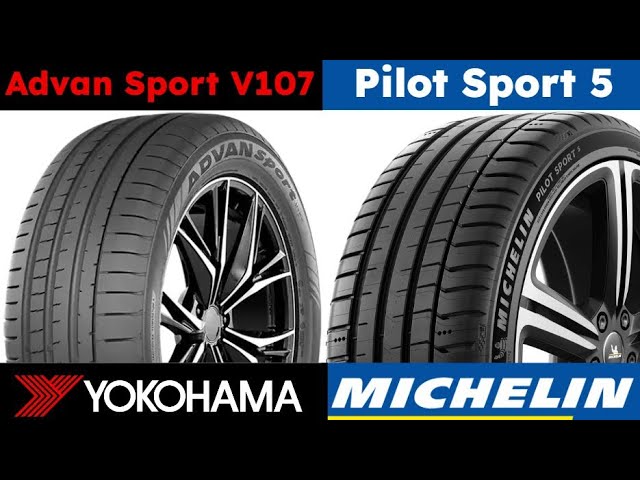
Yokohama has a strong reputation in performance tires. Their tires grip well on dry and wet tracks. They offer great control and quick response. Michelin also makes high-quality performance tires. They focus on stability at high speeds and cornering grip. Racing drivers often choose Yokohama for aggressive handling. Sports car owners may prefer Michelin for balanced performance.
Off-road And Specialty
Yokohama leads in off-road and all-terrain tires. Their designs handle mud, rocks, and rough trails. They provide good traction and toughness for adventure driving. Michelin offers specialty tires for light off-road use. Their focus is more on comfort and road grip. For serious off-road, Yokohama is often the better pick. Michelin suits drivers who need occasional off-road ability.
Frequently Asked Questions
Which Brand Offers Better Tire Durability, Michelin Or Yokohama?
Michelin tires generally offer superior durability due to advanced rubber compounds. Yokohama tires also provide good longevity but slightly less than Michelin. Both brands ensure quality, but Michelin leads in long-lasting tread life for most driving conditions.
Are Michelin Tires More Expensive Than Yokohama?
Yes, Michelin tires are typically more expensive than Yokohama. Michelin focuses on premium quality and innovative technology, which increases cost. Yokohama provides affordable options with good performance, making it a budget-friendly alternative without compromising safety.
How Do Michelin And Yokohama Tires Compare In Wet Conditions?
Michelin tires usually perform better in wet conditions, offering enhanced grip and shorter braking distances. Yokohama tires also provide decent wet traction but may not match Michelin’s advanced tread designs. Both brands prioritize safety, but Michelin has a slight edge.
Which Brand Offers A Wider Range Of Tire Options?
Michelin offers a broader range of tire options, including all-season, performance, and off-road tires. Yokohama also has a diverse lineup but focuses more on sport and touring tires. Choosing depends on your specific vehicle and driving needs.
Conclusion
Choosing between Michelin and Yokohama tires depends on your needs and budget. Both brands offer quality and safety on the road. Michelin often focuses on long-lasting performance and comfort. Yokohama provides good grip and value for money. Consider your driving style and road conditions carefully.
Check reviews and compare prices before buying. Your choice should match your vehicle and daily use. Tires keep you safe, so choose wisely. Drive confidently with the right set of tires.