Are you wondering whether 315 or 305 tires are the right choice for your vehicle? Choosing the perfect tire size can make a big difference in your ride’s performance, safety, and look.
But the numbers can be confusing, and picking the wrong size might leave you with poor handling or faster wear. You’ll discover the key differences between 315 and 305 tires, and how each one affects your driving experience. By the end, you’ll feel confident about making the best decision for your car and your needs.
Keep reading to find out which tire size fits you perfectly.
Credit: www.tacomaworld.com
Tire Size Basics
Tire size is an important part of choosing the right tire for your vehicle. It affects how the car handles, rides, and looks. Understanding tire size basics helps you pick the best option for your needs.
Different numbers and letters on a tire show its size and shape. These numbers tell you about the width, height, and diameter. Knowing what these mean makes comparing tires easier.
Decoding 315 And 305
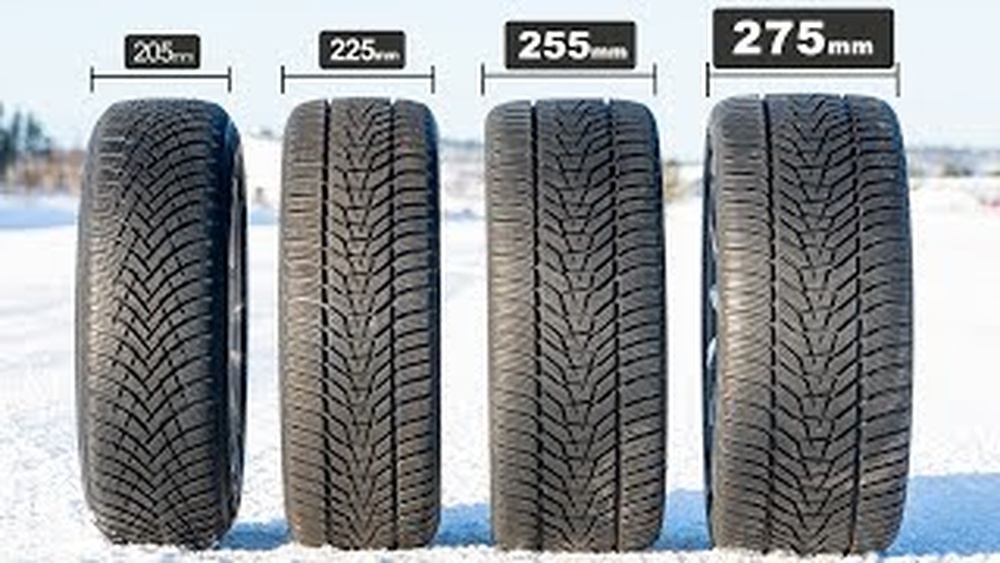
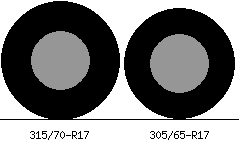
The numbers 315 and 305 refer to the tire’s width in millimeters. A 315 tire is 315 millimeters wide. A 305 tire is 305 millimeters wide. The wider the tire, the more contact it has with the road.
More contact means better grip and stability. But wider tires also use more fuel and may wear faster. The choice depends on your driving style and vehicle type.
Width And Diameter Differences
Width affects how the tire fits on your wheel. A 315 tire needs a wider wheel than a 305. The diameter is the height of the tire from the bottom to the top.
Tire diameter must match your vehicle’s requirements. A bigger diameter changes your speedometer reading and vehicle handling. Always check the recommended tire size for your car.
Credit: www.maseratilife.com
Performance Impact
The choice between 315 and 305 tires affects how your vehicle performs on the road. Tire size changes the way your car accelerates, handles turns, and stays stable. This section breaks down these key performance aspects.
Acceleration And Speed
Wider tires like 315 add more grip to the road. This can improve traction during acceleration. But they also increase rolling resistance. That means the engine works harder to move the vehicle.
305 tires are narrower and lighter. They allow the car to accelerate more quickly. They also help maintain higher speeds with less effort. The difference in speed might be small but noticeable for some drivers.
Handling And Stability
315 tires provide a larger contact patch with the road. This improves grip around corners. It helps the vehicle stay stable during sharp turns. They offer better control on wet or uneven surfaces.
305 tires offer good handling too, especially on smooth roads. They allow quicker steering response. The car feels more agile and easier to maneuver. Stability may be slightly less on rough terrain compared to 315 tires.
Grip And Traction
Grip and traction are key factors in choosing between 315 and 305 tires. They affect how well your vehicle holds the road and handles different surfaces. Strong grip improves safety and driving control. Traction helps maintain stability, especially in tough conditions. Both tire sizes offer unique benefits here.
Dry Surface Grip
On dry roads, 315 tires provide a wider contact patch. This means more rubber touches the ground. The result is better grip and sharper handling. 305 tires have a smaller footprint but still offer solid grip. They tend to be lighter, which can improve steering response. For pure dry performance, 315 tires often have an edge.
Wet And Off-road Traction
Wet roads need tires that channel water away quickly. 305 tires often perform well here due to their tread design. They can maintain traction by reducing hydroplaning risk. Off-road, 315 tires usually have deeper treads. This helps them grip loose surfaces like mud or sand better. Both sizes work, but 315 tires may handle rough terrain more confidently.
Fuel Efficiency Considerations
Choosing between 315 and 305 tires affects fuel use. Larger tires like 315 can cause more drag, reducing efficiency. Smaller 305 tires often help save fuel by lowering rolling resistance.
Choosing the right tire size affects fuel efficiency. Tires with different widths and weights can change how your vehicle uses fuel. It is important to understand how 315 and 305 tires impact this aspect.
Fuel efficiency means how far your car can travel on a gallon of fuel. Tires with higher rolling resistance use more fuel. Rolling resistance is the energy lost when the tire rolls on the road.
Rolling Resistance Differences
315 tires are wider than 305 tires. This extra width usually increases rolling resistance. More rolling resistance means the engine works harder, using more fuel. Therefore, 315 tires may lower fuel efficiency compared to 305 tires.
Weight Impact On Fuel Use
Heavier tires add weight to the vehicle. This extra weight causes the engine to consume more fuel. Generally, 315 tires weigh more than 305 tires. This weight difference can slightly reduce fuel economy with 315 tires.
Speed And Aerodynamics
Wider tires like 315 can affect the car’s aerodynamics. Poor aerodynamics increase fuel consumption. At high speeds, 315 tires create more air drag than 305 tires. This drag makes the engine work harder, lowering fuel efficiency.
Choosing Tires For Better Mileage
For better fuel efficiency, select tires with lower rolling resistance. 305 tires often provide a small fuel-saving advantage over 315 tires. Pay attention to tire design and materials too, as they affect fuel use.
Ride Comfort And Noise
Ride comfort and noise are key factors when choosing between 315 and 305 tires. These tires affect how smooth and quiet your drive feels. Many drivers want to know which size offers a better experience on the road.
Both tire sizes have unique features that impact comfort and noise levels. Understanding these differences helps make a better choice for your vehicle and driving style.
Impact Of Tire Width On Ride Comfort
Wider tires like the 315 often provide more grip on the road. This can improve handling but may result in a firmer ride. Narrower 305 tires usually offer a softer feel over bumps. They absorb shocks better, making the ride smoother on rough surfaces.
Noise Levels Between 315 And 305 Tires
Tire width influences road noise. The 315 tires create slightly more noise due to their larger contact with the pavement. The 305 tires tend to be quieter because they have less surface touching the road. Less noise means a more peaceful drive.
Sidewall Height And Its Effect
Sidewall height affects how tires handle road imperfections. Taller sidewalls on 305 tires help absorb vibrations. This reduces noise and improves comfort. The 315 tires often have shorter sidewalls, which can transmit more road harshness into the cabin.
Wear And Durability
Wear and durability are key factors when choosing between 315 and 305 tires. These qualities affect how long tires last and how well they perform over time. Understanding wear patterns and durability helps make a better choice for your vehicle.
Wear Patterns Of 315 And 305 Tires
315 tires usually have a wider contact area on the road. This can cause more even wear across the tire surface. On the other hand, 305 tires have a smaller footprint. This sometimes leads to faster wear on the edges.
Both tires show different wear depending on driving style and road conditions. The 315 size may resist uneven wear better on rough roads. The 305 size can wear faster if used on heavy or rough terrain.
Durability Differences Between 315 And 305 Tires
Durability depends on tire design and rubber quality. Tires with thicker sidewalls last longer against impacts. The 315 tires often have stronger sidewalls due to their larger size.
305 tires are lighter and may wear out quicker under heavy loads. The 315 tires handle stress better and resist damage from potholes. This makes 315 tires a good option for tough driving conditions.
Factors Affecting Tire Longevity
Proper tire maintenance extends lifespan. Regular rotation and correct air pressure reduce uneven wear. Both 315 and 305 tires benefit from good care.
Road quality plays a big role. Smooth roads cause less wear. Rough roads reduce tire life faster. Driving habits also matter. Hard braking and fast cornering wear tires more quickly.
Cost And Availability
Cost and availability are important factors when choosing between 315 and 305 tires. These tires differ in price and how easy they are to find. Understanding these differences helps you decide which tire fits your budget and needs.
Price Differences Between 315 And 305 Tires
315 tires usually cost more than 305 tires. The wider size uses more rubber, which raises the price. Also, 315 tires often belong to premium or specialized brands. 305 tires tend to be more affordable and common.
Availability In Local And Online Stores
305 tires are easier to find in many tire shops. They have been popular for a longer time. 315 tires can be less common, especially in smaller stores. Online stores offer both sizes, but 305 tires often have more options.
Impact Of Tire Size On Replacement Frequency
Larger tires like the 315 may wear faster in some conditions. This can increase replacement costs over time. The 305 tires usually last longer under normal use. Choosing the right size affects how often you buy new tires.
Choosing The Right Tire
Choosing the right tire is key to safe and smooth driving. Tires affect how your vehicle handles roads and weather. Picking between 315 and 305 tires depends on several factors. These include the type of vehicle and how you drive. Understanding these points will help you make the best choice.
Vehicle Compatibility
Not all tires fit every vehicle. Check your vehicle’s manual for tire size recommendations. A 315 tire is wider than a 305 tire. Wider tires provide more grip but may not fit smaller vehicles. Use the right tire size to avoid damage and maintain safety. The wrong size can cause poor handling and uneven wear. Make sure the tire suits your vehicle’s weight and rim size.
Driving Style Preferences
Your driving style affects tire choice. If you drive fast or take sharp turns, wider tires like 315 offer better stability. For daily commuting or light driving, 305 tires might be enough. Wider tires may reduce fuel efficiency slightly. Narrower tires can give better mileage and a smoother ride. Think about where you drive most: city streets, highways, or off-road. Choose tires that match your driving habits for comfort and control.

Credit: www.youtube.com
Frequently Asked Questions
What Is The Main Difference Between 315 And 305 Tires?
The main difference is the tire width. A 315 tire is 315 millimeters wide, while a 305 tire is 305 millimeters wide. This affects traction, handling, and the tire’s fit on the vehicle.
Which Tire Offers Better Grip, 315 Or 305?
Generally, 315 tires offer better grip due to their wider surface area. The increased width improves traction, especially in off-road or high-performance driving conditions.
Are 315 Tires Compatible With All Vehicles?
No, 315 tires are not compatible with all vehicles. They require wider rims and enough wheel well space, so check your vehicle’s specifications before upgrading.
Do 315 Tires Affect Fuel Efficiency Compared To 305?
Yes, 315 tires can reduce fuel efficiency slightly. Their larger width increases rolling resistance, causing the engine to work harder and consume more fuel.
Conclusion
Choosing between 315 and 305 tires depends on your needs. A 315 tire offers more surface area for better grip. A 305 tire is lighter and can improve fuel economy. Consider your vehicle type and driving style. Think about road conditions and weather too.
Each tire size has its own strengths. Pick what fits your car and driving best. Proper tires help keep you safe on the road. Take time to decide wisely. Your choice affects comfort and control.