Choosing the right tires for your vehicle can make all the difference in your driving experience. Whether you spend most of your time on smooth highways or love exploring rough trails, the type of tires you pick affects your safety, comfort, and performance.
You might be wondering: should you go for All Terrain tires or stick with Highway tires? This guide will help you understand the key differences and find the perfect fit for your needs. Keep reading to discover which tires will give you the best control, durability, and ride quality wherever you drive.
Credit: nmpublicschool.com
All Terrain Tires Features
All terrain tires offer unique features designed for versatile driving. They suit both off-road trails and paved roads. Their design balances toughness and comfort, making them popular among many drivers. These tires provide reliable traction and durability across different surfaces.
Tread Design And Patterns
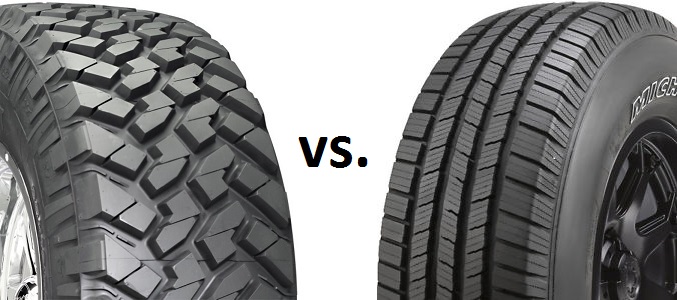
All terrain tires have deep and wide treads. This design helps grip dirt, mud, and gravel well. The patterns often include large blocks and open spaces. These allow the tire to shed mud and stones quickly. It improves traction on slippery and uneven surfaces. The tread also reduces road noise for a smoother ride.
Durability And Construction
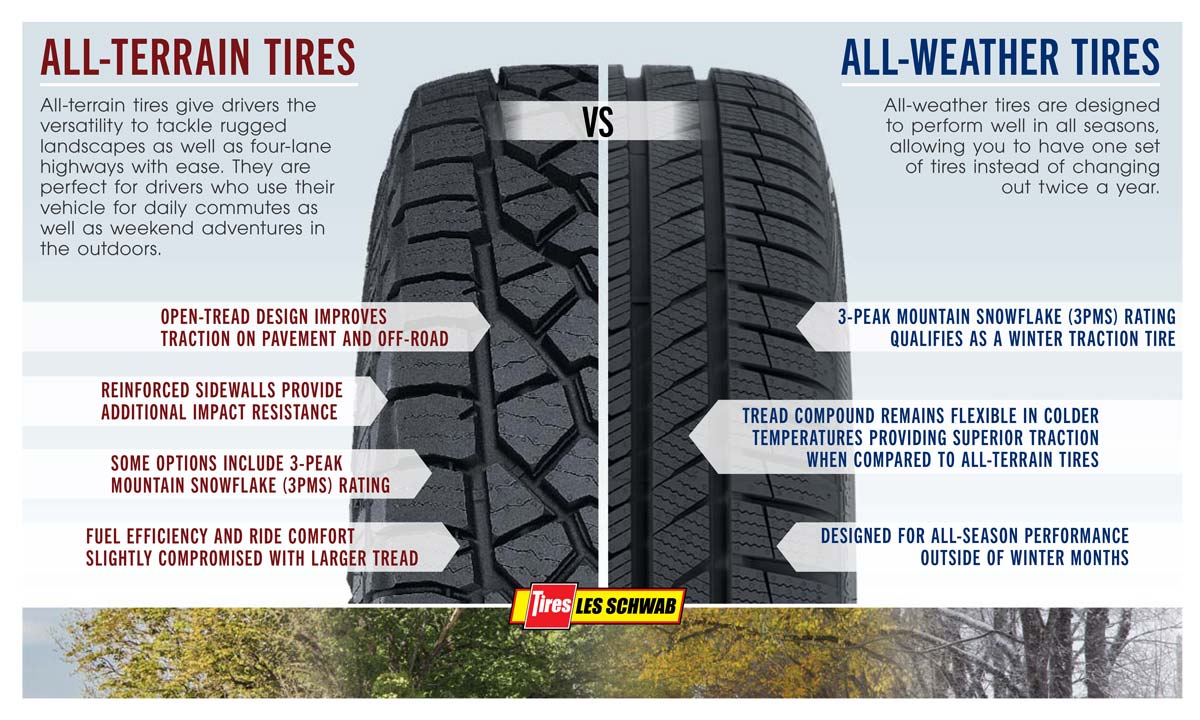
These tires use strong rubber compounds for long life. They have reinforced sidewalls to resist cuts and punctures. The construction supports heavy loads and rough conditions. This makes them tough against rocks and debris. Drivers can trust them to handle challenging terrains without damage.
Performance On Various Surfaces
All terrain tires perform well on many surfaces. They handle dirt roads, gravel paths, and light mud easily. On highways, they provide good stability and control. They maintain grip in wet and dry conditions. This versatility makes them ideal for mixed driving needs.

Credit: www.discountedwheelwarehouse.com
Highway Tires Features
Highway tires are made for driving on paved roads. They focus on smooth rides and efficient driving. These tires have special features that make road travel safer and more comfortable. Understanding these features helps you choose the right tires for daily driving.
Smooth Tread For Road Use
Highway tires have a smooth tread pattern. This design helps them grip the road well. It also reduces rolling resistance, which improves tire life. The tread blocks are closer together, which keeps the tire stable at high speeds. This smooth pattern works best on highways and city roads.
Fuel Efficiency Benefits
Highway tires help save fuel. Their design lowers the energy needed to roll on the road. Less energy means your car uses less fuel. This saves money over time. These tires also reduce carbon emissions by improving fuel use.
Comfort And Noise Levels
These tires offer a quiet ride. The smooth tread reduces road noise. They also absorb bumps better, making your drive more comfortable. You hear less road sound inside the car. This makes long trips less tiring for passengers.
Comparing Traction And Grip
Traction and grip play a big role in choosing the right tire. These features affect safety and driving comfort. Tires must hold the road well in different conditions. Let’s compare how all terrain and highway tires perform in these areas.
Off-road Capabilities
All terrain tires have deep treads for rough surfaces. They grip dirt, mud, and rocks better than highway tires. These tires prevent slipping on loose ground. Their design helps maintain control on uneven trails. Highway tires do not perform well off-road. Their shallow tread cannot handle soft or rocky paths.
Wet And Dry Road Performance
Highway tires excel on smooth roads. They provide strong grip on dry pavement. Their tread patterns help water escape quickly. This reduces the risk of hydroplaning in rain. All terrain tires offer decent grip on wet roads. But they are not as smooth or quiet as highway tires. Their aggressive tread can cause more road noise and less contact on dry asphalt.
Longevity And Maintenance
Longevity and maintenance are key factors when choosing between all terrain tires and highway tires. Both types have different lifespans and care needs. Understanding these differences helps you get the best value and safety from your tires.
Tire Wear Patterns
All terrain tires often wear faster on smooth roads. Their aggressive tread causes quicker tread loss on pavement. Highway tires have a smoother tread that lasts longer on highways. They wear evenly with less noise and vibration. Uneven wear can happen with both tires if alignment or pressure is wrong. Regular checks can prevent uneven tire damage.
Maintenance Tips
Check tire pressure monthly to keep tires healthy. Proper inflation reduces wear and improves fuel efficiency. Rotate tires every 5,000 to 7,000 miles to ensure even wear. Clean tires regularly to remove stones and debris from treads. Inspect tires for cuts or cracks that may cause problems. Replace tires if tread depth falls below 2/32 inch for safety.
Cost Considerations
Choosing between all terrain tires and highway tires involves thinking about cost. Tires affect your budget upfront and over time. Understanding cost differences helps you make a smart choice for your needs and wallet.
Initial Price Differences
All terrain tires usually cost more than highway tires. Their tough design and materials add to the price. Highway tires have a simpler build, so they are cheaper to buy. You pay more at the start for all terrain tires because they handle rough roads better.
Long-term Value
All terrain tires may last longer on rough surfaces. They resist cuts and wear better than highway tires. This can save money on replacements if you drive off-road often. Highway tires use less fuel on smooth roads, lowering your fuel costs. Choosing the right tire depends on how and where you drive most.
Choosing Tires Based On Driving Needs
Choosing the right tires depends on how and where you drive. Different tires suit different needs. Picking the best tire helps improve safety and performance. It also saves money by lasting longer and using less fuel. This guide breaks down tire choices based on common driving habits.
Daily Commuting
Highway tires work best for daily driving on smooth roads. They offer a quiet and comfortable ride. These tires use less fuel and wear evenly. Their tread design helps maintain good grip on wet roads. Perfect for city streets and highways.
Off-road Adventures
All terrain tires suit rough and uneven surfaces. Their deeper tread provides better traction on dirt and mud. They resist cuts and punctures from rocks and sticks. Good for drivers who explore trails and off-road paths. These tires handle gravel, sand, and snow well.
Mixed Driving Conditions
All terrain tires fit drivers facing varied road types. They balance on-road comfort with off-road toughness. Ideal for those who travel on highways and rough roads. They provide reliable grip in rain and light snow. A flexible choice for diverse driving needs.
Installation And Compatibility
Choosing between all terrain tires and highway tires involves more than just style. Installation and compatibility matter a lot. These factors ensure your vehicle runs safely and efficiently. Knowing how tires fit your vehicle and match seasonal needs helps make the right choice.
Vehicle Type And Size
Tires must fit your vehicle’s size and type perfectly. All terrain tires often suit trucks, SUVs, and larger vehicles. They have rugged designs for off-road use. Highway tires fit smaller vehicles and regular roads better. Always check the tire size listed in your vehicle’s manual. Incorrect size can cause poor handling and damage.
Seasonal Factors
Season affects tire performance and wear. All terrain tires handle rough weather and mixed surfaces well. They work in mud, snow, and gravel but can be noisy on smooth roads. Highway tires offer a quiet ride and good grip on dry, paved roads. They perform best in mild weather. Consider your local climate before choosing tires.
Credit: www.lesschwab.com
Frequently Asked Questions
What Are The Main Differences Between All Terrain And Highway Tires?
All terrain tires have aggressive tread for off-road traction. Highway tires offer smoother rides and better fuel efficiency on paved roads. Choosing depends on driving needs—off-road adventure or mostly highway travel.
Are All Terrain Tires Good For Everyday Highway Driving?
All terrain tires can handle highways but may produce more road noise. They wear faster on pavement than highway tires. For daily highway use, highway tires are more comfortable and fuel-efficient.
Which Tire Type Offers Better Traction On Rough Surfaces?
All terrain tires excel on rough, muddy, or uneven surfaces. Their deeper treads grip loose terrain effectively. Highway tires provide limited traction off-road and are best on smooth pavement.
Do Highway Tires Improve Fuel Efficiency Compared To All Terrain?
Yes, highway tires are designed with low rolling resistance. This boosts fuel economy on paved roads. All terrain tires have higher rolling resistance, reducing fuel efficiency, especially on highways.
Conclusion
Choosing between all terrain tires and highway tires depends on your driving needs. All terrain tires suit rough roads and off-road adventures. Highway tires work best on smooth, paved streets. Both have strengths that fit different conditions. Think about where you drive most often.
This will help you pick the right tires. Safe driving starts with the right tire choice. Keep your vehicle steady and comfortable on every trip. Tires matter more than you might think. Choose wisely and enjoy the ride.