When it comes to choosing the right tires for your heavy-duty machines, the decision isn’t always simple. You might wonder, should you go for industrial tires or agricultural (ag) tires?
The choice you make can impact how well your equipment performs, how long your tires last, and even your safety on the job. This guide will help you understand the key differences between industrial and ag tires, so you can pick the best fit for your needs.
Keep reading to discover what sets these tires apart and how to make the smart choice for your work.
Tire Design And Construction
Tire design and construction play a big role in how tires perform. Industrial and agricultural tires have different needs. Their design matches these specific uses. Understanding these differences helps choose the right tire.
Materials Used
Industrial tires use strong rubber blends. These make the tires tough and durable. They resist cuts and wear from hard surfaces. Agricultural tires use softer rubber compounds. This helps protect the soil and provide better grip. Both types include steel belts for strength.
Tread Patterns
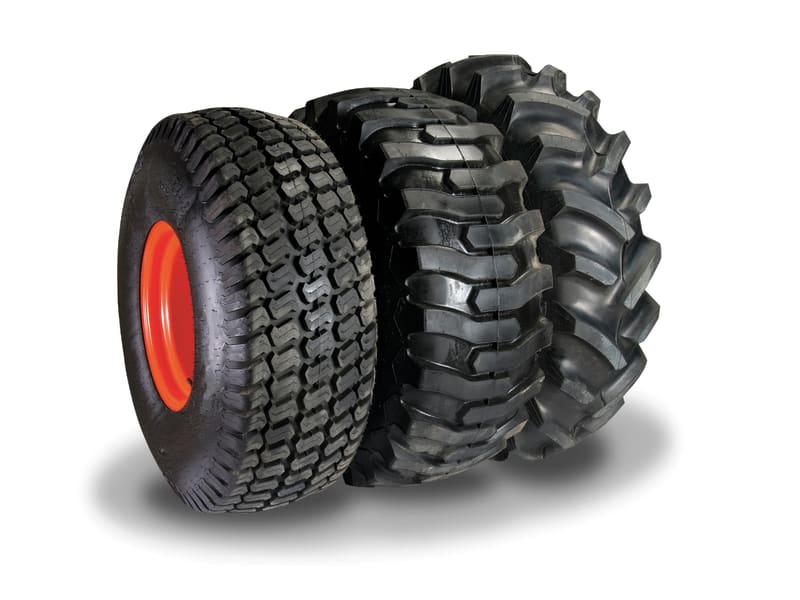
Industrial tire treads are usually blocky and close together. This design offers stability on concrete and asphalt. Agricultural tires have deep, wide lugs. These patterns dig into soft soil for better traction. The tread shapes also affect how the tires clean themselves.
Sidewall Strength
Industrial tires have thick, reinforced sidewalls. This protects against impacts and sharp objects. Agricultural tires have flexible sidewalls. This allows the tire to flex and reduce soil compaction. Sidewall strength depends on the tire’s main purpose and environment.
Credit: www.bobcat.com
Performance On Different Terrains
Choosing the right tire affects how machines work on different ground types. Tires must handle soil, mud, gravel, and pavement. Each tire type has unique features for specific terrains. Understanding these helps pick the best tire for the job.
Industrial Tire Terrain Adaptability
Industrial tires suit hard surfaces like concrete and asphalt. They have tough rubber to resist cuts and wear. These tires offer good grip on smooth and rough pavements. Their design supports heavy loads and constant use on factory floors or roads.
On gravel or loose ground, industrial tires perform steadily but not perfectly. They prevent slipping but may struggle in deep mud or soft soil. They work best on solid, flat terrains where stability matters most.
Agricultural Tire Terrain Handling
Agricultural tires excel on soft and uneven terrains like fields and farms. Their deep treads dig into soil for strong traction. This helps tractors and harvesters move through mud and dirt easily.
These tires reduce soil compaction, protecting crops and land health. They handle slopes and rough patches without losing grip. On hard surfaces, agricultural tires may wear faster and feel less smooth.
Load Capacity And Durability
Load capacity and durability are key factors in choosing the right tires. Industrial and agricultural tires serve different purposes but both need strength and toughness. Understanding how these tires handle weight and wear helps pick the best option for your needs.
Weight Support Capabilities
Industrial tires often carry heavy loads on hard surfaces. They must support large weights without bending or breaking. Agricultural tires hold weight too but focus more on uneven ground. Their design spreads weight to avoid sinking in soft soil. Both types balance strength with the terrain they face daily.
Wear Resistance
Durability depends on how well tires resist wear and tear. Industrial tires face rough conditions like concrete and sharp debris. Their rubber compounds and tread patterns reduce damage. Agricultural tires meet dirt, rocks, and mud that wear them down differently. Their thicker treads protect against cuts and punctures over time.
Longevity Factors
Long-lasting tires save money and downtime. Industrial tires last through repeated heavy lifting and tough surfaces. Proper inflation and regular checks improve their lifespan. Agricultural tires survive harsh weather and field obstacles. Their design and material choices extend their use in challenging conditions.

Credit: www.youtube.com
Speed And Maneuverability
Speed and maneuverability play a key role in choosing the right tires for industrial and agricultural machines. These factors affect how fast a machine can move and how well it can turn. The right tires improve work efficiency and safety on different terrains.
Speed Ratings
Industrial tires usually have lower speed ratings. They are built for heavy loads and steady movement. Ag tires often have higher speed ratings. They must move faster across fields during planting or harvesting. Speed ratings show the maximum safe speed for each tire type. Choosing the correct rating prevents tire damage and accidents.
Turning And Handling
Turning ability differs greatly between industrial and ag tires. Industrial tires have a stiffer design for better control on hard surfaces. This helps machines make tight turns in factories or construction sites. Ag tires feature deeper treads for grip in soft soil. Their design allows smooth turns in uneven fields. Good handling reduces machine wear and increases safety.
Cost And Maintenance
Cost and maintenance play a big role in choosing between industrial and agricultural tires. Each type has different price points and care needs. Knowing these details helps pick the right tire for your budget and work demands.
Initial Investment
Industrial tires usually cost more upfront. They are made for tough jobs and last longer on hard surfaces. Agricultural tires tend to be cheaper. Their design suits soft soil and fields, not rough terrain.
Upkeep Requirements
Industrial tires need regular pressure checks and cleaning. Dirt and debris can cause damage. Agricultural tires require more frequent inspection for cuts and wear. Fields often have sharp stones and sticks.
Repair Options
Fixing industrial tires is often easier. They have thicker sidewalls and strong materials. Agricultural tires can be repaired but may need special patches. Damage from farming tools can be tricky to fix.
Common Applications
Tires serve different roles depending on where they are used. Understanding their common applications helps choose the right tire. Industrial and agricultural tires each fit specific tasks. Their design matches the conditions and needs of their environments. This section breaks down where each type works best.
Industrial Tire Uses
Industrial tires are built for hard surfaces and heavy loads. They are common on forklifts, loaders, and cranes. These tires support steady, strong movements in factories and warehouses. They resist cuts and punctures from rough debris. Industrial tires also appear on construction vehicles. Their tough build helps machines work on concrete and asphalt. They offer stability and durability for daily heavy use.
Agricultural Tire Uses
Agricultural tires focus on soft, uneven ground. They are found on tractors, harvesters, and sprayers. Their deep treads provide grip in mud and loose soil. These tires help machines move smoothly over fields. They reduce soil damage by spreading the weight evenly. Agricultural tires also handle wet and hilly terrain well. Their design keeps farming equipment running efficiently in nature.

Credit: locandapesciolino.it
Frequently Asked Questions
What Are The Main Differences Between Industrial And Ag Tires?
Industrial tires are designed for heavy machinery on hard surfaces. Ag tires are made for farming equipment and soft soil conditions. The tread patterns and rubber compounds differ to suit their specific environments and tasks.
Which Tire Type Is Better For Rough Terrain?
Ag tires are better for rough, uneven soil and fields. Their deep treads provide traction and minimize soil compaction. Industrial tires are optimized for paved or hard surfaces, not soft or muddy terrain.
Can Industrial Tires Be Used In Agriculture?
Industrial tires are generally not suitable for agriculture. They lack the deep tread and flexibility needed for soft soil. Using ag tires in farming improves traction, reduces soil damage, and enhances equipment performance.
How Do Tread Patterns Differ In Industrial Vs Ag Tires?
Industrial tires have smooth or shallow tread for stability on concrete. Ag tires feature deep, aggressive lugs for grip in dirt and mud. This design difference ensures optimal performance in their respective environments.
Conclusion
Choosing the right tire helps machines work better and last longer. Industrial tires suit hard surfaces and heavy loads. Ag tires fit soft soil and farm work well. Each type has a clear job to do. Knowing their differences saves time and money.
Pick the tire that matches your needs. Good tires keep your work safe and smooth. Simple choices make big differences on the job.