When it comes to choosing tires for your vehicle, you might have come across terms like 8 ply and 6 ply tires. But what do these numbers really mean for you and your ride?
Understanding the difference can save you money, improve your safety, and boost your vehicle’s performance. If you want to make the best choice for your needs, keep reading—because knowing the right tire ply rating could change how you drive every day.
Ply Rating Basics
Ply rating is an important factor when choosing tires. It shows how strong the tire is and how much weight it can carry. Tires with different ply ratings suit different vehicles and driving needs. Understanding ply rating basics helps you pick the right tire for safety and performance.
Let’s explore what ply rating means and how construction differs between 6 ply and 8 ply tires.
What Ply Rating Means
Ply rating originally showed the number of fabric layers in a tire. Each layer, or ply, added strength. Today, ply rating is more about strength than actual layers. It tells you how much load a tire can handle safely. Higher ply rating means stronger tire and higher load capacity. For example, an 8 ply tire carries more weight than a 6 ply tire.
Ply rating affects tire durability and resistance to damage. It is key for trucks and heavy vehicles. Choosing the right ply rating improves safety and tire life.
Construction Differences
6 ply and 8 ply tires differ in materials and build. The extra plies in an 8 ply tire add more layers of fabric or steel. This makes the tire thicker and tougher. The design helps the tire resist punctures and cuts better.
8 ply tires usually have stronger sidewalls. This reduces the risk of tire damage on rough roads. 6 ply tires are lighter and more flexible but less durable. The thicker construction of 8 ply tires also supports higher air pressure.
These construction differences impact how the tire performs under heavy loads. Knowing this helps you choose the best tire for your vehicle’s needs.

Credit: atvnotes.com
Durability Factors
Durability plays a key role in choosing between 8 ply and 6 ply tires. Tires must last long and resist wear for safety and savings. Ply rating affects how strong and tough a tire is. Understanding durability helps buyers pick the best tire for their needs.
Treadwear And Longevity
8 ply tires usually have thicker sidewalls and stronger tread layers. This helps them last longer on rough roads. The extra layers reduce treadwear by spreading pressure evenly. 6 ply tires wear faster, especially on heavy loads or harsh surfaces. Longevity depends on tire quality and driving style too. Still, 8 ply tires offer more durability for long use.
Resistance To Damage
8 ply tires resist cuts, punctures, and impacts better. The extra layers act as a shield against sharp objects. This lowers the risk of flats and blowouts. 6 ply tires are lighter but less tough against road hazards. On rocky or uneven terrain, 8 ply tires provide extra protection. This helps drivers avoid roadside troubles and repair costs.
Performance Comparison
Comparing the performance of 8 ply and 6 ply tires helps choose the right tire. Different ply ratings affect how tires behave on the road. This section breaks down key performance aspects.
Load Carrying Capacity
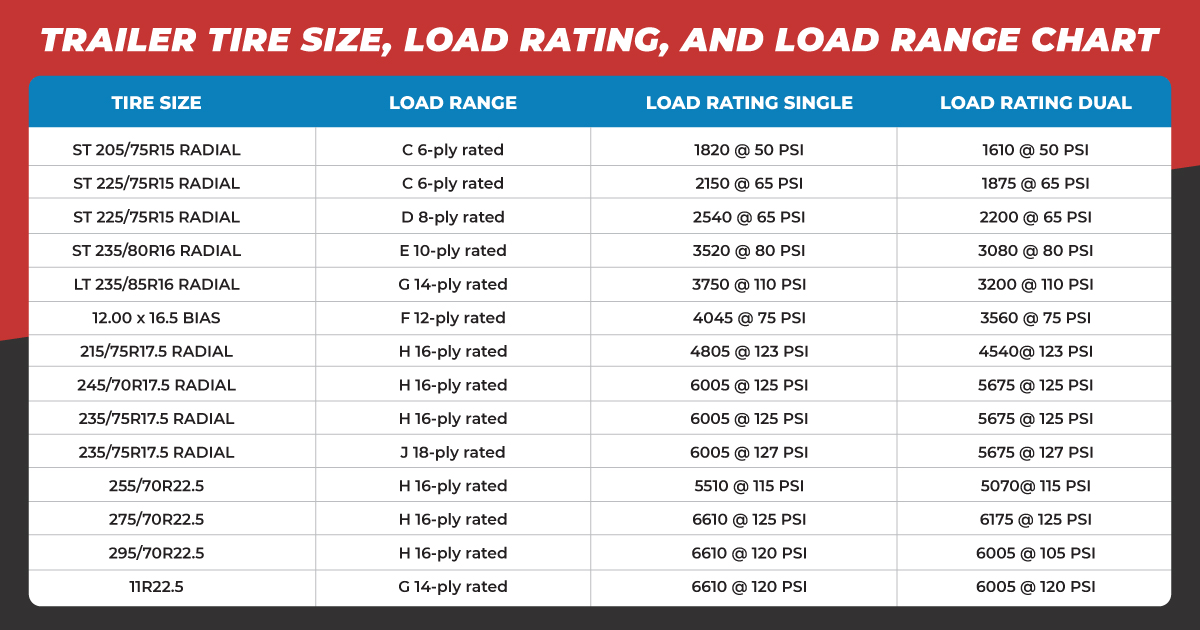
8 ply tires carry heavier loads than 6 ply tires. The extra layers add strength and durability. This makes 8 ply tires suitable for trucks and heavy vehicles. 6 ply tires work well for lighter vehicles. They handle normal daily driving loads comfortably.
Ride Comfort And Handling
6 ply tires usually offer a smoother ride than 8 ply tires. Fewer layers mean more flexibility in the tire walls. This flexibility improves comfort and road grip. 8 ply tires feel stiffer because of the extra layers. They provide better stability but may reduce ride softness. Handling depends on tire stiffness and road conditions.

Credit: www.reddit.com
Cost And Value
Choosing between 8 ply and 6 ply tires depends a lot on cost and value. Price matters, but value is about what you get for that price. Understanding both helps you decide which tire fits your needs and budget.
Price Differences
6 ply tires usually cost less than 8 ply tires. The fewer plies mean less material and lower manufacturing costs. This makes 6 ply tires more affordable at first purchase. 8 ply tires have more layers, so they are pricier. The higher cost reflects their tougher build and added strength.
Long-term Savings
8 ply tires last longer than 6 ply tires. Their extra layers offer better durability and resistance to wear. This means fewer tire replacements over time. Spending more upfront can save money later. 6 ply tires might wear out faster, leading to more frequent buying. Long-term, 8 ply tires can be more cost-effective despite the higher initial price.
Best Use Cases
Choosing between 8 ply and 6 ply tires depends on what you need them for. Both types serve different purposes and suit different driving styles. Understanding their best use cases helps you pick the right tire. This choice affects safety, performance, and tire life. Let’s explore where each tire type works best.
Heavy-duty Applications
8 ply tires are built for tough jobs. They handle heavy loads and rough roads well. Trucks, trailers, and construction vehicles use 8 ply tires often. These tires resist punctures and damage better. They provide extra strength and durability on hard terrains. Choose 8 ply tires for work that demands more tire toughness. They keep your vehicle steady and safe under pressure.
Everyday Driving
6 ply tires suit regular cars and light trucks. They offer a smooth ride on city streets and highways. These tires are lighter, which helps fuel efficiency. They provide good traction for normal weather conditions. 6 ply tires are cost-effective for daily use. Use them if you drive mostly on paved roads with moderate loads. They balance comfort and durability for daily trips.
Making The Right Choice
Choosing between 8 ply and 6 ply tires matters. The right tire can improve safety and performance. Each type fits different needs. Understanding your requirements helps make the best choice. Consider your vehicle type, road conditions, and load capacity. These factors guide you to the suitable tire ply rating.
Balancing durability, cost, and ride comfort is key. 8 ply tires offer more strength but may feel stiffer. 6 ply tires tend to be lighter and smoother. Knowing the difference ensures smarter buying decisions.
Assessing Your Needs
Think about how you use your vehicle daily. Carrying heavy loads means stronger tires are necessary. For light driving, 6 ply tires often work well. Consider road types: rough surfaces need tougher tires. Smooth roads allow for softer, more flexible tires. Weather also plays a role. Some tires handle heat or cold better. Match tire strength to your driving habits. This reduces wear and improves safety.
Consulting With Experts
Talk to tire specialists or mechanics for advice. They know how different tires perform in real conditions. Experts can recommend brands and models based on your needs. Sharing your driving style helps them suggest the best option. Expert advice can prevent costly mistakes. They also explain warranty and maintenance tips. Taking expert guidance leads to confident tire choices.
Credit: www.tires-easy.com
Frequently Asked Questions
What Are The Main Differences Between 8 Ply And 6 Ply Tires?
8 ply tires have more layers, offering higher strength and durability than 6 ply tires. This makes 8 ply tires better for heavy loads and rough terrains.
Which Tire Is Better For Heavy-duty Vehicles, 8 Ply Or 6 Ply?
8 ply tires are better for heavy-duty vehicles due to their increased load capacity and toughness. They provide enhanced stability and resistance to punctures.
How Does Ply Rating Affect Tire Performance And Safety?
Ply rating impacts tire strength, load capacity, and durability. Higher ply tires handle more weight and rough conditions, improving safety and performance.
Are 6 Ply Tires Suitable For Everyday Passenger Cars?
Yes, 6 ply tires suit most passenger cars. They balance durability and comfort, making them ideal for normal driving conditions and moderate loads.
Conclusion
Choosing between 8 ply and 6 ply tires depends on your needs. 8 ply tires offer extra strength and durability for heavy loads. 6 ply tires work well for lighter vehicles and everyday use. Think about where and how you drive most.
Stronger tires can handle rough roads better. Lighter tires often give a smoother ride. Both have benefits. Pick the one that fits your driving style and vehicle best. This simple choice helps keep you safe on the road.