When it comes to choosing the right tires for your bike, the options can feel overwhelming. You’ve probably heard about tubular and tubeless tires, but which one is truly better for your ride?
Your choice can impact everything from speed and comfort to safety and maintenance. Imagine riding smoother, faster, and with fewer worries about flats. Curious to know which tire type can make that happen for you? Keep reading, because understanding the key differences between tubular and tubeless tires could change the way you ride forever.

Credit: www.youtube.com
Tubular Tires Basics
Tubular tires are a unique type of bicycle tire. They have a different design than regular tires. Understanding their basics helps you see why some riders prefer them. These tires are known for their special construction and specific uses.
Many cyclists use tubular tires for racing and performance riding. Their design offers some clear benefits. Let’s explore how these tires are built and why they matter.
Construction And Design
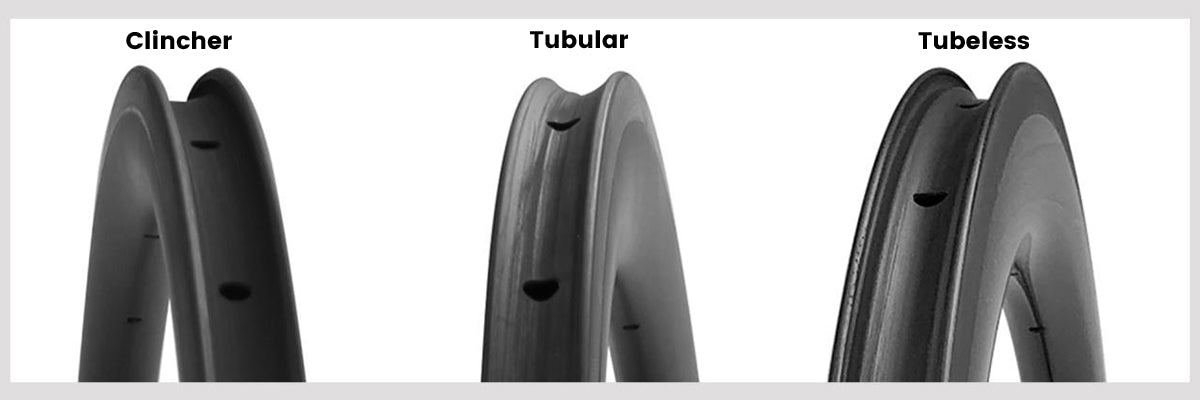
Tubular tires are sewn closed around an inner tube. The tire and tube form one unit. This unit is then glued onto a special rim. The rim has no sidewalls like regular rims. The shape is rounded to fit the tire perfectly. This design reduces weight and improves aerodynamics.
Common Uses
These tires are popular in road racing and track cycling. Riders use them for their light weight and low rolling resistance. Tubular tires perform well on smooth surfaces. They are less common in casual or mountain biking. Most professional racers choose tubular tires for fast rides.
Advantages
Tubular tires offer a smooth and comfortable ride. They handle high pressure without bursting easily. The glued fit prevents the tire from slipping on the rim. They are lighter than clincher tires, saving energy. In case of a puncture, tubular tires are easier to control at speed.
Tubeless Tires Basics
Tubeless tires are a popular choice in cycling and motorsports. They differ from traditional tires by not using an inner tube. This design affects how they perform and how riders maintain them.
Understanding the basics of tubeless tires helps you decide if they suit your needs. This section covers how they work, where they are used, and their main benefits.
How They Work
Tubeless tires create an airtight seal with the rim. They use a special rim and tire design to hold air without a tube. A liquid sealant inside the tire helps close small holes. This sealant stops air leaks quickly during rides.
The setup requires a compatible rim and tire. Proper installation ensures the tire stays secure and air-tight. Pressure is easier to manage with tubeless tires, allowing lower inflation for better grip.
Popular Applications
Tubeless tires are common in mountain biking and road cycling. Off-road riders prefer them for better puncture protection. Road cyclists use tubeless tires for smoother rides and fewer flats.
Some motorbike and car tires also use tubeless designs. They reduce weight and improve safety by preventing sudden air loss. Recreational and competitive riders value these tires for their performance.
Key Benefits
Tubeless tires offer fewer flats due to sealant and no tube pinch. They provide better traction by allowing lower tire pressure. The ride feels smoother and more comfortable on rough surfaces.
They reduce rolling resistance, which can improve speed and efficiency. Tubeless tires require less maintenance and fewer repairs over time. Overall, they enhance riding confidence and control.
Performance Comparison
The performance of tubular and tubeless tires varies in key areas. Understanding these differences helps cyclists choose the right tire for their needs. Here is a detailed look at how they compare in ride quality, rolling resistance, and puncture resistance.
Ride Quality
Tubular tires offer a smooth and comfortable ride. They can run at lower air pressures without the risk of pinch flats. This makes them ideal for rough roads and long rides. Tubeless tires also provide good comfort. They absorb shocks well due to their ability to run at low pressures. Both types improve ride quality, but tubulars often feel softer on rough terrain.
Rolling Resistance
Tubular tires generally have lower rolling resistance. Their design reduces energy loss during pedaling. This helps cyclists maintain speed with less effort. Tubeless tires have slightly higher rolling resistance but are closing the gap. Advances in sealant and tire design improve their efficiency. For riders seeking speed, tubular tires may still hold an edge.
Puncture Resistance
Tubeless tires excel in puncture resistance. Sealant inside the tire quickly seals small holes. This reduces the chance of a flat tire during rides. Tubular tires are less resistant to punctures. Repairs are often more complex and time-consuming. For off-road or rough conditions, tubeless tires offer better protection against flats.
Installation And Maintenance
Installation and maintenance play a big role in choosing between tubular and tubeless tires. They affect your riding experience and long-term costs. Knowing the differences helps you decide what fits your needs.
Mounting Process
Mounting tubular tires is tricky. The tire is glued onto a special rim. This takes time and practice. Mistakes can cause poor performance or tire failure.
Tubeless tires fit like regular tires but need a tight seal. You inflate them to seat the tire bead on the rim. This process is faster and cleaner than tubulars.
Repair And Upkeep
Repairing tubular tires means removing the tire and reglueing it if needed. Small punctures are hard to fix on the road. You often carry a spare tubular tire for quick changes.
Tubeless tires can self-seal small holes using sealant inside the tire. Larger punctures require a plug, which is easy to apply. Tubeless tires need occasional sealant top-up to stay effective.
Tools Required
For tubular tires, you need glue, brushes, and sometimes a clamp. These tools are for installation and fixing loose tires.
Tubeless tires need a pump with a strong burst of air and sealant injectors. A plug kit is useful for fixing bigger punctures on the go.
Cost And Availability
Cost and availability are key factors when choosing between tubular and tubeless tires. These elements affect your budget and how easily you can find replacements. Understanding the price differences, market options, and replacement frequency helps you make a smart decision.
Price Differences
Tubular tires usually cost more than tubeless tires. This is because tubular tires need special rims and glue. Tubeless tires work with many standard rims and do not need glue. The price gap can be significant, especially for high-end models. Budget riders often find tubeless tires more affordable upfront.
Market Options
Tubeless tires have a larger market variety. Many brands offer tubeless models for road and mountain bikes. Tubular tires are less common and mostly found in racing or professional shops. Finding tubular tires can be harder in local stores. Tubeless tires are easier to buy online and in bike shops worldwide.
Replacement Frequency
Tubular tires tend to last longer but cost more to replace. They are less prone to punctures and damage. Tubeless tires may need more frequent repairs or replacements. Punctures can often be fixed with sealant without removing the tire. Tubeless tires are cheaper to replace but might wear out faster depending on use.
Choosing Based On Riding Style
Choosing the right tire type depends on how and where you ride. Tubular and tubeless tires each offer unique benefits. Understanding your riding style helps pick the best option for performance and comfort.
Road Cycling
Road cyclists often prefer tubeless tires for smooth rides. These tires reduce the chance of flats during long trips. They offer better grip on wet roads and feel more comfortable. Tubular tires suit riders who want a lighter wheel. They also work well for people who race or train hard.
Mountain Biking
Mountain biking demands strong tires that handle rough trails. Tubeless tires are popular here due to fewer punctures. They allow lower air pressure, which improves traction on rocks and dirt. Tubular tires offer extra protection and durability. Some riders choose them for tough downhill tracks.
Competitive Racing
Racers often choose tubular tires for their light weight and speed. These tires attach firmly to the rim, lowering the risk of slips. Tubeless tires work well for racers who want fewer stops for repairs. They help maintain speed and control during long races.
Safety And Reliability
Safety and reliability are key when choosing between tubular and tubeless tires. Both types offer unique benefits that affect your riding experience. Understanding these differences helps you pick the best tire for your needs. This section looks at how each tire type handles flats, their durability, and how they perform in different weather conditions.
Handling Flat Tires
Tubular tires are glued onto the rim, so fixing a flat is tough on the road. You often need a new tire or a patch from the inside. Tubeless tires use sealant inside to automatically seal small punctures. This reduces the chance of a sudden flat. Repairing larger holes is easier with tubeless tires. You can plug the hole without removing the tire.
Durability Factors
Tubular tires are strong due to their construction and glue. They resist damage from rough roads and impacts. Tubeless tires rely on tire pressure and sealant quality. They can be more prone to cuts if pressure is too low. Regularly checking pressure and sealant keeps tubeless tires reliable. Both types need care to last long, but tubeless tires require more attention.
Weather Considerations
Tubular tires perform well in wet and dry conditions. The glued rim keeps the tire secure even in rain. Tubeless tires may lose air faster in cold weather. Sealant can also thicken or freeze in low temperatures. Warm weather helps tubeless sealant work better. Riders should choose tires based on local climate and riding style.

Credit: help.huntbikewheels.com
Credit: www.esquim.com
Frequently Asked Questions
What Are The Main Differences Between Tubular And Tubeless Tires?
Tubular tires have an inner tube sewn inside, while tubeless tires use a sealant and airtight rim. Tubeless tires offer fewer flats and easier repairs. Tubular tires are lighter and preferred in racing for better performance and comfort.
Which Tire Type Offers Better Puncture Resistance?
Tubeless tires provide better puncture resistance due to sealant that fills small holes instantly. Tubular tires rely on an inner tube, making them more vulnerable to punctures. Tubeless setups reduce downtime and improve reliability on rough terrains.
Are Tubular Tires Faster Than Tubeless Tires?
Yes, tubular tires are generally faster due to their lighter weight and lower rolling resistance. They also offer better ride quality on smooth surfaces. However, modern tubeless tires are closing the performance gap with improved designs and materials.
Which Tire Type Is Easier To Repair On The Road?
Tubeless tires are easier to repair as sealant automatically seals small punctures. Large cuts can be fixed with plugs without removing the tire. Tubular tires require removing the tire and patching the inner tube, which takes more time and skill.
Conclusion
Choosing between tubular and tubeless tires depends on your riding style. Tubular tires offer light weight and easy rolling. Tubeless tires provide fewer punctures and better grip. Both have pros and cons worth considering. Think about your bike type and where you ride most.
Maintenance and cost also play a role in the choice. Test both if possible to find your best fit. Your comfort and safety come first on every ride.