When it comes to choosing the right tires, you might have seen the letters “D” and “R” on the sidewalls and wondered what they mean. These letters aren’t just random—they tell you a lot about how the tires perform and what they’re best used for.
If you want your vehicle to handle well, keep you safe, and get the most out of every drive, understanding the difference between D vs R tires is crucial. Keep reading, and you’ll discover which tire type suits your needs perfectly, helping you make smarter decisions every time you hit the road.
Credit: www.trailsoffroad.com
Tire Types And Applications
Tires come in many types, each made for specific uses and conditions. D and R tires are common in farming and heavy equipment work. Understanding their types and uses helps in choosing the right tire for the job. This section explains the main features of D and R tires and where they perform best.
D Tires Characteristics
D tires have a rounded tread shape. This design offers good traction on soft ground. The sidewalls are thick to resist damage. They provide stability and support heavy loads. D tires work well in muddy or loose soil.
R Tires Features
R tires have a deeper, more aggressive tread pattern. They offer better grip on hard and uneven surfaces. The lugs on R tires are angled for extra traction. These tires help in pulling heavy machinery easily. R tires are durable and handle rough terrain well.
Common Uses For D And R Tires
D tires suit tractors and equipment used in soft fields. They prevent sinking and help with smooth movement. R tires fit machines that need strong traction, like harvesters and loaders. Both types serve different roles but are vital on farms and construction sites.
Credit: www.lesschwab.com
Performance Factors
Performance factors play a key role in choosing between D and R tires. These factors affect safety, comfort, and overall driving experience. Understanding traction, durability, and handling helps you pick the right tire for your needs.
Traction And Grip
Traction is how well a tire holds the road surface. D tires usually offer strong grip on dry roads. R tires perform better in wet and slippery conditions. The tread design affects how tires channel water away. Good grip means safer braking and better control.
Durability And Wear
Durability shows how long a tire lasts before wearing out. D tires tend to wear slower on smooth surfaces. R tires may wear faster but handle rough roads better. Tire compounds and construction influence how tires resist damage. Choosing a durable tire lowers replacement costs.
Handling And Stability
Handling means how a tire responds to steering inputs. D tires provide steady and predictable handling on highways. R tires offer more flexibility for uneven or off-road surfaces. Stability is important for smooth turns and balanced rides. Proper tire choice improves vehicle control and driver confidence.
Construction And Design
D and R tires have unique construction and design features. These differences affect their performance and use. Understanding these aspects helps choose the right tire for your needs.
Tread Patterns
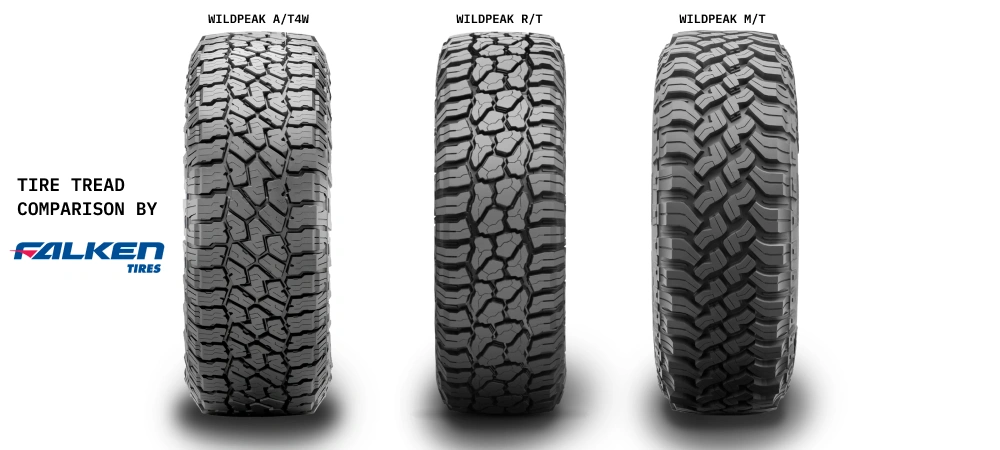
D tires often have deep, aggressive tread patterns. These patterns help with traction on rough surfaces. R tires feature smoother, more uniform tread designs. They work well on paved roads and provide a quiet ride.
Material Composition
D tires use tougher rubber compounds. This makes them last longer on rough terrain. R tires have softer rubber for better grip on smooth roads. This material improves comfort and handling.
Sidewall Differences
D tires have thicker sidewalls to resist cuts and impacts. This makes them ideal for off-road use. R tires have thinner sidewalls for better flexibility and ride comfort. They absorb road bumps more effectively.
Cost And Value
The cost and value of D Vs R tires play a big role in choosing the right tire. Understanding the prices, upkeep, and lifespan helps buyers save money. Tires are an important part of your vehicle’s safety and performance.
Cost matters. Value matters more. Knowing both helps you pick tires that fit your budget and last longer.
Initial Purchase Price
D tires usually cost less to buy. They offer basic features and work well for short trips. R tires often have a higher price. They include better materials and technology for tougher use.
Price depends on tire size, brand, and type. D tires suit drivers with low budgets. R tires fit drivers who want more from their tires.
Maintenance Costs
Maintenance costs include tire rotations, repairs, and balancing. D tires may need more frequent care due to simpler design. R tires often have stronger build quality, needing fewer repairs.
Checking tire pressure and tread depth regularly lowers overall maintenance expenses. Proper care extends tire life and keeps costs down.
Longevity And Replacement
R tires generally last longer than D tires. They use better materials that resist wear and tear. D tires wear out faster and may need early replacement.
Long-lasting tires save money over time. Replacing tires less often reduces hassle and expenses.
Environmental Impact
Tires affect the environment in many ways. Choosing the right tires can reduce harm to nature. D Vs R tires have different effects on the earth. Understanding these helps make better choices for the planet.
Fuel Efficiency
Tire type changes how much fuel a vehicle uses. D Vs R tires differ in rolling resistance. Lower rolling resistance means less fuel burned. D tires often have higher resistance than R tires. Using R tires can lower fuel use. Less fuel means fewer harmful emissions. This helps reduce air pollution and carbon footprints.
Recycling And Disposal
Tire disposal creates waste and pollution. D Vs R tires vary in how easy they are to recycle. R tires usually have simpler materials. This makes recycling faster and cleaner. D tires may contain tougher compounds. They take more effort to break down. Proper recycling prevents tires from piling in landfills. It also keeps toxic chemicals from leaking into soil and water.
Choosing The Right Tire
Choosing the right tire is crucial for safety and performance. Tires affect how your vehicle drives on different surfaces. The right choice improves fuel efficiency and comfort. It also extends the life of your tires.
Matching Tires To Vehicle Type
Different vehicles need different tires. Passenger cars use tires designed for smooth rides. Trucks and SUVs need tires that handle heavy loads. Sports cars require tires that offer better grip and speed. Always check your vehicle’s manual for tire size and type.
Considerations For Driving Conditions
Think about where you drive most. Dry roads need tires with good traction for speed. Wet or rainy areas require tires that prevent slipping. Snow and ice call for special winter tires with deep treads. Off-road driving demands tires that resist punctures and provide strong grip.
Expert Recommendations
Experts suggest choosing tires with high-quality rubber and strong sidewalls. Look for tires with good tread life ratings. Read reviews from other drivers with similar vehicles. Change tires regularly to maintain safety. Always balance and align tires after installation.
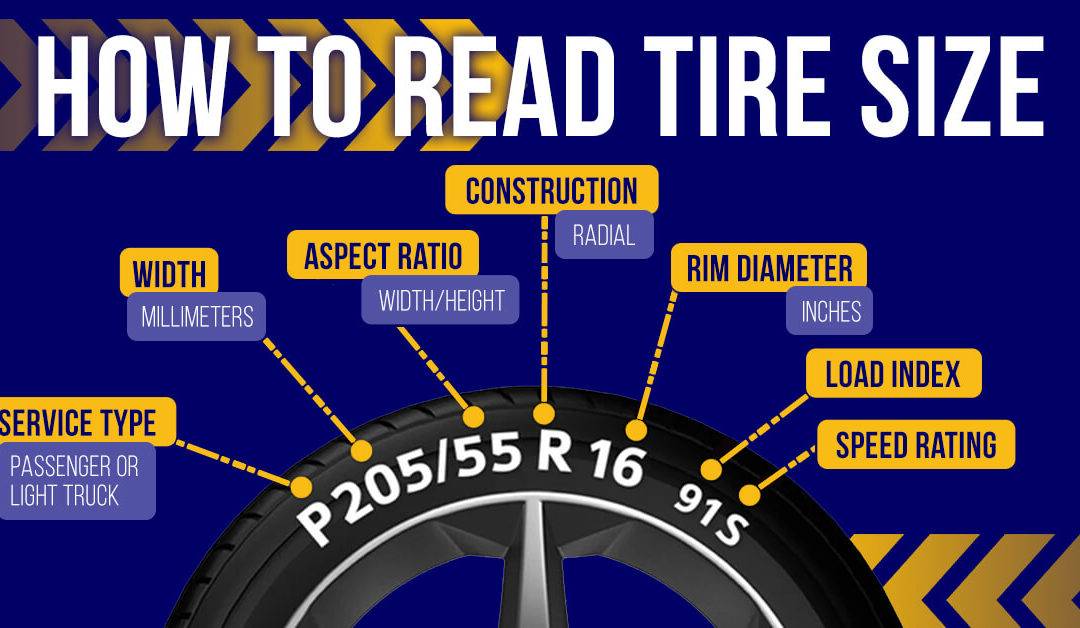
Credit: dandrcarcare.com
Frequently Asked Questions
What Are D Tires Used For?
D tires, or diagonal tires, are used mainly on older vehicles and off-road equipment. They have a crisscross ply design. This design provides flexibility and durability on rough terrains. D tires offer better shock absorption but less traction on paved roads.
How Do R Tires Differ From D Tires?
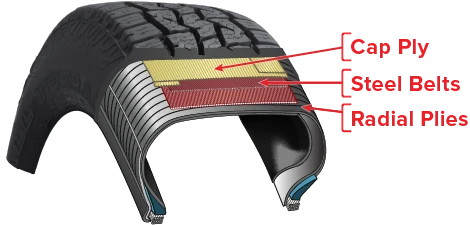
R tires, or radial tires, have plies arranged radially from the center. This design improves road contact and fuel efficiency. Radial tires offer better traction, longer tread life, and a smoother ride than D tires. They are widely used in modern passenger vehicles.
Which Tire Type Is Better For Fuel Efficiency?
Radial (R) tires are better for fuel efficiency due to less rolling resistance. Their flexible sidewalls reduce energy loss while driving. D tires create more friction and consume more fuel. Thus, R tires are preferred for everyday driving and long distances.
Can D Tires Handle Rough Terrains Well?
Yes, D tires handle rough terrains well because of their strong ply structure. Their diagonal design resists cuts and punctures effectively. This makes them suitable for off-road and agricultural vehicles. However, they provide less comfort on paved roads compared to R tires.
Conclusion
Choosing between D and R tires depends on your driving needs. D tires offer durability and a smooth ride. R tires provide better grip and performance. Consider where and how often you drive. Think about weather and road conditions too.
Both types have their strengths and weaknesses. Match your choice with your vehicle type. This helps ensure safety and comfort on the road. Remember, the right tires improve your driving experience. Take time to decide what suits you best. Your car will thank you for it.