When it comes to choosing tires for your vehicle, the rating can make a big difference in performance and safety. You might have seen D and E rated tires but wondered what sets them apart.
Understanding these ratings can help you pick the right tire that matches your driving needs and keeps you safe on the road. You’ll discover the key differences between D and E rated tires and how they affect your car’s handling, durability, and comfort.
Keep reading to make an informed choice that suits your driving style perfectly.

Credit: www.treadwright.com
Tire Ratings Explained
Tire ratings help you understand how well a tire performs in certain areas. These ratings show the tire’s strength and durability. Knowing these numbers helps you pick the right tire for your vehicle and driving needs. D and E ratings are common marks that tell you about the tire’s load capacity and speed limits.
What D And E Ratings Mean
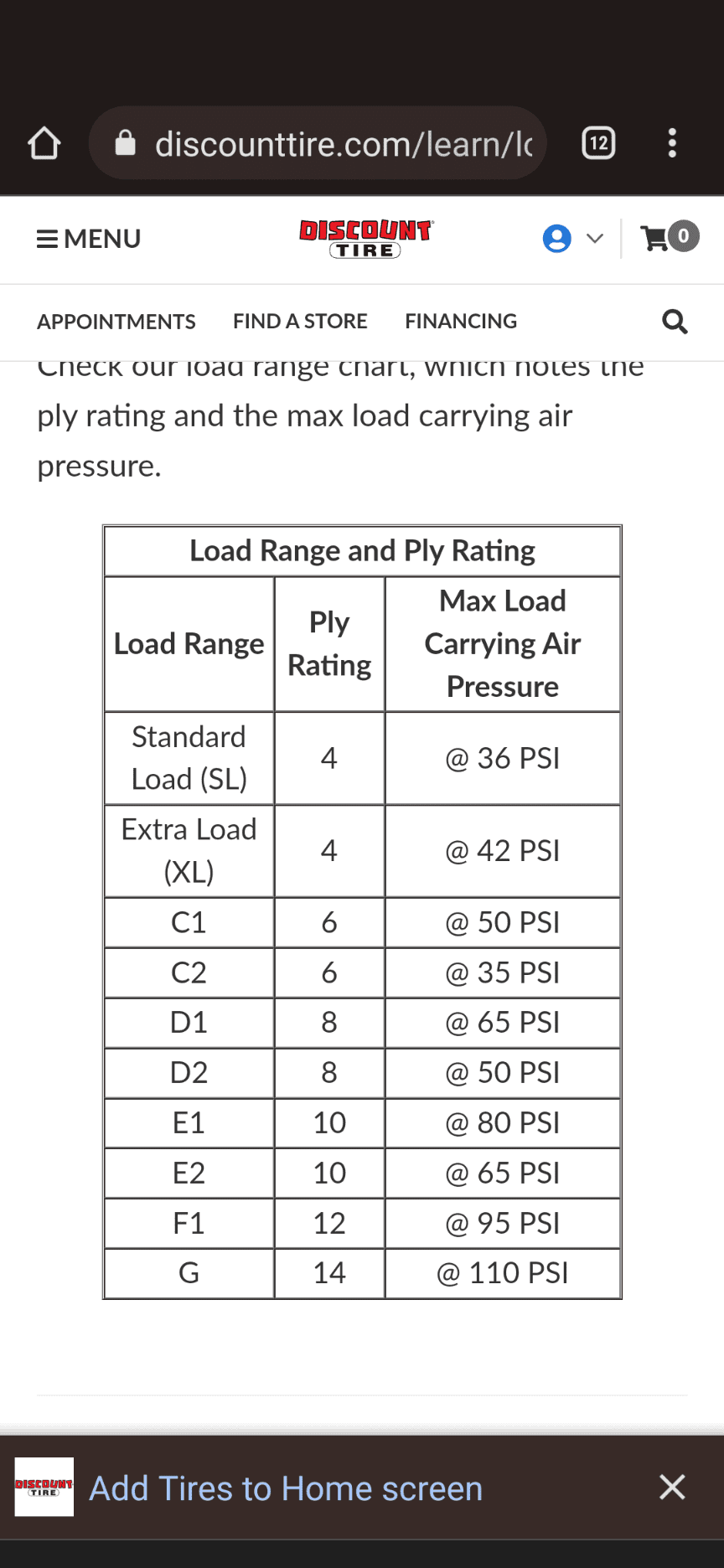
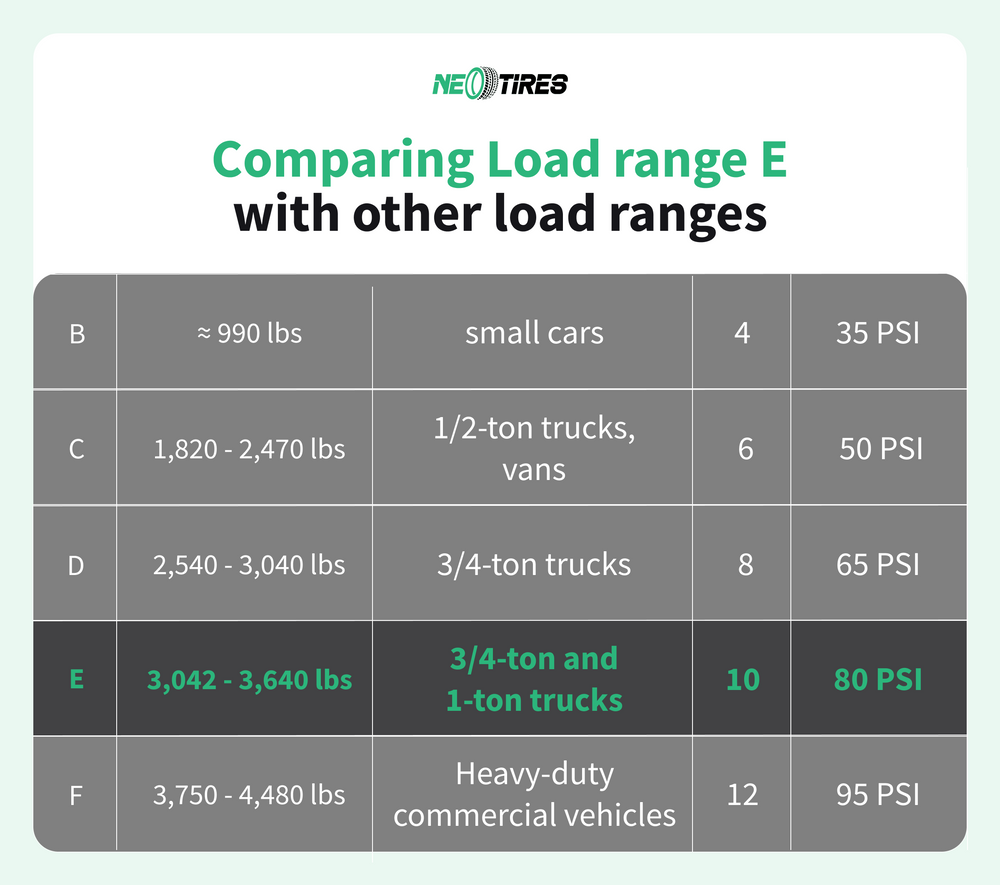
The D and E ratings appear on the tire’s sidewall. They mark the tire’s load range. Load range tells you how much weight a tire can hold safely.
D rating means the tire can carry more weight than a C rating tire. E rating means the tire can hold even more weight than D. The higher the letter, the stronger the tire’s load capacity.
How Ratings Affect Tire Performance
Tires with D or E ratings offer better durability. They resist damage from heavy loads and rough roads. These tires are common on trucks and SUVs. They provide better stability when carrying heavy cargo.
However, tires with higher load ratings may feel stiffer. This can affect ride comfort slightly. But they improve safety by preventing tire blowouts under heavy weight.
Performance Comparison
Comparing D and E rated tires helps you choose the right option for your vehicle. Both types serve different needs and perform differently under various conditions. Understanding their performance can keep you safe and improve your driving experience.
This section breaks down key performance features like speed, load capacity, handling, and traction. These factors matter a lot when picking tires for trucks or heavy vehicles.
Speed And Load Capacities
D rated tires usually support speeds up to 65 mph. Their load capacity fits medium to heavy trucks. E rated tires allow speeds up to 70 mph. They can carry heavier loads than D tires.
Choosing between them depends on your vehicle’s weight and how fast you drive. E rated tires offer a bit more speed and strength. This makes them suitable for heavier trucks or faster routes.
Handling And Traction Differences
D rated tires provide solid handling on rough roads. Their traction is good for everyday driving and moderate weather. E rated tires have better grip on wet or slippery surfaces. They give extra control for heavier loads.
Handling feels more stable with E tires during sharp turns or sudden stops. D tires focus more on durability and steady performance. Both types have their strengths depending on road and weather conditions.
Safety Factors
Safety is a key reason to choose the right tire rating. D and E rated tires differ in their design and strength. These differences affect how safe your vehicle feels on the road. Understanding safety factors helps you pick the best tire for your needs.
Impact On Braking Distance
D and E rated tires have different impacts on braking. E rated tires handle higher speeds and loads better. This means they can help stop your vehicle quicker under heavy use. D rated tires may have longer braking distances when fully loaded. Shorter braking distance means less chance of accidents.
Resistance To Wear And Damage
E rated tires are built to resist wear and damage better. They use stronger materials to handle tough conditions. D rated tires wear out faster under heavy loads or high speeds. Tires that resist damage last longer and keep you safer. Good resistance also means fewer blowouts or tire failures.
Cost And Availability
Cost and availability play a big role in choosing between D and E rated tires. Understanding the price and how easy it is to find these tires helps you make a smart choice. Both ratings have their own pricing and market presence, which affects your buying decision.
Price Differences
D rated tires usually cost less than E rated tires. This is because D tires have lower speed and performance ratings. Manufacturers produce them with simpler materials. E rated tires are built for higher speed and better handling. This makes them more expensive to make and buy.
The price gap varies by brand and tire size. Sometimes, the difference is small. Other times, it can be quite large. Budget buyers often choose D rated tires to save money. Drivers needing better performance prefer E rated tires despite the higher price.
Market Availability
D rated tires are easier to find in many stores. They are common for everyday cars and light trucks. Many tire shops stock D rated tires due to steady demand. E rated tires have a smaller market. They target sports cars and high-speed vehicles.
Online shops offer both types, but E rated tires may have fewer options. Some regions have limited supply of E rated tires. This makes purchasing them harder. Planning ahead helps if you want an E rated tire. D rated tires offer more convenience for quick replacements.
Choosing The Right Tire
Choosing the right tire is important for safety and performance. Tires come with different ratings, like D and E, which show their load and speed limits. Picking the right one depends on your vehicle and driving needs. This helps you get better control and longer tire life.
Understanding the differences between D and E rated tires helps you make a smart choice. Both types fit specific vehicles and conditions. Knowing what suits your situation keeps you safe on the road.
Vehicle Compatibility
Check your vehicle’s manual for tire specifications. Not all tires fit every car or truck. D rated tires often suit medium trucks and vans. E rated tires usually fit larger trucks and buses. Using the right tire size and rating prevents damage and ensures safety.
Driving Conditions And Needs
Think about where you drive most. D rated tires handle normal highway speeds well. E rated tires support heavier loads and higher speeds. For rough roads or heavy loads, E rated tires work better. Choose tires that match your daily routes and cargo weight.
Credit: www.ranger5g.com
Maintenance Tips
Proper care of D and E rated tires extends their life and ensures safety. Regular maintenance helps these tires perform well on different roads. Simple steps can prevent damage and costly repairs.
Proper Inflation
Check tire pressure often. Use a reliable gauge to measure. Inflate tires to the recommended level. Under-inflated tires wear out quickly and reduce fuel efficiency. Over-inflated tires may cause a rough ride and uneven wear. Keep the pressure steady for better control and longer tire life.
Regular Inspections
Look at tires closely every week. Search for cracks, cuts, or bulges on the sidewalls. Examine the tread depth to avoid slipping on wet roads. Remove any stones or debris stuck in the tread. Replace tires that show severe damage or uneven wear. Early detection prevents accidents and improves safety.
Credit: neotires.com
Frequently Asked Questions
What Is The Difference Between D And E Rated Tires?
D and E rated tires differ in load capacity and speed rating. E rated tires support higher loads and speeds than D rated ones. This makes E tires suitable for heavier vehicles and more demanding driving conditions.
Are E Rated Tires Better Than D Rated Tires?
E rated tires are generally better for heavier loads and higher speeds. However, the best tire depends on your vehicle’s specifications and driving needs. Choose the rating that matches your vehicle’s requirements for safety and performance.
Can I Replace D Rated Tires With E Rated Tires?
Yes, you can replace D rated tires with E rated tires if your vehicle supports it. Ensure the new tires meet or exceed the manufacturer’s load and speed specifications for optimal safety.
How Does Tire Rating Affect Vehicle Performance?
Tire ratings impact load capacity, speed, and durability. Higher-rated tires like E provide better handling and safety under heavy loads. Choosing the right rating improves vehicle performance and driving confidence.
Conclusion
Choosing between D and E rated tires depends on your driving needs. D rated tires offer good durability and comfort. E rated tires handle heavier loads and rough roads better. Both have strengths for different vehicles and conditions. Think about your usual trips and weight requirements.
Proper tires keep you safe and improve vehicle performance. Regular tire checks also help avoid problems. Pick the right tire rating for your safety and peace of mind. Simple choices lead to smoother, safer drives every day.