Have you ever wondered what’s really inside your tires? Most people don’t give it much thought, but the choice between air and nitrogen can make a surprising difference.
What if changing what fills your tires could improve your ride, save you money, and even boost safety? You’ll discover how air and nitrogen stack up against each other—and which one might be the best fit for your vehicle. Keep reading to find out what you need to know before your next tire fill-up.
Credit: lionharttires.com
Air Composition In Tires
Tires filled with air are common in most vehicles. Air is easy to find and free to use. Understanding what air contains helps explain how it affects tire life and performance. This knowledge helps drivers make better choices for their tires.
What Air Contains
Air is a mix of gases. It contains about 78% nitrogen and 21% oxygen. The rest includes small amounts of carbon dioxide, water vapor, and other gases. Oxygen can cause tire rubber to dry out faster. Water vapor inside tires can lead to pressure changes. These gases affect how tires perform on the road.
How Air Affects Tire Performance
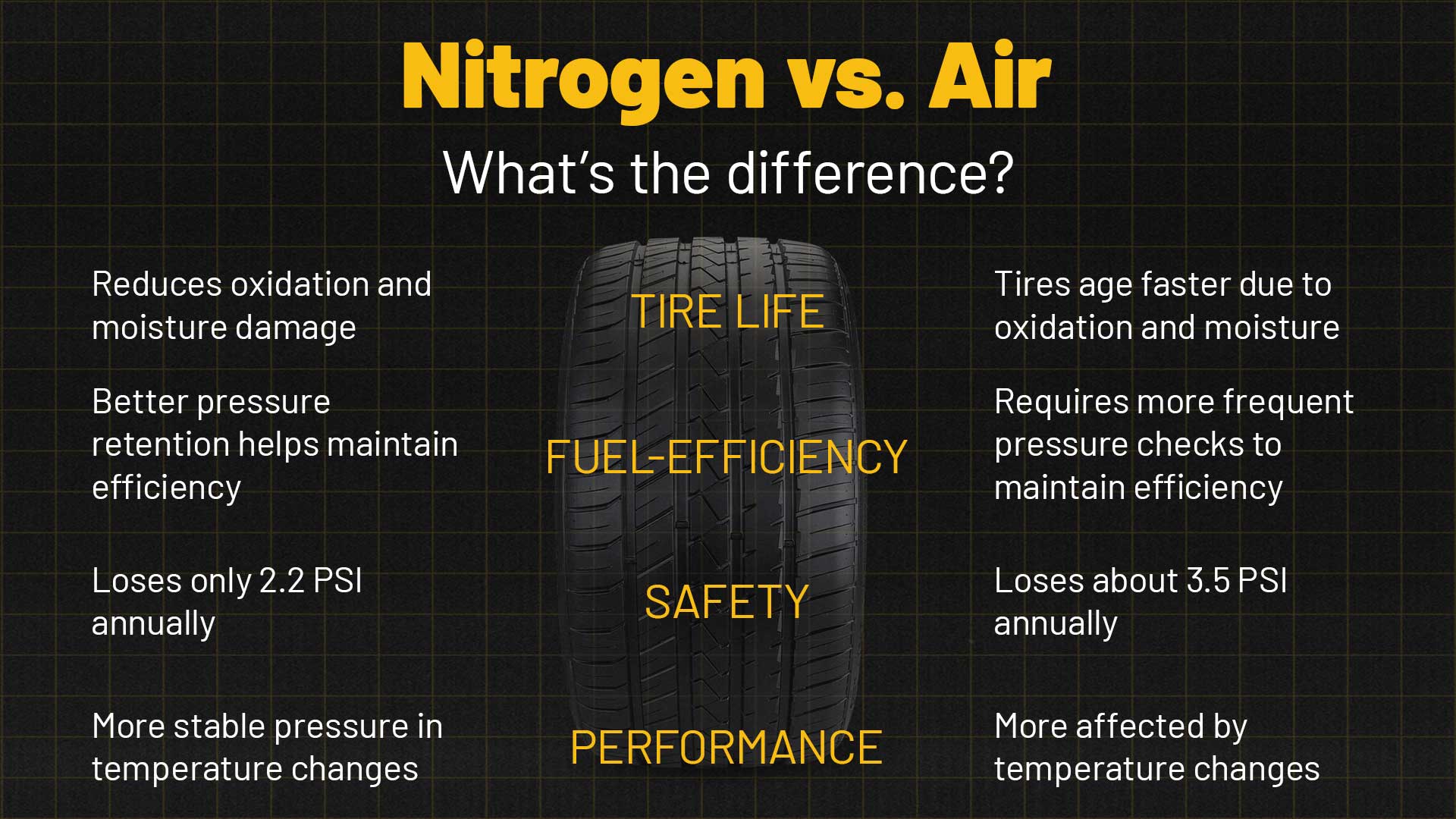
Oxygen in air can cause tires to lose pressure over time. It can also lead to faster tire aging. Water vapor inside tires can create pressure changes with temperature shifts. These changes affect tire grip and fuel efficiency. Air-filled tires may need more frequent checks and refills. Proper tire care helps maintain safety and tire life.
Nitrogen Basics In Tires
Understanding nitrogen basics in tires helps you see why some drivers choose it over regular air. Nitrogen is a gas that fills tires like air does. But nitrogen has unique features that affect tire performance and maintenance. Knowing these features can help you decide if nitrogen suits your needs.
Properties Of Nitrogen
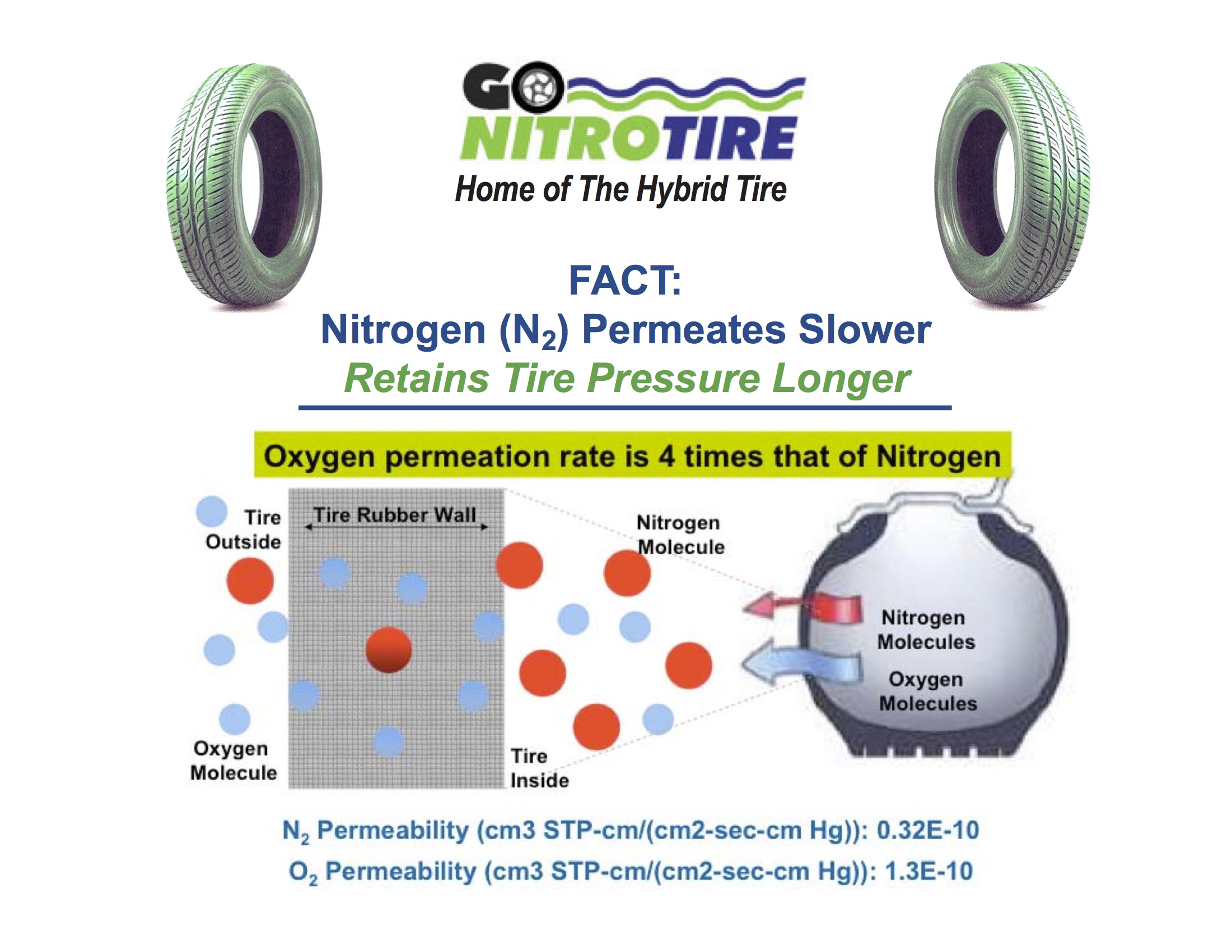
Nitrogen is a dry, inert gas. It does not hold moisture like air. This means it reduces rust and corrosion inside tires. Nitrogen molecules are larger than oxygen molecules. They escape from tires slower than oxygen. This keeps tire pressure steady for a longer time. Nitrogen is also less likely to react with rubber or metal parts in tires.
Why Use Nitrogen Instead Of Air
Air contains about 78% nitrogen but also has oxygen and water vapor. Oxygen and moisture cause tire pressure to drop faster. Moisture can damage tire rims and inner liners. Using pure nitrogen means less pressure loss over time. Tires stay properly inflated longer. Proper inflation improves fuel efficiency and tire life. It also offers better handling and safety on roads. Nitrogen is especially useful for high-performance or heavy vehicles.
Pressure Stability Comparison
Pressure stability plays a key role in tire performance and safety. Tires with stable pressure maintain better contact with the road. This leads to improved handling and longer tire life. The choice between air and nitrogen affects how stable tire pressure remains over time.
Air Pressure Fluctuations
Air is made up of many gases, including oxygen and water vapor. These gases can expand and contract with temperature changes. This causes air pressure in tires to rise and fall daily. Moisture in air can also cause pressure loss through evaporation.
Temperature swings make air-filled tires lose or gain pressure quickly. This can lead to underinflated tires, which reduce fuel efficiency and increase wear. Checking tire pressure often is necessary to keep it safe.
Nitrogen Pressure Consistency
Nitrogen is a dry, inert gas with larger molecules than oxygen. It escapes from tires more slowly than air. Nitrogen does not react with moisture inside the tire. This reduces pressure changes caused by temperature and humidity.
Tires filled with nitrogen keep their pressure longer. This means more consistent tire performance and less frequent refills. Drivers notice better fuel economy and improved tire life. Nitrogen offers steady pressure, helping maintain safe driving conditions.
Impact On Tire Longevity
Tire longevity depends greatly on the gas inside the tires. Both air and nitrogen affect how long tires last. Understanding their impact helps in choosing the right option for your vehicle.
Proper tire pressure and reduced oxidation improve tire life. These factors differ between air and nitrogen-filled tires.
Air And Tire Wear
Air contains about 78% nitrogen and 21% oxygen. Oxygen causes the tire rubber to break down faster. This leads to cracks and weak spots in the tire over time.
Air also holds moisture. Moisture can cause rust inside the wheel rim. Rust reduces the tire’s seal, causing slow leaks. This drop in pressure leads to uneven tire wear.
Nitrogen’s Effect On Tire Life
Nitrogen is dry and pure, without oxygen or moisture. This reduces oxidation and slows tire aging. Tires filled with nitrogen keep pressure longer and stay stronger.
Less pressure loss means tires wear more evenly. This helps extend the time before you need new tires. Overall, nitrogen helps maintain tire health and improves safety.
Fuel Efficiency And Handling
Fuel efficiency and handling are key factors in tire performance. The type of gas inside tires can affect these aspects. Both air and nitrogen offer different benefits. Understanding these differences helps drivers make better choices for their vehicles.
Air-filled Tires And Performance
Most tires come filled with regular air. Air is a mix of gases including oxygen and nitrogen. Oxygen can cause moisture inside the tire. Moisture may lead to pressure changes as temperatures vary. This affects fuel efficiency by increasing rolling resistance. Lower pressure tires make the engine work harder. Handling may also feel less stable, especially in sharp turns. Drivers often need to check and adjust tire pressure more often. Proper maintenance helps keep performance steady.
Nitrogen-filled Tires Benefits
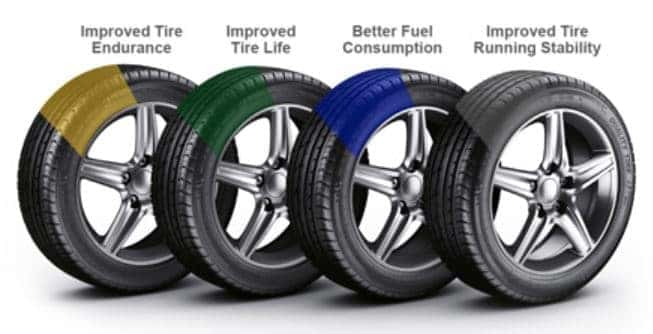
Nitrogen is a dry, inert gas. It does not contain moisture like regular air. This reduces pressure changes caused by temperature shifts. Tires stay at a more consistent pressure for longer periods. Consistent tire pressure lowers rolling resistance, improving fuel efficiency. Handling improves because tires remain firm and stable. Drivers notice better control on roads and during braking. Nitrogen also slows down tire wear by reducing oxidation inside the tire. Overall, nitrogen tires need less frequent pressure checks. This can save time and improve driving safety.
Credit: www.springfieldacura.com
Cost And Accessibility
Cost and accessibility are key factors when choosing between air and nitrogen for tire inflation. Many drivers consider these elements before making a decision. Understanding the expenses and availability helps in selecting the right option.
Filling Tires With Air
Air is easy to find almost everywhere. Gas stations, service centers, and even home compressors offer it. Usually, air filling costs little or nothing at all. This makes air the most common choice for most drivers.
Air contains moisture and other gases. This can affect tire pressure over time. Still, the low cost and wide availability keep air popular among many.
Cost Of Nitrogen Inflation
Nitrogen inflation costs more than air. Filling tires with nitrogen often requires a special service. Some places charge a fee for the initial fill and for refills.
Not all service stations offer nitrogen. This limits its accessibility for many drivers. The cost and availability might make nitrogen less practical for daily use.
Real-world Use Cases
Tires need proper inflation for safety and performance. People use either air or nitrogen to fill tires. Each option has specific real-world uses. Understanding these helps choose the best for different driving needs.
Everyday Driving
Most drivers fill tires with regular air. It is cheap and easy to find. Air contains oxygen and moisture, which can cause slow leaks. Regular checks keep tire pressure safe. For daily use, air works well enough.
Using nitrogen in everyday tires offers less pressure change. Nitrogen molecules are larger than oxygen, so they escape slower. This means tires stay inflated longer. It may help in places with big temperature changes. Still, benefits for normal driving are small.
High-performance And Racing Tires
Racing and high-performance cars use nitrogen more often. Tires run at higher pressures and temperatures. Nitrogen keeps pressure steady under these conditions. It reduces the chance of tire blowouts.
Moisture inside tires can cause pressure swings and corrosion. Nitrogen is dry, so it prevents moisture problems. This helps maintain tire strength and safety. Racers trust nitrogen for consistent tire behavior on track.
Credit: www.gonitrotire.com
Frequently Asked Questions
What Are The Main Differences Between Air And Nitrogen Tires?
Air contains moisture and oxygen, which can cause tire pressure changes and corrosion. Nitrogen is dry, stable, and maintains pressure longer, improving tire life and performance.
Is Nitrogen Better Than Air For Tire Pressure Retention?
Yes, nitrogen leaks slower than air, maintaining tire pressure longer. This improves fuel efficiency, safety, and tire lifespan by reducing pressure fluctuations.
Can I Fill My Tires With Nitrogen Instead Of Air?
Yes, you can fill tires with nitrogen at many service centers. It is safe and beneficial, but not mandatory for everyday driving.
Does Nitrogen Improve Tire Durability Compared To Air?
Nitrogen reduces moisture and oxidation inside tires, preventing corrosion. This leads to longer tire life and more consistent performance than air-filled tires.
Conclusion
Choosing between air and nitrogen depends on your tire needs. Air is easy to find and costs nothing extra. Nitrogen can keep pressure steady longer and reduce moisture inside tires. For daily driving, air works well and is simple. For long trips or special vehicles, nitrogen might help.
Both keep your tires safe if checked regularly. Keep your tires inflated right for better fuel use and tire life. Your choice should fit your budget and how you drive. Simple care keeps your ride smooth and safe.