Driving with unbalanced tires is more common than many people realize. Sometimes, drivers may not even know their tires are unbalanced until they experience strange vibrations or hear odd noises. But how long can you safely drive on unbalanced tires?
The answer is not simple, and depends on several factors, including the type of vehicle, road conditions, and how severe the imbalance is. If you ignore this problem, you risk damaging your car, reducing your safety, and spending more money in the long run.
Understanding tire balance is not just a technical issue for car experts. It affects every driver’s comfort and safety. Even though unbalanced tires won’t cause your car to stop suddenly, they can lead to bigger problems over time. If you’re wondering how long you can drive on unbalanced tires, or what happens if you do, this guide will give you clear answers, practical advice, and real-world examples. Let’s explore what you need to know about this often-overlooked issue.
What Are Unbalanced Tires?
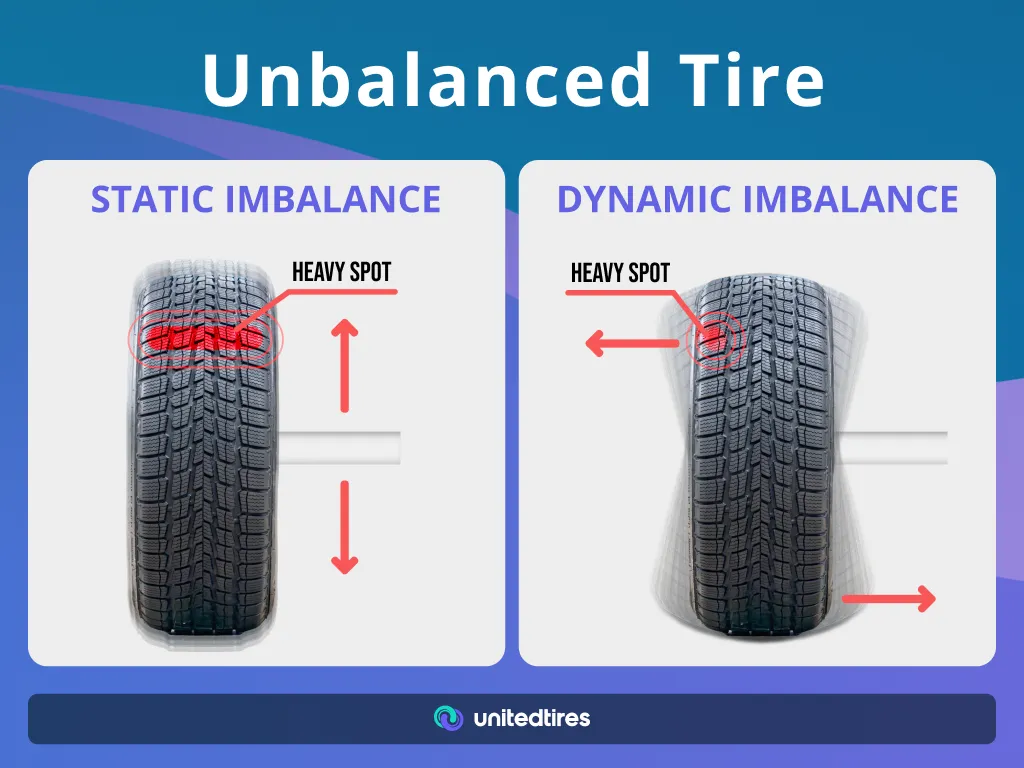
Unbalanced tires occur when the weight is not evenly distributed around the wheel. This can happen due to normal wear, hitting potholes, or even after tire repairs. When tires are unbalanced, they spin unevenly, causing vibration and shaking in the car, especially at higher speeds.
Most modern cars use wheel balancing machines to measure and fix this imbalance. Small weights are added to the wheel to correct the problem. If these weights fall off, or if the tire wears unevenly, the problem returns.
Signs Of Unbalanced Tires
Recognizing unbalanced tires early can save you from trouble. Common signs include:
- Vibration in the steering wheel, especially above 50 mph
- Uneven tire wear
- Strange noises from the tires
- Poor handling and less control
Some beginners miss subtle signs, like a slight shaking in the seat or dashboard. These clues may appear before the more obvious steering wheel vibration.
How Long Can You Drive On Unbalanced Tires?
There’s no exact number of miles or days you can safely drive on unbalanced tires. The risk depends on the severity of the imbalance and how you drive. However, most experts agree that you should not drive longer than necessary once you notice the problem. Here’s a practical breakdown:
| Severity | Estimated Safe Driving Distance | Symptoms |
|---|---|---|
| Mild | 100–500 miles | Light vibration, slight uneven wear |
| Moderate | 50–200 miles | Noticeable shaking, noise, faster wear |
| Severe | 0–50 miles | Strong vibration, difficult handling, loud noises |
If you notice mild symptoms, you may get away with a few days of driving. But if the imbalance is strong, you should address it immediately. Driving longer increases the risk of damage to your suspension, steering system, and tires.
Factors Affecting How Long You Can Drive
Several factors play a role:
- Driving speed: High speeds make vibrations worse and speed up damage.
- Road conditions: Rough or bumpy roads increase stress on unbalanced tires.
- Vehicle type: Heavy vehicles (SUVs, trucks) feel the effects sooner than small cars.
- Tire age and quality: Older or low-quality tires may fail faster.
A real-world example: If you drive a small sedan mostly on smooth city roads, you might go a few hundred miles before serious problems appear. But a truck on highways with strong vibrations could develop suspension damage in less than 100 miles.

Credit: abcbalancingbeads.com
Risks Of Driving With Unbalanced Tires
Ignoring unbalanced tires can lead to costly and dangerous problems. Here are the main risks:
1. Tire Wear
Unbalanced tires wear unevenly. This means you may need to replace tires much sooner. It also increases the chance of a blowout.
2. Damage To Suspension And Steering
The constant vibration affects parts like shock absorbers, ball joints, and tie rods. Repairs can cost hundreds or even thousands of dollars.
3. Reduced Safety
Unbalanced tires make your car harder to control, especially in emergencies. Stopping distance increases, and you may skid during sharp turns.
4. Lower Fuel Efficiency
Your engine works harder to move the car, using more fuel. This is often ignored by beginners.
5. Uncomfortable Ride
Vibration is not just annoying—it can cause headaches and fatigue, making long drives unpleasant.
| Risk | Cost Estimate (USD) | Typical Repair Needed |
|---|---|---|
| Tire Replacement | $100–$500 | New tire purchase |
| Suspension Repair | $300–$1,500 | Shock/strut replacement |
| Steering System Repair | $200–$700 | Ball joint/tie rod fix |
Many drivers overlook the cost of suspension repairs, which often result from prolonged driving on unbalanced tires.
How To Fix Unbalanced Tires
Solving this problem is usually quick and affordable. You can visit a tire shop or mechanic. Here’s what happens:
- Inspection: Mechanic checks for signs of uneven wear, missing weights, or damage.
- Balancing: Tires are placed on a machine. Small weights are added where needed.
- Test Drive: After balancing, a short drive checks for remaining vibration.
The whole process takes about 30–60 minutes and costs $10–$25 per tire. Sometimes, tire rotation is recommended at the same time.
Diy Vs Professional Help
Some people try to fix tire balance at home, but it’s not easy without special equipment. Professional balancing is more accurate and safer.
Unbalanced Tires Vs Other Tire Problems
It’s easy to confuse unbalanced tires with other issues. Here’s a comparison:
| Problem | Main Symptoms | Fix |
|---|---|---|
| Unbalanced Tires | Vibration, uneven wear | Balancing weights added |
| Misalignment | Pulls to one side | Wheel alignment service |
| Flat Tire | Low air, car tilts | Repair or replace tire |
| Damaged Suspension | Noise, rough ride | Replace suspension parts |
Knowing the difference helps you fix problems faster and avoid unnecessary repairs.
Tips For Preventing Tire Imbalance
Prevention is easier than dealing with repairs. Here are some practical tips:
- Check tire balance every 5,000–7,000 miles or at every rotation.
- Avoid potholes and curbs when driving.
- Inspect tires regularly for missing balance weights.
- Replace worn tires promptly to keep balance consistent.
- Ask for balancing whenever you buy new tires.
Many beginners forget to check tire balance after replacing brake pads or suspension parts. These repairs can disturb the wheel balance.

Credit: abcbalancingbeads.com
When To Seek Immediate Help
If you feel strong vibration, hear loud noises, or notice sudden changes in handling, stop driving and get help. Severe symptoms can mean a balance weight fell off or a tire is close to failing.
Some drivers ignore mild shaking, thinking it will go away. It rarely does. Early action saves money and keeps you safe.
Real-life Examples
Consider these scenarios:
- Anna, a college student, felt mild vibration but kept driving for two months. Her tires wore out unevenly, and she had to replace all four.
- Joe, a delivery driver, ignored strong shaking. His suspension failed after just one week, costing him $900 for repairs.
- Sara, a beginner, noticed noise and stopped right away. Her tire shop fixed the balance for $40, and her car ran smoothly again.
These examples show how different choices lead to different outcomes. Quick action is always the safer and cheaper option.
Credit: www.utires.com
Frequently Asked Questions
What Causes Tires To Become Unbalanced?
Tires become unbalanced due to normal wear, hitting potholes, losing balance weights, or after tire repairs. Even new tires can be unbalanced if not installed correctly.
How Can I Tell If My Tires Are Unbalanced?
Look for vibration in the steering wheel, uneven tire wear, strange noises, and poor handling. You may also notice shaking in the seat or dashboard, especially at higher speeds.
Is It Safe To Drive With Unbalanced Tires?
It is not safe to drive long distances with unbalanced tires. Short trips may be okay if symptoms are mild, but continued driving increases the risk of tire failure, suspension damage, and accidents.
How Much Does It Cost To Fix Unbalanced Tires?
Balancing usually costs $10–$25 per tire at most shops. If you wait too long and need suspension or steering repairs, costs can reach hundreds or thousands of dollars.
How Often Should I Check My Tire Balance?
Check tire balance every 5,000–7,000 miles, or whenever you notice symptoms. It’s also wise to check after buying new tires or after any suspension repairs.
Driving on unbalanced tires is never a good idea. While you might manage for a short time, the risks and costs rise quickly. The smartest choice is to get your tires balanced as soon as you notice any symptoms. This keeps your car running smoothly, protects your investment, and keeps you safe on the road. If you want to learn more about tire safety, visit the National Highway Traffic Safety Administration for official guidance. Remember, a little attention now can save big trouble later.