Have you ever wondered what really sets a spare tire apart from your regular tire? When you face a flat or blowout, knowing the difference can make all the difference in how you handle the situation.
Your safety, convenience, and even your car’s performance depend on understanding these two types of tires. Keep reading to discover what makes each tire unique and how choosing the right one at the right time can save you stress and money.
This simple knowledge could change the way you think about your car’s tires forever.
Credit: www.autoguide.com
Types Of Tires
Tires come in many types. Each type serves a different purpose. Choosing the right tire affects safety and performance. Understanding tire types helps in making better decisions for your vehicle.
Spare Tire Varieties
Spare tires are temporary solutions. They get you back on the road quickly. There are mainly three types of spare tires.
Full-size spares match your regular tires. They can be used for a long time. They offer the best performance as a replacement.
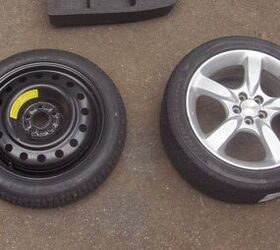
Compact spares, also called “donuts,” are smaller and lighter. They save space but have speed and distance limits. These spares are good for short trips only.
Run-flat tires act as spares themselves. They let you drive for a short distance after a puncture. No need to change the tire immediately.
Regular Tire Categories
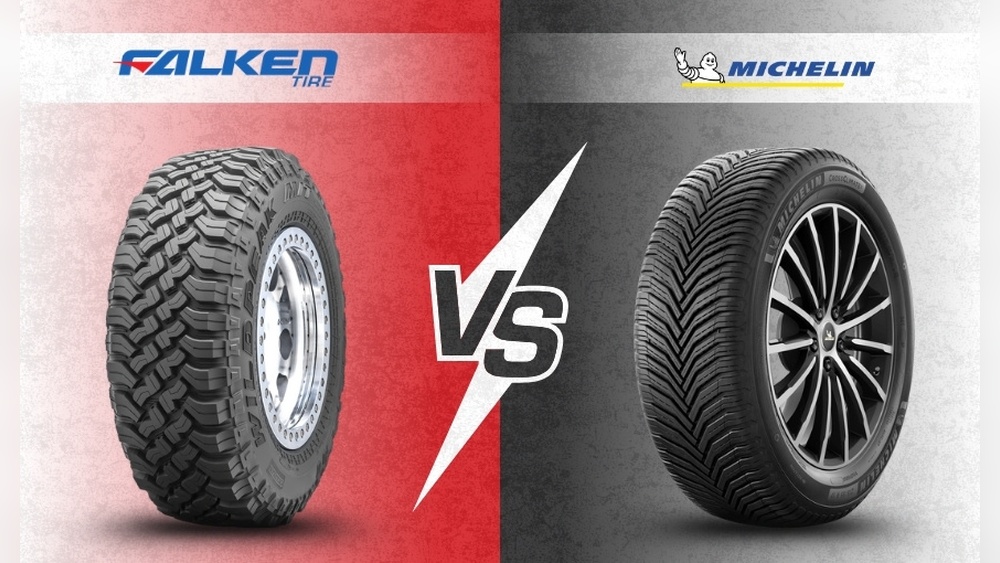
Regular tires have many categories based on use and design. These affect grip, comfort, and durability.
All-season tires work well in most weather conditions. They balance performance for dry, wet, and light snow roads.
Summer tires offer excellent grip on warm, dry, or wet roads. They are not good in cold or snowy weather.
Winter tires have special tread and rubber for snow and ice. They improve safety in cold weather.
Performance tires focus on speed and handling. They are common in sports cars and racing vehicles.
Size And Design Differences
Size and design differences between spare tires and regular tires are clear and important. These differences affect how each tire performs and fits on your vehicle. Understanding these contrasts helps you know why spare tires are not meant for long use.
Dimensions Comparison
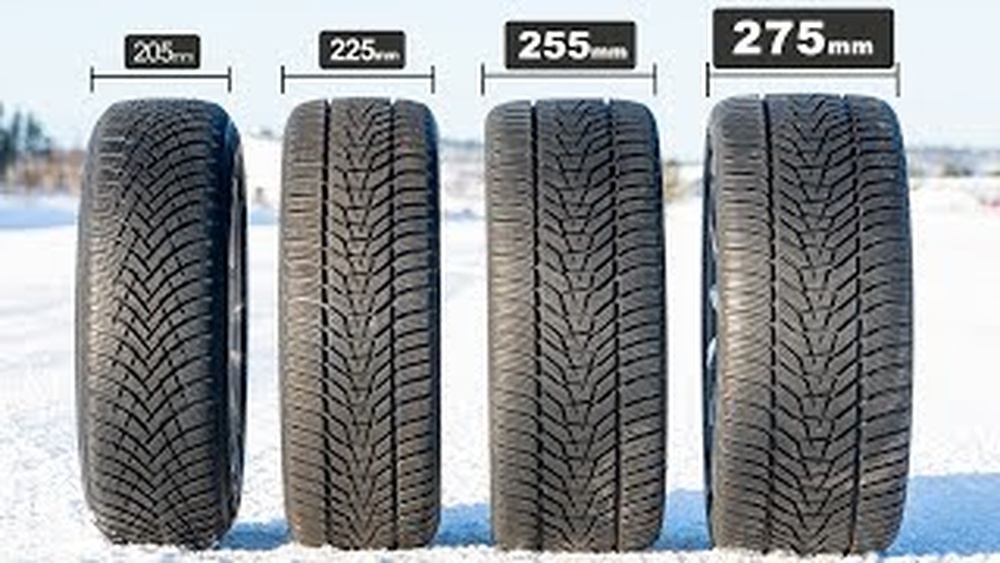
Spare tires are smaller than regular tires. They usually have a thinner width and a smaller diameter. This smaller size saves space in your car’s trunk. Regular tires are wider and taller to provide better road contact. This size difference limits the spare tire’s speed and distance capability.
Material And Construction
Spare tires use lighter materials to reduce weight. They often have a simpler tread pattern and thinner rubber. This design helps save space and weight but lowers durability. Regular tires have stronger construction with thicker rubber. They offer better grip, wear resistance, and safety for daily driving.
Performance And Usage
Understanding the performance and usage of spare tires versus regular tires helps drivers make safe choices on the road. Each tire type serves a different purpose and has unique limits. Knowing these differences is essential for safe driving and tire care.
Speed And Distance Limits
Regular tires are designed for daily driving without strict limits. They can handle normal speeds and long distances safely. Spare tires, especially compact spares, have clear speed and distance limits. Most spare tires should not exceed 50 mph. They are meant for short trips only, usually less than 70 miles. Driving faster or farther on a spare tire can cause damage or accidents.
Handling And Safety
Regular tires provide stable handling and good grip on all road surfaces. They ensure smooth steering and braking. Spare tires, being smaller and thinner, affect vehicle handling. The car may pull to one side or feel less stable. Braking distance can increase with a spare tire in use. Using a spare tire requires extra caution and slower speeds. It is important to replace the spare with a regular tire quickly for safe driving.

Credit: www.youtube.com
Installation And Storage
Installing and storing tires is important for vehicle safety and performance. Spare tires and regular tires differ in how they are mounted and kept. Understanding these differences helps keep your car ready for any road situation.
Mounting Spare Tires
Spare tires are smaller and lighter than regular tires. They fit in a special place in the car. Mounting a spare tire usually takes less time. You must use the correct tools, like a jack and lug wrench. Tighten the bolts properly to avoid accidents. Spare tires are meant for short distances and low speeds.
Storing Spare Tires
Spare tires need proper storage to stay usable. They are often stored under the trunk or beneath the car. Keep the spare tire clean and dry. Avoid storing it in direct sunlight to prevent damage. Check the air pressure regularly, even if you do not use it. Proper storage extends the life of the spare tire.
Cost Implications
Understanding the cost differences between spare tires and regular tires helps with budgeting. Both types have unique price points and ongoing expenses. Knowing these costs supports better decisions for vehicle care.
Price Comparison
Spare tires usually cost less than regular tires. They are smaller and made for temporary use. Regular tires are larger and designed for daily driving. This makes regular tires more expensive. The price gap can be significant, especially for high-quality regular tires.
Maintenance Expenses
Regular tires need regular maintenance like rotation and balancing. This adds to their long-term cost. Spare tires require less upkeep but should be checked for air pressure. Using a spare tire for a long time can cause damage. Replacing a damaged spare can increase expenses unexpectedly.
Credit: www.quora.com
When To Use Each Tire
Knowing when to use a spare tire versus a regular tire is very important. Each tire serves a different purpose and fits specific situations. Using the right tire ensures safety and better vehicle performance. Below are clear guidelines on when to use each type of tire.
Emergency Situations
Spare tires are made for short-term use only. They help you get moving after a flat tire or blowout. Drive slowly and carefully on a spare tire. Avoid long trips or high speeds. Use the spare tire just to reach a repair shop. It keeps you safe until you fix or replace the regular tire.
Everyday Driving
Regular tires are designed for daily use and long distances. They provide better traction, comfort, and stability. Use regular tires for all normal driving conditions. They handle rain, snow, and rough roads better. Regular tires wear evenly and last longer. Always check tire pressure and tread for safety.
Frequently Asked Questions
What Is The Main Difference Between Spare And Regular Tires?
A spare tire is temporary and smaller. Regular tires are designed for daily use and full performance. Spares are for short distances only.
How Long Can You Drive On A Spare Tire?
You should drive no more than 50-70 miles on a spare tire. It’s meant for emergency use only, not long-term driving.
Can Spare Tires Replace Regular Tires Permanently?
No, spare tires are not made for permanent use. They lack durability and proper traction compared to regular tires.
Are Spare Tires Safe For Highway Driving?
Spare tires are not recommended for highway speeds. Their smaller size and design limit stability and safety at high speeds.
Conclusion
Spare tires offer a quick solution during emergencies. Regular tires provide better safety and performance daily. Knowing the difference helps you make smart choices. Keep your spare tire ready but use it only briefly. Regular tires ensure a smooth and safe drive.
Always check tire conditions to avoid unexpected problems. Choose wisely for your car and your peace of mind.