When winter roads get icy and snowy, you want to be sure your car can handle the tough conditions. You might be wondering whether snow tire socks or chains are the better choice for your safety and convenience.
Both options promise better grip, but which one truly fits your needs? You’ll discover the key differences, pros, and cons of snow tire socks and chains. By the end, you’ll feel confident making the right decision to keep you and your loved ones safe on slippery roads.
Keep reading to find out which option is best for your winter driving.
Credit: www.snowchains.com
Snow Tire Socks Basics
Snow tire socks provide an alternative to traditional chains for better grip on snow and ice. They are made from fabric materials that fit over tires. These socks help improve traction and safety during winter driving. Understanding their basics helps in choosing the right option for your vehicle.
Material And Design
Snow tire socks are usually made from strong textile fibers. These fibers create friction between tires and icy roads. The fabric design covers the tire surface evenly. This helps to increase grip without damaging the tires. The socks are lightweight and flexible for easy use.
Installation Process
Installing tire socks is simple and fast. Slide the sock over the tire before driving on snow. Adjust it to fit tightly around the tire. No tools or extra help is needed. Removal is just as easy after driving on clear roads.
Performance On Snow And Ice
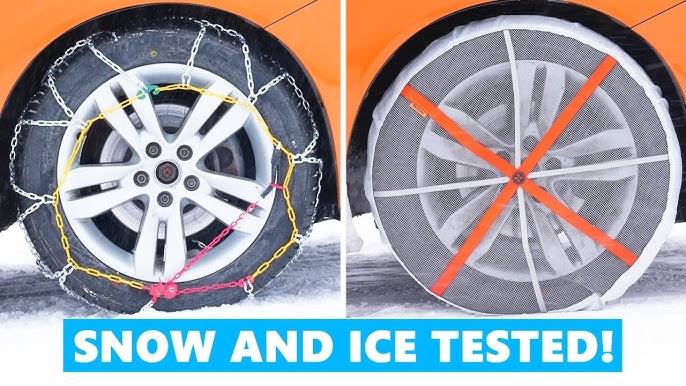
Tire socks improve traction on light to moderate snow. They provide better control and reduce slipping. On ice, they offer some grip but less than chains. Socks work well for short distances and lower speeds. They are quieter and cause less road damage than chains.
Chains Essentials
Chains are a classic choice for driving in snow and ice. They offer solid grip and help prevent slipping. Understanding the essentials of chains makes choosing and using them easier. This section covers the types, fitting, and durability of chains.
Types Of Chains
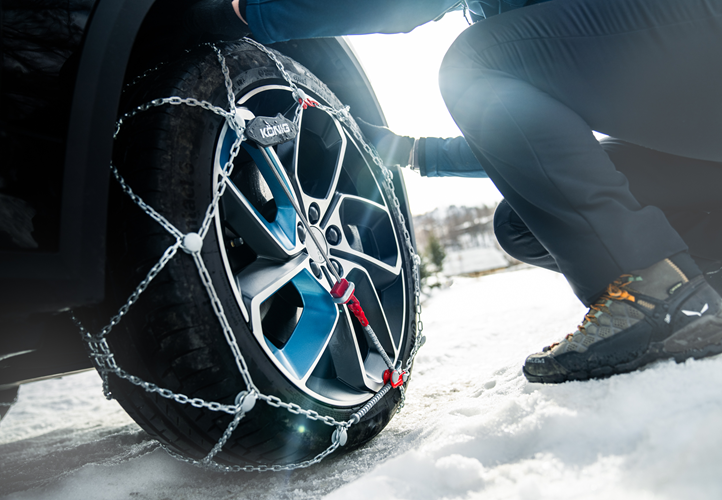
There are several types of chains available. Cable chains use thin steel cables wrapped around tires. Link chains are heavier and made of metal links. Ladder chains have a simple design with metal bars crossing the tire. Each type suits different vehicles and road conditions.
Fitting And Removal
Putting chains on your tires requires some effort. It is best to practice fitting them before winter starts. Chains must fit tightly and evenly around the tire. Removing chains is easier but should be done carefully to avoid damage. Proper fitting ensures safety and better performance.
Durability And Strength
Chains are strong and can last many winters with care. Metal chains resist wear and tear from snow and ice. Regular inspection helps find broken links or rust. Choosing quality chains increases durability and road grip. Strong chains provide better control and reduce tire damage.
Traction Comparison
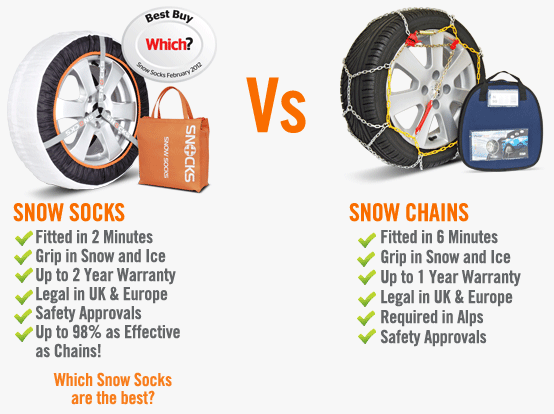
Traction is the key factor for safe driving on snow and ice. Both snow tire socks and chains help improve grip. Each has different strengths and weaknesses. Understanding these differences helps you choose the right option for your driving needs.
Grip On Different Surfaces
Snow tire socks work well on packed snow and light ice. They cover tires with a textile material that grips slippery surfaces. Chains provide stronger grip on thick ice and deep snow. Their metal links dig into ice and snow for better traction. Socks perform better on smooth, icy roads. Chains excel in rough, snowy terrain.
Impact On Vehicle Handling
Socks offer smooth driving and less vibration. They make steering easier on snowy roads. Chains can cause more noise and shaking. They may affect steering control slightly. Chains provide better stability on very slippery roads. Socks allow for more comfortable driving in mild conditions.
Stopping Distance Differences
Chains usually reduce stopping distance on ice and snow. Their metal links grip tightly, helping the car stop faster. Socks improve stopping distance compared to bare tires but less than chains. On icy roads, chains offer safer, shorter stops. Socks work well for moderate stops on snow-covered streets.
Comfort And Convenience
Choosing between snow tire socks and chains involves more than just performance. Comfort and convenience play a big role in daily use. This section breaks down these factors for both options. Understanding these can help you make a practical choice for winter driving.
Ease Of Use
Snow tire socks are simple to put on. Their fabric stretches over the tires quickly. Chains need more effort to fit. You must wrap them tightly and secure links. Socks save time and reduce hassle. Chains can be tricky, especially in cold weather.
Storage And Portability
Socks are lightweight and take little space. You can store them in your glove box or small bag. Chains are heavier and bulkier. They need more room in your trunk. Carrying chains can be inconvenient for some drivers.
Noise And Ride Quality
Socks provide a quieter ride. Their soft fabric absorbs road noise well. Chains often cause rattling sounds. They may shake your car slightly. Socks offer smoother driving on snowy roads. Chains can feel rougher during use.
Cost And Maintenance
Choosing between snow tire socks and chains involves more than just performance. Cost and maintenance play a big role. Understanding these factors helps you save money and time on winter driving gear.
Initial Investment
Snow tire socks usually cost less than chains. Socks are made of fabric, which is cheaper. Chains require metal and more work to make. This raises their price. For many, socks are a budget-friendly option to start winter driving safely.
Upkeep And Repairs
Socks need less care after use. You can wash and dry them easily. Chains need cleaning to stop rust. They also require checking for broken links. Repairing chains can be tricky and might need special tools or a professional.
Longevity And Replacement
Chains often last longer than socks. Metal chains can handle many winters if maintained well. Socks wear out faster, especially on rough roads. They may need replacing after one or two seasons. Choosing socks means planning for more frequent buys.
Credit: www.youtube.com
Legal And Safety Considerations
Choosing between snow tire socks and chains requires understanding legal and safety factors. Laws vary by region and affect what gear you can use. Safety matters too, since improper use can cause accidents. Environmental effects also play a role in deciding the best option.
Road Regulations By Region
Each area sets its own rules for snow gear on tires. Some places allow only chains, while others accept socks. Certain roads require chains during heavy snow or ice. Fines may apply for breaking these rules. Always check local laws before traveling in winter.
Safety Risks And Precautions
Chains offer strong grip but can damage roads or tires if used wrong. Socks provide good traction but wear out faster. Both need proper installation to avoid slipping or breaking. Drive slowly and carefully on snowy roads. Regularly inspect your gear during trips.
Environmental Impact
Chains can scratch road surfaces and increase dust pollution. Tire socks cause less road damage but need frequent replacement. Using the right tool reduces harm to nature and roads. Choose options that balance safety with environmental care.
Choosing The Right Option
Choosing between snow tire socks and chains depends on several key factors. Each option offers distinct benefits and suits different needs. Understanding these differences helps make the right choice for safe winter driving.
Vehicle Type And Usage
Snow tire socks work well for small cars and light vehicles. They provide good traction on ice and packed snow. Chains suit heavier vehicles like trucks and SUVs. They offer stronger grip but may be harder to install. Consider how often you drive in snow and your vehicle’s weight.
Weather And Road Conditions
Socks perform best on light snow or icy roads. They are quieter and cause less damage to tires and roads. Chains excel in deep snow and rough icy conditions. They provide maximum traction but can be noisy and may harm the road surface. Match your choice to local weather and road types.
Personal Preferences
Some drivers prefer socks for their ease of use. They are lighter and easier to store. Chains require more effort but offer stronger control. Noise level and installation time matter to many drivers. Think about what feels easier and more comfortable for you.
Credit: temperville.com.br
Frequently Asked Questions
What Are The Main Differences Between Tire Socks And Chains?
Tire socks are fabric covers that improve traction on snow. Chains are metal links wrapped around tires for grip. Socks are quieter and easier to install, while chains offer stronger traction and durability in deep snow or ice.
Are Snow Tire Socks Legal On All Roads?
Snow tire socks are legal in many areas but restricted in some states or countries. Always check local laws before use, as some regions require chains or specific traction devices during winter conditions.
How Do Tire Socks Affect Driving Speed And Safety?
Tire socks generally allow moderate speeds, around 30 mph, due to less traction than chains. They improve safety on light snow or ice but are less effective in heavy snow or steep slopes compared to chains.
Can Tire Chains Damage My Vehicle Or Road Surfaces?
Improperly installed chains can damage tires, wheels, and roads. Tire socks are gentler on tires and road surfaces, causing less wear. Proper installation and use are essential for both to avoid damage.
Conclusion
Snow tire socks and chains both help you drive safely on snow. Socks are light and easy to put on your tires. Chains offer stronger grip but can be harder to install. Choose what fits your needs and car type.
Always check local rules before using either option. Stay safe and drive carefully in winter weather. Both tools improve tire traction and reduce slipping risks. Pick the one that suits your comfort and road conditions best. Safe travels!