A tire bulge is one of those problems that can appear without warning and leave you feeling anxious about your car’s safety. Many drivers notice a strange bubble on the side of their tire and wonder what caused it, if it’s dangerous, and how to prevent it in the future.
Understanding the causes behind these bulges is important, not just for your safety but also for the health and lifespan of your vehicle’s tires. Let’s explore the real reasons why bulges appear in tires, how to spot them, and what you can do to avoid this issue.
What Is A Tire Bulge?
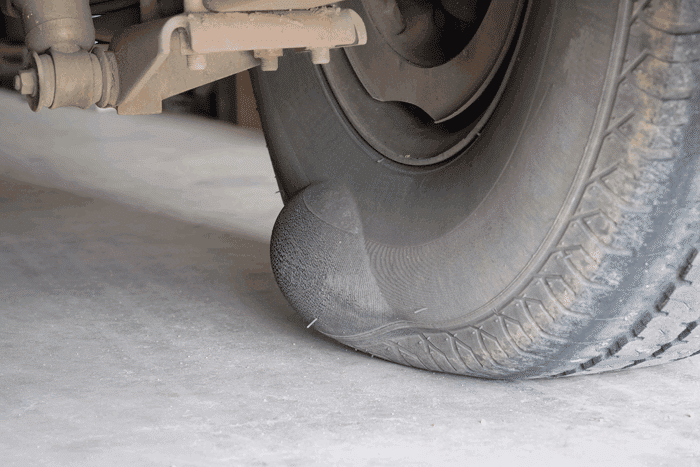
A tire bulge is a visible bump or bubble on the tire’s sidewall. It usually looks like a soft, raised area, sometimes as small as a grape or as large as a golf ball. This bulge is not just a cosmetic problem. It means there is a serious issue with the tire’s structure. When you see a bulge, it means the inner layers of the tire, especially the cords or plies, have been damaged or broken. Air pressure pushes outwards at the weak spot, creating the bubble.
Bulges can happen to any tire, no matter the brand or age, although they are more common in older or poorly maintained tires. This problem can quickly become dangerous, leading to a tire blowout—a sudden loss of air that can cause you to lose control of your car.
Main Causes Of Tire Bulges
Let’s look at the most common reasons why bulges appear in tires.
1. Impact Damage
The number one cause of tire bulges is impact damage. When a tire hits a hard object—like a pothole, curb, or debris—at speed, the internal structure can break. Even if you don’t see immediate damage, the force can split the cords inside the tire wall. Over time, air pushes through the weak spot, creating a bulge.
Examples Of Impact Damage:
- Driving over a deep pothole
- Hitting a curb while parking
- Running into road debris, like a brick or large stone
The damage might not be visible right away, but a bulge can appear hours or even days later.
2. Manufacturing Defects
Sometimes, a factory defect can cause a bulge. If the tire wasn’t made correctly, the layers might not bond together well. A weak spot forms, and the normal air pressure inside the tire can push out, causing a bubble to appear.
While rare, this does happen—especially with low-quality or counterfeit tires. Most reputable brands test their tires carefully, but no manufacturing process is perfect.
3. Overloading The Vehicle
Every tire has a maximum load rating. If you carry more weight than the tire is designed to handle, it puts extra stress on the tire structure. The sidewalls can become overstressed, making them more likely to develop bulges or even burst.
Real Example:
If your sedan is rated to carry 1,000 lbs of cargo but you load it with 1,500 lbs for a move, you’re putting your tires at risk—even if they look fine.
4. Underinflation
Driving on underinflated tires is riskier than many people realize. Low air pressure makes the tire flex more, especially at the sidewalls. This extra flexing generates heat and weakens the internal cords. Over time, the cords may break, and a bulge can form.
Underinflated tires also wear out faster, lower your gas mileage, and make your car harder to control.
5. Hitting Objects At High Speed
Speed multiplies the impact force. Hitting a pothole or curb at 60 mph is much more damaging than at 20 mph. High-speed impacts can snap the cords inside a tire instantly, making a bulge appear soon after.
6. Age And Deterioration
Tires don’t last forever. As they age, the rubber and internal materials become less flexible and more brittle. UV light, heat, and ozone all speed up this process. Old tires are more likely to develop bulges, even if you drive carefully.
7. Improper Mounting Or Repair
A tire that is not mounted correctly on the rim can get pinched or stretched, creating a weak spot. Also, using poor-quality patches or plugs to fix a puncture (especially on the sidewall) can make the area more likely to bulge.
8. Driving With Flat Or Run-flat Tires
If you drive on a tire that’s completely flat, even for a short distance, you risk breaking the internal structure. Some run-flat tires are designed to keep going for a few miles without air, but even these have limits. Pushing them too far can lead to sidewall bulges.
Credit: www.autoscopecarcare.com
How To Spot A Tire Bulge
Bulges are usually easy to see, but sometimes they hide on the inner sidewall (the side facing the car). Here’s how to check:
- Inspect your tires visually every month.
- Look for any raised, soft spots on the sidewall.
- Run your hand gently along the sidewall to feel for bubbles.
- Turn your front wheels fully to one side to check the inside of the tires.
If you see a bulge, do not drive on that tire. Replace it immediately.
Why Tire Bulges Are Dangerous
A tire bulge is a ticking time bomb. The damaged area is much weaker than the rest of the tire. Even if the bulge seems small, it can blow out at any moment, especially at high speed or on a hot day.
According to the National Highway Traffic Safety Administration (NHTSA), tire-related crashes cause about 11,000 accidents and 600 deaths each year in the US. Many are due to blowouts from hidden tire damage, including bulges.
Below is a comparison of how different tire defects affect safety:
| Defect Type | Visible Sign | Risk Level | Immediate Action Needed? |
|---|---|---|---|
| Bulge | Bubble on sidewall | Very High | Yes |
| Puncture | Nail or cut | Moderate | If losing air |
| Tread Separation | Tread peeling away | Very High | Yes |
| Cracking | Small lines in rubber | Low to Moderate | Monitor closely |
Practical Tips To Prevent Tire Bulges
Most bulges can be avoided with good habits and regular maintenance. Here’s what you can do:
- Check tire pressure monthly, including the spare. Use a reliable gauge.
- Avoid hitting potholes and curbs. Slow down if you can’t avoid them.
- Don’t overload your vehicle. Check your car’s load rating.
- Replace old or worn tires. Don’t wait for visible cracks or damage.
- Inspect tires for bulges or other defects regularly.
- Have tires mounted and repaired by professionals only.
- Drive carefully on rough roads or in construction zones.
A little care goes a long way. For example, keeping your tires inflated to the correct pressure can prevent not only bulges but also many other types of damage.
When To Replace A Tire With A Bulge
A tire bulge is not repairable. Once the internal structure is damaged, the risk of blowout is too high. Here’s a table showing when to replace a tire for different defects:
| Defect | Can It Be Repaired? | Replacement Needed? |
|---|---|---|
| Bulge | No | Yes, immediately |
| Puncture (tread area) | Sometimes | Only if unrepairable |
| Sidewall cut | No | Yes |
| Uneven wear | No | Yes |

Credit: rosava.com
Non-obvious Insights Drivers Often Miss
Many drivers think only potholes cause bulges, but curb strikes at low speeds can also cause hidden damage. Another overlooked risk is overloading during vacations or moves—even short trips with a heavy load can weaken your tires.
Also, some bulges may develop weeks after the initial impact. If you remember hitting a pothole, keep an eye on your tires for at least a month afterward.
Lastly, always check the inside sidewall of your tires, especially if you notice vibrations or strange noises while driving. Bulges can develop in places that are hard to see without turning your wheels fully.
Can You Drive With A Tire Bulge?
It’s not safe to drive with a tire bulge, not even for a short trip. The risk of a blowout is high, especially at highway speeds or in hot weather. If you must move the car, do so slowly and only to get to a safe place or a repair shop.
Replace the tire as soon as possible.
How Tire Bulges Compare With Other Tire Problems
Understanding how bulges compare to other common tire issues can help you make informed decisions about maintenance and safety.
| Problem | Immediate Danger? | Repairable? | Common Cause |
|---|---|---|---|
| Bulge | Yes | No | Impact, overload |
| Slow leak | No | Usually | Puncture, valve issue |
| Tread wear | No | No | Old age, misalignment |
| Cracking | Sometimes | No | UV exposure, aging |
How To Respond If You Find A Bulge
- Do not drive on the tire—replace it immediately.
- If you’re on the road, stop in a safe place and change to your spare.
- Have a professional check all your other tires for hidden damage.
- If you hit a pothole or curb, inspect your tires right away—even if you don’t see a bulge at first.

Credit: www.reddit.com
Real-world Example
A driver in Chicago hit a large pothole while driving to work. Two days later, he noticed a small bubble on the sidewall of his front tire. He ignored it and continued driving. On the highway, the tire burst suddenly, causing a minor accident. This story is a reminder: even small bulges can have big consequences.
Where To Learn More
For more in-depth information about tire safety and common defects, you can visit the Wikipedia page on tires.
Frequently Asked Questions
What Should I Do If I Find A Bulge On My Tire?
Stop driving as soon as possible and replace the tire. Do not try to repair a bulge or continue driving, as the risk of a blowout is high.
Are Tire Bulges Covered By Warranty?
Some tire warranties cover manufacturing defects, but not damage from road hazards. Check your tire warranty details or ask your tire dealer.
Can A Tire Bulge Be Repaired?
No, a bulge means the inner structure is damaged. Repairing it is not safe. The only solution is to replace the tire.
How Long Can I Drive With A Tire Bulge?
You should not drive at all with a tire bulge. Even a short trip could end with a dangerous blowout.
What Causes A Bulge To Suddenly Appear After Hitting A Pothole?
The impact can break the internal cords, creating a weak spot. Air pressure pushes outward, and a bulge may show up hours or days later.
Taking care of your tires is not just about saving money—it’s about keeping yourself and others safe on the road. By understanding what causes bulges and how to prevent them, you can drive with more confidence and avoid dangerous surprises.