Have you ever noticed your tires wearing out unevenly and wondered why? The way your tires point—either toe in or toe out—can make a big difference in how quickly they wear down.
Understanding toe in vs toe out tire wear isn’t just for mechanics; it’s something you need to know to save money and keep your ride smooth. You’ll discover how these alignment settings affect your tires, what signs to watch for, and how fixing them can improve your car’s performance.
Keep reading, because your tires—and your wallet—will thank you.
Toe In And Toe Out Basics
Tire wear depends a lot on how your wheels are aligned. Two key terms in wheel alignment are toe in and toe out. These terms describe how your tires point relative to the car’s centerline. Understanding toe in and toe out helps you keep your tires wearing evenly. It also improves your car’s handling and safety.
What Is Toe In?
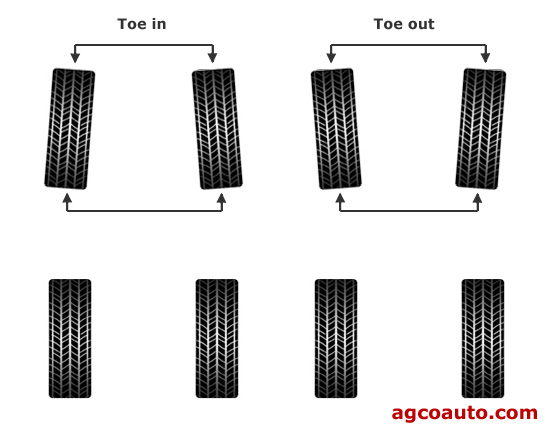
Toe in means the front edges of the tires point towards each other. The tires are closer at the front than at the back. This setup makes the car more stable in a straight line. It helps reduce tire wear on the outer edges. Toe in is common on the front wheels of many cars.
What Is Toe Out?
Toe out is the opposite of toe in. Here, the front edges of the tires point away from each other. The tires are farther apart at the front than at the back. Toe out improves steering response and cornering. It may cause more wear on the inner edges of the tires.
How Toe Angles Affect Tire Contact
Toe angles change how tires touch the road. Toe in pushes the tires to roll slightly outward. This spreads the tire’s contact patch evenly. Toe out makes the tires roll inward. It can cause uneven tire wear. Proper toe angles keep tires gripping the road well. They also make tires last longer.
Causes Of Toe Misalignment
Toe misalignment happens when your tires do not point straight ahead. This causes uneven tire wear and affects vehicle handling. Several factors lead to toe misalignment, affecting your car’s safety and tire life.
Suspension Wear And Damage
Parts of the suspension wear out over time. Worn bushings and ball joints cause the wheels to shift position. Damaged suspension components make the toe angle change unexpectedly. This results in uneven tire wear and poor driving control.
Impact From Road Hazards
Hitting potholes or curbs can bend suspension parts. Even small impacts can alter the toe settings. Road hazards push wheels out of alignment. This leads to toe-in or toe-out conditions that wear tires quickly.
Manufacturing And Installation Errors
New tires or wheels may be installed incorrectly. Factory errors in car assembly can cause initial misalignment. Improper alignment adjustments also cause toe issues. Such mistakes affect tire wear and vehicle stability right away.
Effects On Tire Wear
Tire wear changes a lot with different wheel alignments. Toe settings affect how the tires touch the road. This contact affects how the tire tread wears down over time. Understanding these effects helps you save money and drive safer. Below, we explore the tire wear patterns caused by toe in and toe out settings.
Patterns Of Wear With Toe In
Toe in means the front of the tires point slightly inward. This causes the outer edges of the tires to rub more on the road. As a result, the outside edges wear faster. The center of the tire tread stays thicker. This uneven wear can reduce tire life and affect grip on the road.
Patterns Of Wear With Toe Out
Toe out means the front of the tires point slightly outward. This causes the inner edges of the tires to wear faster. The inside tread loses rubber more quickly than the rest. This wear pattern can lead to poor handling and increased tire replacement costs.
Comparing Toe In And Toe Out Wear
Toe in wears the outer edges of tires faster. Toe out wears the inner edges faster. Both cause uneven wear and reduce tire life. Uneven wear may lead to vibrations and steering problems. Checking toe alignment regularly helps keep tires wearing evenly. Even tire wear improves safety and saves money.
Impact On Vehicle Handling
Toe settings affect how your vehicle handles on the road. The way tires point inward or outward changes steering and stability. These changes impact comfort, control, and tire wear. Understanding these effects helps drivers maintain safer and smoother rides.
Steering Response With Toe In
Toe in means tires point slightly toward each other. This setup improves straight-line stability. The vehicle feels steady at high speeds. It reduces the tendency to wander or drift.
Turning response becomes slower and less sharp. The steering may feel heavier or less precise. This can make tight cornering harder. Toe in helps keep the car steady on highways.
Steering Response With Toe Out
Toe out means tires point slightly away from each other. This improves the initial steering response. The car turns quicker and feels more agile. Drivers notice sharper and more direct handling.
At high speeds, toe out may cause instability. The vehicle can feel twitchy or nervous. It also increases tire wear on the inner edges. Toe out suits slow, tight turns better than fast driving.
Safety Considerations
Incorrect toe settings reduce vehicle control. Toe in too much causes sluggish steering. Toe out too much causes oversteer and instability.
Both conditions increase tire wear and reduce grip. Worn tires lower braking performance and increase accident risk. Proper alignment ensures safe, predictable handling and even tire wear.
Detecting Toe Issues Early
Detecting toe issues early can save money and improve safety. Toe problems affect how your tires touch the road. Small problems can cause big tire damage over time. Catching these signs early helps you fix the issue before it worsens. This keeps your car steady and tires lasting longer.
Signs Of Uneven Tire Wear
Uneven tire wear is the first sign of toe problems. Look for wear on the inner or outer edges of the tires. Toe-in usually wears the outer edges more. Toe-out causes wear on the inner edges. Tires may also look scalloped or rough in spots. Check tires often for these patterns.
Steering And Alignment Symptoms
Steering may feel off if toe is wrong. The car might pull to one side without turning the wheel. The steering wheel can shake or feel loose. Sometimes the car wanders on the road. These symptoms mean the wheels are not aligned properly.
Using Alignment Tools And Services
Alignment tools help find toe issues precisely. Professional mechanics use special machines to measure toe angles. These tools show if the tires point inward or outward too much. Many shops offer quick alignment checks. Regular alignment services keep your tires in good shape.
Credit: www.agcoauto.com
Correcting Toe Alignment
Correcting toe alignment is key to even tire wear and vehicle safety. Proper toe settings prevent uneven tire wear patterns. They also improve handling and fuel efficiency. Misalignment can cause tires to wear quickly and unevenly.
Adjusting toe alignment requires precision. Small changes can make a big difference. Understanding the right approach helps keep tires in good condition and extends their life.
Professional Alignment Procedures
Experts use special machines to check toe angles. These machines measure the angle of each tire precisely. They adjust the tie rods to set the correct toe. The process ensures tires point straight or at the correct angle. Professionals also check camber and caster angles. This full alignment helps improve steering and tire wear.
Diy Toe Adjustment Tips
Simple tools can help adjust toe at home. Measure the distance between the front and back of tires. Use a tape measure and mark tires for accuracy. Adjust the tie rods slowly and equally on both sides. Small turns make a big impact. Test drive after adjustment to feel handling changes. Repeat measurements to ensure accuracy.
Frequency Of Alignment Checks
Check alignment every 6,000 miles or twice a year. Regular checks catch problems early and avoid tire damage. Inspect after hitting curbs or potholes. Also check if the vehicle pulls to one side. Proper maintenance saves money on tire replacements. Keep alignment in check for a smooth, safe ride.
Maximizing Tire Life
Maximizing tire life is key to saving money and staying safe. Proper care can prevent uneven wear caused by toe in and toe out settings. Small adjustments and habits help tires last longer. This section covers ways to keep tires in top shape.
Maintaining Proper Toe Settings
Toe settings affect how tires meet the road. Incorrect toe causes uneven wear on tire edges. Regular alignment checks keep toe angles correct. Mechanics can adjust settings during service. Proper toe improves handling and tire life.
Regular Tire Rotation And Balancing
Rotating tires moves them to different positions on the car. This evens out wear across all tires. Balancing tires prevents vibrations and uneven wear. Schedule rotation every 5,000 to 7,000 miles. Balanced tires reduce stress on suspension and tires.
Driving Habits To Reduce Wear
Gentle driving extends tire life. Avoid hard braking and sharp turns. Smooth acceleration reduces tire stress. Driving slowly on rough roads helps prevent damage. Good habits lower the risk of uneven tire wear.

Credit: www.youtube.com

Credit: www.researchgate.net
Frequently Asked Questions
What Is Toe In Tire Wear And Its Effects?
Toe in tire wear occurs when tires point slightly inward. It causes increased wear on the outer edges. This misalignment reduces fuel efficiency and affects steering stability. Correct toe adjustment ensures even tire wear and better vehicle handling.
How Does Toe Out Cause Tire Wear?
Toe out means tires point slightly outward. It leads to wear on the inner edges of tires. This misalignment reduces tire life and causes uneven tread wear. Proper toe out settings improve cornering and overall vehicle control.
Can Toe Alignment Affect Tire Lifespan?
Yes, improper toe alignment significantly shortens tire lifespan. Toe in or toe out causes uneven tire wear. Regular alignment checks prevent premature tire damage. Proper toe settings ensure even tread wear and longer tire durability.
How Often Should Toe Alignment Be Checked?
Toe alignment should be checked every 6,000 to 10,000 miles. It’s crucial after hitting potholes or curbs. Regular checks help maintain even tire wear and vehicle safety. Scheduling routine wheel alignments prolongs tire life and improves driving comfort.
Conclusion
Toe in and toe out affect tire wear in different ways. Toe in causes wear on the outer edges of tires. Toe out leads to wear on the inner edges. Both conditions reduce tire life and affect car handling. Regular alignment checks help keep tires in good shape.
Proper toe settings improve safety and save money. Paying attention to tire wear signs prevents bigger problems. Keep your tires balanced for a smooth, safe drive. Small fixes today avoid costly repairs tomorrow.