Are you curious about the Mazda 3 and whether it comes with front-wheel drive? If you’re thinking about buying this popular car or just want to know how it handles on the road, understanding its drivetrain is key.
Knowing if the Mazda 3 is front-wheel drive can help you decide if it fits your driving style and needs. Keep reading to get the clear answers you’re looking for and discover how this detail can impact your daily drive.
Mazda 3 Drive Options
The Mazda 3 offers different drive options to suit various needs. Choosing the right drive type affects handling and performance. It is important to know what each option means.
This helps you decide if the Mazda 3 fits your daily drive or weekend trips.
Front Wheel Drive Explained
Front wheel drive (FWD) means the engine powers the front wheels. This setup is common in small cars like the Mazda 3. FWD offers good fuel efficiency and simple mechanics. It also provides better traction on dry roads. FWD is usually cheaper to maintain. The Mazda 3 with FWD delivers smooth driving in city and highway traffic.
All Wheel Drive Availability
Mazda 3 also offers all wheel drive (AWD) in some models. AWD sends power to all four wheels. This improves grip on slippery or rough roads. AWD is helpful in rain, snow, and light off-road conditions. It adds weight and may reduce fuel efficiency slightly. AWD makes the Mazda 3 more stable during turns and quick maneuvers. It is a good choice for drivers in areas with varied weather.

Credit: www.biggersmazda.com
Benefits Of Front Wheel Drive
Front wheel drive (FWD) offers several advantages that make it popular in many cars, including the Mazda 3. It places the engine and drive wheels at the front, which impacts how the car performs and handles. Many drivers find FWD vehicles easier to manage, especially in everyday driving situations.
FWD also affects fuel use, control on roads, and even the cost of the vehicle. These benefits help explain why Mazda 3 uses front wheel drive in its design.
Fuel Efficiency
Front wheel drive cars often use less fuel. The engine and wheels are close together, reducing weight. Less weight means the engine works harder, saving fuel. This design improves mileage and lowers fuel costs. Drivers can enjoy longer trips without frequent stops for gas.
Handling In Different Conditions
Front wheel drive helps with control on wet or slippery roads. The weight on the front wheels increases grip, reducing wheel spin. This makes it easier to steer during rain or snow. FWD cars tend to understeer, which is safer for most drivers. This makes the Mazda 3 a reliable choice in many weather conditions.
Cost Considerations
Cars with front wheel drive usually cost less to build. The design is simpler and uses fewer parts than all-wheel or rear-wheel drive systems. Repair and maintenance are also often cheaper. This helps keep the overall cost of the Mazda 3 lower. It provides a good balance of performance and value.
Performance Of Mazda 3 Fwd Models
The performance of Mazda 3 Front Wheel Drive (FWD) models offers a balanced mix of power and control. These models focus on efficiency and smooth handling, making them suitable for daily driving and city roads. The FWD system helps keep the car light and responsive, which improves fuel economy and reduces maintenance costs.
Engine And Transmission
Mazda 3 FWD models come with a range of engines. The base engine is a 2.0-liter four-cylinder. It produces enough power for normal driving tasks. There is also a more powerful 2.5-liter engine option. Both engines work with either a six-speed manual or automatic transmission. The automatic transmission is smooth and shifts quickly, which helps in stop-and-go traffic.
Driving Experience
The FWD setup offers good traction on dry and wet roads. It provides stable handling without too much understeer. The steering feels sharp and responsive. The suspension is tuned for comfort, so the ride is smooth over bumps. The car feels light and agile, making it easy to maneuver in tight spaces.
Comparison With Awd Models
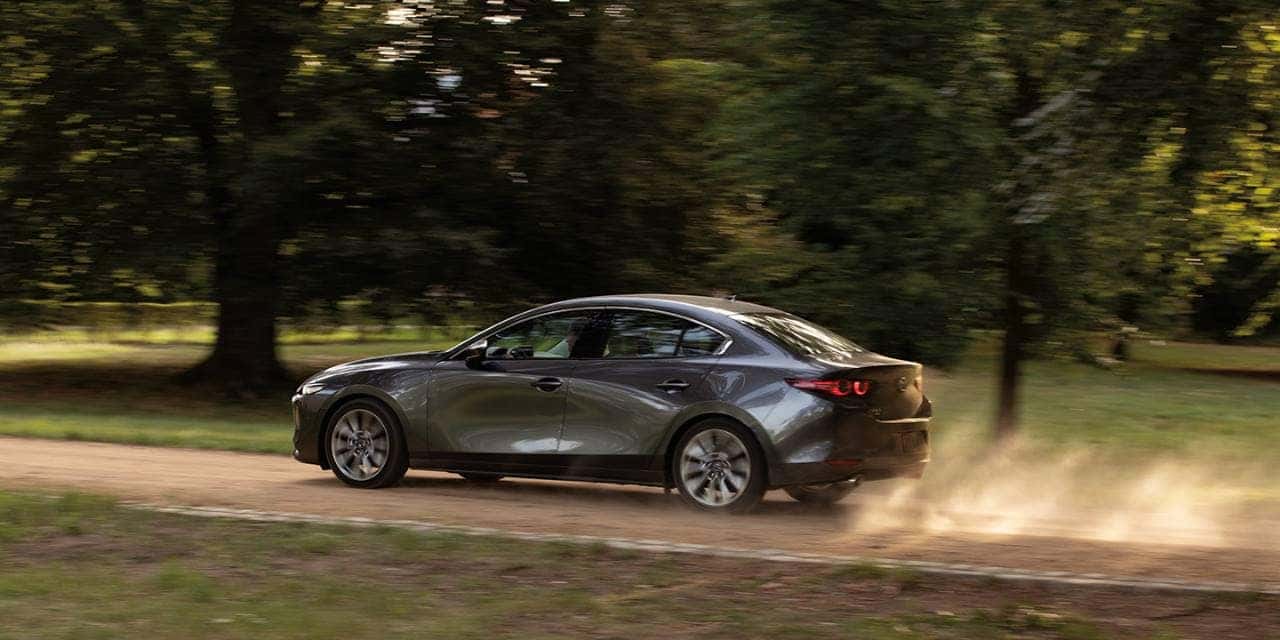
FWD models are lighter than all-wheel drive (AWD) versions. This means better fuel efficiency and lower costs. AWD models offer improved traction on slippery roads. They handle better in snow or rain. However, AWD adds weight and slightly reduces fuel economy. FWD suits drivers in mild climates and city areas. AWD is better for rough weather and off-road conditions.
Credit: www.mazdaofcolumbia.com
Which Mazda 3 Trim Offers Fwd?
The Mazda 3 offers several trims with front-wheel drive (FWD) as standard. This choice suits drivers who want efficient performance and easy handling. FWD models often have better fuel economy and lower maintenance costs. Understanding which trims come with FWD helps buyers make smart decisions.
Base Models
The base Mazda 3 trims come with front-wheel drive. These versions focus on affordability and essential features. They include the Mazda 3 Sedan and Hatchback with a standard 2.0-liter engine. FWD in base models ensures smooth driving in city conditions and light weather.
Sport And Touring Variants
Sport and Touring trims also offer front-wheel drive options. These trims add more comfort and technology features. The 2.5-liter engine is common here, paired with FWD for balanced power and control. Many drivers prefer these trims for daily use and longer trips.
Special Editions
Special edition Mazda 3 trims may come with FWD or all-wheel drive. It depends on the specific package or year. These editions often have unique styling and extra features. Buyers should check details carefully to confirm the drive type available.
Maintenance Tips For Fwd Mazda 3
Maintaining a Front Wheel Drive (FWD) Mazda 3 keeps it running smoothly and safely. Regular care helps avoid costly repairs. Understanding key maintenance areas ensures your car performs well on all roads.
Focus on tire health, transmission upkeep, and spotting common issues. These steps protect your vehicle and improve driving comfort. Small efforts lead to long-lasting benefits for your Mazda 3.
Tire Care
Tires are crucial for a FWD Mazda 3’s grip and handling. Check tire pressure monthly. Proper pressure improves fuel efficiency and tire life. Rotate tires every 5,000 to 7,000 miles to ensure even wear. Inspect tires for cracks or uneven tread. Replace tires before the tread gets too low.
Transmission Maintenance
Transmission keeps your Mazda 3 moving smoothly. Check transmission fluid regularly. Clean fluid prevents overheating and damage. Change fluid as recommended in the owner’s manual. Listen for unusual noises or slipping gears. Early detection of problems saves costly repairs later.
Common Issues
FWD Mazda 3 may face specific issues over time. Front tires wear faster due to drive force. Watch for vibrations or pulling to one side. CV joints can wear and cause clicking noises. Regular inspections catch these problems early. Fixing small issues avoids bigger troubles on the road.

Credit: www.caranddriver.com
Is Front Wheel Drive Right For You?
Choosing the right drive type for your car affects your daily experience. Front wheel drive (FWD) offers benefits and some limits. It suits many drivers but not all. Understanding your needs helps decide if FWD is the best choice for you.
City Driving
Front wheel drive cars handle well in city traffic. They provide good traction on smooth roads. FWD vehicles tend to be easier to park and maneuver. Their lighter weight helps with quick stops. This makes FWD practical for daily city use.
Climate Considerations
FWD works well in wet and mild snowy conditions. The engine’s weight over the front wheels improves grip. However, heavy snow or ice may challenge FWD vehicles. Roads with frequent ice may need all-wheel or four-wheel drive. Think about your local weather before choosing.
Budget Factors
FWD cars usually cost less to buy and maintain. They have fewer parts than all-wheel drive systems. This means lower repair costs and better fuel efficiency. For budget-conscious buyers, FWD offers good value without many compromises.
Frequently Asked Questions
Is Mazda 3 A Front-wheel Drive Car?
Yes, the Mazda 3 primarily comes with front-wheel drive. Most models use FWD for better fuel efficiency and handling in everyday driving.
Does Mazda 3 Offer All-wheel Drive Options?
Some newer Mazda 3 models offer all-wheel drive. AWD is available in select trims, improving traction and performance in adverse conditions.
What Are Benefits Of Front-wheel Drive In Mazda 3?
Front-wheel drive provides better fuel economy and lower production costs. It also offers easier handling and improved traction on slippery roads.
How Does Mazda 3 Front-wheel Drive Affect Performance?
Front-wheel drive gives Mazda 3 stable handling and predictable cornering. It suits city and highway driving but may limit sporty driving dynamics.
Conclusion
The Mazda 3 mainly uses front-wheel drive for better control and fuel efficiency. This setup suits city and highway driving well. Some models offer all-wheel drive for extra grip in tough weather. Choosing front-wheel drive means easier handling and lower costs.
It fits most drivers’ needs without complexity. Overall, Mazda 3’s drive system balances performance and practicality. It stays reliable and straightforward for everyday use. A smart choice for those wanting a simple, effective car.