If you drive in winter, you know icy roads can be dangerous. Snow and ice make tires slip, and stopping can take much longer. Regular tires struggle to grip the road when conditions get bad. This is where studdable snow tires come in. They are designed to handle ice, slush, and deep snow, giving you extra traction and confidence. But what exactly are studdable snow tires? How do they work, and are they right for you? Let’s break it down in simple terms so you can make the best choice for your winter driving.
What Is A Studdable Snow Tire?
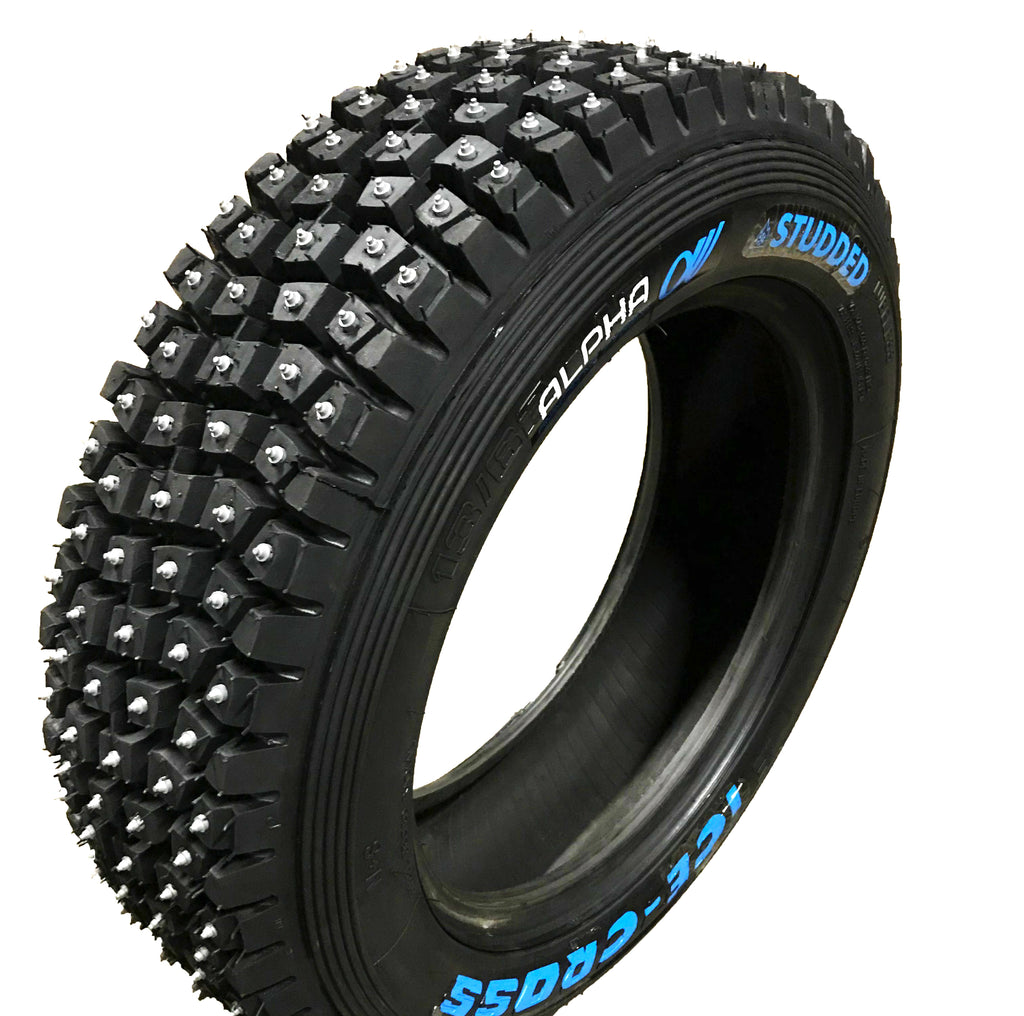
A studdable snow tire is a special type of winter tire made to accept metal studs. These small, hard pieces are inserted into holes in the tire’s tread. When installed, the studs poke out slightly, helping the tire grip icy roads. The tire itself has a softer rubber compound and deep tread patterns, so even without studs, it works better than summer or all-season tires in cold conditions.
The main difference between studdable and regular snow tires is the option to add studs. You can use them as normal winter tires, or have a professional install the studs for extra traction. Some regions allow studded tires only during certain months because they can damage pavement.
How Studdable Snow Tires Work
Studdable snow tires use a combination of rubber compound, tread design, and metal studs to improve winter grip. Here’s how each part helps:
- Rubber compound: The rubber stays flexible at low temperatures. This helps the tire stick to cold surfaces instead of becoming hard and slippery.
- Tread design: Deep grooves and sharp edges bite into snow and slush. Many studdable tires have zig-zag patterns for extra grip.
- Metal studs: When installed, the studs act like tiny spikes. They dig into ice, preventing slips and skids.
Without studs, these tires are still better than regular tires in winter. But with studs, they are ideal for icy roads where even snow tires can struggle.

Credit: www.walmart.com
Main Features Of Studdable Snow Tires
Let’s look at what makes studdable snow tires unique:
- Stud pockets: Small holes in the tread allow for easy stud installation.
- Flexible rubber: Stays soft in cold, improving grip.
- Aggressive tread: Deep, sharp patterns push away snow and slush.
- Optional studs: You can choose to use the tire with or without studs.
- Sidewall markings: Most have a mountain and snowflake symbol, showing they meet winter safety standards.
Pros And Cons Of Studdable Snow Tires
Understanding the advantages and disadvantages will help you decide if they’re right for your needs.
| Pros | Cons |
|---|---|
| Best grip on ice | Can be noisy |
| Good traction in deep snow | May damage roads |
| Flexible: can use with or without studs | Not allowed in all areas |
| Safer braking and turning in winter | Less effective on dry pavement |
One insight many drivers miss: studdable tires work well even without studs. If you drive in mixed conditions (sometimes icy, sometimes just cold), you can leave the studs out. This avoids extra noise and road wear.
Credit: www.alpha-racingtyres.com
Studdable Vs Studless Snow Tires
Studless snow tires are also made for winter, but they use advanced rubber and tread technology instead of metal studs. Which is better? It depends on where you drive.
| Type | Best For | Limitations |
|---|---|---|
| Studdable | Icy roads, freezing rain, deep snow | May be noisy, can damage roads |
| Studless | Cold, snowy roads (not icy), urban driving | Less grip on pure ice |
A common mistake: some drivers think studless tires are useless on ice. That’s not true—they do perform better than all-season tires, but studs give you an extra edge on extreme ice.
When Should You Use Studdable Snow Tires?
Studdable snow tires are best for:
- Areas with frequent ice storms
- Rural roads that aren’t salted
- Mountain regions with steep slopes
- Places where winter lasts many months
If your roads are mostly dry or wet, or if your city bans studded tires, studless snow tires may be a better choice. Always check local laws—some states or provinces limit the use of metal studs.
Installing And Removing Studs
Studs are not installed at the factory. You must take your tires to a shop or use a special tool. The process is simple but should be done carefully:
- Buy the right studs: Most tires have a recommended stud type and size.
- Insert studs: Use a tool to press each stud into the pocket. It must sit flush with the tread.
- Check for even placement: Improperly installed studs can cause uneven wear.
- Remove studs: Some tires allow removal, but it’s not always easy. The rubber may be damaged.
Important tip: install studs only on new tires. Trying to add studs after the tire has been used may cause them to fall out or sit incorrectly.
Studdable Snow Tire Maintenance
To get the best performance, you need to care for your tires properly:
- Rotate tires every 5,000 to 7,000 miles to prevent uneven wear.
- Check air pressure often—cold air causes pressure to drop.
- Inspect studs for damage or missing pieces.
- Remove tires in spring to avoid extra wear and road damage.
Most studdable tires last 3–5 winters, depending on driving habits. If you drive on dry pavement often, the studs may wear out faster.
Cost And Value
Studdable snow tires usually cost more than regular winter tires, especially if you buy the studs separately. The average price for a studdable tire ranges from $70 to $150, and studs may add another $20–$30 per tire.
You might wonder: is it worth the price? If you drive in harsh winter conditions, the safety and peace of mind are hard to beat. For milder climates, studless tires are often enough.
Popular Studdable Snow Tire Brands
Several brands make high-quality studdable snow tires. Here are some trusted names:
- Nokian: Known for advanced winter technology.
- Bridgestone: Offers durable and reliable models.
- Goodyear: Widely available, strong performance.
- Michelin: Focuses on grip and comfort.
- Continental: Good for mixed winter conditions.
These brands offer different tread designs and sizes. Always check your vehicle’s manual for tire requirements before buying.
Real-world Performance Data
Let’s look at how studdable snow tires compare to other types in real tests.
| Tire Type | Stopping Distance on Ice (25 mph) | Noise Level (dB) |
|---|---|---|
| Studdable (with studs) | 45 feet | 75 |
| Studless | 60 feet | 68 |
| All-Season | 95 feet | 64 |
The data shows studded tires stop much faster on ice. However, the noise level is higher, which can be annoying on dry roads.
Environmental Impact
Metal studs can wear down road surfaces, leading to dust and potholes. Some cities ban studded tires to protect roads. Newer designs use lighter or rubber-coated studs, which reduce damage, but the effect is still there.
If you care about the environment, consider studless tires unless you face extreme ice often.
Common Mistakes Beginners Make
Two mistakes are easy to avoid:
- Using studs on mostly dry roads: This wears them out faster and damages pavement.
- Mixing tire types: Never use studded tires on just one axle. Always install them on all four wheels for balanced traction and safe handling.
Another tip: Don’t wait until winter starts to buy or install your tires. They often sell out early, and prices can go up.
Laws And Regulations
In the US and Canada, studded tire rules vary widely:
- Some states allow them only from October to April.
- Others ban them completely, except in rural areas.
- Fines can be high if you break the rules.
Always check your local laws before buying or installing studs. You can find up-to-date regulations at Tire Safety.
Alternatives To Studdable Snow Tires
If studded tires aren’t allowed or needed, here are other options:
- Studless snow tires: Advanced rubber and tread for cold and snow.
- All-weather tires: Good for mild winter, but less grip on ice.
- Chains or cables: Temporary solution for deep snow or ice, but slow to install.
Each has its own strengths. For most drivers, studless snow tires are enough unless you face frequent ice.
Choosing The Right Studdable Snow Tire
When shopping for studdable snow tires, focus on these factors:
- Tread depth and pattern: Deeper, sharper patterns are better for snow.
- Rubber quality: Softer, high-quality rubber stays flexible in cold.
- Stud compatibility: Make sure the tire fits the right studs.
- Size: Match your vehicle’s recommended size.
- Brand reputation: Choose trusted brands with good reviews.
Avoid the mistake of buying the cheapest tire. Quality matters for safety and performance.

Credit: www.liveabout.com
Frequently Asked Questions
What Is The Main Purpose Of Studdable Snow Tires?
The main purpose is to provide extra grip and safer braking on icy roads. The metal studs dig into the ice, helping prevent slips and skids.
Can I Use Studdable Snow Tires Without Installing Studs?
Yes, you can use them without studs. They perform well in snow and cold, but for best traction on ice, install the studs.
How Long Do Studs Last In Studdable Snow Tires?
Studs usually last 3–5 seasons if used correctly. Driving on dry roads wears them out faster, so remove them when winter ends.
Are Studdable Snow Tires Legal Everywhere?
No, laws vary by state and country. Some places limit their use to certain months, while others ban them to protect roads.
What’s The Difference Between Studdable And Studless Snow Tires?
Studdable tires let you add metal studs for extra ice grip. Studless tires use advanced rubber and tread designs to improve traction without studs.
Driving in winter can be stressful, but choosing the right tire makes a big difference. Studdable snow tires offer flexibility and extra safety when roads get icy. They are not for everyone, but for harsh climates, they are a smart investment.
Take time to check your local laws, compare brands, and consider your driving needs. With the right tires, winter won’t stop you from getting where you need to go.