When winter roads get icy and dangerous, choosing the right tires can make all the difference for your safety and peace of mind. You might be wondering: should you go with Blizzak tires or studded tires?
Both promise better grip and control, but which one truly fits your driving style and needs? You’ll discover the key differences, benefits, and drawbacks of each option. By the end, you’ll feel confident making the best choice to keep you safe on slippery roads.
Keep reading—your next winter drive depends on it.
Blizzak Tires Features
Blizzak tires are well-known for their strong features that help drivers in winter. They focus on safety and grip in cold weather. These tires have special designs and materials. They work hard to keep your car steady on snow and ice.
Below, we explore the key features of Blizzak tires. These features explain why many drivers trust them in winter conditions.
Tread Design
Blizzak tires have deep, wide grooves. These grooves help move snow and water away from the tire. Small sipes create extra edges for better grip. The tread blocks are designed to stay flexible in cold temperatures. This design improves control and stops slipping on snow-covered roads.
Rubber Compound
The rubber used in Blizzak tires is soft and stays flexible in cold weather. This helps the tire keep contact with the road. The compound contains special materials that provide better grip on ice. It also wears evenly to last through many winter seasons.
Performance In Snow
Blizzak tires perform well on snowy roads. Their tread design grips packed snow firmly. They help prevent the car from sliding. This gives drivers more confidence on slippery, snow-covered streets. Braking distances are shorter with Blizzak tires on snow.
Performance In Ice
Blizzak tires offer strong traction on ice. The rubber compound sticks to icy surfaces better than regular tires. Tiny edges in the tread bite into ice, reducing slips. This feature helps maintain control and stops the vehicle safely on icy patches.
Studded Tires Features
Studded tires are a popular choice for driving on icy and snowy roads. Their design helps improve grip and control. These tires have special features that make them different from regular tires. Understanding these features helps to see how they work in tough winter conditions.
Each feature plays a key role in making studded tires effective. They focus on safety and performance during winter. Let’s explore the main features of studded tires.
Stud Design
Studs are small metal pins embedded in the tire tread. They dig into ice to provide extra traction. The design and placement of studs affect how well the tire grips the road. Studs are usually made from hard metals like tungsten carbide. This makes them strong and long-lasting. The right stud design helps reduce slipping on icy surfaces.
Rubber Compound
The rubber used in studded tires stays soft in cold weather. This keeps the tire flexible and able to hold on to the road. Special rubber compounds prevent the tire from becoming hard and brittle. Soft rubber helps improve traction on snow and ice. It also helps the tire wear evenly during winter driving.
Performance On Ice
Studded tires excel on icy roads. The metal studs cut through ice to improve grip. This reduces the risk of sliding or losing control. They provide better braking and cornering on frozen surfaces. Studded tires help drivers feel safer on slick ice patches.
Performance On Snow
Studded tires also perform well on snow. The tread pattern works to push snow away from the tire. This prevents buildup and helps the tire stay in contact with the road. Studs add extra grip on hard-packed snow. These tires improve driving stability and control on snowy roads.
Traction Comparison
Traction is the main factor for winter tires. It affects safety and driving comfort. Both Blizzak tires and studded tires offer strong traction. Yet, their strengths vary by surface type. Let’s compare their grip on ice, snow, and wet roads.
Ice Grip
Studded tires have small metal pins. These dig into ice for solid grip. They perform best on hard, icy roads. Blizzak tires use special rubber and tread design. They grip ice well but less than studs. Studs give more confidence on slick ice.
Snow Grip
Blizzak tires excel in fresh and packed snow. Their soft rubber and deep treads hold snow tightly. Studded tires also work in snow but can be less smooth. Blizzak tires provide better control and quieter rides on snowy streets.
Wet Road Handling
Blizzak tires shine on wet roads. Their tread channels water away fast. This reduces slipping and improves braking. Studded tires can struggle on wet pavement. Metal studs may reduce contact with road. Blizzak tires give safer handling in rain and slush.

Credit: www.youtube.com
Road Noise And Comfort
Road noise and comfort are key factors in choosing winter tires. These affect your driving experience daily. No one enjoys loud tires or a rough ride. Understanding how Blizzak tires and studded tires perform helps make a better choice.
Blizzak Tires And Quiet Driving
Blizzak tires are designed with soft rubber and special tread patterns. These features reduce road noise significantly. They provide a smooth and quiet ride on icy roads and snow. The tire’s design absorbs vibrations, making the cabin peaceful. Drivers often notice less noise compared to studded tires.
Studded Tires And Noise Levels
Studded tires have metal studs embedded in the tread. These studs grip icy surfaces well but create more noise on dry roads. The metal hits the pavement, causing a louder, harsher sound. This noise can be distracting and less comfortable for passengers. Studded tires are better for extreme ice, but noisier in most conditions.
Comfort Differences On Various Roads
Blizzak tires offer a softer, more comfortable ride on different surfaces. They handle snowy and wet roads smoothly. Studded tires can feel rougher due to the hard studs. On dry or clear roads, the ride can be bumpy and stiff. Comfort depends on road conditions and tire choice.
Durability And Wear
Durability and wear are key factors when choosing winter tires. Tires must last through harsh conditions and rough roads. Different types of tires handle wear in unique ways. Understanding these differences helps you pick the best option for your needs.
Blizzak Tires Durability
Blizzak tires use special rubber compounds. These compounds stay soft in cold weather. This softness helps maintain grip on icy roads. Blizzak tires also resist cracking and hardening. This extends their lifespan during winter use. They wear evenly, which means longer use before replacement.
Studded Tires Durability
Studded tires have metal studs embedded in the tread. These studs provide extra traction on ice. However, the studs can wear down with use. Roads without ice can cause faster stud and tire wear. Studded tires may also damage road surfaces. This often leads to restrictions on where they can be used.
Wear Patterns Of Blizzak Vs Studded Tires
Blizzak tires wear smoothly over time. Their rubber compound adapts to changing temperatures. This reduces uneven wear and tear. Studded tires wear mainly around the studs. The studs may loosen or fall out after heavy use. This affects tire performance and safety. Choosing the right tire depends on your driving conditions.

Credit: www.youtube.com
Legal And Environmental Factors
Choosing between Blizzak tires and studded tires involves more than just performance. Legal rules and environmental effects play key roles. Understanding these factors helps drivers make safe and responsible choices for winter driving.
Studded Tire Restrictions
Many states and countries limit or ban studded tires. These rules protect road surfaces from damage. Some places allow studded tires only during certain months. Drivers must check local laws before using them. Ignoring restrictions can lead to fines or penalties.
Environmental Impact
Studded tires cause more road wear and dust pollution. This dust can harm air quality and health. Blizzak tires use special rubber to grip ice without studs. They reduce damage to roads and lower pollution. Choosing tires with less environmental impact benefits communities and nature.
Cost And Availability
Choosing the right winter tire depends a lot on cost and availability. These factors influence your buying decision and convenience. Both Blizzak tires and studded tires serve winter needs but differ in price and how easy they are to find.
Cost Of Blizzak Tires
Blizzak tires usually cost more than regular tires. Their advanced rubber compounds and tread designs add to the price. Expect to pay a premium for better grip on ice and snow. The initial cost might seem high but often lasts through several winters.
Cost Of Studded Tires
Studded tires can be cheaper than Blizzak tires. The metal studs add value but the tire itself is simpler. Some states restrict or ban studded tires, which can affect price and availability. Studded tires might wear out roads faster, leading to extra costs in some areas.
Availability Of Blizzak Tires
Blizzak tires are widely available at many tire shops and online. They are a popular choice for winter driving across the country. Availability is steady, even in off-seasons. This makes buying and replacing easier.
Availability Of Studded Tires
Studded tires are harder to find in some regions due to legal limits. They are common in very cold places with heavy ice. Outside these areas, stock can be limited. Seasonal demand also affects how easy it is to buy studded tires.
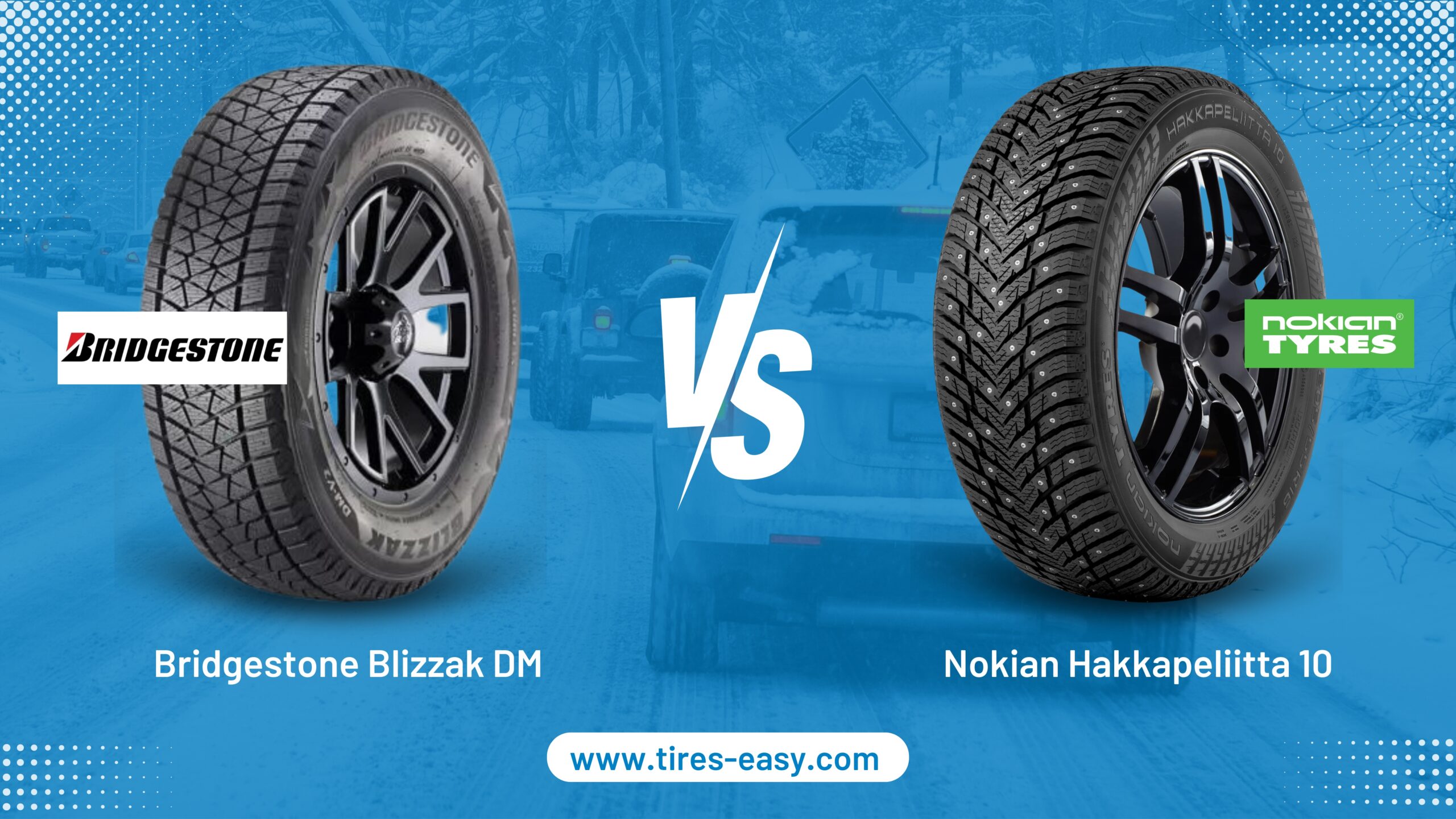
Credit: www.tires-easy.com
Choosing The Right Tire
Choosing the right tire is important for safe winter driving. The choice between Blizzak tires and studded tires depends on several factors. Understanding these can help you make the best decision for your needs.
Each type of tire has strengths that suit different situations. Knowing what matters most to you leads to better performance and safety on the road.
Driving Conditions
Blizzak tires work well on snow and ice. They offer good traction on wet roads too. Studded tires provide extra grip on hard ice and packed snow. They perform best in very icy areas. Think about the roads you drive on often. Are they icy, snowy, or just wet? This helps decide which tire fits your route better.
Vehicle Type
Your vehicle affects tire choice. Blizzak tires fit many cars, trucks, and SUVs. They keep a quiet ride and smooth handling. Studded tires suit vehicles that need strong grip on ice. Large trucks or heavy SUVs may benefit more from studded tires. Check your vehicle’s tire size and weight limits. Choose tires that match these to ensure safety.
Personal Preferences
Think about your driving style and needs. Blizzak tires are quieter and cause less road wear. They suit daily drivers in mixed conditions. Studded tires can be noisy and may damage roads. They are good for drivers in extreme winter climates. Also, consider local laws. Some places restrict or ban studded tires. Your comfort and legal rules shape your tire choice.
Frequently Asked Questions
What Are The Main Differences Between Blizzak And Studded Tires?
Blizzak tires use advanced rubber compounds for traction on ice. Studded tires have metal studs for extra grip on icy roads. Blizzak offers quieter rides, while studs provide superior ice traction but can be noisy and cause road wear.
Are Blizzak Tires Better Than Studded Tires On Dry Roads?
Yes, Blizzak tires perform better on dry and wet roads. They offer good traction without damaging pavement. Studded tires can reduce dry road grip and cause noise, making Blizzak a preferred choice for mixed winter conditions.
Can Studded Tires Damage Roads Compared To Blizzak Tires?
Yes, studded tires can cause significant road surface damage over time. The metal studs scrape asphalt, leading to wear and potholes. Blizzak tires avoid this issue by using specialized rubber compounds without studs, making them more road-friendly.
Which Tires Provide Better Ice Traction: Blizzak Or Studded?
Studded tires generally provide better ice traction due to metal studs. Blizzak tires still offer excellent ice grip using advanced rubber technology but may slightly lag behind studs on pure ice surfaces.
Conclusion
Blizzak tires offer quiet rides and strong grip on snow. Studded tires perform best on icy roads but can be noisy. Both have clear strengths depending on your driving needs. Choose based on road conditions and local rules. Safety and control matter most in winter driving.
Decide what fits your winter trips best. Drive smart and stay safe this season.