Choosing the right tires can make a huge difference in your driving experience. When you’re looking at Bridgestone vs Hankook tires, you might wonder which brand offers better value, safety, and performance for your vehicle.
You want tires that not only last but also keep you safe on the road, no matter the weather. This article will help you understand what sets these two tire giants apart, so you can make a confident decision for your car and your peace of mind.
Keep reading to find out which tires suit your needs best.

Credit: www.youtube.com
Brand Histories
Understanding the histories of Bridgestone and Hankook helps us see their strengths. Both brands have deep roots and rich experiences in tire making. Their pasts shape their products and how they serve customers today.
Bridgestone Origins
Bridgestone started in Japan in 1931. Its founder, Shojiro Ishibashi, named the company after a stone bridge. Bridgestone means “Ishibashi” in English. From the start, the company aimed to make strong, reliable tires. It grew fast, becoming one of the world’s largest tire makers. Bridgestone also invests in new technology to improve tire safety and performance.
Hankook Origins
Hankook began in South Korea in 1941. Its name means “Korea” in Korean. The company began by making tires for local cars and trucks. Over time, Hankook expanded its reach globally. It focuses on innovation and quality to compete with bigger brands. Today, Hankook is known for durable tires at good prices.
Tire Range Comparison
Comparing the tire ranges of Bridgestone and Hankook helps you find the right fit. Both brands offer a variety of tires for different needs. Their options cover daily driving, sport performance, and off-road adventures. Understanding their tire categories makes choosing easier. Let’s explore each brand’s offerings in key tire types.
Passenger Tires
Bridgestone’s passenger tires focus on comfort and fuel efficiency. They offer smooth rides and good grip on wet roads. Hankook also provides reliable passenger tires with quiet tread designs. These tires deliver steady handling and long tread life. Both brands meet basic needs for city and highway driving.
Performance Tires
Bridgestone’s performance tires excel in speed and cornering. They use advanced rubber compounds for better traction. Hankook’s performance range balances control and durability. Their tires improve braking and steering precision. Drivers seeking sporty feel find options from both brands.
All-terrain Options
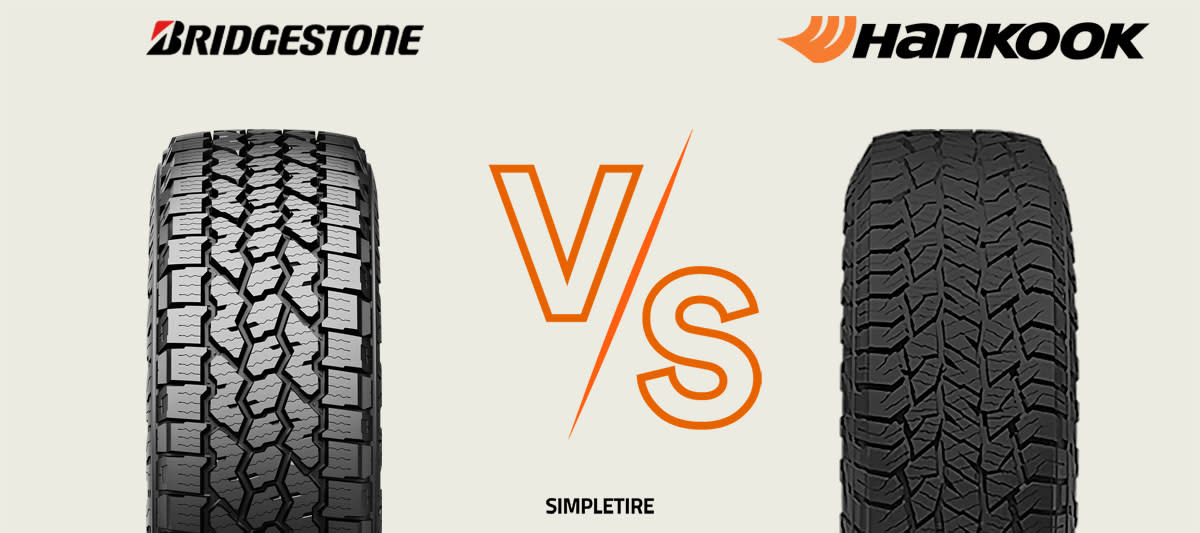
Bridgestone offers all-terrain tires that handle rough surfaces well. Their tread designs resist cuts and chips. Hankook’s all-terrain tires focus on versatility and off-road grip. They perform well on dirt, mud, and gravel. Both brands support drivers who travel on varied terrains.
Performance Metrics
Performance metrics reveal how well tires handle daily driving needs. They show strengths and limits of both Bridgestone and Hankook. These metrics help drivers pick the right tire for their vehicle and road conditions.
Traction And Grip
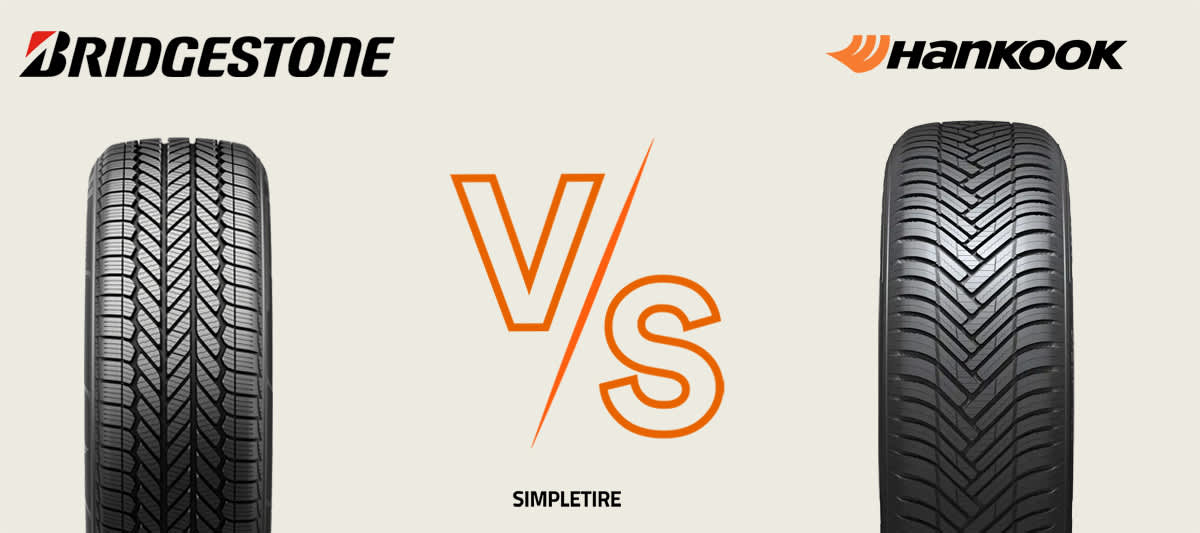
Traction measures a tire’s hold on the road. Bridgestone tires provide strong grip on wet and dry surfaces. They use advanced tread patterns for better control. Hankook tires also offer good traction but focus more on quiet rides. Their tread design helps maintain grip in rain and light snow. Both brands ensure safety but differ in handling feel.
Durability And Wear
Durability shows how long tires last under normal use. Bridgestone tires often last longer due to tough rubber compounds. They resist cracks and wear even on rough roads. Hankook tires wear evenly and maintain performance over time. They balance durability with comfort. Tire life depends on driving style and road type for both brands.
Fuel Efficiency
Fuel efficiency depends on tire rolling resistance. Bridgestone tires reduce resistance to save fuel. Their designs aim to improve mileage without losing safety. Hankook also works on low rolling resistance to cut fuel use. Their tires help lower carbon emissions by saving gas. Choosing the right tire can improve your vehicle’s fuel economy.
Credit: simpletire.com
Technology And Innovation
Technology and innovation drive the quality of tires. They affect safety, comfort, and performance. Both Bridgestone and Hankook invest heavily in new technologies. These advancements help their tires perform better on different roads and in various weather conditions. Let’s explore the technologies each brand uses.
Bridgestone Technologies
Bridgestone uses advanced materials to improve tire strength. Their Run-Flat Technology lets drivers continue driving after a puncture. The company’s Ecopia line focuses on fuel efficiency and low rolling resistance. Bridgestone also uses NanoPro-Tech to make tires more durable and provide better grip. Their innovative tread designs help reduce road noise for a smoother ride.
Hankook Technologies
Hankook focuses on smart tire designs for better safety. Their Ventus S1 evo series offers strong wet and dry traction. Hankook uses a special tread pattern to improve water drainage and reduce hydroplaning. The company also develops tires with high heat resistance to last longer. Hankook’s Dynamic Balance Technology helps deliver a stable and quiet driving experience.
Price And Value
Price and value are key factors for many buyers choosing tires. Both Bridgestone and Hankook offer quality options, but their pricing differs. Understanding cost and support helps decide which brand suits your budget and needs best. Here we break down the main points of price and value.
Cost Analysis
Bridgestone tires usually cost more than Hankook tires. The price difference depends on the tire type and size. Bridgestone focuses on premium technology and performance. Hankook provides more affordable tires with good quality. For drivers on a budget, Hankook offers value without major sacrifices. Bridgestone suits those who want top performance and durability. Both brands offer a range of prices from budget to premium.
Warranty And Support
Bridgestone offers a solid warranty, often covering tread life for up to 60,000 miles. They provide roadside assistance and customer support. Hankook also gives a good warranty, usually about 45,000 miles. Their customer service is helpful and easy to reach. Both brands stand behind their products. Warranty terms may vary by model, so check details before buying. Good support adds value beyond the initial price.
Customer Feedback
Customer feedback helps us understand real experiences with Bridgestone and Hankook tires. It shows what users like and dislike. This feedback guides new buyers to make better choices. Both brands have loyal customers and some critics. Let’s explore what users say about each brand.
User Reviews
Bridgestone tires get praise for lasting long and providing a smooth ride. Many users note good grip on wet roads. Drivers feel safe and confident using them. Hankook tires often receive compliments for affordable prices and decent performance. Users mention good handling and quiet rides. Both brands meet the needs of daily driving well.
Common Complaints
Some Bridgestone users say tires wear out faster than expected in rough conditions. A few report road noise at high speeds. Hankook tires sometimes get criticism for less durability on rough roads. Users also mention that wet traction could improve. Both brands have areas to improve but remain popular choices.
Choosing The Right Tire
Choosing the right tire affects your safety and driving comfort. Both Bridgestone and Hankook offer quality tires. Picking the best tire depends on your needs and preferences. Consider where and how you drive. Also, think about your vehicle type and your budget.
Driving Conditions
Different tires perform well in different weather and road types. Bridgestone tires often excel in wet and snowy conditions. Hankook tires provide good traction on dry roads. Choose tires based on the usual climate where you drive. Rough roads need durable tires. Smooth highways call for tires with better fuel efficiency.
Vehicle Compatibility
Your vehicle type affects the tire choice. Bridgestone offers options for trucks, cars, and SUVs. Hankook also designs tires for a wide range of vehicles. Check your vehicle’s manual for recommended tire sizes. Using the right size improves handling and safety. Both brands provide tires that fit many models well.
Budget Considerations
Price matters in tire selection. Bridgestone tires tend to cost more but last longer. Hankook tires are usually more affordable but still reliable. Balance price with tire performance. Look for deals or warranties to save money. Choose tires that fit your budget without compromising safety.
Credit: simpletire.com
Frequently Asked Questions
Which Tire Brand Offers Better Durability, Bridgestone Or Hankook?
Bridgestone tires generally offer superior durability due to advanced rubber compounds. Hankook provides good durability but slightly less than Bridgestone, making Bridgestone ideal for long-term use.
How Do Bridgestone And Hankook Compare In Wet Road Performance?
Bridgestone tires excel in wet traction with enhanced tread designs. Hankook also performs well but Bridgestone often leads in wet braking and handling.
Are Bridgestone Tires More Expensive Than Hankook Tires?
Yes, Bridgestone tires typically cost more due to premium technology and brand reputation. Hankook offers budget-friendly options with good quality.
Which Brand Provides Better Fuel Efficiency, Bridgestone Or Hankook?
Bridgestone tires usually deliver better fuel efficiency with low rolling resistance. Hankook tires are decent but slightly less efficient compared to Bridgestone.
Conclusion
Both Bridgestone and Hankook offer reliable tires for daily driving. Bridgestone stands out with strong performance and durability. Hankook provides good value and solid grip on wet roads. Choose based on your budget and driving needs. Both brands have options for different weather and road conditions.
Tires affect safety and comfort on every trip. Make sure to pick the right one for your car. Quality tires help you drive with confidence and peace of mind.