When you see a crack in the sidewall of your ATV tire, it’s normal to worry. ATVs go over rocks, mud, and rough paths. A damaged tire can stop your adventure and even become dangerous. Many riders wonder if they can just patch the cracked sidewall or need to buy a new tire. This guide explains everything you need to know about cracked sidewall ATV tires, patching options, safety risks, and how to make a smart decision.
What Causes Atv Tire Sidewall Cracks?
ATV tires face tough conditions. Sidewall cracks are more common than you might think. They happen for several reasons:
- Aging: Rubber gets hard and brittle as it ages. Sunlight, heat, and ozone speed up this process.
- Overloading: Carrying more weight than the tire can handle strains the sidewalls.
- Underinflation: Low air pressure forces the tire to flex too much, which leads to cracks.
- Sharp impacts: Rocks, branches, or hard objects can hit the sidewall and cause cracks.
- Poor storage: Leaving tires in direct sun, extreme heat, or cold can damage them.
Many riders don’t realize that even new tires can crack if they sit unused for months in bad conditions. If you ride often, inspect your tires every month for any signs of cracking.
Why Are Sidewall Cracks Risky?
A crack in the sidewall is much more dangerous than a crack on the tread. Here’s why:
- Weak structural area: The sidewall is thinner and more flexible than the tread. It supports the weight and absorbs bumps.
- No repair support: Unlike the tread, the sidewall cannot be patched with plugs or patches that last.
- Blowout risk: A crack can grow quickly, leading to a sudden air loss or even a blowout at speed.
- Reduced handling: Cracked sidewalls make the ATV feel unstable, especially in turns or on uneven ground.
One non-obvious insight: Many tire shops refuse to repair sidewall cracks because the risk is so high. It’s not just about losing air—your ATV can flip or lose control if the sidewall fails.
Can You Patch A Cracked Sidewall On An Atv Tire?
This is the big question. The answer is not simple, but it’s important to be clear.
Why Patching Usually Fails
Patching a sidewall crack is not the same as patching a hole in the tread. The sidewall flexes a lot. Most patch materials cannot handle this movement. Even if you use a special patch kit, it will not restore the original strength of the tire. That’s why most experts say:
- Patching is not safe for sidewall cracks.
- Patches may hold temporarily but can fail suddenly.
To illustrate the difference, here’s a quick comparison:
| Repair Type | Tread Area | Sidewall Area |
|---|---|---|
| Plug/Patch | Safe for small holes | Unsafe, not recommended |
| Liquid Sealant | Works for minor leaks | Does not repair cracks |
| Professional Patch | Lasts long if done right | Temporary, may fail |
Emergency Patch: Only For Slow And Short Use
Some riders try to patch sidewall cracks for emergencies. For example, if you are far from help, you can:
- Clean the crack area well
- Use a strong tire patch kit made for sidewalls
- Apply the patch as directed
- Inflate the tire and check for leaks
But this is only a temporary fix. You must drive slowly and avoid rough terrain. Replace the tire as soon as possible.
Real-world Example
A rider patched a sidewall crack to finish a trail ride. The patch held for two hours, but failed when going over rocks. Luckily, the ATV was moving slowly. If this happened at higher speed or on the road, the result could have been much worse.
What Are The Alternatives To Patching?
You have several options when you find a cracked ATV tire sidewall. Each has pros and cons.
Replace The Tire
- Best for safety
- Restores full strength
- Costs more, but avoids risk
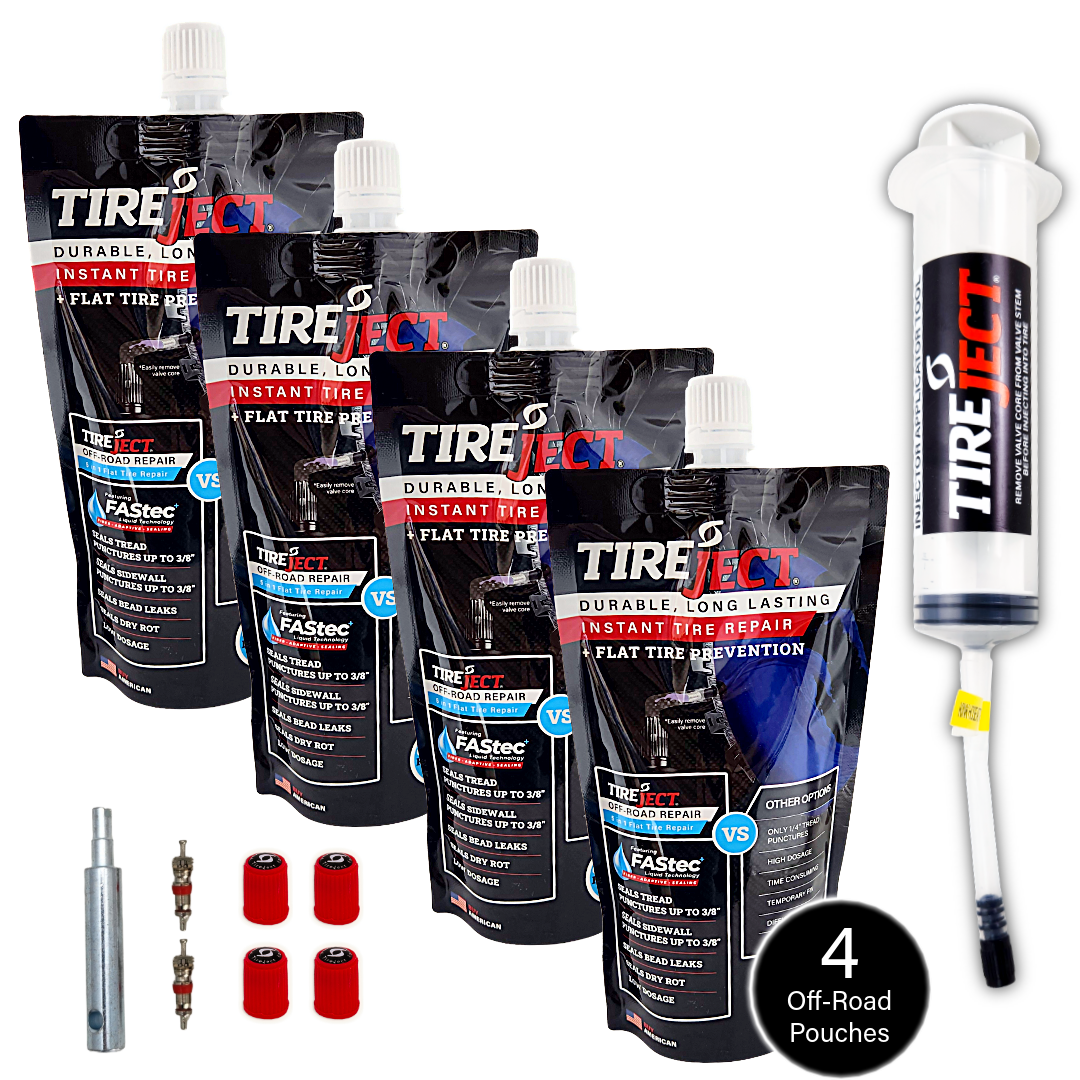
Use Sealant
- Can slow minor leaks
- Does not fix structural cracks
- Only for small, surface-level damage
Professional Inspection
- A tire shop can check if the crack is only cosmetic or dangerous
- Experts may find hidden damage you missed
Ride Carefully
- If you must use the tire, avoid high speeds, heavy loads, and rough terrain
- Monitor the crack often
Here’s a data comparison of repair options:
| Option | Estimated Cost | Safety Level | Longevity |
|---|---|---|---|
| Patching | $10–$25 | Low | Hours to days |
| Sealant | $8–$15 | Very low | Hours |
| Replacement | $50–$180 | High | Years |
| Professional Inspection | $0–$30 | Medium | N/A |
How To Inspect Atv Tire Sidewalls
Knowing how to check your tires can prevent problems before they get serious. Here’s a simple process:
- Clean the tire: Dirt hides cracks. Use soap and water.
- Look for lines: Check for thin, jagged lines. Cracks are usually gray or white.
- Press gently: If the crack opens wider when pressed, it’s serious.
- Check both sides: Cracks can appear on the inside or outside.
- Measure crack length: If a crack is longer than 1 inch, it’s unsafe.
One tip many riders miss: Turn the tire slowly and check in bright light. Small cracks are easy to miss.
How Long Can You Ride On A Cracked Sidewall?
There’s no fixed time. The crack can grow at any moment. Factors that make cracks worse:
- High speed: More flex and stress
- Heavy loads: Extra strain on the sidewall
- Rough terrain: Sharp bumps increase the risk
Most experts recommend replacing the tire as soon as possible. If you must ride, keep it slow and avoid steep or rocky paths.

Credit: knowhow.napaonline.com
Common Myths About Atv Tire Patching
Many people believe things that are not true about tire repairs. Here are some common myths:
- “A patch is as good as new.” Not true for sidewalls. Patches can fail anytime.
- “Sealant can fix cracks.” Sealant may stop leaks, but does not restore strength.
- “It’s safe if the crack is small.” Even small cracks can grow fast under stress.
- “Tire shops will always patch.” Most shops refuse sidewall repairs due to liability.
- “It’s only cosmetic.” Sidewall cracks almost always affect tire strength.
One insight: Some sellers may try to convince you that patching is safe to sell more kits. Always trust professional advice over sales pitches.
The Science Behind Tire Sidewall Repairs
Sidewalls are made of flexible rubber and fabric layers. They stretch and bend every time you ride. Unlike the tread, which is thick and mostly rubber, sidewalls rely on these layers for strength. When a crack forms, it breaks through some of these layers.
Patching does not reconnect these layers. It only covers the gap. That’s why patched sidewalls can fail even if the patch looks perfect.

Credit: www.amazon.sa
When Is Patching Worth Considering?
There are only a few situations where patching might be considered:
- Emergency situations: If you are far from help and need to ride out safely.
- Very small, surface-level cracks: Sometimes, a patch may help for a short trip.
- Low-speed, light-load use: If you ride slowly and the ATV is not carrying much weight.
Even in these cases, replace the tire as soon as possible.
Tips For Preventing Sidewall Cracks
Preventing cracks is easier than dealing with them. Here are practical tips:
- Store tires indoors: Avoid sunlight and extreme temperatures.
- Check air pressure often: Don’t let tires run flat.
- Don’t overload: Follow the weight limits for your ATV and tires.
- Clean tires: Mud and chemicals can weaken rubber.
- Use tire protectant: Some sprays help slow aging.
One tip beginners often miss: Rotate your tires regularly, even on ATVs. This spreads the wear and reduces stress on any one tire.
Credit: www.tireject.com
How To Choose A Replacement Atv Tire
If you decide to replace your cracked tire, keep these points in mind:
- Size: Match the size to your ATV’s requirements.
- Load rating: Make sure the new tire can handle your usual loads.
- Tread pattern: Choose based on your riding terrain (mud, sand, rocks).
- Brand reputation: Pick well-known brands for quality and safety.
- Price vs. value: Don’t just buy the cheapest tire. Consider durability.
Here’s a quick comparison of popular ATV tire brands:
| Brand | Average Price | Durability | Warranty |
|---|---|---|---|
| Maxxis | $90 | High | 1–2 years |
| ITP | $75 | Medium | 6 months–1 year |
| Kenda | $80 | High | 1 year |
| Carlisle | $65 | Medium | 6 months |
Should You Patch Or Replace? Making The Safe Choice
When deciding, think about these factors:
- Safety: Always comes first. If in doubt, replace.
- Cost: Patching is cheaper but risky. Replacement costs more but lasts longer.
- Usage: If you ride hard or carry heavy loads, never trust a patch.
- Expert advice: Tire shops and manufacturers recommend replacement for sidewall cracks.
If you want more details about tire safety, visit Tire Rack for professional guidance.
Frequently Asked Questions
Is It Ever Safe To Patch A Cracked Sidewall Atv Tire?
No, it is not safe for regular use. A patch may hold temporarily in emergencies, but it cannot restore the original strength. Always replace the tire as soon as possible.
Can Liquid Sealant Fix A Cracked Atv Tire Sidewall?
Sealant can slow minor leaks but does not fix structural cracks. The sidewall needs to be strong to support the ATV. Sealant cannot restore this strength.
How Do I Know If A Sidewall Crack Is Dangerous?
Check the crack’s length and depth. If it is longer than 1 inch, opens wide when pressed, or shows signs of leaking, it is dangerous. Always have a professional inspect it if you are unsure.
Are All Atv Tire Brands Equally Resistant To Sidewall Cracks?
No. Some brands use better rubber and stronger sidewall designs. Maxxis and Kenda are known for durability. Cheaper brands may crack sooner, especially in tough conditions.
What Should I Do If I Get A Sidewall Crack During A Ride?
If the crack is serious, ride slowly and avoid rough terrain. If possible, patch for emergency use. Get the tire replaced or inspected as soon as you return.
Taking care of your ATV tires means safer rides and fewer surprises. Never ignore a cracked sidewall. Even if patching seems easy, the risk is real. Choose safety, inspect your tires often, and replace them when needed. Your adventures—and your life—are worth it.