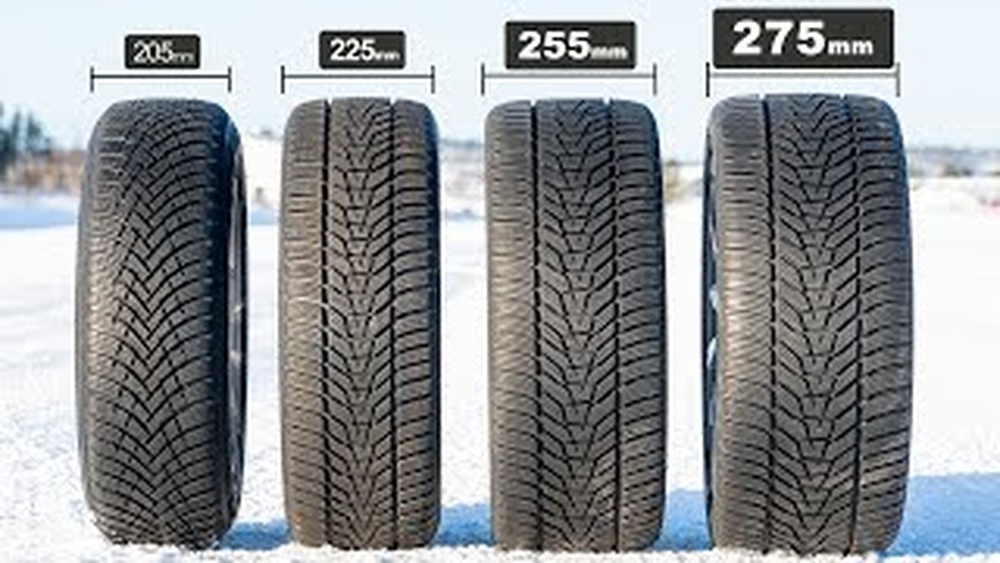
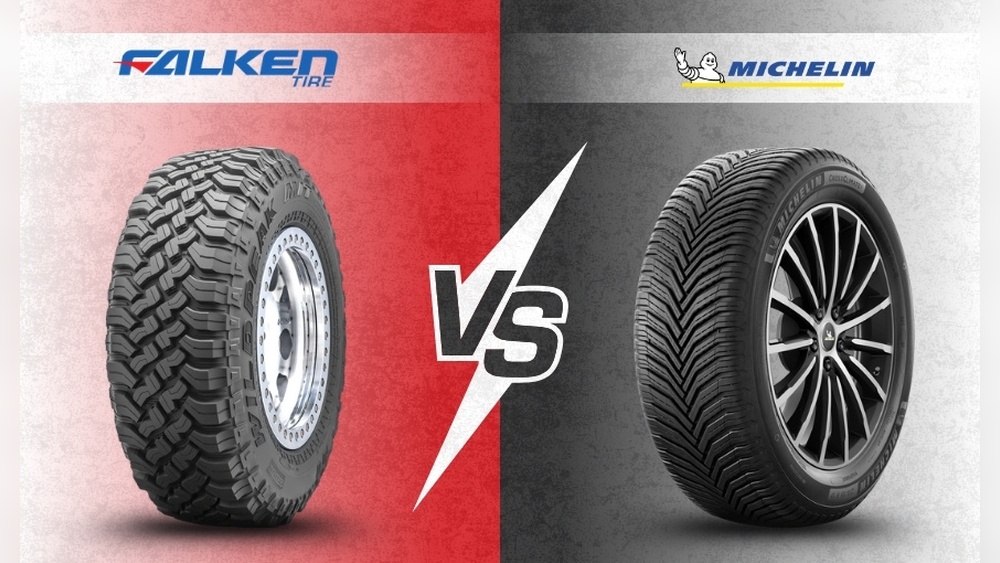
When it comes to choosing the right tires, understanding the difference between closed shoulder and open shoulder designs can make a big impact on your ride. You might wonder which type suits your driving style or road conditions better.
This guide will help you see how each tire design affects grip, noise, and durability—so you can make a smart choice that keeps your vehicle safe and comfortable. Keep reading to discover which tire shoulder type is the best fit for your needs.
Closed Shoulder Tires
Closed shoulder tires have a distinct design that affects their grip and wear. They feature a continuous tread pattern that wraps around the tire edge. This design helps in keeping the tire stable on roads. Drivers often choose these tires for their balance of comfort and performance.
Design Characteristics
Closed shoulder tires have tread blocks that connect tightly. The outer edges do not have big gaps or grooves. This creates a smooth, solid shoulder around the tire. The pattern helps in even pressure distribution on the road. This design reduces noise and vibration while driving.
Performance Benefits
These tires provide better stability on straight roads. They offer quiet and comfortable rides due to less road noise. Closed shoulder tires have good grip on dry surfaces. They wear evenly, which can extend tire life. This makes them a reliable choice for daily driving.
Ideal Usage Scenarios
Closed shoulder tires work well for city and highway driving. They suit cars and light trucks used on paved roads. These tires perform best in dry or mildly wet conditions. They are good for drivers who want a smooth, quiet ride. Frequent highway travelers benefit from their steady handling.
Limitations And Drawbacks
Closed shoulder tires may not perform well on loose surfaces. Their grip on muddy or snowy roads is limited. They can have less traction in sharp cornering compared to open shoulder types. Water evacuation is slower, which may increase hydroplaning risk. Not ideal for off-road or severe weather conditions.

Credit: thailandtyre.com
Open Shoulder Tires
Open shoulder tires are designed with visible gaps between the tread blocks on the tire’s edge. This design helps improve traction and water evacuation. These tires often suit certain driving needs better than closed shoulder tires.
Design Characteristics
Open shoulder tires have wide gaps between tread blocks near the edges. These gaps create channels for water to escape. The tread blocks are larger and spaced apart. This design reduces the risk of hydroplaning. The tire edges look more aggressive and rugged.
Performance Benefits
Open shoulder tires offer better grip on wet roads. They clear water faster, improving safety in rain. They also provide strong traction on loose surfaces like mud or gravel. The design helps with cornering and stability. Drivers feel more control on rough or slippery terrains.
Ideal Usage Scenarios
These tires work well for off-road driving and trucks. They suit vehicles that drive in wet or muddy conditions. Open shoulder tires are good for rural or construction areas. They also fit vehicles that need better traction on uneven roads. These tires are popular in areas with frequent rain.
Limitations And Drawbacks
Open shoulder tires can be noisier on smooth roads. The gaps may wear out faster on highways. They might reduce fuel efficiency slightly. These tires may not last as long on hard pavement. Some drivers find them less comfortable on city streets.
Traction And Grip Comparison
Traction and grip are key factors in tire performance. Closed shoulder and open shoulder tires offer different experiences. Understanding these differences helps choose the right tire for your needs. This section compares how each tire type performs on dry, wet, and off-road surfaces.
Dry Road Conditions
Closed shoulder tires provide a larger contact patch on dry roads. This results in better stability and grip during turns. The solid outer edge helps maintain consistent traction. Open shoulder tires have more gaps, which can reduce dry grip slightly. They may feel less stable on smooth pavement. Closed shoulder tires excel in dry conditions.
Wet Road Conditions
Open shoulder tires shine on wet roads. The open grooves help channel water away quickly. This reduces the risk of hydroplaning. Closed shoulder tires have fewer grooves, so water evacuation is slower. This can lead to less traction on wet surfaces. Open shoulder tires offer safer handling in rain and puddles.
Off-road Performance
Open shoulder tires perform better off-road. The wide gaps provide extra grip on loose dirt and mud. They help dig into uneven surfaces for better control. Closed shoulder tires struggle in off-road conditions. Their solid edges can slip on soft or rocky terrain. Open shoulder tires are the clear choice for off-road driving.
Credit: thailandtyre.com
Durability And Wear Patterns
Durability and wear patterns play a big role in choosing between closed shoulder and open shoulder tires. These features affect how long the tire lasts and how it handles different road conditions. Understanding these differences helps in picking the right tire for your needs.
Tread Life Expectancy
Closed shoulder tires often have a longer tread life. Their design reduces uneven wear and helps the tire last more miles. Open shoulder tires may wear faster on the edges due to their wider grooves. This can shorten the tire’s overall lifespan.
Resistance To Damage
Closed shoulder tires resist cuts and chips better. The solid shoulder area protects against sharp objects. Open shoulder tires have open grooves that can catch stones or debris. This makes them more prone to damage on rough roads.
Maintenance Tips
Check tire pressure regularly to avoid uneven wear. Rotate tires every 5,000 to 7,000 miles. Inspect for cracks or cuts, especially with open shoulder tires. Keep tires clean to remove stones stuck in grooves. Proper care extends tire life and maintains performance.
Noise And Comfort Levels
Noise and comfort levels play a big role in choosing the right tire. Tires affect how loud your ride feels. They also change how smooth the car moves. Closed shoulder and open shoulder tires handle these differently. Understanding these effects helps pick the best tire for a quiet, comfy drive.
Road Noise Generation
Closed shoulder tires often produce less noise on the road. Their tighter design traps less air. This reduces the sound made by tire tread hitting the pavement. Open shoulder tires have wider gaps. These gaps can create more air movement and sound. So, open shoulders tend to be louder, especially on highways.
Ride Smoothness
Closed shoulder tires usually offer a smoother ride. Their solid edges absorb bumps better. This reduces vibrations felt inside the car. Open shoulder tires may feel rougher. The open spaces can cause uneven pressure on the road. This can make the ride less smooth on rough surfaces.
Impact On Driving Experience
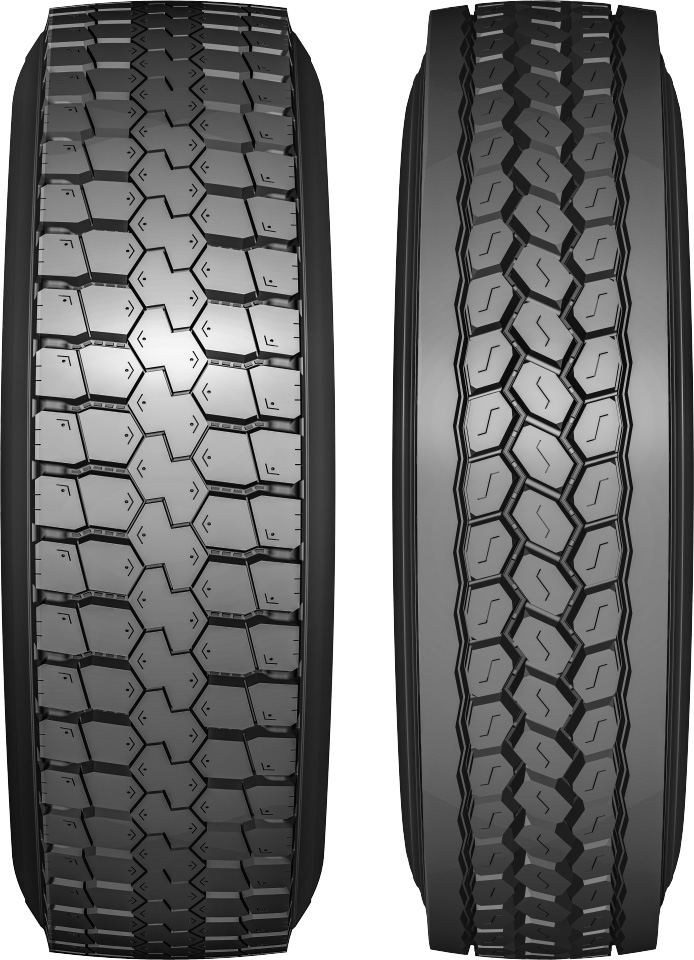
Closed shoulder tires give a quieter, more comfortable drive. They are good for city roads and highways. Open shoulder tires might feel noisier but can improve grip. They work better in wet or muddy conditions. Choosing between them depends on your driving needs and comfort priorities.
Credit: www.tirebusiness.com
Fuel Efficiency Impact
The design of tire shoulders plays a key role in fuel efficiency. Closed shoulder and open shoulder tires differ in how they affect fuel use. Understanding these differences helps choose the right tire for better mileage and lower fuel costs.
Rolling Resistance Factors
Rolling resistance is the force that tires need to keep moving. Closed shoulder tires usually have lower rolling resistance. Their design offers a smoother path for the tire to roll. Open shoulder tires have gaps that can increase resistance. Higher resistance means the engine works harder and uses more fuel.
Effect On Gas Mileage
Lower rolling resistance in closed shoulder tires leads to better gas mileage. Cars with these tires often use less fuel on the same trip. Open shoulder tires may reduce fuel efficiency slightly. The difference in mileage depends on driving style and road conditions. Choosing tires with lower rolling resistance saves money over time.
Environmental Considerations
Using tires that improve fuel efficiency helps reduce carbon emissions. Closed shoulder tires can contribute to cleaner air by lowering fuel consumption. Less fuel burned means less pollution released into the environment. Selecting the right tire supports eco-friendly driving and helps protect the planet.
Choosing Between Closed And Open Shoulder Tires
Choosing between closed and open shoulder tires affects your driving comfort and safety. Each type offers unique benefits suited to different needs. Understanding these differences helps in picking the right tire for your vehicle.
Closed shoulder tires have a solid outer edge. Open shoulder tires have gaps or grooves near the edge. These design differences influence performance on roads and in various weather conditions.
Assessing Driving Needs
Consider how you drive daily. Closed shoulder tires work well on smooth roads. They offer a quiet ride and steady handling. Open shoulder tires perform better on rough or wet roads. They help channel water away and improve grip. Choose based on your usual road types and driving style.
Budget Considerations
Closed shoulder tires often cost less upfront. Their simpler design makes them cheaper to produce. Open shoulder tires may cost more but can last longer in tough conditions. Think about long-term savings versus initial price. Balance your budget with expected tire life and performance.
Climate And Terrain Factors
Open shoulder tires suit wet or snowy climates well. Their grooves help prevent slipping on slick surfaces. Closed shoulder tires work better in dry, mild weather. They provide stable traction on paved roads. Match your tire choice to the weather and terrain you face most.
Common Myths And Misconceptions
Tires often spark debates, especially about shoulder types. Closed shoulder and open shoulder tires come with many myths. These myths can confuse buyers and affect choices.
Understanding the facts clears up common misconceptions. Knowing the truth helps pick the right tire for your needs.
Closed Shoulders Always Last Longer
Many believe closed shoulders last much longer. This is not always true. Tire life depends on many factors like road conditions and driving style. Closed shoulders may wear evenly but do not guarantee longer life.
Open Shoulders Are Only For Off-road Use
Open shoulder tires suit more than off-road driving. They offer better water evacuation and grip on wet roads. Many cars use open shoulders for safer city driving. They are not limited to rough terrains.
Closed Shoulders Are Noisy
Some say closed shoulder tires make more noise. Noise levels vary by tire design and brand, not just shoulder type. Many closed shoulder tires are made to reduce road noise. Noise depends on tread pattern and rubber type.
Open Shoulders Reduce Fuel Efficiency
There is a belief open shoulders lower fuel efficiency. Fuel use relates to tire pressure, weight, and design. Open shoulders do not automatically cause higher fuel consumption. Proper maintenance impacts fuel efficiency more.
Frequently Asked Questions
What Is A Closed Shoulder Tire Design?
A closed shoulder tire has continuous rubber ribs around the edges. It offers better stability and quieter rides. This design improves handling on highways and reduces road noise.
How Does An Open Shoulder Tire Differ?
Open shoulder tires feature gaps or grooves between tread blocks near the edges. They provide enhanced off-road traction and better water evacuation. This design improves grip on muddy or snowy surfaces.
Which Tire Is Better For Wet Conditions?
Open shoulder tires perform better in wet conditions. Their grooves channel water away, reducing hydroplaning risk. Closed shoulder tires may struggle with water drainage.
Are Closed Shoulder Tires Quieter On Roads?
Yes, closed shoulder tires are generally quieter due to continuous ribs. They reduce air turbulence and road noise. This makes them ideal for highway driving.
Conclusion
Closed shoulder tires offer better stability on dry roads. Open shoulder tires help with water drainage and wet traction. Choosing depends on your driving needs and weather conditions. Both types have strengths for different situations. Think about where and how you usually drive.
Safe driving starts with the right tire choice. Keep your tires in good shape for the best performance. Regular checks and maintenance matter a lot. The right tire can improve comfort and safety on the road.