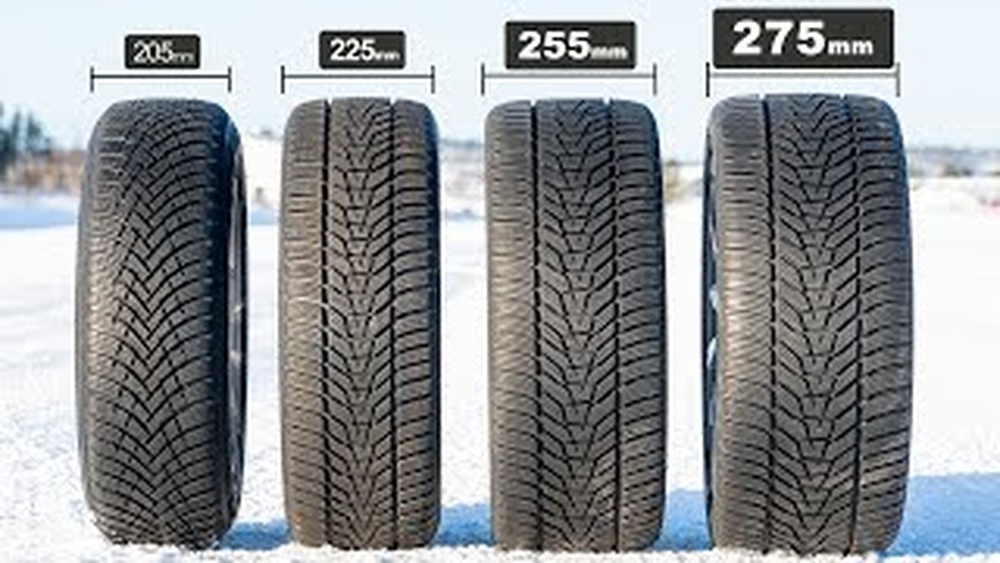
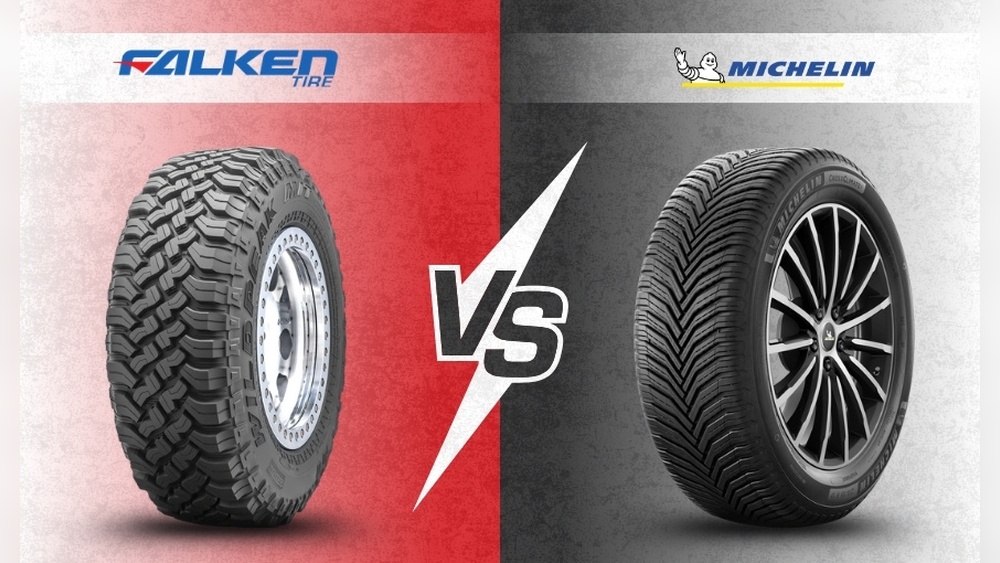
When you think about changing your car’s tires, fuel economy may not be your first concern. Many people focus on looks, off-road ability, or ride comfort. But there’s a question that comes up often: Do bigger tires affect mpg? The short answer is yes, but the reasons why are not always obvious. Understanding this connection can help you make better decisions for your vehicle and your wallet.
What Happens When You Install Bigger Tires?
Changing the size of your tires is more than just a style upgrade. Bigger tires mean a larger diameter, increased weight, and sometimes a wider tread. These changes have several effects on your vehicle’s mechanics.
First, bigger tires weigh more. Heavier tires require more energy to move, especially when starting from a stop. This extra effort from the engine means more fuel is burned.
Second, the diameter affects your vehicle’s gear ratio. With larger tires, every turn covers more ground. This sounds good for highway cruising, but it actually puts more strain on the engine at lower speeds.
Third, wider tires have more contact with the road. This increases rolling resistance, which is the force that resists your tire’s movement. More resistance means your engine works harder, again using more fuel.
How Tire Size Impacts Fuel Economy
To understand how bigger tires affect mpg, let’s look at the main factors:
Increased Weight
A standard passenger car tire weighs around 20 pounds. If you switch to a larger, all-terrain tire, the weight can jump to 40 pounds or more per tire. That’s an extra 80 pounds for four tires. Heavier tires not only need more force to spin but also affect the unsprung weight—the part not supported by the suspension. Higher unsprung weight reduces efficiency and performance.
Altered Gear Ratio
Vehicles are designed with a specific gear ratio that matches the stock tire size. When you change to bigger tires, the effective gear ratio changes. The engine must work harder to turn the wheels, especially at low speeds. This can lead to a drop in city mpg.
Increased Rolling Resistance
Rolling resistance is the energy lost as your tires roll over the surface. Wider and larger tires have more area in contact with the road, which increases friction. More friction means more energy—and more fuel—is needed.
Aerodynamics
Bigger tires can sometimes stick out past the fenders or lift your vehicle higher. This changes the aerodynamics, making your car less slippery in the air. Poor aerodynamics increase drag, reducing mpg, especially at highway speeds.

Credit: www.youtube.com
Real-world Examples And Data
Let’s compare fuel economy effects for a typical SUV when switching from standard tires to bigger ones.
| Tire Size | Weight per Tire (lbs) | Rolling Resistance Index | Estimated MPG (city) | Estimated MPG (highway) |
|---|---|---|---|---|
| 225/65R17 (stock) | 24 | 0.008 | 19 | 26 |
| 265/70R17 (larger, all-terrain) | 41 | 0.012 | 17 | 22 |
In this example, the bigger tires reduced city mpg by about 2 points and highway mpg by 4 points. The increase in weight and rolling resistance are clear factors.
Why Do People Still Choose Bigger Tires?
There are several reasons why drivers pick bigger tires, even knowing the effect on mpg:
- Improved off-road ability: Bigger tires handle rough terrain better.
- Visual appeal: Many like the aggressive look.
- Better traction: Wider tires can grip better, especially in mud or snow.
- Higher ground clearance: Useful for avoiding obstacles.
But it’s important to balance these benefits against fuel economy costs.

Credit: www.infinitioforlandpark.com
Key Factors That Affect The Impact
Vehicle Type
The effect of bigger tires on mpg depends on your vehicle. Trucks and SUVs often see a bigger drop in mpg than small cars because they’re heavier and more affected by rolling resistance and gear ratio changes.
Driving Habits
City driving suffers more from bigger tires than highway driving. Frequent stops and starts highlight the extra energy needed to move heavier tires. On the highway, the change is less dramatic but still noticeable.
Tire Construction
Not all big tires are the same. Some are designed to minimize rolling resistance, even with a larger size. Choosing fuel-efficient tires can help reduce the negative impact.
| Tire Type | Tread Pattern | Rolling Resistance | MPG Impact |
|---|---|---|---|
| Standard | Highway | Low | Minimal |
| All-Terrain | Aggressive | High | Moderate |
| Mud-Terrain | Very Aggressive | Very High | Significant |
Common Mistakes When Upgrading Tire Size
Many beginners make errors when choosing bigger tires. Here are two mistakes to avoid:
- Ignoring speedometer and odometer changes: Bigger tires change how your speed and distance are measured. Your speedometer may read slower than your actual speed. Always recalibrate after upgrading.
- Not considering tire pressure: Heavier tires may need higher pressure to support their weight. Under-inflated tires increase rolling resistance and lower mpg even more.
Another common oversight is failing to check for fitment issues. Oversized tires can rub against the body or suspension, causing wear or damage.
How Much Can Mpg Drop?
The amount your mpg drops depends on how much bigger your new tires are compared to stock, and the type of tire.
- Small increase (1-2 inches diameter): 3–5% decrease in mpg
- Medium increase (2–4 inches diameter): 5–10% decrease
- Large increase (4+ inches diameter): 10–20% or more
This means if your vehicle originally got 25 mpg, a large tire upgrade could drop you to 20 mpg or less.
Can You Reduce The Negative Effects?
If you want bigger tires but worry about mpg, there are ways to minimize the damage:
- Choose lightweight tires: Not all big tires are heavy. Look for models made from modern materials.
- Keep tread mild: Aggressive treads increase rolling resistance. Choose a less aggressive tread if you don’t need extreme off-road ability.
- Maintain proper tire pressure: Always check and adjust pressure.
- Regear the drivetrain: For major upgrades, changing your vehicle’s gear ratio can restore performance and mpg.
Comparing Cost Over Time
Changing tires isn’t just a one-time expense. Lower mpg means higher fuel costs.
| Tire Size | MPG | Annual Miles | Gallons Used | Fuel Cost ($3.50/gal) |
|---|---|---|---|---|
| Stock | 25 | 12,000 | 480 | $1,680 |
| Larger | 20 | 12,000 | 600 | $2,100 |
Switching to bigger tires could cost you $420 more per year in fuel alone. Over five years, that’s $2,100.
Insights Most Beginners Miss
Many people don’t realize that tire size impacts not just fuel economy but also vehicle handling and braking distance. Larger, heavier tires can make your car feel sluggish and increase the distance needed to stop. Another overlooked issue is maintenance costs. Heavier tires can wear out suspension parts faster.
Also, some drivers believe that bigger tires will always improve performance. In reality, unless you need them for off-road or heavy-duty tasks, you may lose more than you gain.

Credit: www.edvoylesacura.com
Should You Upgrade?
The decision depends on your needs. If you use your vehicle mainly for off-road driving or live in areas with heavy snow, the benefits of bigger tires may outweigh the cost. But if you drive mostly on highways and want to save money, sticking with stock or slightly larger tires is the smarter choice.
Before upgrading, ask yourself:
- Do you need better off-road ability or ground clearance?
- Are you okay with spending more on fuel?
- Will you adjust your driving habits to match the new tires?
- Can your suspension handle the extra weight?
If you answer yes to most, then upgrading makes sense. Otherwise, consider alternatives like all-season tires or mild upgrades.
Frequently Asked Questions
Do Bigger Tires Always Lower Mpg?
Most of the time, yes. Bigger tires add weight, increase rolling resistance, and change gear ratios. These factors almost always reduce fuel efficiency.
Can I Fix My Speedometer After Installing Bigger Tires?
Yes, you can recalibrate your speedometer using special tools or by visiting a mechanic. This ensures accurate speed and mileage readings.
How Much Fuel Economy Will I Lose?
The drop depends on how much larger the tires are. Small upgrades may cost you 1-2 mpg, while big jumps can cut mpg by 5 or more.
Will Bigger Tires Damage My Car?
If installed correctly, they won’t directly damage your vehicle. However, they can stress suspension parts and cause faster wear if not matched with proper upgrades.
Where Can I Learn More About Tire And Fuel Efficiency?
You can find detailed studies and data at the EPA Fuel Economy website.
Making the right tire choice is more than style or performance—it’s about understanding how these changes impact your daily costs and your vehicle’s health. If you’re thinking about bigger tires, weigh the pros and cons carefully. The best upgrade is the one that fits your needs, your budget, and your driving style.