Choosing the right tires can make a huge difference in how your car performs and feels on the road. When you’re deciding between Falken and Yokohama tires, you want to know which brand offers better grip, durability, and value for your money.
This comparison will help you understand the key features of each, so you can pick the perfect set that matches your driving style and needs. Keep reading to find out which tire brand deserves a spot on your vehicle.
Falken Tire History
Falken Tire has a rich history rooted in quality and innovation. The brand has grown steadily since its creation. It is known for producing tires that balance performance and durability. Understanding its background helps appreciate what Falken brings to the tire market.
Brand Origins
Falken Tire began as a part of Sumitomo Rubber Industries. The brand launched in 1983. It focused on high-performance tires for cars and trucks. Early on, Falken aimed to blend Japanese technology with global standards. The name “Falken” means falcon in German. It symbolizes speed and precision.
Technological Innovations
Falken has invested heavily in research and development. It uses advanced rubber compounds and tread designs. These improvements enhance grip and handling. The brand also develops tires for motorsports. Racing experience feeds back into consumer tire designs. This approach keeps Falken tires reliable and safe on roads.

Credit: www.youtube.com
Yokohama Tire History
Yokohama Tires started in 1917 and grew into a global brand. Comparing Falken and Yokohama shows differences in performance and price. Both brands offer reliable tires but focus on distinct driving needs.
Yokohama is a well-known tire brand with a long history. The company started in Japan and has grown into a global name. Its tires are popular for quality and durability.
The brand has focused on making tires that fit many vehicles. From passenger cars to trucks, Yokohama offers many choices. Their history shows a strong commitment to technology and safety.
Company Background
Yokohama Rubber Company was founded in 1917 in Japan. It began as a small business making tires. Over the years, it expanded to serve customers worldwide. The company has factories in several countries.
Yokohama’s goal is to provide reliable tires at fair prices. It serves both everyday drivers and professional racers. The brand is known for combining tradition with modern technology.
Research And Development
Yokohama invests heavily in research and development. It has special labs to test new tire designs. Engineers work to improve safety, grip, and fuel efficiency.
The company uses advanced materials and new patterns for better performance. Testing happens on roads and tracks under various conditions. This helps Yokohama create tires that work well in many environments.
Tire Types And Models
Tires come in many types and models, designed for different driving needs. Choosing the right tire affects safety, comfort, and performance. Both Falken and Yokohama offer a wide range of tires. They suit various vehicles and road conditions.
Each brand has popular models that meet specific demands. Some focus on all-season use, while others specialize in performance or off-road driving. Understanding these models helps pick the best tire for your vehicle.
Falken Popular Models
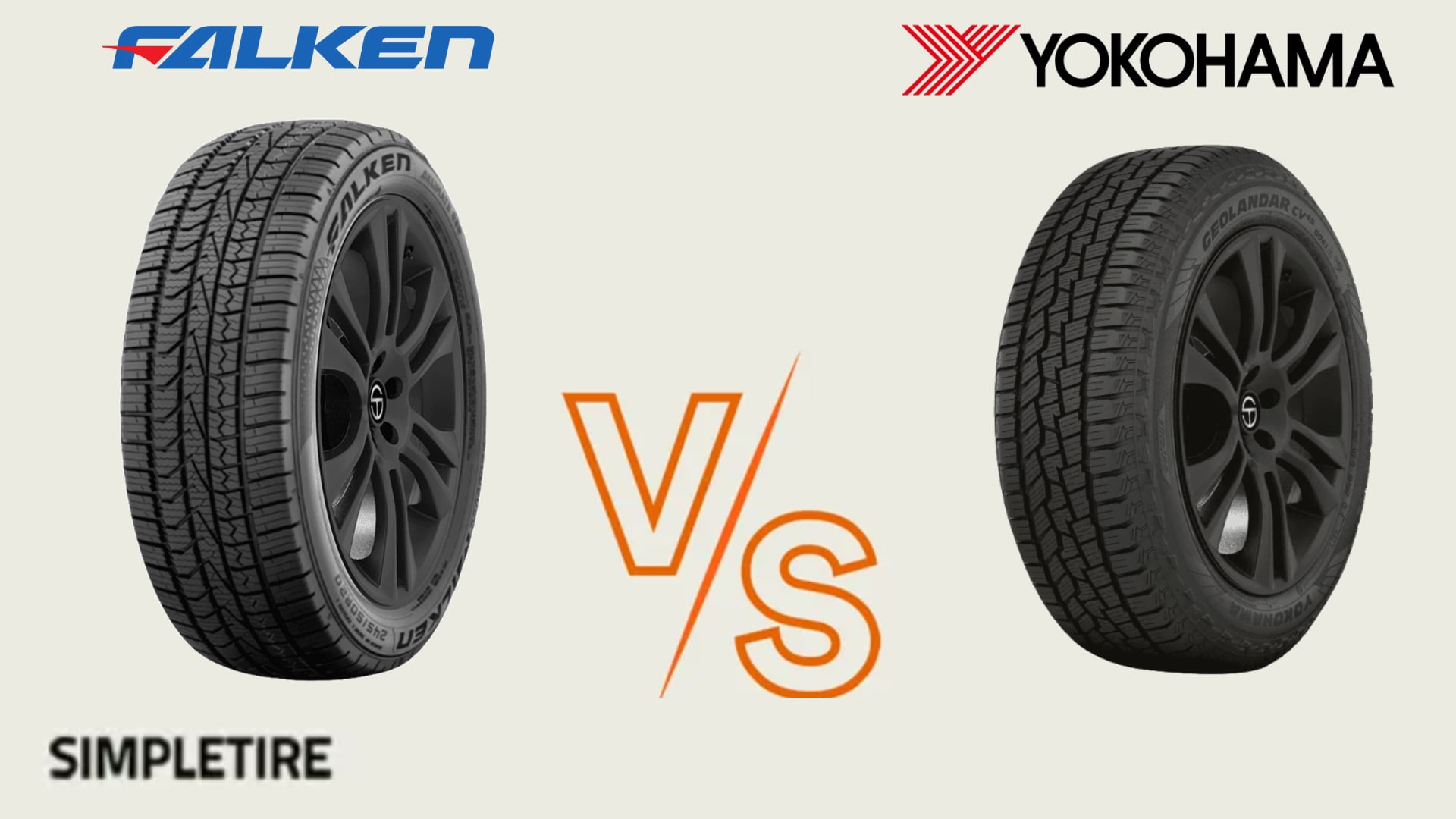
Falken makes tires known for durability and grip. The Falken Azenis FK510 is a top choice for sporty driving. It offers excellent handling on dry and wet roads. The Falken Wildpeak A/T3W is popular for off-road use. It has tough tread patterns to handle rough terrain.
The Falken Sincera SN250 A/S fits daily driving with a quiet ride. It performs well in light rain. Falken also offers the Ziex ZE950 A/S, a reliable all-season tire. It balances comfort and traction in many conditions.
Yokohama Popular Models
Yokohama tires focus on high performance and safety. The Yokohama ADVAN Sport V105 suits sports cars and offers sharp handling. It performs well at high speeds. The Yokohama Geolandar A/T G015 is a favorite for SUVs and trucks. It handles dirt roads and highways with ease.
The Yokohama BluEarth AE-50 is designed for fuel efficiency. It keeps noise low and provides good wet traction. Yokohama also makes the iceGUARD iG53 for winter driving. It improves grip on snow and ice-covered roads.
Credit: simpletire.com
Performance On Wet Roads
Driving on wet roads requires tires that offer strong performance. Wet conditions demand excellent control, safety, and confidence. Both Falken and Yokohama tires provide features that help drivers maintain grip and stability. Understanding how each brand performs in wet conditions helps you choose the right tire for your needs.
Traction And Grip
Traction on wet roads depends on the tire’s tread design. Falken tires use deep grooves and siping to channel water away. This design improves contact with the road surface. Yokohama tires also focus on tread patterns that enhance grip. Their compounds work well to stick to wet surfaces. Both brands offer reliable traction, but Falken often excels in aggressive water displacement.
Hydroplaning Resistance
Hydroplaning happens when water lifts the tire off the road. Falken tires feature wide circumferential grooves to reduce this risk. These grooves quickly clear water from under the tire. Yokohama tires also use similar technology with efficient water evacuation channels. This helps maintain control during heavy rain. Overall, both brands provide strong hydroplaning resistance, supporting safer wet road driving.
Dry Road Performance
Dry road performance is key when choosing tires. It affects safety and driving comfort. Both Falken and Yokohama offer strong options. Each brand focuses on grip and control on dry surfaces. Let’s explore how they handle dry road driving.
Handling And Stability
Falken tires provide good handling on dry roads. They offer a firm grip during sharp turns. This helps drivers feel secure and confident. Yokohama tires also deliver stable handling. Their design supports smooth cornering. Both brands reduce slipping and maintain traction well.
Braking Efficiency
Falken tires stop quickly on dry pavement. Their tread pattern helps shorten braking distance. This adds to overall driving safety. Yokohama tires perform similarly in braking tests. They provide reliable stopping power and control. Drivers can trust both brands for quick, safe stops.
Tire Longevity And Wear
Tire longevity and wear are key factors when selecting tires. Drivers want tires that last long and wear evenly. Good tires save money and provide safety. Falken and Yokohama are popular brands. Both offer quality tires with different strengths. Understanding their durability and tread life helps buyers make smart choices.
Durability Factors
Durability depends on materials, design, and driving style. Falken tires use strong rubber compounds. These resist cuts and damage well. Yokohama also uses durable materials. Their tires often have reinforced sidewalls. This helps protect from impacts and wear. Road conditions affect tire life too. Rough roads reduce tire durability. Both brands perform well on highways and city streets.
Tread Life Comparison
Falken tires usually have a good tread lifespan. Their tread designs focus on even wear. This extends tire life on dry and wet roads. Yokohama tires often offer longer tread life. Their advanced tread patterns reduce heat buildup. This slows down tread wear. Both brands provide tires with treadwear warranties. Checking these warranties helps estimate tire life. Overall, Yokohama may last a bit longer in many cases.
Comfort And Noise Levels
Comfort and noise levels matter a lot in tire choice. Quiet tires make drives peaceful. Comfortable tires reduce road shock. Both Falken and Yokohama offer options focused on these aspects. Let’s see how they compare in ride smoothness and noise reduction.
Ride Smoothness
Falken tires provide a soft ride on most surfaces. They absorb bumps well, giving less vibration inside the car. Their design helps in maintaining good grip without harshness. This makes long drives less tiring.
Yokohama tires also focus on smooth rides. Their rubber compounds and tread patterns reduce impact from rough roads. Drivers often notice less shaking and better control. This adds to overall driving comfort.
Noise Reduction Features
Falken uses special tread designs to cut road noise. Their tires create less humming sound at speed. This leads to quieter cabin experience.
Yokohama tires include noise-blocking technology. They use unique patterns to scatter sound waves. This lowers tire noise on highways and city streets. Passengers can enjoy calm rides with fewer distractions.
Pricing And Value
Choosing the right tire is not just about quality but also about cost and value. Falken and Yokohama offer tires with different price points. Understanding their pricing and the value they provide helps you make a smart choice.
Cost Comparison
Falken tires generally come with a lower price tag. They suit drivers who want good quality without spending much. Yokohama tires tend to be more expensive. This is due to their advanced technology and longer tread life. Both brands offer options for various budgets. Falken is often seen as budget-friendly. Yokohama targets customers who want premium features and are ready to pay more.
Warranty And Support
Yokohama provides a solid warranty, often covering tread wear for many miles. This warranty adds confidence for buyers. Falken also offers warranties but usually shorter than Yokohama’s. Customer support is reliable for both brands. Yokohama’s support is known for quick responses and helpful service. Falken supports customers well, focusing on value and satisfaction. Good warranties and support increase the overall value of your purchase.
User Reviews And Ratings
User reviews and ratings offer real insights into tire performance and reliability. They reflect the experiences of everyday drivers. Understanding these opinions helps in making a better choice.
Both Falken and Yokohama have many reviews online. These reviews highlight strengths and weaknesses from actual users. Let’s explore what customers say about each brand.
Customer Feedback On Falken
Falken tires receive praise for their strong grip on wet roads. Many users mention good handling during rain. Drivers also appreciate the quiet ride on highways. Some report long tire life after many miles.
Some customers note that Falken tires perform well in different weather. They find them reliable in light snow and dry conditions. A few users mention the price is affordable compared to other brands. Minor complaints include occasional road noise on rough surfaces.
Customer Feedback On Yokohama
Yokohama tires stand out for their excellent cornering and stability. Many drivers say they feel safe on sharp turns. The tires also get high marks for comfort and smooth rides. Users highlight Yokohama’s strong braking ability in wet conditions.
Several customers report Yokohama tires last a long time with proper care. They also mention good fuel efficiency with these tires. Some users find the price a bit higher but worth it for quality. Few reviews mention slightly stiff rides on uneven roads.
Choosing The Right Tire
Choosing the right tire affects your vehicle’s safety and performance. The perfect tire matches your car and driving style. Falken and Yokohama offer many options. Picking the best tire needs careful thought. Check what fits your vehicle and road needs.
Vehicle Compatibility
Each tire suits specific vehicles. Falken tires fit well with sports cars and SUVs. Yokohama tires work best on sedans and trucks. Size matters. Tires must match your car’s wheel size. Check your vehicle’s manual for tire size. Using the wrong size can cause damage. Also, consider load capacity. Tires need to support your vehicle’s weight. Both brands offer options for light and heavy vehicles.
Driving Conditions
Your usual roads affect tire choice. Falken tires perform well on dry and wet roads. They offer good grip and control. Yokohama tires excel in snowy or icy conditions. They provide strong traction on slippery surfaces. Think about your climate and road types. For city driving, choose tires with smooth tread. Off-road driving needs tires with deep treads. Both brands have tires for different weather and terrain. Match tires to your main driving environment.

Credit: www.discountedwheelwarehouse.com
Frequently Asked Questions
Which Tire Brand Offers Better Performance, Falken Or Yokohama?
Yokohama generally provides superior performance, especially in wet conditions. Falken tires excel in affordability and durability. Your choice depends on driving needs and budget.
Are Falken Tires More Affordable Than Yokohama Tires?
Yes, Falken tires typically cost less than Yokohama tires. They offer good value for budget-conscious drivers without sacrificing quality or safety.
How Do Falken And Yokohama Tires Compare In Tread Life?
Yokohama tires usually have longer tread life due to advanced rubber compounds. Falken tires offer decent longevity but may wear faster under heavy use.
Which Brand Is Better For Off-road Driving, Falken Or Yokohama?
Falken tires are often preferred for off-road use due to rugged designs. Yokohama offers some off-road options but focuses more on performance and touring tires.
Conclusion
Choosing between Falken and Yokohama tires depends on your needs. Falken offers strong performance at a budget-friendly price. Yokohama tires focus on durability and smooth rides. Both brands have good options for different vehicles. Think about what matters most: price, grip, or comfort.
Test drives can help you feel the difference. In the end, both brands deliver quality and safety. Your choice will match your driving style and budget.