Choosing the right tires can make a big difference in your driving experience. When it comes to Goodyear vs Kumho tires, you might wonder which brand offers better value, performance, and safety for your vehicle.
This decision affects not just your comfort but also your peace of mind on the road. You’ll discover key facts and comparisons that help you pick the best tires tailored to your needs. Keep reading to make a confident choice that keeps you rolling smoothly and safely.
Brand Histories
Understanding the history of tire brands helps us see their strengths and values. Both Goodyear and Kumho have rich backgrounds. These stories show their growth and focus in the tire industry. Here is a look at their origins and legacy.
Goodyear Legacy
Goodyear was founded in 1898 by Frank Seiberling. It began in Akron, Ohio, a hub for rubber production. The brand quickly grew by making durable tires for cars and airplanes. Goodyear became famous for innovation and quality. It introduced the first tubeless tire in 1946. The company also supported many motorsports events worldwide. Goodyear is one of the largest tire companies today. It serves many vehicle types, from passenger cars to heavy trucks.
Kumho Origins
Kumho Tire started in South Korea in 1960. It began as a small rubber factory. The company focused on making tires for local vehicles first. Over time, Kumho expanded its technology and markets. It began exporting tires in the 1980s. Kumho is known for affordable, reliable tires. It invests in research to improve tire safety and performance. Today, Kumho serves customers worldwide with a wide product range.

Credit: www.reddit.com
Performance Metrics
Performance metrics are key to choosing the right tire. They show how tires behave on the road. These metrics help drivers pick tires that match their needs. Goodyear and Kumho tires differ in many ways under these tests. Understanding traction, handling, and braking helps you decide.
Traction And Grip
Traction means how well tires hold the road surface. Goodyear tires offer strong grip on dry and wet roads. Kumho tires also provide good traction but focus more on wet conditions. Both brands use special tread patterns to improve grip. Good traction reduces slipping and improves safety.
Handling And Stability
Handling shows how tires respond to steering inputs. Goodyear tires deliver precise control and smooth turns. Kumho tires provide stable handling, especially on highways. Stability means the tire keeps the car steady at high speeds. Both brands balance comfort and control well.
Braking Efficiency
Braking efficiency measures how fast a tire can stop a vehicle. Goodyear tires tend to stop quickly on dry roads. Kumho tires perform well on wet surfaces during braking. Both brands meet safety standards for stopping distances. Effective braking reduces accidents and increases driver confidence.
Tire Durability
Tire durability is a key factor in choosing the right tire brand. It affects safety, cost, and how often you replace your tires. Both Goodyear and Kumho offer tires designed for long-lasting use. Understanding their durability helps you make a smart choice.
Tread Life
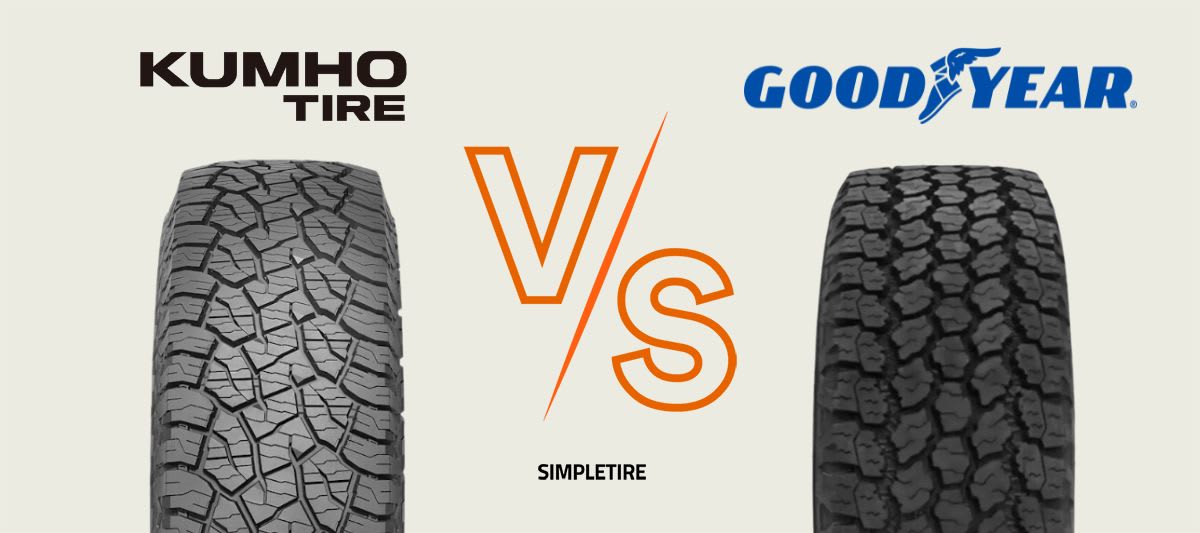
Goodyear tires often have a longer tread life. Their rubber compounds are designed to wear slowly. This means more miles before replacement. Kumho tires also provide good tread life. They use quality materials but may wear faster than Goodyear. Tread life affects how long your tires grip the road safely.
Resistance To Wear
Resistance to wear means how well a tire handles rough roads and heat. Goodyear tires resist wear well under tough conditions. This keeps them reliable and safe. Kumho tires resist wear but may show signs earlier on rough surfaces. Both brands use technology to protect the tire’s surface. Wear resistance helps maintain performance over time.
Credit: simpletire.com
Technology And Innovation
Tire technology plays a big role in safety and performance. Both Goodyear and Kumho invest in new ideas to improve their tires. Their innovations help drivers handle roads better and last longer.
Technology also helps tires perform in different weather and road conditions. This section explores key features each brand offers to keep you safe and comfortable.
Goodyear’s Latest Features
Goodyear uses special rubber compounds to improve grip on wet roads. Their tires have strong sidewalls for better handling and stability. They also include sensors to monitor air pressure and temperature.
Run-flat technology lets drivers continue driving after a puncture. Goodyear’s tread patterns reduce road noise for a quiet ride. Their tires focus on fuel efficiency to save energy and money.
Kumho’s Advanced Tech
Kumho designs tires with silica compounds for better wet traction. Their tread designs improve water evacuation, lowering the risk of hydroplaning. Kumho uses reinforced belts to increase durability and strength.
The brand also offers eco-friendly tires that reduce rolling resistance. Kumho’s noise reduction technology makes rides smoother and quieter. Their tires balance performance with affordable pricing for many drivers.
Price And Value
Price and value are key factors when choosing tires. Buyers want quality without overspending. Both Goodyear and Kumho offer options for many budgets. Understanding their costs and benefits helps you decide which brand fits your needs best.
Cost Comparison
Goodyear tires usually cost more than Kumho tires. The higher price reflects their long history and strong brand. Kumho tires offer good quality at a lower price. This makes Kumho a popular choice for budget-conscious buyers. Both brands have sales and discounts from time to time. Prices vary by tire type and size. Always check the exact price before buying.
Warranty And Support
Goodyear provides a solid warranty on most tires. Their coverage often includes tread life and road hazards. Kumho also offers warranties, but they may be shorter. Both brands have customer support to help with issues. Goodyear’s service network is larger, making help easier to find. Kumho’s support is growing but still smaller. Warranty details can impact long-term value.

Credit: www.reddit.com
Customer Feedback
Customer feedback reveals real-life experiences with Goodyear and Kumho tires. It helps buyers see how these tires perform on roads. Opinions come from everyday users and tire experts. Both sources share insights on quality, durability, and comfort.
Reading these views gives a clearer picture of what to expect. It also highlights strengths and weaknesses from a user perspective.
User Reviews
Many Goodyear users praise the tires for their long tread life. They mention good grip in wet and dry conditions. Some drivers find Goodyear tires quiet and smooth during travel. Kumho users often highlight the affordable price. They say Kumho tires handle well in city driving. A few note that Kumho tires wear faster on rough roads. Most users from both brands agree on decent comfort levels. Customer feedback shows Goodyear suits drivers wanting durability. Kumho fits those needing value and decent performance.
Expert Opinions
Tire experts rate Goodyear highly for innovation and technology. They point out Goodyear’s strong braking and fuel efficiency. Experts note Kumho offers good traction but less tread life. They appreciate Kumho’s budget-friendly options for daily use. Experts say Goodyear tires are better for long trips and tough conditions. Kumho tires work well for short drives and lighter use. Both brands have strengths depending on driving needs. Experts suggest choosing based on road type and budget.
Best Use Cases
Choosing the right tire depends on where and how you drive. Both Goodyear and Kumho offer tires that fit different driving needs. This section explains which tire works best for specific uses. It helps you pick the right option for your vehicle and driving style.
City Driving
Goodyear tires provide smooth rides on paved city roads. They offer quiet performance and good fuel efficiency. Their tires handle sharp turns and stop quickly in traffic. Kumho tires also work well in cities. They focus on comfort and grip on wet roads. Both brands suit daily commuting and urban driving.
Off-road Performance
Kumho tires excel off-road with strong traction on dirt and mud. Their designs protect tires from rough surfaces. Goodyear offers off-road tires too, with durable rubber and deep treads. These tires resist punctures and provide steady control on rocky paths. Kumho is better for rugged trails, while Goodyear fits mixed terrain.
All-weather Conditions
Goodyear tires handle rain, snow, and dry roads well. They use special rubber compounds to stay flexible in cold weather. Kumho tires also perform in different weather but focus more on wet conditions. Both brands have options for winter and all-season driving. Goodyear offers more variety for extreme climates.
Frequently Asked Questions
Which Tire Brand Offers Better Durability, Goodyear Or Kumho?
Goodyear tires generally offer superior durability due to advanced rubber compounds. Kumho tires are durable but often target budget-conscious consumers. Goodyear’s extensive testing ensures longer tire life under various conditions, making it a preferred choice for drivers seeking longevity.
Are Goodyear Tires More Expensive Than Kumho Tires?
Yes, Goodyear tires are typically more expensive than Kumho tires. This price difference reflects Goodyear’s premium materials and technology. Kumho offers affordable options without sacrificing basic performance, making it suitable for cost-sensitive buyers.
How Do Goodyear And Kumho Tires Compare In Wet Traction?
Goodyear tires usually provide better wet traction due to superior tread designs and compounds. Kumho tires perform adequately in wet conditions but may not match Goodyear’s grip. Both brands focus on safety, but Goodyear leads in wet handling.
Which Brand Has A Wider Range Of Tire Options?
Goodyear offers a broader range of tires, including all-season, performance, and off-road types. Kumho’s lineup is smaller but covers essential categories for everyday driving. Goodyear’s extensive options cater to diverse vehicle needs and driving styles.
Conclusion
Choosing between Goodyear and Kumho depends on your needs. Goodyear offers strong performance and durability. Kumho provides good value and decent quality. Both brands have reliable tires for everyday driving. Consider your budget and driving conditions carefully. Good tires improve safety and ride comfort.
Take time to compare features and prices. Your choice will affect your vehicle’s handling. Remember, proper tire care extends their life. Drive safely with the right tires for you.