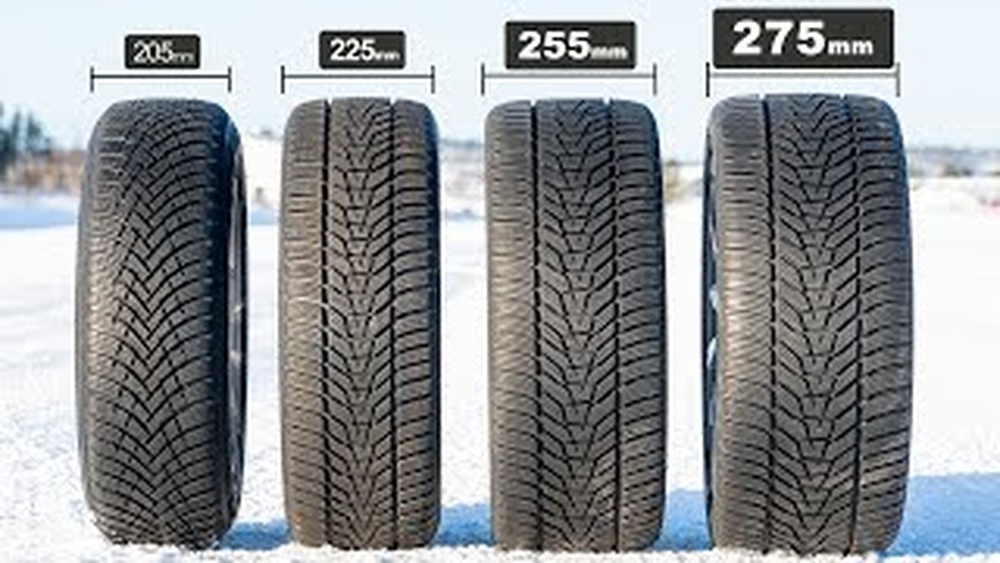
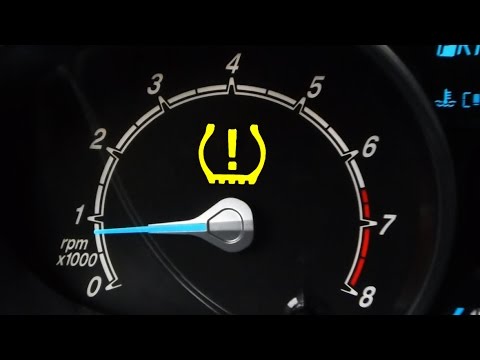
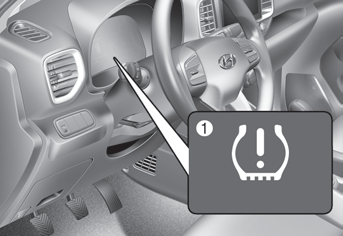
If you drive a modern car, you probably have seen a warning light for tire pressure. This is the Tire Pressure Monitoring System (TPMS) working to keep you safe. But sometimes, even after fixing your tire, the TPMS light stays on. You may wonder: “How do I reset the tire pressure sensor?” This guide helps you understand why this happens, how to reset it, and what mistakes to avoid. You’ll get clear steps and practical advice—no confusing jargon. Let’s make your TPMS warning light a thing of the past.
Why Tire Pressure Sensors Matter
Tire pressure sensors are small devices inside each wheel. They check if your tires are inflated to the correct level. If a tire gets too low, the sensor sends a signal to your car’s dashboard. Keeping the right pressure helps your car handle better, saves fuel, and prevents accidents. According to the National Highway Traffic Safety Administration, under-inflated tires cause over 11,000 crashes every year in the United States.
How Tire Pressure Sensors Work
There are two main types of TPMS:
- Direct TPMS: These use sensors inside each tire to measure air pressure.
- Indirect TPMS: These use your car’s ABS system to check wheel speed. If a tire spins faster, it might be under-inflated.
Direct systems are more accurate but need batteries. Indirect systems are simpler but can miss slow leaks.
| TPMS Type | How It Works | Accuracy | Common In |
|---|---|---|---|
| Direct | Sensor measures air pressure | High | Newer cars, SUVs |
| Indirect | Wheel speed sensors | Moderate | Some compact cars |

Credit: www.akinsford.com
When Should You Reset Tire Pressure Sensors?
You should reset the sensor when:
- The TPMS light stays on after inflating tires
- You change a tire or rotate tires
- You replace a TPMS sensor
- Seasonal temperature changes affect tire pressure
It’s normal for the light to stay on for a few miles after fixing the pressure. If it doesn’t turn off, a reset is needed.
Common Reasons The Tpms Light Stays On
There are a few reasons your TPMS light won’t go away:
- Incorrect tire pressure: Double-check all four tires.
- Faulty sensor: Sensors wear out after 5–10 years.
- Battery issues: Direct sensors have batteries that can die.
- Sensor not re-learned: After tire changes, the system may need to relearn the sensor location.
- Temperature drops: Cold air reduces tire pressure, triggering the light.
Most beginners miss the fact that tires should be checked when cold. Checking after driving can give a wrong reading.
How To Reset Tire Pressure Sensors: Step-by-step
Resetting your TPMS can be easy or tricky, depending on your car. Always check your owner’s manual first. Here are general steps for most cars:
Step 1: Check And Inflate Tires
Use a digital tire pressure gauge for accuracy. Find your car’s recommended PSI (pounds per square inch). This is usually on a sticker inside the driver’s door.
- Park your car and let tires cool for 30 minutes.
- Check each tire, including the spare.
- Inflate or deflate to the correct PSI.
Step 2: Start The Car And Drive
For many cars, simply driving for 10–15 minutes at 30 mph or more will reset the sensor. The system needs movement to check pressure.
Step 3: Use The Tpms Reset Button
Some cars have a TPMS reset button. It’s often under the steering wheel or inside the glove box.
- Turn the ignition ON (engine off).
- Press and hold the reset button until the TPMS light blinks three times.
- Start the car and drive for 20 minutes.
Step 4: Manual Reset Using Menu Settings
Newer cars have TPMS options in their dashboard menu.
- Go to “Settings” or “Vehicle Information.”
- Select “TPMS Reset” or similar.
- Confirm the reset.
Step 5: Disconnect And Reconnect Battery
This is a last resort. Disconnecting the battery may reset the system, but it can affect other car settings.
- Turn off the car.
- Use a wrench to remove the negative battery cable.
- Wait 10 minutes, then reconnect.
Step 6: Use A Tpms Relearn Tool
A TPMS relearn tool can reset the sensors for more complex cars. This device is available at auto stores.
- Follow your car’s relearn procedure (usually in the manual).
- Hold the tool near each tire, following the prompts.
Many car owners skip the relearn tool, but it’s necessary for some brands like Ford or GM.
Resetting Tpms: By Car Brand
Different brands have unique TPMS reset methods. Here are examples:
| Brand | Reset Method | Special Notes |
|---|---|---|
| Toyota | TPMS button under steering | Drive after reset for 10 mins |
| Honda | Dashboard menu reset | Check all tires including spare |
| Ford | TPMS relearn tool | Requires tool for full reset |
| Nissan | Drive and manual reset button | Light may take 20 mins to turn off |
Always consult your manual for the exact steps for your car.
Credit: www.youtube.com
Mistakes To Avoid When Resetting Tpms
Resetting TPMS is not hard, but many people make mistakes. Here are some to watch out for:
- Ignoring the spare tire: Many systems include the spare.
- Not using a quality gauge: Cheap gauges can be wrong by 2–4 PSI.
- Rushing the reset: Some cars need you to drive for longer, or wait after pressing the reset button.
- Skipping the relearn process: Especially important after sensor or tire changes.
- Not checking tire pressure when cold: This can lead to inaccurate readings.
One overlooked tip: If your TPMS light flashes instead of staying solid, it often means a sensor failure—not just low pressure.
Cost And Lifespan Of Tire Pressure Sensors
A typical TPMS sensor costs $50–$100 per wheel. Batteries last 5–10 years. Replacing all four sensors can cost $200–$400. Labor fees vary—some shops include TPMS reset in tire change services.
Signs You Need New Sensors
You may need to replace your sensors if:
- TPMS light flashes continuously
- Sensors don’t respond to reset
- You’ve had them for over 7 years
Many drivers don’t realize that sensor batteries cannot be changed—they are sealed. Replacing the sensor is the only fix.
Comparing Diy Reset Vs. Professional Service
Should you reset TPMS yourself or visit a mechanic? Here’s a quick comparison:
| Method | Cost | Time | Success Rate | Expert Needed |
|---|---|---|---|---|
| DIY Reset | Free | 10–30 mins | 75% | No |
| Mechanic | $20–$50 | 15–45 mins | 95% | Yes |
If your TPMS system is complex, or you get repeated errors, a mechanic is often quicker and more reliable.
Credit: blogs.rosenhyundai.com
Practical Tips For Maintaining Tpms
To keep your TPMS working well:
- Check tire pressure once a month
- Replace sensors every 5–7 years
- Don’t ignore the warning light
- Use quality air gauges
- Update your car’s software if needed
A smart tip: Record your tire pressure readings in your phone or a notebook. You’ll spot slow leaks early.
What If Resetting Doesn’t Work?
If your TPMS light won’t reset after following these steps:
- Recheck all tires—including the spare
- Try a relearn tool
- Visit a mechanic for diagnostics
Sometimes, the issue is with the system’s wiring or the car’s computer. Professional help is best in these cases.
Frequently Asked Questions
Why Does My Tpms Light Stay On After I Inflate My Tires?
Your TPMS light may stay on because the system needs a few miles to update. If it remains after 15–30 minutes of driving, check for sensor faults or incorrect tire pressure.
Can I Reset Tpms Without Any Tools?
Yes, for many cars, you can reset by driving or using the reset button. Some brands need a TPMS relearn tool, especially after sensor replacement.
Is It Safe To Drive With The Tpms Light On?
It’s not recommended. The TPMS light means at least one tire is under-inflated or the system isn’t working. Driving with low pressure can cause blowouts or poor handling.
How Much Does It Cost To Replace Tpms Sensors?
Replacing one sensor usually costs $50–$100. Labor adds $20–$50 per wheel. Replacing all four can cost $200–$400.
Can I Use Aftermarket Sensors?
Yes, many aftermarket sensors work with most cars. However, compatibility is key. Always check that the sensor matches your vehicle’s TPMS system. Some aftermarket sensors may need special programming.
Final Thoughts
Resetting a tire pressure sensor is a useful skill for any car owner. It keeps your ride safe, improves fuel economy, and saves money. Remember to use a quality gauge, check all tires when cold, and follow the steps for your specific car. If you face problems, don’t hesitate to ask a mechanic. Staying alert to your TPMS light is a small effort with big rewards. For more detailed safety info, you can visit the National Highway Traffic Safety Administration. Safe driving starts with healthy tires and a reliable TPMS system.