Choosing between 275 and 295 tires can change the way your vehicle feels and performs on the road. You might wonder which size suits your driving style, your car, or even your budget better.
This isn’t just about numbers—it’s about how your ride handles, grips, and looks. Keep reading, because understanding these differences will help you make the best decision for your tires and get the most out of every mile you drive.
Tire Size Basics
Tire size plays a key role in how your vehicle drives and looks. Understanding basic tire sizes helps you choose the right one for your needs. Sizes like 275 and 295 often confuse many drivers. Both numbers relate to the tire’s width, but there is more to know. This section breaks down the basics of these tire sizes.
Understanding 275 And 295 Dimensions
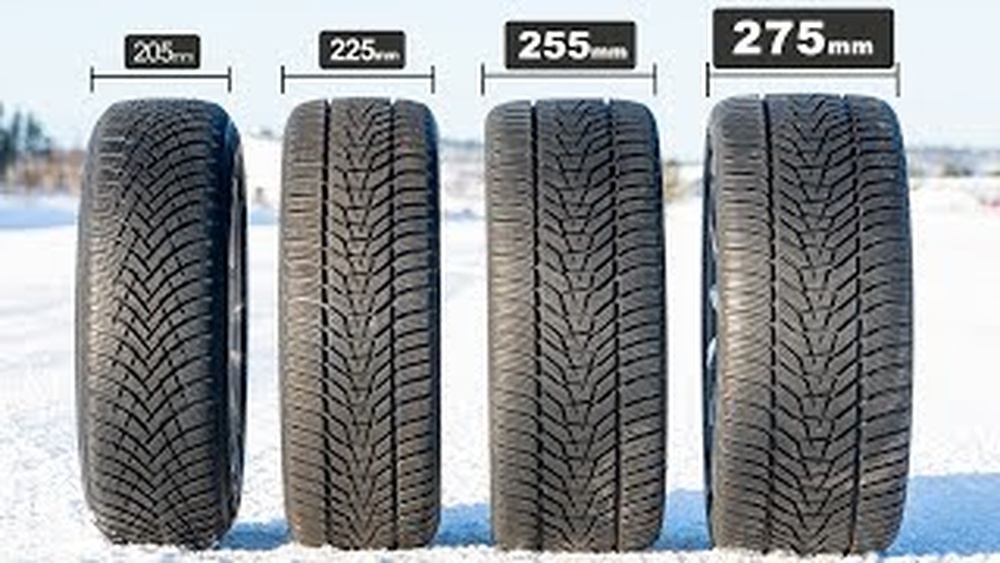
The numbers 275 and 295 refer to the tire’s width in millimeters. A 275 tire is 275 millimeters wide. A 295 tire is 295 millimeters wide. The wider the tire, the more road contact it makes. This can affect grip, handling, and even fuel efficiency. Besides width, tire size includes other numbers that show aspect ratio and wheel diameter.
Width And Aspect Ratio Differences
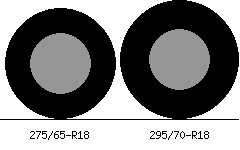
Width is the first number in a tire size. It shows the tire’s measurement from sidewall to sidewall. Aspect ratio is the second number. It is the height of the sidewall as a percentage of the width. For example, a 275/60 tire has a sidewall height 60% of 275 mm. The aspect ratio impacts ride comfort and sidewall flex. Different aspect ratios change the tire’s overall diameter and look.
Performance Impact
The size of your tires affects your car’s performance in many ways. Choosing between 275 and 295 tires changes how your vehicle drives on the road. Tire width impacts acceleration, handling, and braking. These factors shape your overall driving experience.
Acceleration And Speed
Wider tires like 295 offer more grip on the road. This grip helps transfer power better during acceleration. Cars with 295 tires may reach speeds faster in straight lines. But wider tires can also add weight. Extra weight might slow down acceleration slightly. On the other hand, 275 tires are lighter. They allow quicker starts and better fuel efficiency. The difference in speed is small but noticeable for some drivers.
Handling And Cornering
Handling improves with wider tires due to increased contact with the road. The 295 tires provide better traction in corners. This helps the car stay stable and confident. The 275 tires have less surface area touching the road. That can cause slight slipping during sharp turns. Narrower tires make the steering feel lighter. Wider tires offer more control but need stronger steering effort. Cornering feels more secure with 295 tires, especially in fast driving.
Braking Efficiency
Braking depends on tire grip and surface area. The 295 tires have an advantage by covering more road space. This allows the car to stop quicker and safer. The 275 tires still perform well but take a bit longer to stop. Braking on wet or slippery roads benefits from wider tires. More rubber on the ground means better friction and shorter braking distances. Safety improves with 295 tires in most braking situations.
Grip And Traction
Grip and traction are key factors in choosing between 275 and 295 tires. These features affect how your vehicle handles on different surfaces. Tires with better grip keep your car stable and safe. Traction helps your tires stick to the road or terrain, improving control. The width of the tire plays a big role in these areas.
Wet Vs Dry Grip
Wide tires like 295s offer more contact with the road. This can improve dry grip for fast, sharp turns. Narrower 275 tires may perform better in wet conditions. They have a smaller surface area, which helps cut through water. This reduces the risk of hydroplaning. Both sizes use tread patterns to boost grip. Quality tread design matters more than just tire width.
Off-road Capabilities
Off-road driving needs strong traction to handle rough terrain. The wider 295 tires cover more ground and can offer better traction on loose surfaces. This helps prevent sinking in mud or sand. Narrow 275 tires may dig in more easily, giving better grip on rocks. Sidewall strength and tire tread depth also affect off-road performance. Choose tires based on the type of terrain you drive on most.

Credit: www.reddit.com
Fuel Economy Considerations
Fuel economy is an important factor when choosing tire sizes. Tires affect how much fuel your vehicle uses. Bigger tires often use more fuel. Smaller tires may save fuel by reducing the effort needed to move.
Choosing between 275 and 295 tires can impact your fuel costs. Understanding this difference helps you make a smart choice for your vehicle.
Impact Of Tire Width On Fuel Consumption
Wider tires, like 295, create more friction with the road. This extra friction means the engine works harder. Harder work means higher fuel use. Narrower 275 tires have less friction. Less friction means the engine uses less fuel.
Rolling Resistance Differences
Rolling resistance is the force that slows down a tire. Wider tires have higher rolling resistance. This resistance causes the engine to use more energy. Higher energy use leads to lower fuel economy. Narrow tires reduce rolling resistance and save fuel.
Weight And Fuel Efficiency
Larger tires usually weigh more. More weight means the engine needs more power. More power means more fuel consumption. Smaller tires weigh less and improve fuel efficiency. Choosing lighter tires can help reduce fuel use.
Ride Comfort And Noise
Ride comfort and noise are key factors when choosing between 275 and 295 tires. These two sizes affect how smooth and quiet your drive feels. A small change in tire width can change your car’s behavior on the road. Understanding these differences helps you pick the best tire for your needs.
Ride Comfort Differences Between 275 And 295 Tires
Wider tires like 295 often feel firmer on the road. They can provide better grip, but the ride might be less smooth. Narrower 275 tires usually offer a softer ride. They absorb bumps better, making driving more comfortable on rough roads.
Noise Levels Of 275 Vs 295 Tires
Wider tires tend to create more road noise. The larger surface area touches the road more, causing extra sound. 275 tires generally produce less noise. This makes them better for quiet driving, especially on highways.
How Tire Width Affects Road Feel And Sound
Wider tires can improve handling but may increase vibrations. These vibrations can add to the noise inside the car. Narrower tires reduce vibrations, which lowers cabin noise. The trade-off between width and comfort depends on your driving style.
Compatibility And Fitment
Choosing between 275 and 295 tires depends on compatibility and fitment. These factors affect your vehicle’s performance and safety. Proper fitment ensures tires do not rub or cause damage. Compatibility involves matching tires to wheels and suspension parts. Understanding these details helps find the best tire size for your vehicle.
Wheel And Suspension Requirements
275 and 295 tires need different wheel widths. Wider tires require wider wheels to fit properly. A 275 tire fits well on wheels 9 to 10.5 inches wide. A 295 tire needs wheels 10 to 11.5 inches wide. Using the wrong wheel width causes poor performance and wear.
Suspension also affects tire fitment. Larger tires may need suspension lifts or modifications. Without enough clearance, tires can rub against fenders or suspension parts. Check suspension space before upgrading tire size. Proper suspension setup prevents damage and improves ride quality.
Vehicle Types And Use Cases
275 tires suit many trucks and SUVs for daily driving. They offer good grip and a smooth ride. 295 tires are popular for off-road and heavy-duty use. They provide more traction and durability on rough terrain.
Consider vehicle weight and purpose. Heavy trucks may benefit from 295 tires for better load support. Smaller trucks or SUVs may perform better with 275 tires. Choose tires based on how you use your vehicle. This ensures safety and better driving experience.
Cost And Availability
Cost and availability play a big role in choosing between 275 and 295 tires. Prices vary based on size and demand. Also, finding the right tire size can affect your budget and timing.
Cost Differences Between 275 And 295 Tires
Generally, 295 tires cost more than 275 tires. The larger size uses more material. This raises the price at the factory and store. Expect to pay extra for 295 tires on average.
Prices also change by brand and tire type. Performance tires usually cost more than all-season tires. Check prices for both sizes before buying.
Availability Of 275 And 295 Tires
275 tires are more common on many vehicles. This makes them easier to find in stores and online. More options often mean better deals and faster shipping.
295 tires are less common but growing in popularity. Some specialty shops carry them regularly. Online retailers may have a wider selection but slower delivery.
Credit: www.tacomaworld.com
Choosing Between 275 And 295
Choosing between 275 and 295 tires depends on many factors. These include your driving habits and the conditions you face. Each tire size offers different benefits. Picking the right one can improve your car’s performance and safety.
Driving Style Preferences
275 tires offer a balance between grip and comfort. They suit drivers who want good handling without losing ride smoothness. These tires work well for daily driving and light sport use.
295 tires provide more traction and better cornering. They fit drivers who prefer aggressive driving or track days. These tires are wider, giving more contact with the road but a firmer ride.
Weather And Terrain Factors
275 tires handle wet and dry roads well. They perform better on rough or uneven surfaces. These tires offer good control in rain and light snow.
295 tires excel on dry pavement and smooth tracks. They may struggle in heavy rain or snow due to less water dispersion. These tires are best for dry, stable conditions and flat terrain.
Credit: f80.bimmerpost.com
Frequently Asked Questions
What Are The Main Differences Between 275 And 295 Tires?
275 tires are narrower, offering better fuel efficiency and handling. 295 tires are wider, providing improved grip and stability on rough terrain.
Which Tire Size Is Better For Off-road Driving?
295 tires are better for off-road driving due to increased traction and stability. Their wider surface improves grip on uneven surfaces.
How Does Tire Size Affect Fuel Economy?
Narrower 275 tires typically offer better fuel economy. Wider 295 tires increase rolling resistance, which can lower fuel efficiency slightly.
Can 275 And 295 Tires Fit The Same Wheels?
No, 275 and 295 tires require different wheel widths. Always check wheel compatibility before switching tire sizes.
Conclusion
Choosing between 275 and 295 tires depends on your needs. Wider tires offer better grip but can lower fuel efficiency. Narrower tires might save gas and provide a smoother ride. Think about your driving style and road conditions. Also, check your vehicle’s specifications before making a choice.
Both sizes have pros and cons that affect performance. Pick the one that fits your budget and driving habits best. Simple choices lead to safer and more comfortable driving.