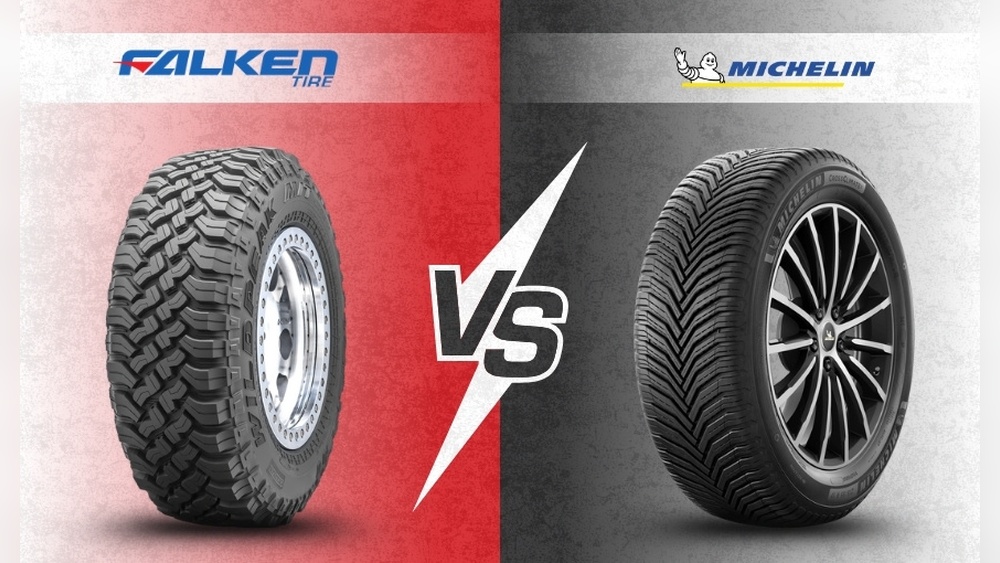
Choosing the right tires can make a huge difference in how your car performs and feels on the road. If you’re torn between Michelin tires and Pirelli tires, you’re not alone.
Both brands have a strong reputation, but which one truly fits your driving style, budget, and safety needs? You’ll discover the key differences that matter most to you. By the end, you’ll feel confident about making the best choice for your vehicle—and your peace of mind.
Keep reading to find out which tire brand takes the lead in performance, durability, and value.
Brand Histories
Understanding the histories of Michelin and Pirelli helps to see their strengths. Both brands have rich backgrounds that shaped their tire technology. Their stories reflect passion, innovation, and a drive for quality.
Michelin’s Legacy
Michelin started in 1889 in France. It was founded by two brothers, Édouard and André Michelin. They created the first removable pneumatic tire. This invention changed the way people traveled.
Michelin quickly grew with many new ideas. The brand introduced the radial tire in 1946. This tire improved safety and fuel efficiency. Michelin also created the famous Michelin Man, a well-known symbol.
Today, Michelin leads in research and development. It focuses on making tires that last longer and perform better. The company also supports motorsports to test their products.
Pirelli’s Heritage
Pirelli was founded in 1872 in Italy by Giovanni Battista Pirelli. It began as a rubber and cable company. Soon, Pirelli focused on making high-quality tires for cars and bicycles.
The brand became famous for its stylish and high-performance tires. Pirelli is the official tire supplier for many racing events. This experience helps improve their consumer tires.
Pirelli puts great effort into technology and design. The company values Italian craftsmanship and innovation. Its tires often balance performance with comfort and safety.

Credit: www.youtube.com
Tire Technology
Tire technology shapes how tires perform on the road. It involves many details, from the materials used to the pattern on the tire’s surface. Both Michelin and Pirelli use advanced technology to improve safety, comfort, and durability. Understanding their technology helps you choose the best tire for your needs.
Each brand has unique methods and features that set their tires apart. Let’s explore their technology in three key areas: material innovations, tread design, and performance enhancements.
Material Innovations
Michelin uses special rubber compounds that increase tire life and grip. Their materials also help reduce rolling resistance, saving fuel. Pirelli focuses on high-quality rubber blends to improve wet and dry traction. They also add silica to enhance grip in cold weather. Both brands invest in research to find better, stronger materials.
Tread Design
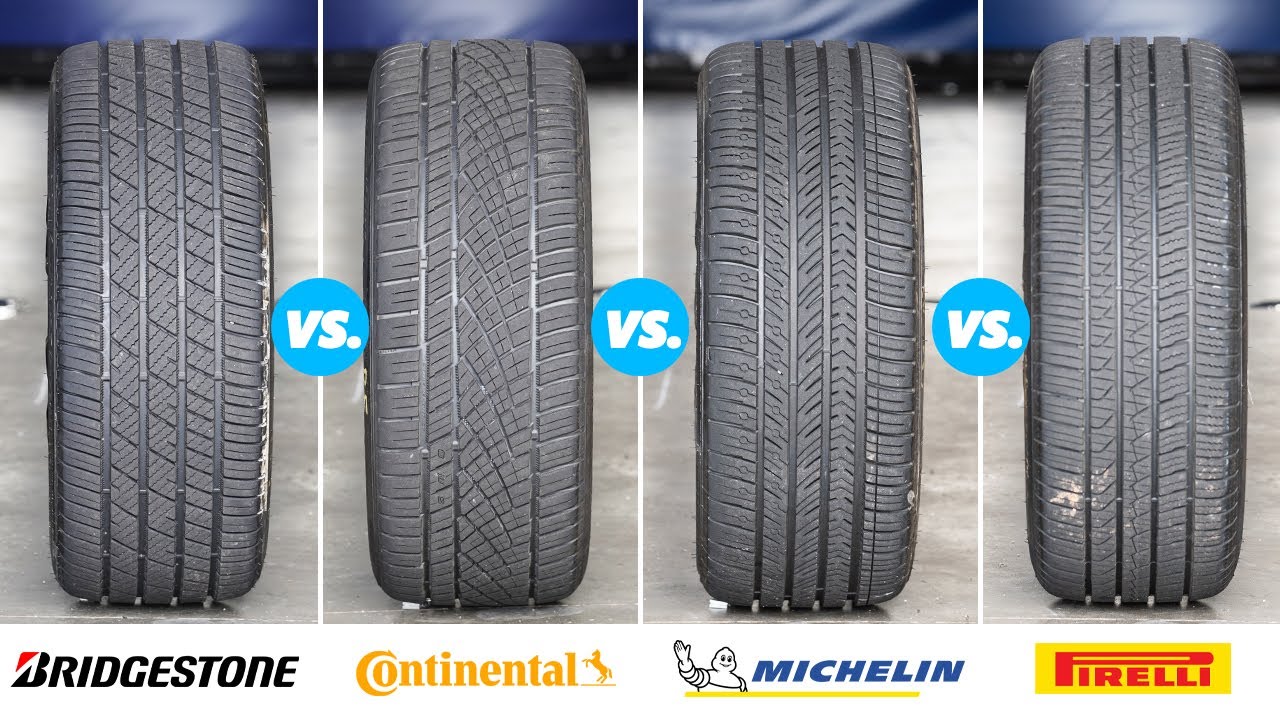
Michelin designs tread patterns that balance water evacuation and road contact. Their patterns reduce noise and improve handling. Pirelli’s tread designs often feature asymmetric patterns for better cornering and stability. They create deep grooves to channel water away and prevent hydroplaning. Each design aims to keep the tire steady in different conditions.
Performance Enhancements
Michelin integrates technologies like EverGrip, which maintains grip as tires wear. They also use advanced sidewall designs to improve ride comfort. Pirelli focuses on technologies that boost traction and control at high speeds. Their tires often have reinforced structures to handle tough driving. These enhancements ensure safety and performance on all roads.
Performance On Road
Performance on the road is a key factor when choosing between Michelin tires and Pirelli tires. Each brand has its strengths in different driving conditions. Understanding these can help you pick the best tire for your needs. Below, we explore how both brands perform on dry roads, wet roads, and their handling and grip.
Dry Conditions
Michelin tires offer strong stability and good traction on dry roads. They maintain consistent contact with the road surface. This results in smooth rides and confident acceleration. Pirelli tires also excel on dry roads. They provide sharp steering response and solid braking power. Both brands ensure safe, reliable performance in dry weather.
Wet Conditions
Pirelli tires often lead in wet road performance. Their tread design helps channel water away quickly. This reduces the risk of hydroplaning and improves safety. Michelin tires also perform well in wet conditions. They use advanced rubber compounds to enhance grip. Both brands keep you safe on rainy days, but Pirelli may have a slight edge.
Handling And Grip
Handling is about control and responsiveness. Michelin tires provide balanced grip and smooth cornering. They offer confidence during sharp turns and quick maneuvers. Pirelli tires focus on sportier handling. They give drivers a more connected road feel. Grip levels are high with both brands, but Pirelli may suit sportier driving styles better.
Credit: www.youtube.com
Durability And Wear
Durability and wear are key factors for anyone choosing tires. Tires must last long and resist damage on rough roads. Both Michelin and Pirelli focus on these qualities. Understanding how each brand performs helps make a smart choice.
Longevity
Michelin tires often last longer than many others. Their tread design and rubber mix aim for extended life. Many drivers report high mileage before needing new tires. Pirelli tires also offer good life but may wear faster under heavy use. Overall, Michelin tends to have the edge in lasting longer on the road.
Resistance To Damage
Both brands build tires to resist cuts and punctures. Michelin uses strong sidewalls to protect against sharp objects. Pirelli focuses on sporty tires that handle rough conditions well. Still, Michelin’s tougher construction often stands up better to daily wear and tear. This makes Michelin a reliable choice for durability on tough surfaces.
Price And Value
Price and value matter most when choosing tires. Both Michelin and Pirelli offer quality products. Yet, they differ in cost and what you get for your money. Understanding these differences helps buyers make smart choices.
Cost Comparison
Michelin tires usually cost more upfront. Their prices reflect high-quality materials and technology. Pirelli tires tend to be less expensive. They still provide strong performance and style. Price varies by tire type and size. Budget shoppers may find Pirelli options easier to afford.
Value For Money
Michelin tires last longer due to durable tread design. They offer better fuel efficiency and safety features. These benefits add value over time. Pirelli tires provide good grip and handling. They suit drivers who want sporty feel without high cost. Both brands deliver solid value depending on your needs.
Customer Feedback
Customer feedback provides real insights into tire performance. It helps understand how Michelin and Pirelli tires work on roads. Listening to users and experts shows strengths and weaknesses of each brand. This feedback guides buyers to make better choices.
User Reviews
Many drivers praise Michelin tires for their long life and smooth ride. Users often mention strong grip on wet and dry roads. Some say Michelin tires feel quiet and comfortable during long drives.
Pirelli tires get good marks for sporty handling and sharp cornering. Drivers like their performance on dry surfaces and in high-speed conditions. A few users note that Pirelli tires wear faster than Michelin.
Expert Opinions
Experts highlight Michelin’s balanced performance and durability. They recommend Michelin for everyday use and long trips. Testing shows Michelin tires handle well in rain and snow.
Experts recognize Pirelli’s focus on performance and style. They suggest Pirelli for sporty cars and fast driving. Tests prove Pirelli tires offer excellent road feel but shorter tread life.
Best Use Cases
Choosing the right tire depends on how you use your vehicle. Both Michelin and Pirelli offer quality options, but their strengths vary by use. Understanding the best use cases helps you pick the right tire for your needs.
Everyday Driving
Michelin tires excel in daily driving. They provide comfort, durability, and fuel efficiency. These tires handle well in wet and dry conditions. Pirelli also offers good options but focuses more on sporty rides. For long commutes and regular city driving, Michelin is a reliable choice.
Performance Driving
Pirelli stands out for performance driving. Their tires offer excellent grip and sharp handling. Perfect for sports cars and fast driving on highways. Michelin has sporty models too, but Pirelli often leads in high-speed stability. Drivers who want precision and control prefer Pirelli in this category.
Off-road And Specialty
Michelin provides strong off-road tires with good toughness. They perform well on rough terrains and in mud. Pirelli also makes specialty tires but focuses more on high-performance and street use. For rugged off-road adventures, Michelin’s options are often better suited.

Credit: www.discountedwheelwarehouse.com
Frequently Asked Questions
Which Brand Offers Better Tire Durability, Michelin Or Pirelli?
Michelin tires generally have superior durability due to advanced rubber compounds. Pirelli tires focus more on performance, which may reduce lifespan slightly. For long-lasting tires, Michelin is often preferred by everyday drivers seeking value and reliability.
How Do Michelin And Pirelli Tires Compare In Wet Conditions?
Both brands provide excellent wet traction, but Michelin tires typically offer better water evacuation. Pirelli tires excel in sporty handling on wet roads. Choose Michelin for safety in heavy rain; pick Pirelli for performance driving in wet weather.
Are Michelin Or Pirelli Tires Better For Fuel Efficiency?
Michelin tires are known for better fuel efficiency thanks to low rolling resistance technology. Pirelli tires prioritize grip and handling, which may slightly impact fuel economy. For drivers focused on saving fuel, Michelin is usually the better choice.
Which Tires Provide Superior Performance For Sports Cars?
Pirelli tires are designed with high-performance sports cars in mind, delivering exceptional grip and cornering. Michelin also offers performance tires but is more balanced for comfort and durability. For pure sports performance, Pirelli is often preferred.
Conclusion
Choosing between Michelin tires and Pirelli tires depends on your needs. Both brands offer strong performance and safety. Michelin tires often last longer and provide a smooth ride. Pirelli tires focus more on sporty handling and style. Your driving habits and road conditions matter most.
Think about what fits your budget and preferences. Both options bring quality to your vehicle. Decide based on what you value more: durability or sporty feel. Either way, you get reliable tires for safer driving.