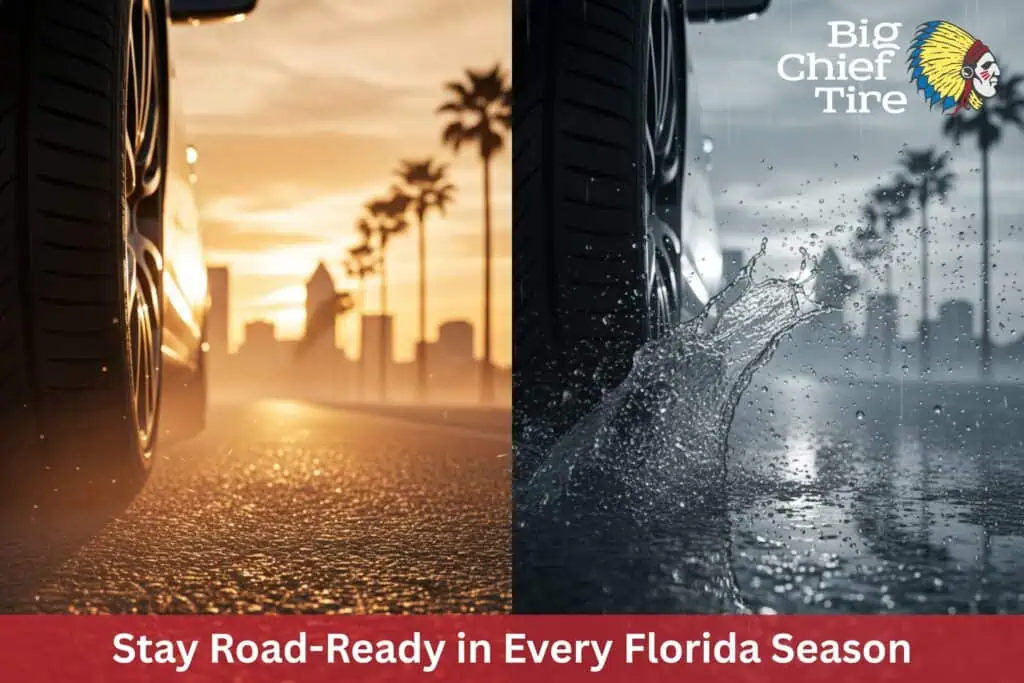
Florida is famous for its sunny beaches, but the weather here is far from simple. The humidity and rainfall in Florida are among the highest in the United States. These conditions don’t just affect your comfort—they change the way your car’s tires perform every day. If you drive in Florida, you probably noticed tires feel different after a heavy rain or during muggy afternoons. Understanding how this climate affects tire performance can help you drive safer, save money, and avoid common mistakes. Let’s explore the science, real-life impacts, and practical solutions for Florida’s unique weather and your tires.
Florida’s Climate: Why It Matters For Tires
Florida gets over 50 inches of rain per year—much higher than the US average. Relative humidity often stays above 70%, especially in summer. Both these factors create a challenging environment for car tires.
Rainfall Patterns
Rain in Florida isn’t just frequent—it’s intense. Afternoon thunderstorms can dump inches of water in minutes. Roads quickly become slick, and puddles form everywhere.
Humidity Levels
Humidity isn’t only about discomfort. High humidity means the air holds more moisture, which affects how tires interact with the road and even how rubber behaves over time.
Temperature Swings
Warm temperatures amplify the effects of humidity and rain. Tires get hot, moisture evaporates quickly, and the road surface changes from dry to wet in moments.
How Rain Changes Tire Performance
Rain is the most obvious factor. Wet roads demand more from your tires. Let’s break down the main effects:
Reduced Traction
When water covers the road, it creates a thin layer between your tire and the surface. This is called hydroplaning. Your tires lose grip, and steering becomes less responsive.
Longer Braking Distance
Stopping distances increase dramatically in wet conditions. According to the National Highway Traffic Safety Administration (NHTSA), wet roads can double braking distance compared to dry roads.
Tire Tread Patterns
Tire tread is designed to channel water away from the contact patch. If your tread is worn, water can’t escape quickly, making hydroplaning more likely.
Example Data
Here’s a comparison of braking distances in dry and wet conditions:
| Speed (mph) | Dry Road (ft) | Wet Road (ft) |
|---|---|---|
| 40 | 80 | 160 |
| 60 | 140 | 280 |
| 70 | 180 | 360 |
Tire Pressure And Rain
Rain can cause tire pressure to drop. Cooler air after storms shrinks the air inside your tires, reducing pressure. Underinflated tires grip the road poorly and wear faster.
Humidity’s Hidden Effects On Tires
Humidity is less obvious than rain, but it has a big impact on tire life and performance.
Rubber Degradation
Moisture in the air speeds up the breakdown of rubber compounds. High humidity makes tires softer, which can lead to premature wear.
Tire Aging
Over time, humid conditions promote oxidation. Tires exposed to Florida’s climate may crack, lose elasticity, and become unsafe faster than in drier regions.
Air Pressure Fluctuations
Humidity doesn’t directly affect air pressure, but temperature swings do. Hot, humid days can make tires overinflate; sudden rainstorms cool things down, causing a quick drop.
Mold And Mildew
Unused tires or tires stored outside can develop mold in humid climates. This weakens the rubber and can lead to structural failure.
Comparing Tire Performance: Florida Vs. Drier States
How much does Florida weather change tire performance compared to states like Arizona or Colorado? Let’s look at some numbers.
| State | Average Humidity (%) | Average Rainfall (in/year) | Average Tire Lifespan (miles) |
|---|---|---|---|
| Florida | 75 | 55 | 35,000 |
| Arizona | 35 | 10 | 40,000 |
| Colorado | 45 | 18 | 42,000 |
Notice that Florida’s tires tend to wear out faster due to humidity and rain.
Practical Impacts On Everyday Driving
Handling And Safety
Rainy, humid days make tires less predictable. You might notice:
- Slippery turns
- Longer stops
- Difficult lane changes
Tire Maintenance
Drivers in Florida need to check tire pressure more often. Rubber degrades quicker, so regular inspections are essential.
Fuel Efficiency
Wet roads and soft tires increase rolling resistance. This means your car uses more fuel in Florida’s climate than in drier places.
Choosing The Right Tires For Florida
Picking the right tire for Florida is not just about price or brand. You need to consider:
- Tread pattern: Deep grooves help channel water.
- Rubber compound: Some tires use compounds designed for humidity and rain.
- Performance rating: Look for tires rated for wet and humid conditions.
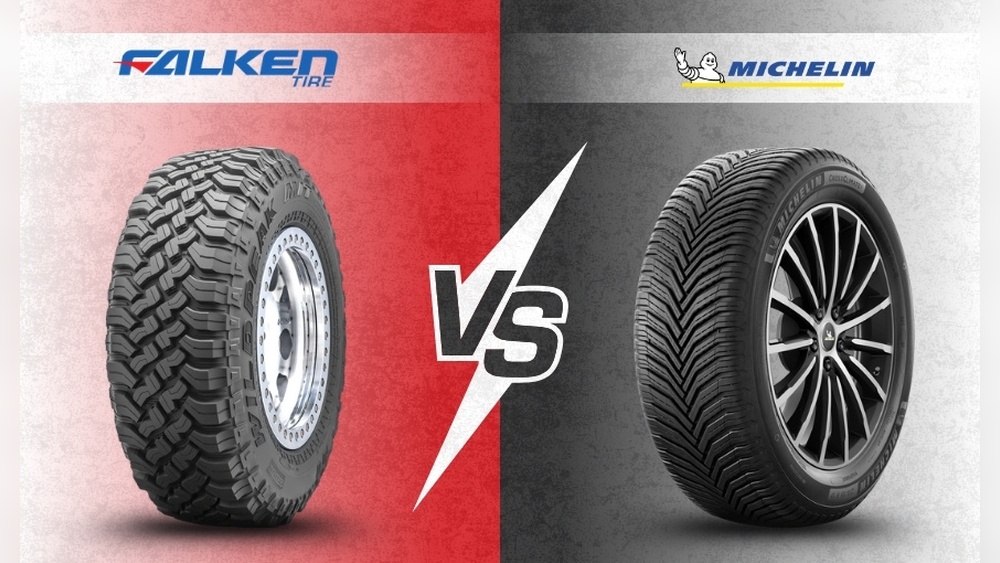
Here’s a simple comparison of tire types for Florida:
| Tire Type | Best For | Weakness |
|---|---|---|
| All-Season | General wet and dry conditions | Not specialized for heavy rain |
| Performance | Excellent grip in rain | Shorter lifespan |
| Touring | Comfort and mileage | Lower wet performance |
| Summer | Hot, humid days | Poor in heavy rain |
Credit: valuetirefl.com
Real-life Example: Florida Rainstorm
Imagine driving on Interstate 95 during a typical summer storm. Rain hits hard, and visibility drops. Your tires must push gallons of water aside every second. If your tread is worn, or your tire pressure is low, your car might skid even at low speeds.
Many accidents happen in these conditions because drivers underestimate how much rain changes tire grip.
Common Mistakes Florida Drivers Make
Many drivers in Florida don’t realize how much weather impacts tires. Here are frequent mistakes:
- Ignoring tire pressure: Pressure changes with temperature and humidity.
- Delaying tire replacement: Worn tires are dangerous in rain.
- Using tires meant for dry climates: Not all tires are safe for wet roads.
- Skipping tread checks: Tread depth is crucial for water evacuation.
- Storing tires outside: Humidity and sun speed up aging.
Credit: bigchieftire.com
How To Protect Your Tires In Florida
You can’t change the weather, but you can adapt. Here’s what you should do:
Inspect Tires Regularly
Check for cracks, tread wear, and soft spots. Look at the sidewalls for signs of aging.
Monitor Tire Pressure
Check pressure at least once a month and after big temperature shifts or storms.
Rotate And Balance Tires
Rotating tires every 5,000–7,000 miles helps them wear evenly. Balancing prevents vibrations.
Choose Tires With Good Water Dispersion
Look for tires with deep grooves and channels. These help prevent hydroplaning.
Avoid Outdoor Storage
If you have spare tires, store them indoors. Humid air and sunlight speed up rubber breakdown.
Clean Tires
Wash off road salt, mud, and organic debris. Mold can grow on dirty tires in humid environments.
The Science Behind Tire Rubber And Humidity
Tire rubber is a mix of natural and synthetic compounds. In humid climates, water molecules enter the rubber. This weakens bonds and causes the tire to soften. Over time, tires become less elastic and start to crack.
Rain also brings pollutants from the air onto the roads. These chemicals can stick to your tires and speed up the breakdown process. Florida’s climate means tires are exposed to both high moisture and harsh chemicals more than in most states.
Innovations In Tire Design For Humid And Wet Climates
Manufacturers are now making tires specifically for humid and rainy regions. These tires use:
- Silica-based compounds: Stay firm in wet conditions.
- Advanced tread patterns: Move water away fast.
- Stronger sidewalls: Resist cracking from humidity.
Brands like Michelin and Bridgestone offer tires for tropical climates. These cost more but last longer and perform better in Florida weather.
When To Replace Tires In Florida
Most tire experts recommend changing tires every 35,000–40,000 miles in Florida, even if the tread looks good. Check for signs like:
- Cracks on the sidewall
- Uneven wear
- Low tread depth (<2/32 inch)
- Soft, spongy feel
Don’t wait for a blowout. Florida’s rain and humidity make tire failure more likely.
Useful Resources
If you want detailed information about tire safety in wet climates, visit the NHTSA Tire Safety page. This government site covers tire care, performance ratings, and safety recalls.
Frequently Asked Questions
How Does Florida’s Humidity Affect Tire Lifespan?
High humidity speeds up rubber degradation. Tires in Florida usually wear out faster than in drier states—often by 5,000–7,000 miles.
Can Rain Cause Tires To Lose Air Pressure?
Yes, sudden cooling from rainstorms can cause air inside tires to contract, leading to lower pressure. Always check tire pressure after heavy storms.
What Tread Depth Is Safe For Florida Roads?
For wet conditions, tread depth should be at least 4/32 inch. Less than this increases the risk of hydroplaning.
Should I Use Special Tires For Florida Weather?
It’s wise to use tires rated for wet and humid conditions. Look for silica-based compounds and deep tread patterns for best performance.
How Often Should I Check Tire Pressure In Florida?
Check tire pressure every month, and after big temperature or humidity changes. Proper pressure helps prevent accidents and saves money on fuel.
Living in Florida means dealing with weather that’s tough on tires. Rain and humidity can turn a safe drive into a risky ride, and ignoring these factors leads to faster tire wear and more accidents. Choose the right tires, check them often, and pay attention to how weather changes your car’s handling.
With the right knowledge and habits, you can stay safe and make your tires last longer—even in Florida’s unpredictable climate.

Credit: www.eaglebuickgmc.com