When it comes to keeping your car running smoothly, understanding the difference between tire balancing and tire alignment can save you time, money, and frustration. You might think these two services are the same, but they actually play very different roles in how your vehicle handles the road.
If you want to avoid uneven tire wear, improve your driving comfort, and extend the life of your tires, knowing when and why to choose each service is key. Keep reading to discover exactly what tire balancing and tire alignment mean for you and your car’s performance.
Tire Balancing Basics
Tire balancing is a key part of vehicle maintenance. It helps your tires wear evenly and your car drive smoothly. Balanced tires reduce vibrations and improve fuel efficiency. Understanding tire balancing basics helps you keep your ride safe and comfortable.
What Happens During Balancing
During balancing, a machine spins the tire and wheel assembly. It finds heavy spots that cause uneven weight. Small weights are added to the rim to fix these spots. This process makes the tire rotate evenly.
Signs Of Unbalanced Tires
You may feel vibrations in the steering wheel or seat. The car might pull to one side. Tires may wear out faster on one edge. These signs suggest your tires need balancing soon.
Tools Used For Balancing
Technicians use a tire balancing machine to check the weight distribution. They also use clip-on or stick-on wheel weights. These tools help adjust the tire’s balance quickly and accurately.
Tire Alignment Essentials
Tire alignment keeps your vehicle driving straight and smooth. Proper alignment improves tire life and saves fuel. Misaligned tires cause uneven wear and can be unsafe. Understanding how alignment works helps you spot problems early. This section explains the basics of tire alignment clearly.
How Alignment Works
Alignment adjusts the angles of your tires to factory settings. It ensures tires point in the right direction. Technicians adjust camber, caster, and toe angles. Proper angles reduce tire wear and improve handling. Good alignment means your car tracks straight on roads.
Common Misalignment Symptoms
Your car may pull to one side if misaligned. Uneven or rapid tire wear is another sign. Steering wheel vibration can mean poor alignment. Sometimes the steering wheel is off-center. Strange noises or poor handling could also indicate issues.
Alignment Equipment Explained
Technicians use special machines to check alignment. Sensors and cameras measure tire angles with precision. The car is placed on a platform for accuracy. Software compares measurements to manufacturer standards. Adjustments are made using the data collected.
Core Differences
Understanding the core differences between tire balancing and tire alignment helps you maintain your vehicle better. Both are important for smooth driving but serve different roles. Knowing how each affects your car can save money and improve safety.
Purpose And Function
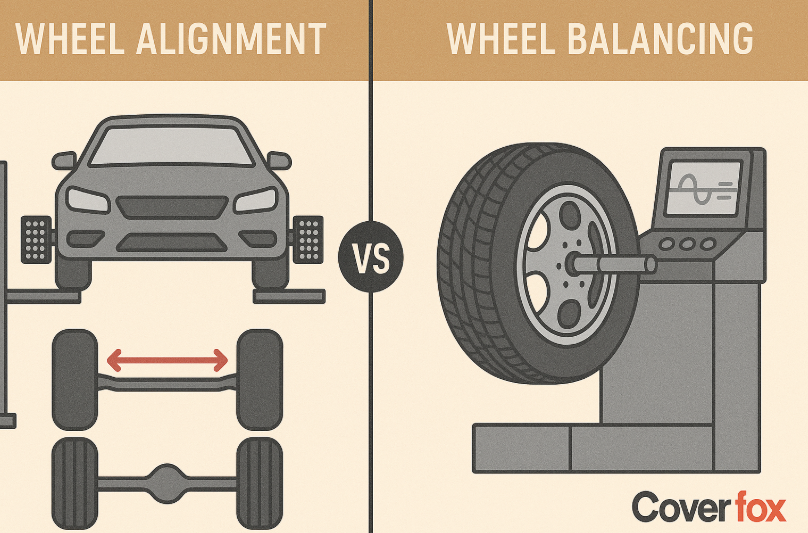
Tire balancing fixes uneven weight distribution around the tire and wheel. It stops vibrations while driving. Tire alignment adjusts the angles of the tires. This ensures they point straight and contact the road correctly. Both improve tire wear but in different ways.
Impact On Vehicle Performance
Balanced tires prevent shaking and reduce wear on suspension parts. Proper alignment improves handling and steering control. Misalignment causes the car to pull to one side. Both issues affect fuel efficiency and comfort during driving.
Frequency Of Service
Tire balancing is needed after mounting new tires or if you feel vibrations. Alignment should be checked yearly or if the car pulls to one side. Regular checks help avoid bigger repairs and keep the ride smooth.
Credit: www.spec-school.org
When To Choose Balancing
Tire balancing keeps your ride smooth and safe. It stops your car from shaking. Knowing when to balance tires saves time and money. It helps your tires last longer.
Balancing is different from alignment. Balancing focuses on weight distribution. It makes the tire spin evenly. Choose balancing at the right times for best results.
After Tire Installation
New tires need balancing. It corrects weight differences in the tire and wheel. Without balancing, you may feel vibrations. Balancing after installation ensures a smooth drive.
Vibration Issues
Feeling shaking or wobbling at certain speeds? Your tires might be out of balance. Balancing fixes this problem quickly. It improves control and comfort on the road.
Routine Maintenance Tips
Check tire balance every 5,000 to 6,000 miles. Balancing during routine checks prevents wear and tear. It helps maintain fuel efficiency. Regular balancing keeps your car safe and smooth.
When To Opt For Alignment
Knowing when to choose tire alignment helps keep your vehicle safe and smooth. Alignment adjusts the angles of your wheels. This makes sure tires meet the road correctly. Proper alignment prevents uneven tire wear and improves driving comfort. Watch for specific signs that show your car needs alignment services.
Steering Problems
Steering that pulls to one side means alignment may be off. Your car should drive straight without constant correction. A crooked steering wheel when driving straight also signals trouble. These issues make driving tiring and unsafe.
Uneven Tire Wear
Tires wearing out unevenly is a clear sign of bad alignment. Check your tires often for bald spots or uneven tread. This wear shortens tire life and causes poor handling. Balanced tires alone cannot fix uneven wear caused by poor alignment.
Post-accident Checks
After a collision, your wheel angles may shift. Alignment should be checked to avoid hidden damage. Proper alignment restores safe driving and helps prevent future tire damage. Don’t skip this step even if your car seems fine.

Credit: www.tynan.com.au
Cost Considerations
Cost plays a big role in choosing between tire balancing and tire alignment. Both services improve driving safety and tire life. Knowing the costs helps make smart decisions for your vehicle maintenance budget.
Price Range For Balancing
Tire balancing usually costs less than alignment. The price ranges from $10 to $20 per tire. Some shops offer balancing for all four tires around $40 to $80. Balancing is quick and simple, so it keeps the cost low.
Alignment Service Costs
Alignment service costs more due to its complexity. A typical alignment costs between $75 and $100. Some vehicles or special alignments may cost more. It takes more time and special tools, which raises the price.
Value For Money
Balancing saves money by preventing uneven tire wear and vibrations. Alignment avoids steering problems and extends tire life. Skipping either can lead to costly repairs later. Spending on both is a good investment for safe driving.
Diy Vs Professional Service
Deciding between doing tire balancing and alignment yourself or hiring a professional is important. Both services affect your car’s safety and performance. Understanding the risks and complexity helps you make the best choice.
Risks Of Diy Balancing
Tire balancing requires special tools and skill. Without them, the wheel may not balance correctly. This can cause vibrations and uneven tire wear. DIY balancing can lead to costly repairs later. Mistakes might also affect your car’s handling and safety.
Alignment Complexity
Tire alignment involves adjusting angles for proper tire contact. It needs precise measurements and equipment. Small errors can cause uneven tire wear and steering problems. Alignment is harder to do at home than balancing. Professionals use computers to get exact angles.
Choosing The Right Service Center
Select a service center with certified technicians. Check if they use modern balancing and alignment tools. Good centers offer warranties on their work. Reading reviews helps find reliable places. Quality service ensures your car drives smoothly and tires last longer.

Credit: mysoapboxkids.com
Frequently Asked Questions
What Is The Difference Between Tire Balancing And Alignment?
Tire balancing corrects uneven weight distribution in tires. Alignment adjusts the angles of tires for proper contact with the road. Both improve vehicle performance but address different issues.
How Often Should I Get Tire Balancing Done?
Tire balancing is recommended every 5,000 to 6,000 miles or after installing new tires. It prevents vibrations and uneven tire wear for a smoother ride.
Why Is Tire Alignment Important For My Vehicle?
Proper tire alignment ensures even tire wear, better fuel efficiency, and improved handling. Misalignment can cause steering issues and reduce tire lifespan.
Can Unbalanced Tires Affect Vehicle Safety?
Yes, unbalanced tires can cause vibrations, poor handling, and uneven tire wear. This compromises vehicle safety and can lead to costly repairs if ignored.
Conclusion
Tire balancing and tire alignment both help your car drive smoothly. Balancing stops vibrations from uneven tires. Alignment keeps your wheels pointing the right way. Both improve safety and tire life. Skipping either can cause uneven tire wear. Regular checks keep your car running well.
Choose the service your car needs most. Stay safe on the road with proper tire care. Simple steps make a big difference in driving comfort.