A flat tire can happen when you least expect it—on your way to work, during a family trip, or late at night on an empty road. Many drivers worry about how long it takes to change a flat tire, especially if they’ve never done it before.
The good news? With a little know-how and the right tools, you can often get back on the road faster than you think. In this article, you’ll discover how long it really takes to change a flat tire, what factors affect the process, and practical steps to handle a flat safely and efficiently.
What Impacts The Time Needed To Change A Flat Tire?
The time it takes to change a flat tire is not the same for everyone. Several factors play a role in how quickly you can finish the job.
Your Experience Level
For someone who’s changed a tire before, the process can take as little as 15 to 25 minutes. Beginners may need more time—up to 45 minutes or longer—especially if they need to read the car manual or figure out the tools.
Vehicle Type
Cars, SUVs, and trucks come in different sizes. A small sedan’s tire is easier to lift and handle compared to a large pickup’s wheel. Some vehicles also have special lug nuts or locking devices, which can slow you down.
Tools And Equipment
Having the right tools is essential. A missing or poor-quality jack, rusted lug wrench, or a stuck spare tire can delay things. Many modern vehicles come with compact or “donut” spares, which are lighter and faster to install than full-size spares.
Location And Safety
If your car is parked on a flat, solid surface away from traffic, you’ll work faster. On a busy highway or soft ground, you must take extra precautions, which adds to the time.
Weather And Lighting
Rain, snow, or extreme heat can make changing a tire more difficult and time-consuming. At night, poor lighting may slow you down as you look for tools and read instructions.
Common Time Estimates
Here’s a quick look at average flat tire change times, based on different situations:
| Situation | Estimated Time |
|---|---|
| Experienced driver, good conditions | 15–25 minutes |
| Beginner, reading manual | 30–45 minutes |
| Bad weather/nighttime | 30–60 minutes |
| Professional roadside assistance | 10–20 minutes (after arrival) |
Step-by-step: How To Change A Flat Tire Quickly
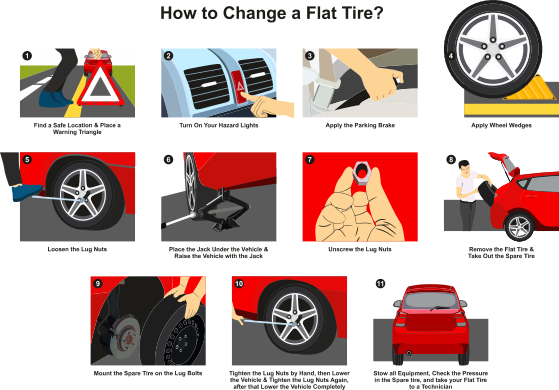
Changing a flat tire doesn’t have to be intimidating. Follow these clear steps to make the process smooth and safe.
1. Find A Safe Place To Stop
Slow down and look for a flat, stable spot away from traffic. Avoid soft ground or hills.
2. Turn On Hazard Lights
Alert other drivers so they give you space.
3. Gather Your Tools
Check your trunk for these essentials:
- Spare tire (make sure it’s inflated)
- Jack
- Lug wrench
- Wheel wedges (optional, but helpful for safety)
- Vehicle manual
- Flashlight (if at night)
4. Secure The Vehicle
Apply the parking brake. If you have wheel wedges or blocks, place them behind the tires to stop rolling.
5. Loosen The Lug Nuts
Before you lift the car, use the lug wrench to loosen (but not remove) the lug nuts. Turn them counterclockwise. This can be tough—sometimes you need to use your foot or body weight.
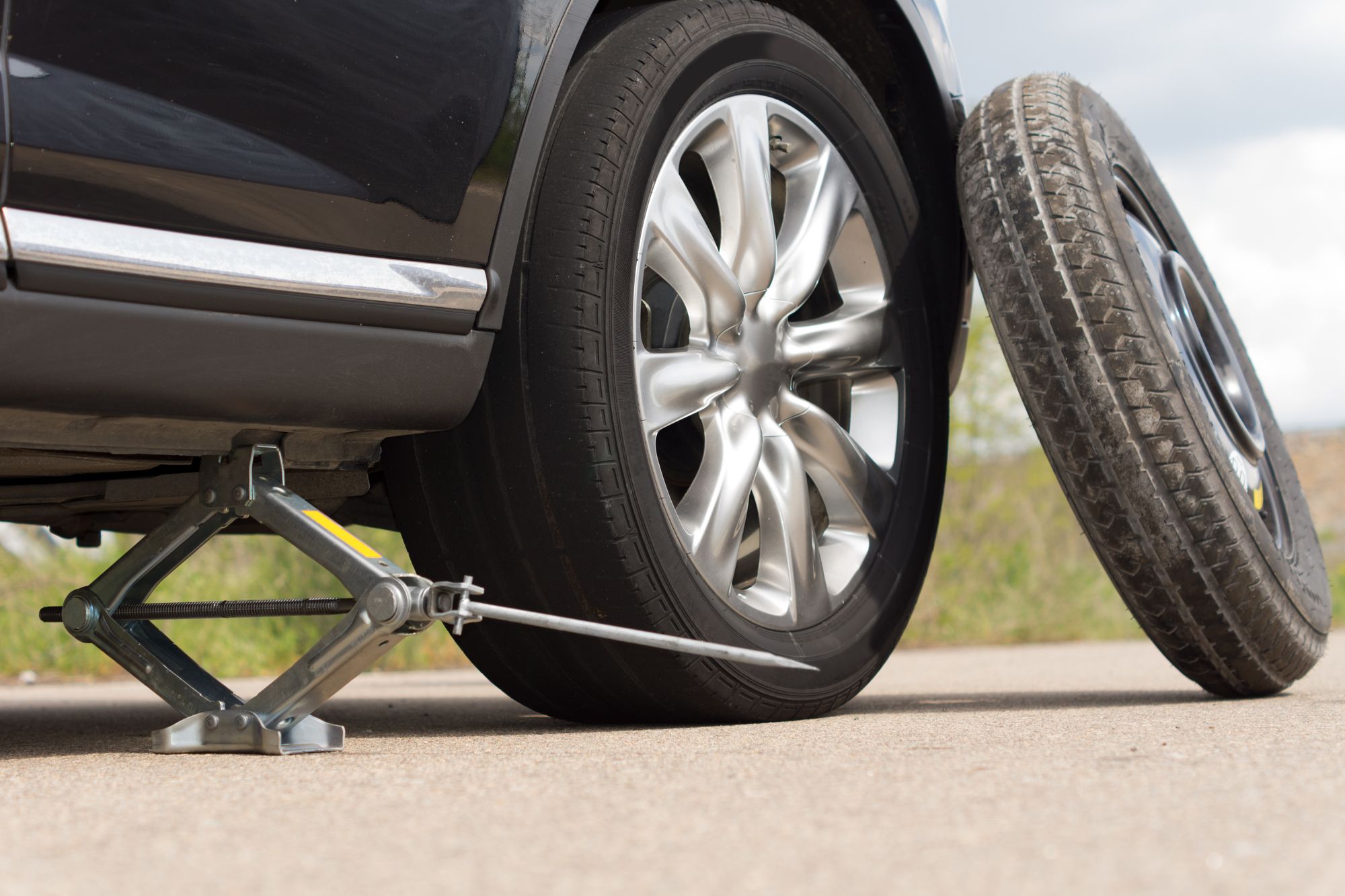
6. Lift The Vehicle
Place the jack under the car’s recommended lift point (check the manual). Pump or twist the jack until the flat tire is about 6 inches off the ground.
7. Remove The Lug Nuts And Tire
Unscrew the loosened lug nuts completely. Keep them in a safe place. Pull the flat tire straight off.
8. Mount The Spare Tire
Line up the holes and push the spare onto the hub. Screw on the lug nuts by hand as tightly as possible.
9. Lower The Car And Tighten
Use the jack to lower the vehicle until the tire just touches the ground. Now, use the wrench to tighten the lug nuts in a star pattern. This makes sure the tire sits evenly.
10. Fully Lower And Finish Tightening
Lower the car all the way and remove the jack. Tighten the lug nuts again as much as you can.
11. Check The Spare Tire Pressure
Many forget this step. If the spare is low on air, drive slowly to the nearest service station.
12. Stow Your Tools And Flat Tire
Put everything back in your trunk, including the flat tire (if it fits).
Real-world Example
Imagine you’re on your way to a job interview and get a flat. You pull over safely, take out your spare and tools, and follow the steps above. Even if it’s your first time, you can expect to be back on the road in under 45 minutes if you stay calm and work methodically.
Credit: www.reddit.com
How Roadside Assistance Compares
Some drivers prefer to call for help. Here’s how that option compares:
| Method | Average Wait Time | Change Time | Total Time | Pros | Cons |
|---|---|---|---|---|---|
| DIY Change | 0 min | 20–40 min | 20–40 min | No waiting, saves money | Needs physical effort, risk if unskilled |
| Roadside Assistance | 30–60 min | 10–20 min | 40–80 min | Expert help, less stress | Longer overall time, possible costs |
Pro tip: If you’re in an unsafe area or unsure about your skills, calling for professional help is the smart move—even if it takes longer overall.
What Slows Down A Tire Change?
Most flat tire changes are straightforward, but sometimes problems happen. Here are a few common delays:
- Stuck lug nuts: If they’re rusted or over-tightened, removing them takes extra time. Some drivers carry a spray lubricant just in case.
- Missing or damaged tools: Many drivers discover too late that their jack or wrench is missing. Check your kit before you need it.
- Hidden or hard-to-reach spare: Some trucks and SUVs have spare tires mounted underneath, which can be hard to access.
- Weather issues: Rain, snow, or mud can make your jack slip or make it harder to see what you’re doing.
- Physical limitations: If you have back problems or trouble kneeling, the process will naturally take longer.
Tips To Make Tire Changes Faster And Easier
You can reduce the time needed and avoid surprises with a few smart habits.
- Practice at home: Try changing your tire in your driveway. Familiarity makes a huge difference when it matters.
- Keep tools organized: Store your jack, wrench, and spare tire together and check them twice a year.
- Use gloves: They protect your hands and improve grip, especially in bad weather.
- Carry a portable tire inflator: If your spare is a little low, you can add air on the spot.
- Consider a tire repair kit: For small punctures, a plug kit can be faster than a full tire change.
- Invest in a quality jack: The small jacks that come with cars can be slow. A better jack saves time and effort.
Insider tip: Most people forget to check the air pressure of their spare tire. A flat spare is useless—add it to your monthly car check routine.
When Should You Not Change The Tire Yourself?
Changing a flat is a useful skill, but sometimes it’s best to get help. Avoid DIY changing if:
- You’re on a busy highway with little space
- The ground is uneven or unstable
- The weather is severe (heavy rain, ice, extreme heat)
- You don’t feel safe or confident
Your safety comes first. If in doubt, call for help—even if it takes longer.
Spare Tire Vs. Full-size Replacement: Time Differences
Not all spares are created equal. Most modern cars come with a compact spare (also called a “donut”). These are lighter and easier to mount, but they’re only for short-term use and lower speeds.
A full-size spare is just like your regular tire. It takes a bit more effort to install because it’s heavier, but it lets you drive normally until you can get a new tire.
Here’s a quick comparison:
| Spare Type | Change Time | Drive Distance Limit | Max Speed |
|---|---|---|---|
| Compact (“donut”) spare | 15–25 min | 50–70 miles | 50 mph |
| Full-size spare | 20–30 min | No limit | Normal speeds |
| Tire repair kit | 10–20 min | Vary by kit | Vary by kit |
Non-obvious insight: Some luxury cars now come with a tire sealant and inflator kit instead of a spare tire. While these can be faster, they only work for certain types of punctures.
What To Do After Changing Your Tire
Once the spare is on and you’re back on the road, there are a few important steps to take:
- Drive carefully: Spare tires aren’t designed for long distances or high speeds.
- Visit a tire shop: Get your flat repaired or replaced as soon as possible.
- Check lug nut tightness: After driving 25–50 miles, recheck the lug nuts. Sometimes they loosen after the first drive.
- Replace or repair your spare: If you used your spare, fix it or get a new one so you’re prepared next time.
Credit: wrench.com
How Long Do Professional Tire Shops Take?
If you bring your car to a tire shop, the process is different. Most shops can replace or repair a tire in 30–60 minutes, depending on how busy they are and the type of service needed. If you need a new tire, allow extra time for installation and balancing.
According to the Wikipedia entry on flat tires, modern tire shops use hydraulic lifts and power tools, which make the process much faster than doing it by hand.
Frequently Asked Questions
How Long Does It Take For A Beginner To Change A Flat Tire?
A beginner usually needs 30 to 45 minutes to change a flat tire for the first time. This includes reading instructions and finding tools.
Can You Drive On A Flat Tire For A Short Distance?
It’s not safe to drive on a flat, even for a short distance. Doing so can damage your wheel and make repairs more expensive.
Do Run-flat Tires Save Time During A Flat?
Run-flat tires let you drive for 50–70 miles at low speeds after a puncture, so you don’t have to stop and change the tire immediately. However, they are more expensive to replace.
How Often Should I Check My Spare Tire?
Check your spare tire every month or at least before long trips. Make sure it’s inflated and in good condition.
What If My Car Doesn’t Have A Spare Tire?
Some newer cars come with a tire repair kit instead. These kits are faster to use but only work for small punctures. For bigger damage, you’ll need professional help.
Changing a flat tire is a valuable skill that can save you time and stress. By practicing and keeping your tools ready, most people can handle a flat in about 20–40 minutes. Remember, your safety is more important than speed—work carefully, know when to call for help, and you’ll be back on the road with confidence.
Credit: driving-tests.org