A well-maintained car is reliable, safe, and efficient. One often overlooked part of regular car maintenance is tire rotation, especially on front-wheel drive (FWD) vehicles. Many drivers wonder how often they should rotate tires on an FWD car and what happens if they skip this task. Tire rotation may not seem urgent, but it’s a key step to keep your tires lasting longer, your ride smoother, and your wallet happier. Let’s dig into why tire rotation matters for FWD cars, how often you should do it, and what else you need to know.
Why Tire Rotation Matters For Fwd Cars
FWD cars send power to the front wheels. This means the front tires handle most of the acceleration, steering, and braking. As a result, they wear out much faster than the rear tires. If you don’t rotate your tires, you risk uneven tread wear, which leads to:
- Reduced traction and handling, especially in wet or slippery conditions
- Increased risk of blowouts or tire failure
- Shorter tire lifespan
- Lower fuel efficiency
On FWD cars, the difference in wear between front and rear tires is more dramatic than on all-wheel drive or rear-wheel drive vehicles. That’s why regular tire rotation is especially important for FWD owners.
How Often Should You Rotate Tires On An Fwd Car?
Most experts recommend rotating tires every 5,000 to 7,500 miles for FWD cars. This interval lines up well with many oil change schedules, so you can combine both tasks to save time and effort. However, the ideal rotation frequency can depend on several factors:
- Tire type: Performance tires and softer compounds may need rotation more often.
- Driving habits: If you drive aggressively, frequently brake hard, or carry heavy loads, tires wear faster.
- Road conditions: Rough roads, potholes, and gravel speed up tire wear.
- Manufacturer guidelines: Always check your owner’s manual for specific recommendations.
Here’s a quick reference table comparing tire rotation intervals for different vehicle types:
| Vehicle Type | Recommended Interval | Typical Tire Wear Pattern |
|---|---|---|
| Front-Wheel Drive (FWD) | 5,000–7,500 miles | Front wears faster |
| Rear-Wheel Drive (RWD) | 6,000–8,000 miles | Rear wears faster |
| All-Wheel Drive (AWD) | 6,000–8,000 miles | Even wear |
If you’re not sure, stick to the 5,000 miles rule for FWD cars. It’s a safe bet for most drivers.
Signs Your Tires Need Rotation
Sometimes, tires need rotating sooner than expected. Watch for these signs:
- Uneven tread wear: Front tires look bald while rear tires have deep tread.
- Vibration: Your steering wheel shakes at certain speeds.
- Noise: Odd humming or droning sounds from the tires.
- Pulling: The car drifts to one side while driving straight.
If you notice any of these, rotate your tires as soon as possible—even if you haven’t reached the mileage interval.
Tire Rotation Patterns For Fwd Vehicles
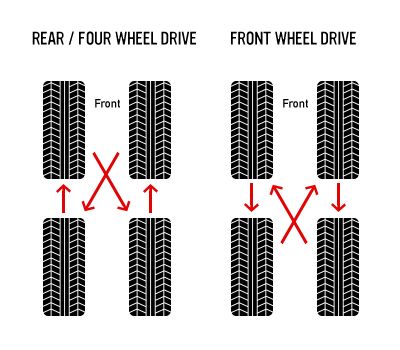
Not all tire rotation methods are the same. FWD cars use a specific pattern to maximize tire life and balance wear. The most common for FWD cars is the forward cross pattern:
- Move the front tires directly to the rear positions (left front → left rear, right front → right rear).
- Move the rear tires to the front, crossing sides (left rear → right front, right rear → left front).
Here’s a simple visual table to help:
| Original Position | New Position |
|---|---|
| Left Front | Left Rear |
| Right Front | Right Rear |
| Left Rear | Right Front |
| Right Rear | Left Front |
If your tires are directional (can only roll one way), move them front-to-back without crossing sides. If you’re unsure, check the markings on the sidewall or ask your tire shop.
What Happens If You Skip Tire Rotation?
Skipping tire rotation has real consequences, especially for FWD cars:
- Front tires wear out up to 2x faster than rear tires.
- You may need to buy new tires sooner, costing hundreds of dollars.
- The car’s handling can get unpredictable and unsafe.
- Tire warranties may become void due to improper maintenance.
A study by the Rubber Manufacturers Association found that regular tire rotation can extend tire life by up to 20%. That’s a big savings over time.
How To Rotate Tires: Step-by-step Guide
Rotating tires is a simple task if you have basic tools and some patience. Here’s how to do it for an FWD car:
- Park safely: Use a flat surface and engage the parking brake.
- Loosen lug nuts: Slightly loosen each nut before lifting the car.
- Lift car: Use a jack and jack stands for safety.
- Remove tires: Take off all four tires.
- Follow rotation pattern: Use the forward cross pattern for FWD cars.
- Reinstall tires: Place tires in their new positions.
- Tighten lug nuts: Tighten in a star pattern to avoid uneven pressure.
- Lower car and finish tightening: Re-tighten once the car is back on the ground.
If you’re not comfortable doing this yourself, most shops charge $20–$60 for a tire rotation.

Credit: donhattan.com
Common Mistakes To Avoid
Even experienced drivers make mistakes when rotating tires. Here are a few to watch out for:
- Ignoring tire type: Directional tires need a different pattern.
- Skipping balancing: If your tires feel shaky, ask for a balance check.
- Forgetting torque specs: Lug nuts should be tightened to the manufacturer’s recommended torque.
- Rotating tires with uneven wear: If one tire is badly worn, rotating won’t fix the problem—replace it instead.
- Not checking tire pressure: Always check and adjust pressure after rotation.
These mistakes can lead to safety issues or reduced tire life.
How Tire Rotation Affects Safety And Performance
Regular tire rotation is not just about saving money. It directly affects your safety and driving experience:
- Braking distance: Evenly worn tires stop the car faster.
- Handling: Balanced tires improve steering and control.
- Tire blowouts: Rotation reduces the risk of sudden tire failures.
- Ride quality: Less vibration, smoother driving.
In rain or snow, FWD cars rely heavily on the front tires for grip. If these tires are worn, your car can lose control more easily. Keeping all tires evenly worn helps maintain traction and stability.
Credit: www.earlstewarttoyota.com
Cost-benefit Of Regular Tire Rotation
Many people ask if regular tire rotation is worth the cost. Let’s break it down:
| Maintenance Task | Average Cost | Impact on Tire Life |
|---|---|---|
| Tire Rotation | $20–$60 | Up to 20% longer life |
| Skip Rotation | $0 | Replace tires sooner |
| New Tires (Set of 4) | $400–$800 | Every 40,000–60,000 miles |
Rotating your tires every 5,000 miles can save $100s over the life of your car, not to mention the safety benefits.
Real-world Examples
Let’s look at two drivers with FWD cars:
- Driver A rotates tires every 5,000 miles. Their tires last 60,000 miles, and they enjoy smooth, safe driving.
- Driver B never rotates tires. Their front tires wear out at 30,000 miles, needing replacement twice as often. Their car pulls to the side, and they spend more money.
The difference is clear: regular tire rotation for FWD cars protects your investment and keeps you safer.
Credit: www.firestonecompleteautocare.com
Expert Recommendations
Most car makers and tire brands agree: rotate tires regularly. For example, Honda and Toyota both suggest 5,000–7,500 miles for FWD models. The Tire Industry Association also supports this interval for best results.
If you have performance tires, check your manual or tire label. Some may need rotation even more often.
For further reading on tire maintenance, the Consumer Reports guide offers practical tips and up-to-date research.
Frequently Asked Questions
How Does Tire Rotation Extend Tire Life On Fwd Cars?
Rotating tires spreads the workload among all four tires. Since FWD cars put more stress on the front tires, moving them to the back lets them rest and wear more slowly. This balances tread wear and helps tires last longer.
Can I Rotate Tires Less Often If I Drive Mostly On Highways?
Highway driving causes less tire wear than city driving. You may be able to stretch intervals to 7,500 miles, but it’s still wise to check tires for uneven wear and stick to the recommended schedule for FWD cars.
Is It Safe To Rotate Tires Myself?
Yes, if you follow safety steps: use a proper jack and stands, loosen nuts before lifting, and follow the correct pattern. If unsure, get help from a professional shop to avoid mistakes.
What Happens If I Only Rotate Tires Once A Year?
For most drivers, once a year is too infrequent. Tires may wear unevenly, leading to early replacement, worse handling, and possible safety risks. Stick to the 5,000–7,500 mile guideline.
Do I Need To Rotate Tires If I Use All-season Tires?
Yes, even all-season tires need regular rotation. Tire type doesn’t change the wear pattern in FWD cars. Rotation is essential for maximizing tire life and performance.
Rotating tires on your FWD car is a simple step that delivers big rewards. By following the right schedule and pattern, you ensure a safer, smoother drive and save money in the long run. Don’t wait for problems to appear—make tire rotation a regular part of your maintenance routine.