Checking tire pressure in your Honda CR-V is one of the easiest ways to keep your SUV safe, comfortable, and efficient. Many drivers ignore this simple task, but it affects everything—from how your Honda handles to how much fuel you use.
If you’ve never checked tire pressure yourself or want to make sure you’re doing it right, this guide will walk you through each step, explain why it matters, and help you avoid common mistakes. With a few minutes every month, you can prevent costly repairs and enjoy a smoother ride.
Why Tire Pressure Matters For Your Honda Cr-v
Tire pressure isn’t just a number. It affects your driving every day. For the Honda CR-V, keeping tires at the recommended pressure helps with safety, fuel economy, tire life, and even comfort. Underinflated tires can make your car harder to control, increase braking distance, and cause tires to wear out faster. Overinflated tires can make your ride rough and reduce the area touching the road, which impacts traction.
According to the National Highway Traffic Safety Administration (NHTSA), about 11,000 tire-related crashes happen every year in the US. Most are linked to improper tire maintenance, including wrong pressure. For the Honda CR-V, the manufacturer recommends a specific PSI (pounds per square inch), usually found on a sticker inside the driver’s door. Keeping your tires at this number can improve gas mileage by up to 3%, extend tire life by thousands of miles, and reduce the risk of a blowout.
Where To Find The Recommended Tire Pressure
Every Honda CR-V model has its own ideal tire pressure. The easiest way to find it is to look for the tire information sticker—usually on the driver’s door jamb. This sticker tells you:
- Recommended PSI for front and rear tires
- PSI for the spare tire (if your CR-V has one)
- Tire size
If you don’t see the sticker, check your owner’s manual. Never use the PSI printed on the tire’s sidewall. That number is the maximum the tire can handle, not what Honda recommends.
Here’s a quick comparison for popular Honda CR-V models:
| Model Year | Front Tire PSI | Rear Tire PSI | Spare Tire PSI |
|---|---|---|---|
| 2022 | 32 | 32 | 60 |
| 2018 | 32 | 32 | 60 |
| 2015 | 32 | 30 | 60 |
| 2010 | 30 | 30 | 60 |
Most CR-Vs recommend 32 PSI for both front and rear tires, but always check your specific vehicle.
What You Need To Check Tire Pressure
You don’t need expensive tools. Here’s what you need:
- Tire pressure gauge (digital or manual)
- Air compressor (optional, for adding air)
- Owner’s manual (to confirm PSI)
- Pen and paper (optional, for notes)
Digital gauges are easier for beginners—they show exact numbers and are less likely to give false readings.
Step-by-step Guide To Checking Tire Pressure
Checking tire pressure in your Honda CR-V takes just a few minutes. Follow these steps:
- Park your CR-V on a flat surface. Make sure the car has been off for at least 30 minutes. This gives the tires time to cool, which gives a more accurate reading.
- Find the recommended PSI. Look at the sticker inside the driver’s door or check your manual.
- Remove the valve cap from one tire.
- Press the tire gauge onto the valve stem. You’ll hear a short hiss. Hold it in place until you get a reading.
- Check the reading. Compare it to Honda’s recommended PSI.
- Repeat for each tire. Don’t forget the spare tire.
- Add air if needed. If your tire is low, use an air compressor. Add air in short bursts, then check again.
- Replace the valve cap.
Here’s a simple way to track your readings:
| Tire | Reading 1 | Reading 2 | Recommended PSI |
|---|---|---|---|
| Front Left | 29 | 32 | 32 |
| Front Right | 31 | 32 | 32 |
| Rear Left | 30 | 32 | 32 |
| Rear Right | 31 | 32 | 32 |
| Spare | 55 | 60 | 60 |
Always check tires when they are cold. Driving heats up tires and can give a false high reading.

Credit: www.youtube.com
How Often Should You Check Tire Pressure?
You should check tire pressure at least once a month and before long trips. Also check when:
- Temperatures change (cold air lowers PSI)
- You hit a pothole
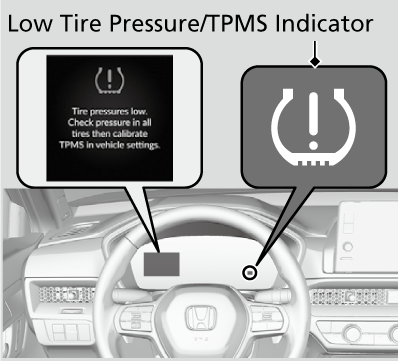
- Your CR-V’s TPMS (Tire Pressure Monitoring System) warning light comes on
Tires can lose about 1 PSI every month and even more in winter. If you live in a place with big temperature swings, check more often.
Using Your Cr-v’s Tire Pressure Monitoring System (tpms)
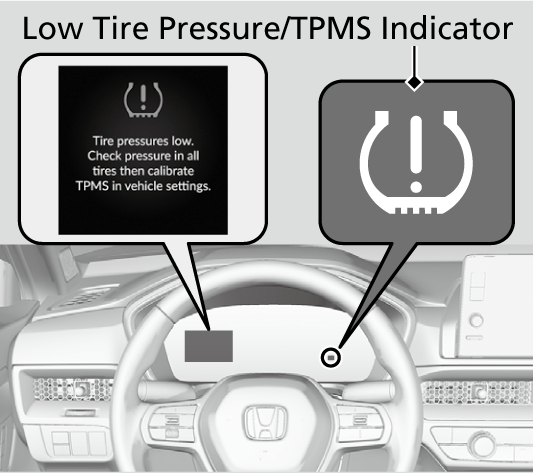
Since 2008, all Honda CR-Vs sold in the US have a TPMS. This system alerts you if tire pressure drops below a safe level. The TPMS light on your dashboard looks like an exclamation mark inside a tire.
TPMS is helpful, but not perfect. It usually alerts you when tires are 25% below recommended PSI. That means a tire can be underinflated for weeks before the light comes on.
Don’t rely only on TPMS. Manual checks are more accurate.
Resetting Tpms After Adding Air
If you add air and the TPMS light stays on, drive your CR-V for about 10 minutes at 30 mph or faster. The system should reset. If not, check all tires again. If the light stays on, there could be a sensor issue.
Common Mistakes When Checking Tire Pressure
Many drivers make simple mistakes. Avoid these:
- Checking hot tires: Always check when tires are cold.
- Using the wrong PSI: Don’t use the number on the tire sidewall.
- Ignoring the spare tire: A flat spare won’t help you in an emergency.
- Not replacing valve caps: Dirt can get into the valve and cause leaks.
- Relying only on TPMS: Manual checks are still necessary.
Benefits Of Proper Tire Pressure
There are many reasons to keep your Honda CR-V tires at the right pressure:
- Safety: Correct pressure helps your CR-V stop quickly and steer well.
- Fuel efficiency: Underinflated tires can cut gas mileage by up to 3 miles per gallon.
- Longer tire life: Tires last longer if they wear evenly.
- Comfort: Your CR-V will ride smoother and quieter.
What To Do If Your Tire Pressure Is Too Low
If you find a tire is low, add air as soon as possible. Most gas stations offer air pumps. If you notice a slow leak, check for nails or sharp objects in the tire. If the tire loses air quickly, don’t drive—call for roadside help or use a spare.
If you add air but the pressure drops again soon, you may have a damaged tire. Get it checked by a mechanic.
How Weather Affects Tire Pressure
Temperature changes can make your CR-V’s tire pressure go up or down. For every 10°F drop, tires lose about 1 PSI. In winter, it’s common to find tires low even if there are no leaks. In summer, tires can gain pressure, but never let air out unless it’s above the recommended PSI.
If you drive in extreme weather, check tire pressure more often.
Credit: techinfo.honda.com
Choosing The Right Tire Pressure Gauge
Not all gauges are equal. Here’s a quick look at the main types:
| Gauge Type | Accuracy | Ease of Use | Durability |
|---|---|---|---|
| Digital | High | Very Easy | Moderate |
| Pencil (stick) | Moderate | Easy | High |
| Dial (analog) | High | Easy | High |
Digital gauges are best for beginners. Dial gauges are popular with mechanics. Pencil gauges are cheap but can wear out.
Non-obvious Tips For Honda Cr-v Owners
- Check after tire rotation: If you rotate your tires, double-check pressure. Sometimes tires are swapped to different positions, and you might forget to reset the PSI.
- Record your readings: Keep a small notebook in your glove box. Write down each check—this can help you spot slow leaks or changes over time.
- Inspect valve stems: Sometimes, leaks come from the valve stem, not the tire. Look for cracks or damage.
Resources For Honda Cr-v Owners
If you want more detailed information, Honda’s official site has guides and manuals. You can also find tire maintenance tips from the NHTSA and tire manufacturers. For general car maintenance, visit Consumer Reports.
Frequently Asked Questions
What Is The Correct Tire Pressure For A Honda Cr-v?
Most newer Honda CR-Vs recommend 32 PSI for both front and rear tires. Always check the sticker on your driver’s door or your owner’s manual for your exact model.
How Often Should I Check My Honda Cr-v Tire Pressure?
Check tire pressure at least once a month and before any long trip. If temperatures change or your TPMS light comes on, check sooner.
Can I Rely Only On The Tpms System?
No. The TPMS system alerts you when tire pressure is very low, but manual checks are more accurate. TPMS can miss slow leaks or minor drops.
Does Tire Pressure Change With Weather?
Yes. Tire pressure drops about 1 PSI for every 10°F decrease in temperature. In winter, check more often. In summer, pressure can rise, but don’t let air out unless it’s above the recommended PSI.
How Do I Add Air If My Tire Pressure Is Low?
Use an air pump at a gas station or a portable compressor. Remove the valve cap, attach the hose, and add air in short bursts. Check the pressure often to avoid overfilling.
Keeping your Honda CR-V tires at the right pressure is a simple but powerful way to protect your vehicle and your family. With a few minutes each month, you’ll drive safer, save money, and enjoy a more comfortable ride. Take the time to check your tire pressure—your Honda CR-V will thank you.
Credit: techinfo.honda.com