Keeping trailer tires in good shape is not just about safety—it also saves money and prevents headaches on the road. One common enemy of trailer tires is dry rot. This silent problem can ruin tires, even if you don’t drive your trailer often. Dry rot makes tires crack, lose strength, and eventually fail. For people who use trailers for camping, work, or recreation, understanding how to prevent dry rot is essential. This guide will show practical ways to protect your trailer tires, highlight key mistakes, and share insights that even experienced owners sometimes overlook.
What Is Dry Rot And Why Does It Matter?
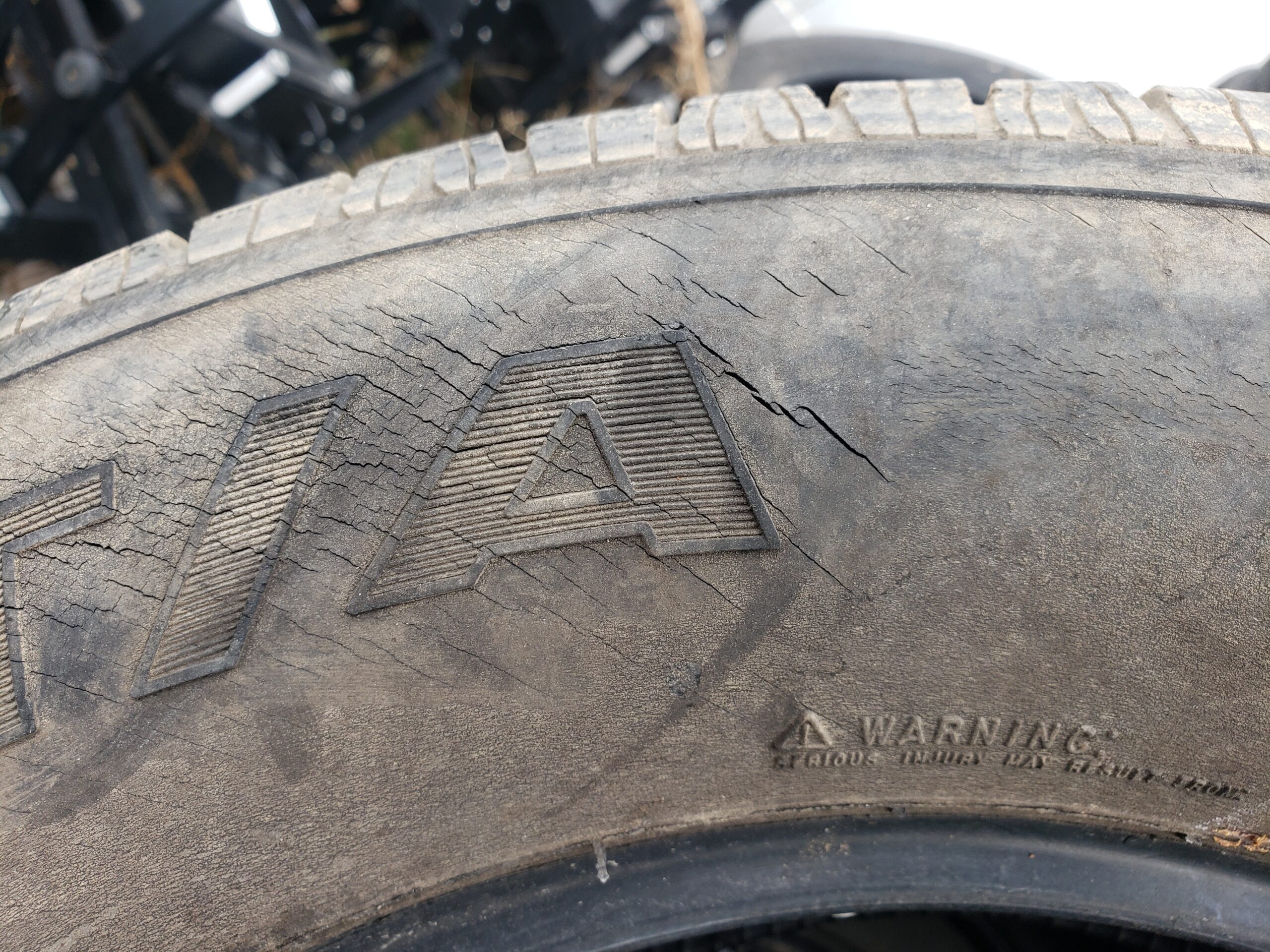
Dry rot is a type of tire deterioration caused mainly by exposure to air, sunlight, and ozone. Tires begin to crack, harden, and lose flexibility. Unlike tread wear from driving, dry rot affects trailers parked for long periods. Even tires with good tread can become unsafe if dry rot sets in.
Dry rot weakens the tire’s structure. Cracks can form on the sidewalls or between treads. A tire with dry rot is more likely to blow out, especially at highway speeds. According to the National Highway Traffic Safety Administration, tire failure causes thousands of crashes each year, many linked to neglected trailer tires.
Main Causes Of Dry Rot In Trailer Tires
Understanding what causes dry rot helps you avoid it. Here are the main reasons:
- UV Exposure: Sunlight breaks down tire rubber. Ultraviolet rays speed up the aging process.
- Ozone Exposure: Ozone in the air reacts with rubber, causing cracks and hardening.
- Heat: High temperatures accelerate chemical changes in tire material.
- Lack of Use: Tires not used regularly dry out faster. Moving tires helps distribute protective oils in the rubber.
- Improper Storage: Storing tires in damp, dirty, or hot places increases risk.
- Low Tire Pressure: Underinflated tires flex more, increasing surface cracks.
- Age: Even unused tires degrade over time.
Many trailer owners think low mileage means tires will last forever. In reality, tires age whether you use them or not.

Credit: www.raceramps.com
How To Prevent Dry Rot: Essential Strategies
Protecting trailer tires from dry rot is mostly about regular care and smart storage. Here’s what you should do:
Keep Tires Covered
Sunlight is one of the worst enemies of tires. Use UV-resistant tire covers whenever your trailer is parked outside. Good covers block sunlight and shield from rain and ozone. Make sure the covers fit snugly and reach the ground.
Store Your Trailer Properly
If possible, keep your trailer in a garage or shaded area. Indoor storage reduces exposure to sun, ozone, and moisture. For outdoor storage, choose a spot away from direct sunlight and sources of ozone (like electric motors).
Maintain Correct Tire Pressure
Check tire pressure at least once a month. Use a reliable gauge, and fill tires to the manufacturer’s recommended PSI. Underinflated tires flex more and develop cracks faster. Remember, tire pressure drops in cold weather.
Clean Tires Regularly
Dirt, oil, and chemicals can break down rubber. Clean tires with mild soap and water. Avoid harsh chemicals, bleach, or tire dressings not approved for rubber. After cleaning, dry tires thoroughly.
Move Your Trailer Periodically
Tires need to flex to stay healthy. If your trailer sits for months, move it every few weeks—even just a few feet. This spreads oils inside the rubber and prevents flat spots.
Avoid Parking On Harmful Surfaces
Parking on grass, mud, or asphalt increases moisture and chemical exposure. Use wooden boards or tire pads under each tire. These act as barriers and help prevent rot.
Inspect Tires Often
Look for cracks, discoloration, or dryness. Check sidewalls and tread. If you see small cracks, act quickly. Larger cracks mean the tire should be replaced.
Use Tire Protectants (with Caution)
Some tire sprays claim to protect against UV and ozone. Choose products made for trailer tires and follow instructions. Avoid anything with petroleum or silicone, which can harm rubber.
Replace Old Tires—even If They Look Fine
Trailer tires usually last 5 to 7 years, even if tread is good. Check the date code on the sidewall. If your tires are older, replace them before dry rot appears.
Comparing Storage Methods For Trailer Tires
Choosing the right storage method can make a big difference. Below is a comparison of three common ways to store trailer tires:
| Storage Method | Dry Rot Risk | Protection Level | Recommended For |
|---|---|---|---|
| Indoor (Garage) | Low | High | Long-term storage, high-value trailers |
| Outdoor with Covers | Medium | Moderate | Seasonal users, limited indoor space |
| Outdoor, Uncovered | High | Low | Short-term, but not ideal for long-term |
Indoor storage is best, but quality covers make a big difference for outdoor trailers.
Mistakes That Speed Up Dry Rot
Even careful owners sometimes make errors that lead to dry rot. Here are mistakes to avoid:
- Ignoring tire age: Old tires may look fine but can fail suddenly.
- Parking on grass or dirt: These surfaces hold moisture and chemicals.
- Using the wrong cleaners: Harsh chemicals damage rubber.
- Skipping inspections: Small cracks can turn into big problems.
- Not moving trailer: Stationary tires age faster.
Many people forget that dry rot can start on the inside of the tire, where it’s hard to see. Always check both sides and between treads.
How Weather And Climate Affect Trailer Tires
Weather plays a big role in tire health. In hot climates, rubber ages faster. Sun exposure is stronger, and ozone levels may be higher. In humid regions, moisture increases risk for rot. Cold climates cause tire pressure to drop, so it’s important to check PSI more often.
Owners in southern states often see dry rot sooner than those in northern regions. If you travel between climates, inspect your tires after every long trip.

Credit: www.raceramps.com
How To Identify Early Signs Of Dry Rot
Catching dry rot early can save you from dangerous blowouts. Here’s what to look for:
- Small cracks on sidewalls or tread
- Faded or gray color (instead of black)
- Rough, brittle texture
- Loss of flexibility (tire feels hard)
- Deep cracks (tires should be replaced)
If you see any of these signs, take action right away. Sometimes, deep cracks can appear under the tread, so check carefully.
Tire Brands And Dry Rot Resistance
Not all trailer tires are created equal. Some brands use better rubber compounds and UV blockers. Here’s a comparison of common trailer tire brands and their resistance to dry rot:
| Brand | Average Lifespan | Dry Rot Resistance | Price Range |
|---|---|---|---|
| Goodyear | 6-7 years | High | $$$ |
| Carlisle | 5-6 years | Medium | $$ |
| Westlake | 4-5 years | Low | $ |
Investing in higher-quality tires may cost more upfront, but they last longer and resist dry rot better.
How Often Should Trailer Tires Be Replaced?
Most experts recommend replacing trailer tires every 5 to 7 years, even if they look good. The rubber compounds break down over time, especially in harsh weather. Check the manufacture date on the sidewall. It’s a four-digit code—first two digits are the week, last two are the year.
For example: “4019” means the tire was made in the 40th week of 2019. If your tires are older than seven years, replace them immediately.
How To Safely Remove And Store Spare Tires
If you keep spare tires for your trailer, store them correctly to avoid dry rot. Remove the tire from the trailer and keep it in a cool, dark place. Hang the tire upright or lay it flat with nothing stacked on top.
Cover it with a cloth or tire bag, but make sure air can circulate.
Never store spare tires outside or in direct sunlight. Rotate spares into use every few years, so all tires wear evenly.
Credit: www.rvsofamerica.com
Real-world Example: Camper Trailer Owner
Sarah owns a camper trailer parked outside her house. She covers her tires, checks pressure monthly, and moves her trailer every few weeks. Despite low mileage, she replaces tires every six years. Sarah avoids parking on grass, cleans her tires with mild soap, and uses tire pads.
She has never experienced a blowout or dry rot failure. Her routine shows that prevention works.
Practical Tips Most Owners Miss
Many articles skip these points:
- Check the inside of the tire for cracks—not just the outside. Dry rot can start where you can’t see.
- Use tire pads under tires, even on concrete. Concrete can draw moisture up, increasing rot risk.
Some owners believe tire covers are enough. But if you don’t use pads, moisture from the ground can still reach the tire.
Cost Comparison: Prevention Vs. Replacement
Prevention is cheaper than replacing tires. Here’s a quick comparison:
| Action | Average Cost | Benefit |
|---|---|---|
| UV-resistant tire covers | $30-$50 (per set) | Extends tire life, prevents dry rot |
| Wooden tire pads | $10-$20 (for all tires) | Blocks moisture, reduces rot |
| Tire replacement | $300-$600 (per set) | Safety, reliability |
Small investments in covers and pads can save hundreds of dollars and hours of frustration.
Frequently Asked Questions
How Can I Tell If My Trailer Tires Have Dry Rot?
Look for cracks, faded color, and a rough texture on the sidewalls and tread. If tires feel hard or brittle, or you see deep cracks, dry rot is likely. Always check the inside as well.
Is It Safe To Drive On Tires With Minor Dry Rot?
No. Even small cracks can quickly turn into major failures at highway speed. Replace tires at the first sign of dry rot, especially for trailers carrying heavy loads.
Do Tire Covers Really Prevent Dry Rot?
Yes, UV-resistant covers block sunlight and ozone, which are major causes of dry rot. Make sure covers fit properly and cover the whole tire.
How Does Tire Age Affect Dry Rot?
Old tires—even unused—are more likely to develop dry rot. Rubber breaks down with time. Always check the manufacture date and replace tires older than seven years.
What Is The Best Way To Store Trailer Tires?
Store tires in a cool, dry, indoor location. Use tire covers, place pads under tires, and avoid direct sunlight. Move the trailer occasionally to keep tires flexible.
Taking care of trailer tires is simple but important. Dry rot is easy to prevent with regular checks, smart storage, and proper cleaning. Investing a little time and money now keeps your trailer safe, saves money, and prevents surprises on the road. If you want more details on tire safety, visit the National Highway Traffic Safety Administration for official guidance. Stay safe and enjoy your travels.