If you drive a Honda, you know the dashboard lights are important. One small warning, like the tire pressure sensor, can mean a big difference in safety and performance. But what happens when the sensor light stays on, even after you fix the tires?
Many drivers feel confused or worried. Resetting the Honda tire pressure sensor is not hard, but there are steps you need to follow to make sure everything works correctly. This article will guide you through the process, help you avoid mistakes, and show you why this sensor matters for your car’s health.
Let’s make sure you drive with confidence, every time you hit the road.
Why Tire Pressure Sensors Matter
The tire pressure sensor is part of your Honda’s Tire Pressure Monitoring System (TPMS). It checks the air pressure in your tires and warns you if something is wrong. Low tire pressure can cause problems:
- Reduced fuel efficiency (up to 3% lower MPG)
- Increased tire wear
- Poor handling and braking
- Higher risk of a blowout
In the US, the National Highway Traffic Safety Administration (NHTSA) says TPMS can prevent accidents and save lives. Studies show that driving with proper tire pressure reduces crash risk by 11% and saves up to $600 per year on tire and fuel costs.
Most Honda models since 2007 have TPMS. Some use direct sensors (inside the tire), others use indirect systems (use ABS sensors). Resetting is slightly different depending on the system. Knowing which type you have is important before you start.
When You Need To Reset The Sensor
The TPMS light may turn on for several reasons:
- Tire pressure is too low or too high
- You just changed or rotated your tires
- You repaired a puncture or replaced a sensor
- Seasonal temperature changes (cold weather lowers pressure)
- Sensor battery is weak or the sensor is faulty
Most drivers try to refill their tires first. But sometimes, even after adjusting pressure, the light stays on. That’s when you need to reset the tire pressure sensor.
Identifying Your Honda’s Tpms Type
Honda uses two main types of TPMS:
- Direct TPMS: Sensors are inside each tire, sending pressure data to the car.
- Indirect TPMS: Uses wheel speed sensors (ABS) to detect changes in tire rotation, which can signal low pressure.
Here is a quick comparison for common Honda models:
| Honda Model | Year Range | TPMS Type |
|---|---|---|
| Civic | 2007-2014 | Direct |
| Civic | 2015+ | Indirect |
| Accord | 2008-2012 | Direct |
| Accord | 2013+ | Indirect |
| CR-V | 2007-2014 | Direct |
| CR-V | 2015+ | Indirect |
If you are not sure, check your owner’s manual or look for a TPMS reset button. Direct systems usually have a reset button, indirect systems use the infotainment screen or steering wheel controls.
Step-by-step: How To Reset Honda Tire Pressure Sensor
Resetting depends on your system. Here’s how to do it for both types. Always check your tire pressure first, using a reliable gauge. Correct pressure is usually 32–35 psi for most Hondas, but check your door sticker for the exact number.
For Direct Tpms (older Models)
- Turn the ignition ON (do not start the engine).
- Find the TPMS reset button (usually under the dashboard, near the steering wheel).
- Press and hold the button until the TPMS light blinks three times, then release.
- Start the engine and drive at least 15 minutes at speeds above 30 mph. The system will recalibrate.
- If the light stays on, double-check tire pressure, check for damaged sensors, and repeat.
For Indirect Tpms (newer Models)
- Adjust tire pressure to recommended levels.
- Turn the ignition ON.
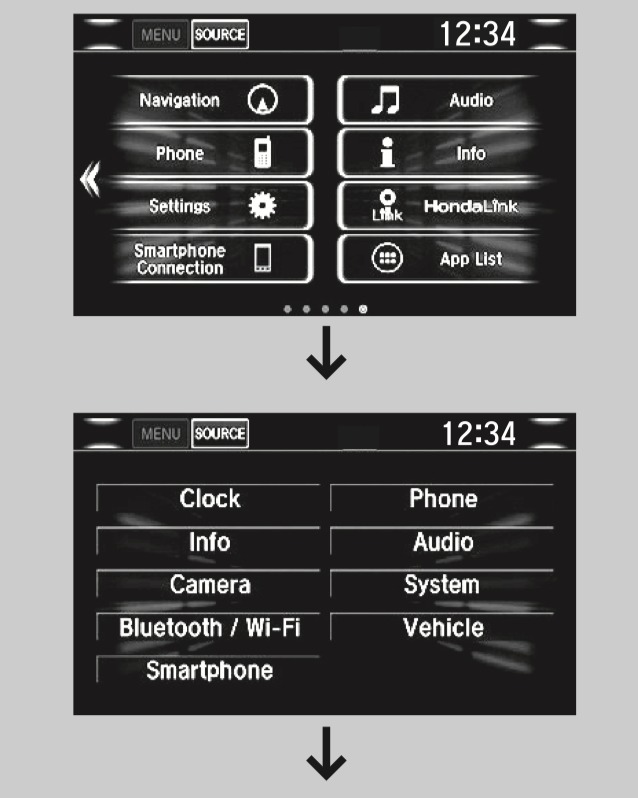
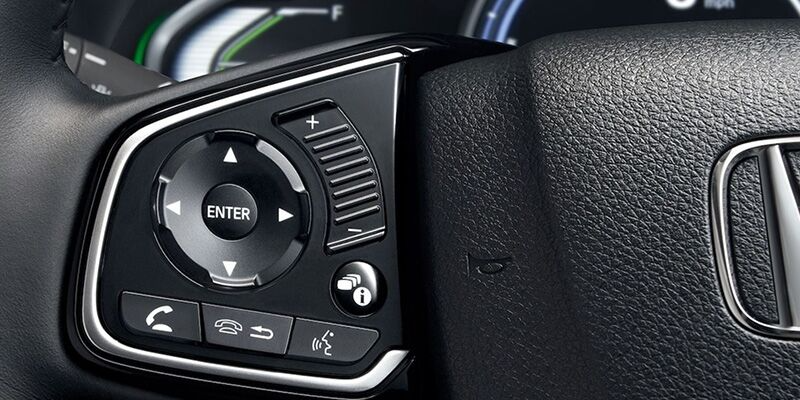
- Use the infotainment screen or steering wheel controls:
- Go to Settings > Vehicle > TPMS Calibration
- Select Calibrate and confirm
- Drive normally. Calibration can take up to 30 minutes of driving.
- If the light does not turn off after driving, check for tire damage or sensor issues.
Here’s a quick comparison between reset methods:
| System Type | Reset Method | Calibration Time | Common Issues |
|---|---|---|---|
| Direct | Button press | 15–20 min | Sensor failure, wrong pressure |
| Indirect | Infotainment or steering controls | 20–30 min | Wheel speed sensor error |
Non-obvious insight: Many beginners forget to check the spare tire. Some Hondas have a sensor in the spare, which can trigger the warning if it’s low.
Credit: www.geraldhondacountryside.com
Common Mistakes When Resetting
Resetting seems easy, but there are traps. Avoid these errors:
- Not checking all four tires (and spare)
- Using a cheap gauge (can be 2–3 psi off)
- Resetting before fixing the cause (like a nail in the tire)
- Ignoring the TPMS light for weeks
- Confusing TPMS with other warning lights
Another insight: After tire rotation, some TPMS systems need recalibration. Rotating tires without resetting can cause false warnings.
What If The Light Stays On?
If you follow the steps and the TPMS light remains, try these tips:
- Re-check all tires, including the spare.
- Inspect tires for damage (cuts, nails, bubbles).
- Make sure you used the correct pressure (see the sticker).
- Restart the reset process.
- If still on, the sensor may be faulty or the battery is dead (usually lasts 5–10 years).
A professional can diagnose sensor issues. Replacing a sensor costs $50–$80 per tire in most US shops. Some advanced scan tools can read TPMS codes, but these are not needed for most resets.
Credit: www.geraldhondacountryside.com
The Science Behind Tpms
Understanding how TPMS works helps you see why resetting matters. Direct sensors measure air pressure and temperature. Indirect systems use math: if one tire turns faster than others, it’s probably low.
Here’s a data snapshot:
| Tire Pressure (psi) | Expected MPG | Risk of Blowout |
|---|---|---|
| 35 | 100% | Low |
| 28 | 92% | Medium |
| 22 | 85% | High |
You can see how a small drop in pressure affects safety and fuel economy. Keeping your TPMS calibrated keeps your car efficient and safe.
Real-world Example: Resetting On A Honda Cr-v
Let’s look at a practical example. Sarah owns a 2017 Honda CR-V. In winter, her TPMS light turned on. She checked and found the tires at 29 psi (recommended is 33 psi). She filled the tires, but the light stayed on.
Sarah followed these steps:
- Turned on the ignition.
- Used the center screen: Settings > Vehicle > TPMS Calibration.
- Selected Calibrate.
- Drove for 20 minutes at normal speed.
The light went off after the drive. She realized the spare tire was also low, so she filled it as well. Now, her CR-V drives smoothly, and her fuel economy improved by 4%.
Tips For Maintaining Tire Pressure Sensors
- Check tire pressure monthly (especially in winter and summer)
- Use a digital gauge for accuracy
- Inspect tires for nails, cuts, or bubbles
- After tire change or rotation, reset your TPMS
- Don’t ignore the TPMS light—small problems become big ones
Many Honda drivers find that regular checks prevent sensor issues. If you travel long distances or live in areas with big temperature swings, checking more often is smart.
When To Seek Professional Help
Sometimes, resetting doesn’t work. If the TPMS light flashes (not steady), it means a system error. Dealers and tire shops have tools to scan for codes. They can:
- Replace faulty sensors
- Reprogram the system
- Update software
If your Honda is still under warranty, sensor replacement may be free. Always ask before paying.
Safety And Legal Requirements
In the US, all cars from 2007 onward must have TPMS. Ignoring the warning light is risky. Some states may fail your car inspection if the TPMS light is on. Properly resetting the sensor keeps you legal and safe.
Frequently Asked Questions
Why Does My Honda Tpms Light Turn On In Cold Weather?
Cold air causes tires to lose pressure. For every 10°F drop, you lose about 1 psi. Always check tires after big temperature changes.
Can I Drive With The Tpms Light On?
You can, but it’s not safe. Low pressure increases accident risk, reduces fuel economy, and damages tires. Fix the issue quickly.
How Do I Know If My Honda Uses Direct Or Indirect Tpms?
Check your owner’s manual or look for a TPMS reset button. Direct systems have a button, indirect use screen or steering controls.
Do I Need To Reset Tpms After Every Tire Change?
Yes, after tire replacement, repair, or rotation, always reset the system. This prevents false warnings and keeps the system accurate.
What If My Tpms Sensor Needs Replacing?
Most sensors last 5–10 years. If needed, a shop can replace them. Costs are $50–$80 per sensor. Some warranty plans cover this.
If you want more details on TPMS technology, visit Wikipedia for technical explanations and history.
Resetting your Honda tire pressure sensor is simple if you follow the right steps. It helps keep your car safe, saves money, and prevents annoying warnings. Take a few minutes each month to check your tires and reset the sensor when needed.
You’ll enjoy smoother drives, better mileage, and peace of mind knowing your Honda is ready for the road.

Credit: www.valleyhonda.com