Driving your car feels easy most days. You turn the key, the engine starts, and you’re off. But have you ever seen your dashboard warning light for low tire pressure and wondered, “Is it really bad to drive like this?” Many drivers ignore the alert, thinking it’s just a small issue. But driving with low tire pressure is more dangerous and costly than most people realize. It affects your safety, your wallet, and even the life of your car. In this article, we’ll explain why low tire pressure matters, how it changes your driving experience, and what you can do to avoid the problems it causes.
What Is Low Tire Pressure?
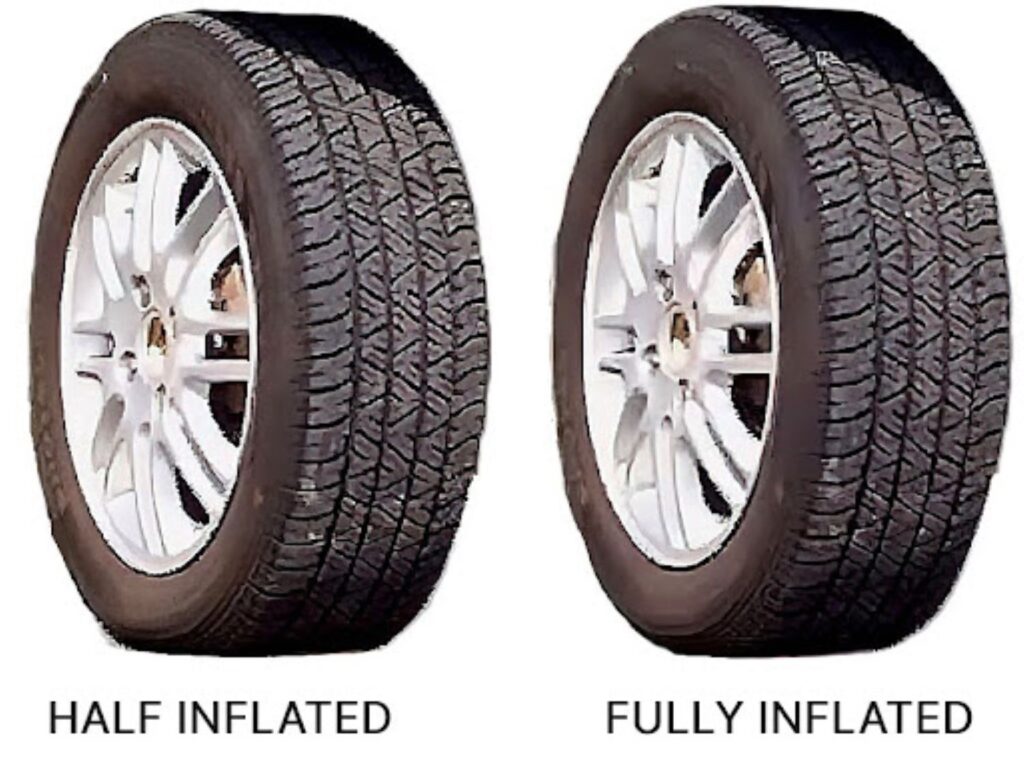
Tire pressure is the amount of air inside your tire, measured in PSI (pounds per square inch). Each car and tire has a recommended PSI, usually shown on a sticker inside the driver’s door or in your owner’s manual. Low tire pressure means your tires don’t have enough air for safe driving.
Sometimes, the difference is small—maybe 5 PSI below the recommendation. Other times, tires are much lower. Even a slight drop can create problems. For example, a tire that should be at 35 PSI but reads 28 PSI is already considered underinflated.
How Does Low Tire Pressure Affect Driving?
Most drivers don’t notice changes right away. But low tire pressure impacts your car in several ways:
- Handling becomes less precise. The car may feel “sloppy” or harder to control, especially when turning.
- Braking distance increases. It takes longer to stop, which can be risky in emergencies.
- Fuel efficiency drops. Underinflated tires create more resistance, forcing the engine to work harder.
- Tire wear increases. Low pressure causes uneven wear, shortening your tire’s lifespan.
Here’s a quick comparison showing how tire pressure influences key driving factors:
| Pressure Level | Handling | Braking Distance | Fuel Efficiency | Tire Wear |
|---|---|---|---|---|
| Normal | Stable | Short | Optimal | Even |
| Low | Unstable | Longer | Reduced | Uneven/Faster |
Even if your car feels fine, the risks grow each mile you drive on low tire pressure.
Safety Risks Of Driving On Low Tire Pressure
Safety is the biggest concern. Many accidents happen because of underinflated tires. Here are the main dangers:
- Loss of Control: Tires are your only contact with the road. Low pressure reduces grip, especially in wet or icy conditions.
- Blowouts: When a tire is underinflated, its sidewalls flex more. This builds heat and can cause sudden failure.
- Longer Stopping Distance: You need more space to stop, which can be dangerous if a car pulls out suddenly.
- Poor Cornering: Low pressure makes tires “roll” more during turns, increasing the chance of skidding.
According to the National Highway Traffic Safety Administration (NHTSA), underinflated tires are a factor in over 11,000 accidents each year in the US.
How Low Tire Pressure Costs You Money
Driving on low tire pressure isn’t just risky—it’s expensive. Here’s how:
- Reduced gas mileage: You can lose 3–5% of your fuel economy. For a car that gets 30 mpg, that’s up to 1.5 fewer miles per gallon.
- Shorter tire life: Tires wear out 25% faster when underinflated.
- Repair bills: Blowouts and uneven wear can lead to costly repairs or replacements.
- Potential fines: Some states require proper tire maintenance. Ignoring tire pressure can lead to tickets.
Let’s see the difference in costs over time:
| Scenario | Average Tire Life (Miles) | Fuel Efficiency (mpg) | Annual Cost (Estimate) |
|---|---|---|---|
| Proper Pressure | 40,000 | 30 | $1,000 |
| Low Pressure | 30,000 | 28.5 | $1,250 |
These numbers show that ignoring tire pressure leads to higher costs—sometimes hundreds of dollars per year.
How To Check And Maintain Tire Pressure
Many people think checking tire pressure is difficult, but it’s simple with the right tools. Here’s how:
- Find your recommended PSI: Look inside your driver’s door or check your owner’s manual.
- Use a reliable gauge: Digital gauges are more accurate than old stick types.
- Check when tires are cold: Air expands with heat, so check before driving.
- Inflate as needed: Most gas stations have air pumps. Add air slowly and check often.
- Repeat monthly: Tires lose air naturally, so regular checks are important.
Here’s a quick reference for tire pressure maintenance:
| Step | Frequency | Tip |
|---|---|---|
| Check pressure | Monthly | Do it first thing in the morning |
| Inspect tires | Every week | Look for cuts or bulges |
| Add air | As needed | Don’t over-inflate |
Common Causes Of Low Tire Pressure
Understanding why tires lose pressure helps prevent future problems. Some reasons are obvious, but others surprise even experienced drivers:
- Temperature changes: Cold weather causes air to contract, lowering PSI.
- Slow leaks: Small punctures or valve issues can drop pressure over time.
- Damaged rims: If a rim is bent, it may not seal properly.
- Driving habits: Hitting curbs or potholes can cause leaks.
Two non-obvious insights:
- New tires can still lose air: Even fresh tires may not seal perfectly and can lose PSI in the first weeks.
- Valve caps matter: Missing or loose valve caps let dirt in, which can cause leaks. Always replace them.
How Low Is Too Low?
Not all low pressure is equal. A tire 1–2 PSI below normal is less risky, but 5 or more PSI low can cause major problems. Most experts say:
- 2–3 PSI low: Noticeable, but not immediately dangerous.
- 5 PSI low: Unsafe, especially at high speeds or in bad weather.
- 10+ PSI low: Very risky; chance of blowout rises sharply.
If your tire is 10 PSI below the recommended level, you should avoid driving and fix it immediately.
What Happens If You Ignore Low Tire Pressure?
Some drivers ignore the warning light, thinking nothing bad will happen. But the longer you drive, the higher the risks:
- Tire failure: The most common outcome is a sudden blowout, which can cause crashes.
- Poor performance: Your car won’t handle or brake as well, making accidents more likely.
- Hidden damage: Low pressure can damage the internal structure of the tire. Even if you refill the air, the tire may be weakened.
One practical example: A driver in Texas ignored a low tire warning for weeks. The tire failed on a busy highway, causing the car to spin out. Luckily, no one was hurt, but the tire and rim had to be replaced—costing over $400.

Credit: www.canadasafetytraining.com
How Technology Helps With Tire Pressure
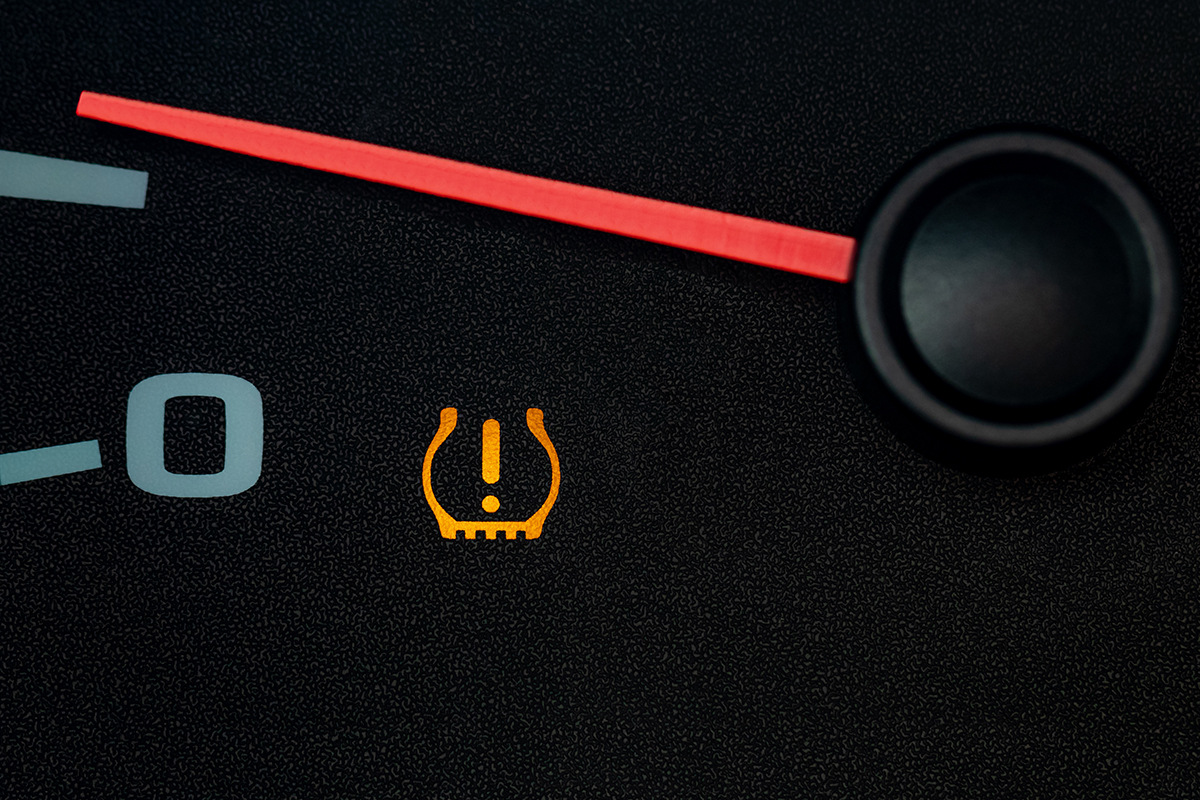
Modern cars often have Tire Pressure Monitoring Systems (TPMS). This system alerts you when pressure drops below a safe level. But TPMS isn’t perfect:
- It may not warn you until pressure is very low.
- It doesn’t show which tire is affected on all models.
- You still need to check tires manually, especially before long trips.
Some newer systems show exact PSI for each tire, making checks easier.
Tips For Safe Driving And Tire Care
If you want to avoid the risks and costs of low tire pressure, follow these tips:
- Check tires before long trips: Road heat and speed increase the risk of blowouts.
- Inspect after hitting a pothole: Even if your car feels fine, a tire may have a slow leak.
- Rotate tires regularly: This helps them wear evenly and keeps pressure stable.
- Use quality gauges: Cheap gauges can give wrong readings—invest in a reliable one.
- Don’t rely only on TPMS: Always check manually for peace of mind.
Credit: www.carparts.com
Real-life Data On Tire Pressure Problems
Research shows the impact of tire pressure is greater than most people think. For example, a study by the U.S. Department of Energy found that proper tire inflation can improve fuel efficiency by up to 3.3%. Another report from the Rubber Manufacturers Association states that only 19% of drivers check their tire pressure monthly, even though it’s recommended.
Two non-obvious facts:
- Tires lose air faster in summer: Heat expands air, but it also increases wear and can cause faster leaks.
- Older cars lose pressure more quickly: Aging seals and valves make leaks more common.
If you’re unsure about your tire pressure, it’s always better to check than to risk problems.
Frequently Asked Questions
What Happens If I Drive With Low Tire Pressure For A Short Time?
Driving with low tire pressure for a short distance may not cause immediate damage, but even brief trips increase tire wear and reduce safety. The risks grow with speed and distance.
How Can I Tell If My Tire Pressure Is Too Low Without A Gauge?
Look for signs like a “flat” appearance, poor handling, or the TPMS warning light. But these signals often appear late—using a proper gauge is always safer.
Can Low Tire Pressure Damage My Car’s Suspension?
Yes, low tire pressure can stress your car’s suspension and steering components. The added movement and vibration from underinflated tires wear out parts faster.
Is It Okay To Drive To A Gas Station To Fill My Tires If Pressure Is Low?
If the pressure is just slightly low (2–3 PSI), it’s usually safe to drive slowly to a gas station. But for very low pressure (5+ PSI), avoid driving and consider roadside help.
How Often Should I Check My Tire Pressure?
Experts recommend checking tire pressure at least once a month and before long trips. Changes in weather or hitting objects may require more frequent checks.
Driving on low tire pressure is never a good idea. It reduces safety, costs money, and damages your tires and car. A few minutes spent checking and maintaining your tire pressure can save you from accidents, expensive repairs, and even serious injuries. Don’t ignore the warning—stay safe and keep your tires healthy. For more detailed information and tips, visit the NHTSA tire safety page.
Credit: retail.wonderlandtire.com