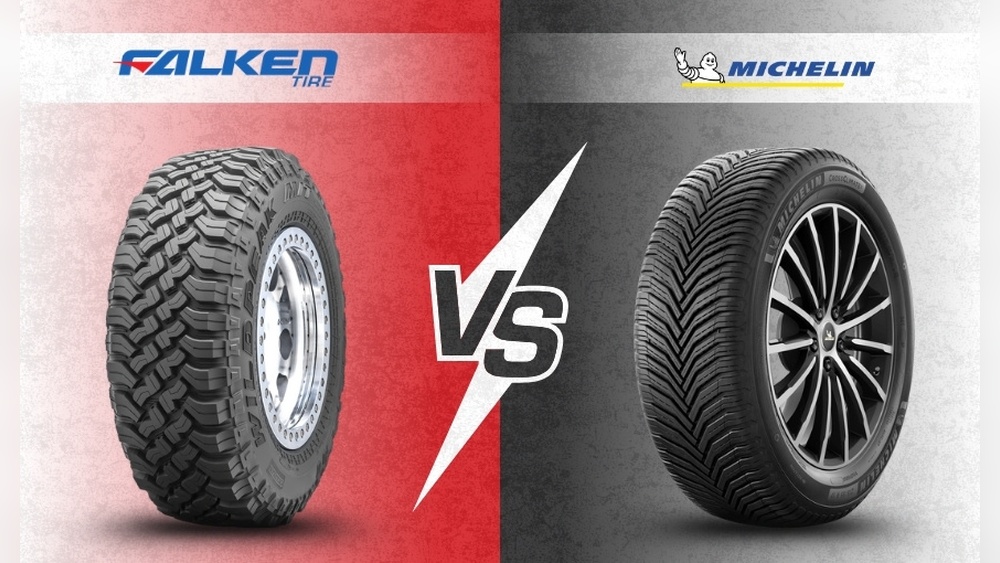
Choosing the right tires for your vehicle can feel confusing, especially when you come across terms like LT and HT tires. You might be wondering, which one is best for your driving needs?
The truth is, picking between LT (Light Truck) and HT (Highway Terrain) tires can make a big difference in how your vehicle handles, performs, and even how safe you feel on the road. This guide will help you understand the key differences so you can make the smartest choice for your ride.
Keep reading to find out which tire suits your lifestyle and driving style perfectly.
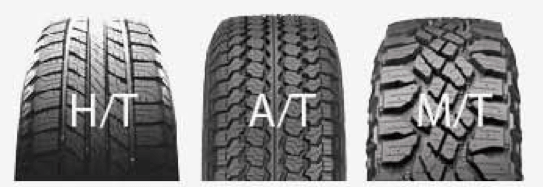
Credit: www.eureka4wd.com.au
Lt Tires Basics
Understanding LT tires is important for anyone using trucks or heavy vehicles. These tires offer strength and durability. They handle tough jobs and rough roads with ease. Knowing the basics helps you choose the right tire for your needs.
Let’s explore what LT tires are, their common uses, and key features. This knowledge will guide you in making better tire choices.
What Are Lt Tires
LT stands for Light Truck. These tires are made for trucks, SUVs, and vans. They carry heavier loads than regular tires. LT tires have stronger sidewalls and thicker tread. This makes them tough and long-lasting.
Common Uses For Lt Tires
LT tires are used on vehicles that carry heavy loads. They work well for towing trailers or hauling cargo. Many trucks on farms, construction sites, or off-road use LT tires. They provide better grip on rough or uneven surfaces.
Key Features Of Lt Tires
LT tires have durable construction to support heavy weight. Their sidewalls resist damage from rocks and debris. The tread patterns improve traction in mud, snow, and dirt. LT tires also help with stability and control on rough roads.
Ht Tires Basics
Understanding HT tires helps choose the right tires for your vehicle. HT tires offer a balance of comfort and durability. These tires work well on highways and city roads. They provide smooth rides and good traction on paved surfaces.
What Are Ht Tires
HT stands for Highway Terrain. These tires are designed for use on paved roads. They have a tread pattern made for smooth driving. HT tires focus on comfort and fuel efficiency. They are less aggressive than off-road tires.
Common Uses For Ht Tires
HT tires suit daily driving on highways and streets. They are common on SUVs and light trucks. These tires handle rain and light snow well. Ideal for drivers who mostly stay on paved roads. Not meant for heavy off-road use or mud.
Key Features Of Ht Tires
HT tires have a tighter tread pattern for better grip on pavement. They reduce road noise for quieter rides. These tires usually last longer on highways. They offer good fuel economy by lowering rolling resistance. Designed to provide a smooth and stable drive.
Performance Comparison
The performance of LT (Light Truck) and HT (Highway Terrain) tires varies in key areas. Each type suits different driving needs and conditions. Understanding their strengths helps in choosing the right tire for your vehicle.
Performance matters for safety, efficiency, and comfort. Below is a comparison of important features between LT and HT tires.
Durability And Strength
LT tires are built tougher with stronger sidewalls. They resist cuts and punctures better. HT tires have thinner sidewalls, designed for smooth highways. LT tires last longer on rough roads and off-road conditions. HT tires wear faster on rough surfaces but perform well on paved roads.
Traction And Handling
LT tires offer better traction on dirt, mud, and gravel. Their tread design grips uneven surfaces firmly. HT tires provide smoother handling on asphalt and concrete. They have less road noise and better fuel efficiency. LT tires may feel stiff on highways, while HT tires give a comfortable ride on city streets.
Load Capacity
LT tires carry heavier loads safely. They are made for trucks and SUVs that haul or tow. HT tires support lighter loads and are ideal for passenger vehicles. Choosing the right tire load rating ensures safety and tire longevity. Overloading HT tires can cause damage and accidents.
Ride Comfort
HT tires provide a quiet and smooth ride on paved roads. Their design reduces vibrations and road noise. LT tires tend to be rougher due to their strong build. They may cause more noise and less comfort on highways. Comfort depends on road type and driving speed.
Choosing Tires By Vehicle Type
Choosing tires by vehicle type is important for safety and performance. Different vehicles need different tires. Each tire type matches the vehicle’s weight, size, and use. Understanding these differences helps pick the right tire for your vehicle.
Passenger Cars
Passenger cars need tires designed for smooth rides. These tires focus on comfort and fuel efficiency. They usually come as LT (Light Truck) or standard passenger tires. Standard tires fit better on cars. They handle well on highways and city roads. Using LT tires on cars can cause rough rides.
Light Trucks And Suvs
Light trucks and SUVs need stronger tires. LT tires are made for these vehicles. They carry heavier loads and handle rough surfaces. LT tires have thicker sidewalls for durability. These tires improve traction on uneven roads. Choosing LT tires helps prevent tire damage. They offer better control on tough terrains.
Commercial Vehicles
Commercial vehicles require heavy-duty tires. HT (Highway Terrain) tires suit these vehicles well. They work best on paved roads. HT tires provide long tread life and stability. These tires support heavy cargo weight. They also ensure safer highway driving. Using the right tires reduces wear and tear.
Terrain And Weather Considerations
Tires play a big role in how your vehicle handles different places and weather. Choosing between LT (Light Truck) and HT (Highway Terrain) tires depends on the ground you drive on and the weather you face. Understanding these factors helps pick the right tire for safety and comfort.
Let’s explore how these tires work on various terrains and in different weather conditions.
Off-road Vs On-road Performance
LT tires have strong sidewalls for rough roads and off-road driving. They handle rocks, mud, and uneven surfaces well. HT tires focus on smooth rides on highways and city roads. They offer less noise and better fuel efficiency on paved streets. Choose LT tires for tough trails. Pick HT tires for mostly street driving.
All-season Vs Seasonal Use
HT tires often come as all-season tires. They perform decently in dry, wet, and light snow conditions. LT tires may come in all-season or winter versions. Winter LT tires offer extra grip on ice and snow. Use all-season tires if weather is mild all year. Switch to seasonal tires if you face harsh winters or heavy rain.
Wet And Snowy Conditions
HT tires usually have tread patterns that help water drain. This reduces slipping on wet roads. LT tires with winter rating have deeper treads and softer rubber. They grip better on snow and ice. Neither tire type works perfectly on heavy snow without chains or special tires. Pick tires with the right tread and rubber for your weather.

Credit: www.reddit.com
Cost And Maintenance
Cost and maintenance are key factors when choosing between LT and HT tires. These aspects affect your budget and the tire’s performance over time. Understanding the differences helps you make a smart decision.
Both tire types have unique cost and care needs. Knowing these can save money and improve safety on the road.
Initial Purchase Price
LT tires usually cost more than HT tires. They have stronger materials for heavy loads. HT tires are cheaper and fit daily driving well. The price gap depends on brand and size. Think about your vehicle use before buying.
Longevity And Wear
LT tires last longer under tough conditions. They resist cuts and punctures better. HT tires wear faster on rough roads. On smooth highways, HT tires can last long. Proper use extends tire life significantly.
Maintenance Tips
Check tire pressure regularly for both types. Keep tires balanced and aligned to avoid uneven wear. Rotate tires every 5,000 to 7,000 miles. Inspect for damage after off-road trips. Clean tires to remove dirt and debris.
Making The Final Choice
Choosing between LT and HT tires can feel tricky. Both types serve different needs. Focus on what fits your driving style and vehicle. This will guide you to the right choice. Consider practical factors, not just looks or price. This section breaks down key points to help you decide.
Matching Tires To Driving Needs
Think about where you drive most. LT tires work well for heavy loads and rough roads. HT tires suit smooth highways and light loads. Choose tires that match your daily routes. This keeps you safe and comfortable. Tire choice affects handling and wear too.
Consulting Manufacturer Recommendations
Check your vehicle’s manual for tire advice. Manufacturers suggest tire types for a reason. They test what fits best for safety and performance. Follow these guidelines for best results. Using recommended tires avoids damage and keeps warranties valid.
Balancing Performance And Budget
LT tires cost more but last longer under tough use. HT tires are cheaper and good for light driving. Think about how much you drive and road conditions. Balance quality with what you can afford. Spending wisely saves money over time.
Credit: www.tirereview.com
Frequently Asked Questions
What Are The Main Differences Between Lt And Ht Tires?
LT tires are designed for heavy loads and off-road use. HT tires focus on comfort and fuel efficiency for highway driving. LT tires have stronger sidewalls, while HT tires offer a smoother ride on paved roads.
Which Tire Type Is Better For Off-road Driving?
LT tires are better for off-road driving due to their durability and thicker sidewalls. They provide better traction on rough terrains. HT tires are not ideal off-road as they are designed for smoother highway surfaces.
Can Ht Tires Handle Heavy Loads Like Lt Tires?
No, HT tires are not built to carry heavy loads. LT tires are specifically made for towing and hauling. Using HT tires for heavy loads can cause premature wear and safety issues.
How Do Lt Tires Affect Fuel Efficiency Compared To Ht Tires?
LT tires usually reduce fuel efficiency because they are heavier and have higher rolling resistance. HT tires are lighter and designed for better gas mileage on highways. Choosing HT tires can help save fuel during regular driving.
Conclusion
Choosing between LT and HT tires depends on your driving needs. LT tires suit heavy loads and rough roads. HT tires work well on smooth highways and city streets. Each tire type offers different benefits for safety and comfort. Think about where you drive most and what you carry.
This helps pick the right tire for your vehicle. Proper tires improve your car’s performance and keep you safe. Always check your vehicle’s manual for tire recommendations. The right choice makes every trip smoother and safer.