When it comes to choosing the right tires for your vehicle, you might find yourself stuck between R4 and R14 tires. You want the best fit that keeps you safe, saves money, and boosts your driving experience.
But how do you know which one truly matches your needs? This guide will break down the key differences, benefits, and drawbacks of R4 and R14 tires. By the end, you’ll feel confident making the smart choice for your car and your road ahead.
Keep reading to discover what your tires say about your ride.
R4 Tires Overview
R4 tires are a popular choice for many types of tractors and agricultural machines. They offer a mix of good traction and smooth ride on soft soil. These tires fit well for tasks like plowing, planting, and hauling.
Understanding R4 tires helps in choosing the right tire for your work and soil type. Their design and build suit medium to hard soil and some road use.
Design Features
R4 tires have a tread pattern with large, deep lugs. The lugs are spaced evenly to provide grip and reduce soil packing. They have a rounded shoulder for better stability.
The rubber compound is made to resist cuts and wear. The sidewalls are reinforced to protect from damage during heavy use.
Performance Characteristics
These tires offer good traction on medium and hard soils. They perform well on gravel and paved roads without much vibration. The tread design helps in self-cleaning to avoid mud build-up.
R4 tires balance traction and comfort. They reduce soil damage compared to more aggressive tires.
Durability Factors
R4 tires last long under normal farm use. Their strong sidewalls resist punctures and cuts. The tread wears evenly with proper inflation and care.
Choosing quality brands and correct tire pressure improves durability. Regular inspection helps to spot early signs of damage.
Credit: www.orangetractortalks.com
R14 Tires Overview
R14 tires are a popular choice for many compact and midsize vehicles. They offer a balance between size and performance. These tires fit 14-inch rims, which are common on cars made for city and highway driving.
Their design suits everyday driving needs. Many drivers prefer R14 tires for their mix of comfort, handling, and cost. Understanding these tires helps you pick the right option for your car.
Design Features
R14 tires have a compact size that fits small to medium cars. The tread patterns vary but focus on good grip and smooth rides. Many models include grooves to channel water away. This design helps reduce the risk of slipping on wet roads.
The sidewalls are built to handle city bumps and occasional rough roads. These tires usually weigh less, improving fuel efficiency. They come in various tread styles suited for different weather conditions.
Performance Characteristics
These tires offer stable handling on dry and wet surfaces. They provide decent braking power, ensuring safe stops. R14 tires help keep the ride comfortable by absorbing small shocks. They work well for everyday speeds and common road types.
Their size allows for responsive steering, which improves control. While not designed for high-speed racing, they handle daily driving demands well. They also contribute to better fuel economy due to their lighter weight.
Durability Factors
R14 tires are made to last through regular use over many miles. The rubber compounds resist wear and tear from city roads. Proper maintenance can extend their life significantly. They handle common road hazards like potholes and debris reasonably well.
Frequent tire rotation and correct inflation preserve their shape and tread depth. These tires do not wear quickly under normal driving conditions. Choosing quality brands often means better materials and longer durability.
Performance Comparison
Comparing R4 and R14 tires reveals clear differences in how they perform. Each tire type suits different driving needs. This section breaks down their strengths in handling, speed, and off-road use.
Handling And Traction
R4 tires offer strong grip on paved roads. Their tread design helps in wet and dry conditions. They provide stable steering and easy control.
R14 tires focus more on rough surfaces. Their larger tread blocks improve traction on dirt and gravel. They may feel less smooth on asphalt.
Speed And Stability
R4 tires maintain good speed on highways. Their lower rolling resistance saves fuel. They keep the vehicle stable at high speeds.
R14 tires are slower due to deeper treads. Their design prioritizes grip over speed. Stability is better on uneven terrain than on smooth roads.
Off-road Capabilities
R4 tires handle light off-road conditions. They work well on hard-packed dirt and gravel trails.
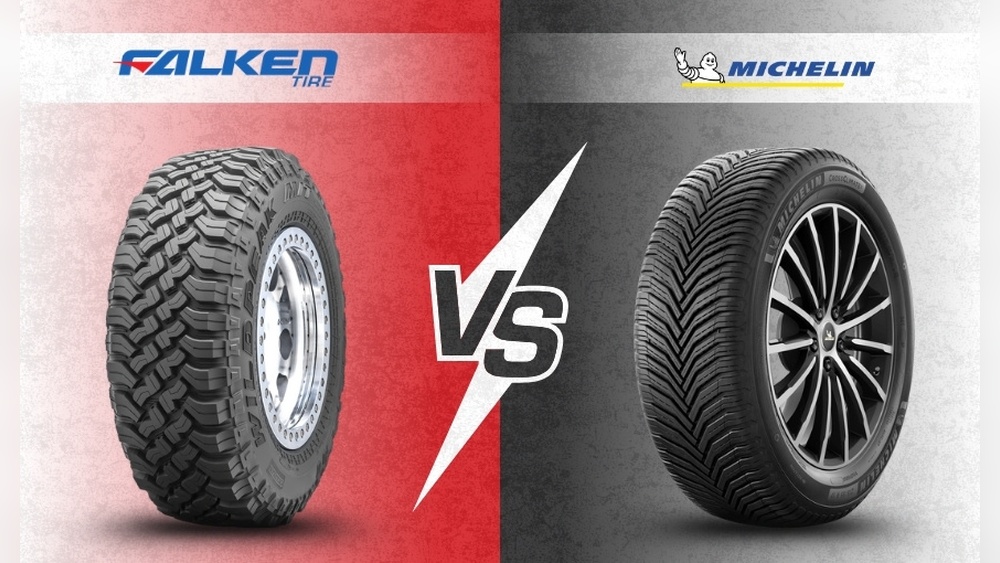
R14 tires excel in tough off-road environments. They grip mud, sand, and loose surfaces better. Their rugged build resists damage from rocks and roots.
Credit: www.orangetractortalks.com
Durability Comparison
Durability is a key factor when choosing between R4 and R14 tires. It affects how long the tires last and how well they perform on different surfaces. Understanding durability helps you get the best value and safety from your tires.
Wear Resistance
R4 tires have a tread pattern designed for mixed surfaces. This design helps them resist wear on both hard roads and soft soils. R14 tires focus more on hard surface grip, which can cause faster wear on rough terrain. Overall, R4 tires generally last longer in varied conditions.
Puncture And Damage Protection
R4 tires offer better protection against punctures. Their thicker sidewalls and tread depth reduce the risk of damage from sharp objects. R14 tires have thinner sidewalls and are more prone to cuts and punctures, especially on rocky or rough ground.
Maintenance Needs
R4 tires require less frequent maintenance due to their durable build. They maintain pressure and tread quality longer. R14 tires may need more regular checks and repairs. Proper care extends the life of both types but R4 tires demand less effort overall.
Cost And Value
Choosing between R4 and R14 tires involves more than just size and style. Cost and value play a big role in the decision. Understanding the price difference and long-term expenses helps you pick the best tire for your budget.
Initial Price
R4 tires usually cost less than R14 tires. This price gap comes from the size and design differences. Smaller tires like R4 need fewer materials to make. Larger R14 tires often use more rubber and stronger parts. This makes R14 tires pricier upfront. Budget buyers often lean toward R4 for this reason.
Long-term Cost Efficiency
R14 tires can offer better value over time. They tend to last longer due to their build quality. This means fewer replacements and less money spent. R4 tires may wear out faster, raising long-term costs. Fuel efficiency also matters. R14 tires often provide better mileage, saving fuel costs. Consider how often you drive and your tire needs.
Best Use Cases
Choosing the right tire depends on where and how you drive. Both R4 and R14 tires serve different needs. Understanding their best use cases helps you pick the right one. This guide explains the ideal conditions for each tire type.
Ideal Conditions For R4
R4 tires work best on rough, uneven surfaces. They handle dirt roads and light mud well. These tires offer good traction for farming and construction sites. They suit slow-moving vehicles that need strong grip. R4 tires are durable and resist damage from rocks and debris. Choose R4 for off-road use or heavy-duty work.
Ideal Conditions For R14
R14 tires perform well on paved roads and highways. They provide smooth rides on city streets and highways. These tires are suitable for passenger cars and small trucks. R14 tires focus on comfort and fuel efficiency. They work best in dry or wet conditions on asphalt. Use R14 for daily driving and light hauling tasks.

Credit: www.youtube.com
Frequently Asked Questions
What Are The Main Differences Between R4 And R14 Tires?
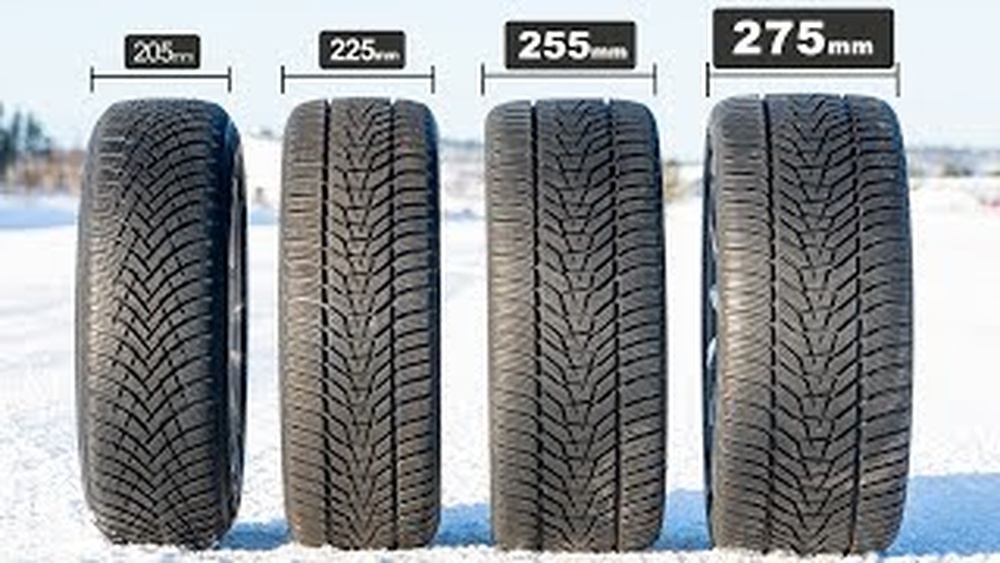
R4 tires have a higher aspect ratio and more sidewall height than R14 tires. R14 tires are wider, offering better grip and stability. R4 suits off-road use, while R14 is ideal for city driving and smoother rides.
Which Tire Is Better For Off-road Conditions, R4 Or R14?
R4 tires perform better off-road due to their taller sidewalls and flexible design. They absorb shocks from rough terrain efficiently. R14 tires are not recommended for off-roading as they have lower sidewalls and focus on pavement performance.
How Does Tire Size Affect Vehicle Performance?
Tire size impacts ride comfort, handling, and fuel efficiency. Larger sidewalls (R4) provide cushioning on uneven surfaces. Wider tires (R14) improve road grip and cornering but may reduce fuel economy. Choose size based on driving needs and terrain.
Can I Replace R4 Tires With R14 Tires On My Vehicle?
Replacing R4 with R14 depends on vehicle specifications and clearance. Check manufacturer guidelines to ensure safety and avoid speedometer errors. Improper tire size can affect handling and suspension, so consult a professional before switching.
Conclusion
Choosing between R4 and R14 tires depends on your needs and vehicle type. R4 tires suit smaller cars and city driving. R14 tires fit larger cars and offer better handling on highways. Think about your budget, road conditions, and comfort preferences.
Both types have pros and cons. Make sure to pick the right size for safety and performance. Taking time to compare helps you get the best tire for your ride. Keep your car safe and running smoothly with the right tires.