Choosing the right tire size can change the way your vehicle feels and performs on the road. If you’re stuck between 265 and 255 tires, you’re not alone.
These two sizes might look similar, but the differences can impact your driving experience in surprising ways. Whether you want better grip, improved fuel efficiency, or a smoother ride, understanding these tire options can help you make the best choice for your needs.
Keep reading to discover which tire size suits your driving style and vehicle perfectly.

Credit: www.youtube.com
Tire Width Basics
Tire width plays a key role in how a vehicle drives and feels on the road. It affects grip, comfort, and fuel efficiency. Choosing between 265 and 255 tires means understanding what tire width really means. This section explains the basics of tire width and its effects on your vehicle.
Measuring Tire Width
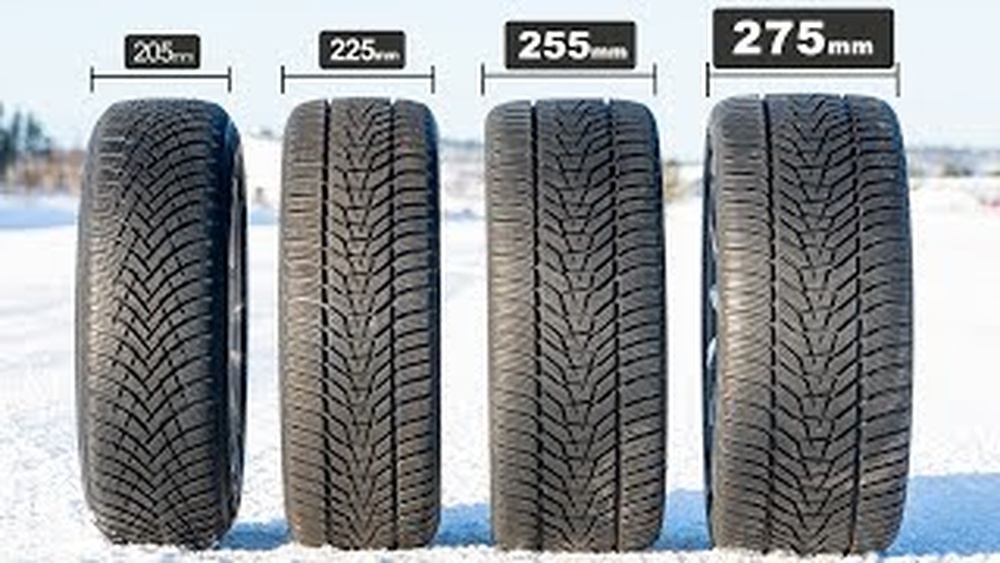
Tire width is the distance across the tire’s tread, measured in millimeters. A 265 tire is 265 millimeters wide, while a 255 tire measures 255 millimeters. This number appears on the tire’s sidewall. It shows the width from one sidewall to the other. The wider the tire, the larger the contact area with the road.
Impact On Vehicle Handling
Wider tires, like the 265, offer better grip on dry roads. They provide more traction during acceleration and cornering. Narrower tires, such as the 255, can be better in wet conditions by cutting through water more easily. Wider tires may cause a firmer ride and more road noise. They can also slightly lower fuel efficiency due to increased rolling resistance.
Performance Differences
Choosing between 265 and 255 tires affects your vehicle’s performance in clear ways. Tire width influences how your car handles speed, acceleration, and braking. These small differences can change your driving experience significantly. Below, we explore how these tire sizes impact key performance areas.
Acceleration And Speed
Wider tires like 265 provide more grip on the road. This grip helps your car accelerate better, especially on dry surfaces. The extra width allows more rubber to touch the ground, improving traction.
However, wider tires also add more rolling resistance. This can slightly reduce top speed and fuel efficiency. Narrower 255 tires roll easier, which might help maintain higher speeds with less engine effort.
In short, 265 tires boost quick starts but may limit top speed slightly. The 255 tires offer better smoothness at high speeds but less initial grip.
Braking Efficiency
Braking depends heavily on how well tires grip the road. The 265 tires provide a larger contact patch, improving stopping power. This means your car can stop faster and safer on dry roads.
On wet or slippery surfaces, wider tires can sometimes hydroplane more easily. The 255 tires, being narrower, cut through water better and maintain grip longer.
Overall, 265 tires improve braking on dry roads. The 255 tires perform better in wet conditions, balancing safety and control.
Grip And Traction
Grip and traction play a big role in tire performance. They affect how well your car sticks to the road. Choosing between 265 and 255 tires means thinking about these factors. The tire width influences how much contact the tire has with the road. More contact can mean better control and safety.
Dry Surface Grip
On dry roads, wider tires like 265 usually offer better grip. They have a larger contact patch with the road surface. This helps your car handle corners more smoothly. It also improves acceleration and braking. The 255 tires are narrower, so their grip is slightly less on dry pavement. But they still provide good control for everyday driving.
Wet And Snow Conditions
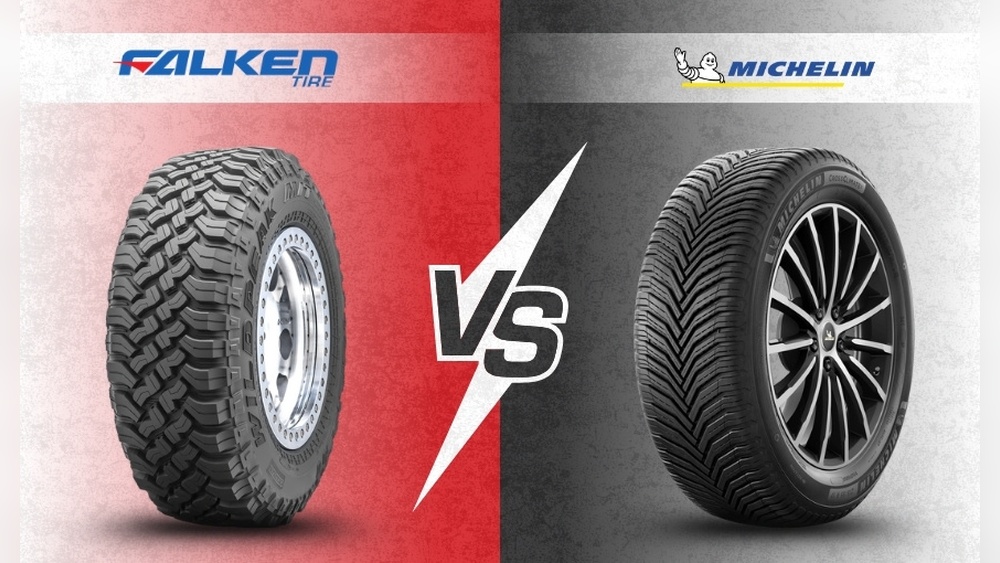
In wet or snowy weather, traction depends on tread design and tire width. Narrower 255 tires can cut through water and snow better. They reduce the risk of hydroplaning by pushing water away faster. The 265 tires have more surface area, which might cause more slipping in wet conditions. Snow driving is often safer with narrower tires because they dig into the snow better. Tread patterns also matter a lot for grip here.
Credit: www.tacomaworld.com
Fuel Efficiency Impact
Choosing between 265 and 255 tires affects your car’s fuel efficiency. Tire size changes how hard your engine works. Larger tires often need more energy to move. This can lead to higher fuel consumption. Understanding this impact helps you make better choices for your vehicle.
Rolling Resistance
Rolling resistance is the force that tires fight against while moving. Wider tires like 265 usually have higher rolling resistance. This means the engine uses more fuel to keep the car moving. Narrower tires like 255 often roll easier on the road. Lower rolling resistance means better fuel economy for the car.
Effect On Mileage
Fuel mileage drops with wider tires. The 265 size can reduce miles per gallon compared to 255 tires. More rubber on the road means more friction and energy use. This makes the engine work harder and burn more fuel. Choosing 255 tires helps keep mileage higher and fuel costs lower.
Ride Comfort And Noise
Ride comfort and noise are key factors for many drivers choosing between 265 and 255 tires. The size difference affects how the tires interact with the road surface. This impacts the smoothness of your drive and the noise inside your vehicle. Understanding these effects can help you pick the right tire for your needs.
Road Noise Levels
Road noise comes from the tire’s contact with the pavement. Wider tires, like 265, have a larger surface area touching the road. This can create more noise compared to 255 tires. Narrower tires often produce less sound due to less road contact. Still, tire tread design also affects noise levels. Some 265 tires use special tread patterns to reduce noise.
Shock Absorption
Tire width impacts how shocks from bumps are absorbed. A wider tire may spread the impact over a larger area. This can improve comfort on rough roads. However, sidewall height and tire pressure also play major roles. Tires with taller sidewalls absorb shocks better than low-profile tires. Both 265 and 255 tires come in various profiles, changing their shock absorption ability.
Compatibility And Fitment
Choosing the right tire size affects how well your vehicle performs. Compatibility and fitment of 265 vs 255 tires are important. These sizes are close but have key differences. Understanding these helps you avoid problems and ensures safety.
Wheel Size Considerations
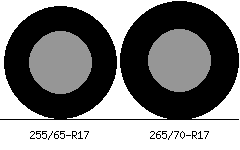
Tire width must match the wheel size. A 265 tire is wider than a 255 tire. This means 265 tires need a wider wheel rim. Using a 265 tire on a narrow rim can cause uneven wear or damage. A 255 tire fits narrower rims better. Check your wheel width before choosing between 265 and 255 tires. Proper fit improves handling and tire life.
Clearance And Suspension
Tire width affects clearance around the wheel well. A 265 tire takes up more space than a 255 tire. This can cause rubbing on suspension parts or inside the fender. Suspension setup also matters. Some vehicles have limited space for wider tires. Measure clearance carefully before upgrading to 265 tires. Lack of clearance can damage tires and suspension parts.
Cost And Availability
Choosing between 265 and 255 tires often comes down to cost and availability. Both sizes serve different needs, but price and market presence play key roles. Understanding these factors helps make a smart buying choice. Let’s explore how they compare in cost and availability.
Price Differences
265 tires usually cost more than 255 tires. The wider size means more rubber and materials. This adds to the production cost. Retailers pass these costs to buyers. Prices also vary by brand and tire type. Budget options exist for both sizes. Still, expect to pay a bit extra for 265 tires.
Seasonal sales or promotions can affect prices. Shopping during these times might lower costs. Also, 255 tires often have more budget-friendly options. This size is common on many cars. This popularity helps keep prices lower.
Market Options
255 tires have wider availability in stores and online. Many car models use this size from the factory. Manufacturers produce them in large quantities. This means more brands and styles to choose from. Finding 255 tires for different needs is easier.
265 tires are less common but still easy to find. They are popular for trucks and SUVs. The market offers quality options but with fewer choices than 255 tires. Specialty shops and online sellers often stock 265 tires. Availability depends on location and demand.
Choosing The Right Tire
Picking the right tire size is important for safety and performance. Tires affect how your vehicle handles on roads and in different weather. The choice between 265 and 255 tires depends on several factors. Understanding these can help you make the best decision for your driving needs.
Both sizes have benefits and limits. Knowing what suits your style and vehicle helps avoid problems later. This guide breaks down key points to think about when choosing between 265 and 255 tires.
Driving Style Preferences
Your driving style plays a big role in tire choice. If you like fast turns and sporty driving, wider tires like 265 offer better grip. They provide more contact with the road, improving cornering and stability.
For calm, everyday driving, 255 tires are enough. They give a smooth ride and good fuel efficiency. Narrower tires can also be better on wet roads, reducing the risk of hydroplaning.
Vehicle Type Factors
The type of vehicle matters for tire selection. Larger vehicles like trucks and SUVs often benefit from 265 tires. These tires support heavier loads and rougher terrains better.
Smaller cars usually work well with 255 tires. They keep the ride comfortable and prevent excessive wear on suspension parts. Always check the manufacturer’s recommendations before changing tire sizes.
Credit: www.tacomaworld.com
Frequently Asked Questions
What Are The Main Differences Between 265 And 255 Tires?
265 tires are wider by 10mm, offering better traction and stability. 255 tires are narrower, which can improve fuel efficiency and reduce road noise.
Which Tire Size Offers Better Handling And Grip?
265 tires provide better handling and grip due to their wider contact patch. They perform well on dry and wet roads but may affect ride comfort slightly.
Are 265 Tires Better For Off-road Driving Than 255?
Yes, 265 tires are generally better for off-road driving. Their wider tread offers improved traction on loose surfaces like mud and gravel compared to 255 tires.
How Does Tire Size Affect Fuel Efficiency Between 255 And 265?
Narrower 255 tires usually improve fuel efficiency by reducing rolling resistance. Wider 265 tires may decrease fuel economy slightly due to increased drag and weight.
Conclusion
Choosing between 265 and 255 tires depends on your needs. Wider 265 tires offer better grip and stability. Narrower 255 tires can improve fuel efficiency and ride comfort. Both sizes fit many vehicles but check your car’s specifications first. Consider road conditions and driving style too.
Balance performance and cost before deciding. Either choice affects handling and safety. Pick the tire size that suits your driving best. Simple, right? Your car will thank you.