Are you sure your tires are properly inflated? Choosing the right tire pressure gauge can make a big difference in your vehicle’s safety and performance.
But should you go digital or stick with analog? Understanding the pros and cons of each type will help you make the best choice for your needs. Keep reading to discover which tire pressure gauge suits you—and why it matters more than you think.
Types Of Tire Pressure Gauges
Tire pressure gauges come in two main types. Each type offers different features and benefits. Choosing the right one helps keep your tires safe and efficient.
Digital Gauges
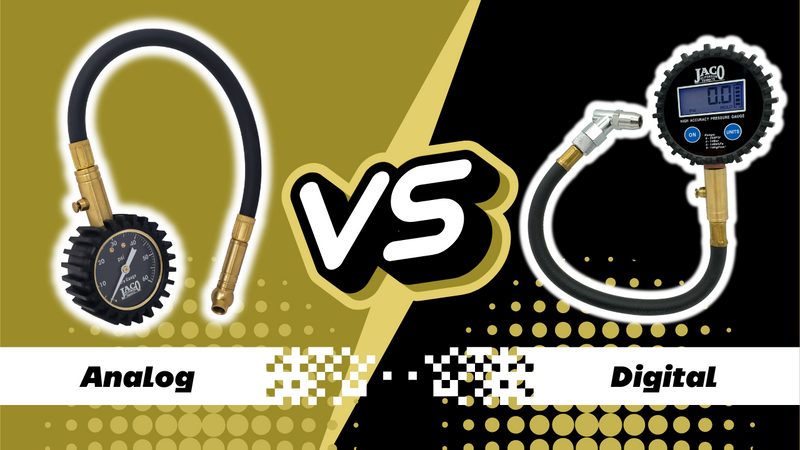
Digital gauges show pressure on a small screen. They give quick and easy-to-read numbers. Many have backlight for use in low light. These gauges often provide very accurate readings. They run on batteries that need occasional replacement. Digital gauges may include extra features like memory or alerts.
Analog Gauges
Analog gauges use a dial and needle to show pressure. They do not need batteries to work. These gauges are simple and reliable. Some find analog easier to read in bright light. They can be less precise than digital models. Analog gauges are usually more affordable and durable.
How Each Gauge Measures Pressure
Understanding how tire pressure gauges measure pressure helps you choose the right tool. Both digital and analog gauges serve the same purpose. They measure the air pressure inside a tire. The difference lies in their technology and how they show the results.
Digital Measurement Technology
Digital tire pressure gauges use sensors to detect air pressure. These sensors convert pressure into an electrical signal. The gauge then processes this signal. It shows the pressure reading on a small screen in numbers. This method offers quick and clear results. Users can see exact pressure without guessing. Many digital gauges also include backlit displays for easy reading in dark places.
Analog Measurement Mechanism
Analog tire pressure gauges work with a mechanical system. Air pressure pushes against a small spring inside the gauge. The spring moves a needle along a scale. This needle points to the pressure value. The reading appears on a dial with numbers. This system does not need batteries. It gives a direct, simple reading. Many people trust analog gauges for their durability and ease of use.
Accuracy Factors
Accuracy is key when checking tire pressure. Small differences can affect vehicle safety and fuel efficiency. Both digital and analog gauges have accuracy factors that influence their readings. Understanding these factors helps in choosing the right gauge and using it properly.
Calibration And Precision
Calibration ensures the gauge shows the correct pressure. Digital gauges often come pre-calibrated and can be very precise. Analog gauges rely on mechanical parts, which may drift over time. Regular calibration checks keep both types reliable. Precision matters for detecting small pressure changes. Digital models usually offer finer precision than analog ones.
Environmental Influences
Temperature and humidity can affect gauge accuracy. Cold weather may cause digital screens to respond slower. Analog gauges might contract or expand, leading to slight errors. Dust and dirt can block the needle or sensor. Keeping gauges clean protects their accuracy. Store gauges indoors to avoid harsh weather impacts.
Credit: jacosuperiorproducts.com
Ease Of Use
Ease of use is a key factor when choosing a tire pressure gauge. It affects how quickly and accurately you can check your tire pressure. Both digital and analog gauges have their own features that impact usability. Understanding these can help you pick the right tool for your needs.
Reading The Results
Digital tire pressure gauges show numbers on a small screen. The readings are clear and easy to see, even in low light. You get an exact number, which reduces mistakes.
Analog gauges use a dial with a needle. You must read the needle position to know the pressure. This can be hard if the dial is small or the needle is thin.
Digital gauges offer quick, precise readings. Analog gauges require more attention to detail. This difference matters for people who want fast and simple checks.
Portability And Design
Digital gauges are often compact and lightweight. Many have a sturdy plastic body that fits in your hand. Some come with a backlight for night use.
Analog gauges tend to be bulkier due to the dial. They often have a metal or plastic casing. Their shape may make them less easy to carry in a pocket.
Both types can be portable, but digital models usually win for small size. Design also affects grip and comfort during use.
Durability And Maintenance
Durability and maintenance play a big role in choosing between digital and analog tire pressure gauges. A tool that lasts long and needs little care saves time and money. Understanding how each gauge handles wear and tear helps make a smart choice.
Build Quality
Analog gauges often have a sturdy metal body. This makes them tough against drops and rough use. Their simple parts mean less chance of breaking.
Digital gauges use plastic and electronic parts. These parts can be delicate if dropped or exposed to water. Still, many digital models come with durable cases and water resistance.
Overall, analog gauges tend to be more rugged. Digital gauges need careful handling but offer precise readings.
Care Tips
Keep both types clean. Wipe the gauge after use to remove dirt and moisture. Store it in a dry place.
Avoid dropping the gauge. Impact can damage internal parts, especially in digital models.
Check batteries regularly in digital gauges. Replace them to avoid inaccurate readings.
For analog gauges, avoid bending the needle. This can cause wrong pressure readings.
Cost Considerations
Cost is a key factor when choosing between digital and analog tire pressure gauges. Understanding price differences helps you find a tool that fits your budget. It also guides you on what features to expect for the price.
Price Ranges
Analog tire pressure gauges usually cost less than digital ones. Basic analog models start around $5 and go up to $15. These are simple and reliable for everyday use.
Digital gauges often range from $15 to $50. Higher prices come with extra features like backlit screens and automatic shutoff. Some premium digital models may cost even more.
Value For Money
Analog gauges offer good value for those needing a simple tool. They last long and need no batteries. Easy to use and maintain.
Digital gauges provide more accuracy and extra features. This can save time and improve safety. The higher cost may be worth it for frequent drivers or professionals.
User Preferences
User preferences play a big role in choosing between digital and analog tire pressure gauges. Each type has features that attract different users. Understanding these preferences helps in picking the right gauge for your needs.
Some users want quick, clear readings. Others prefer a simple, reliable tool without batteries. Both types serve different groups well.
Who Benefits From Digital Gauges
Digital gauges show pressure in easy-to-read numbers. They often have backlit screens for use in dark places. People who want fast, precise readings like these gauges.
Drivers who check their tires regularly value the convenience. The digital display reduces mistakes in reading pressure. Mechanics and tech-savvy users enjoy the modern features.
Who Prefers Analog Gauges
Analog gauges use a dial and needle to show pressure. They work without batteries, making them reliable for long trips. Users who want simple tools trust analog gauges.
Some drivers find the dial easier to read quickly. Those with older cars or classic tools often choose analog. People who want a durable, low-maintenance gauge prefer this style.

Credit: aochenggroup.com
Choosing The Right Gauge
Choosing the right tire pressure gauge matters for safety and tire life. A good gauge helps keep tires at the right pressure. This improves fuel efficiency and driving comfort. Picking between digital and analog types depends on your needs and preferences.
Understanding the key features of each type makes the choice easier. Think about where and how often you will use the gauge. This helps match the tool to your daily tasks.
Matching Needs With Features
Digital gauges offer quick and easy readings. They often show pressure on a clear screen. This helps users who want fast, precise numbers. Some models have backlit displays for use in dark places.
Analog gauges use a dial and needle to show pressure. They do not need batteries. This makes them good for long trips or emergencies. Simple design means fewer parts can break.
Choose digital if you want accuracy and easy reading. Choose analog if you want durability and no battery worry.
Long-term Reliability
Analog gauges are known for lasting a long time. Their simple mechanism resists damage from drops and rough use. They need little maintenance and can work in harsh conditions.
Digital gauges may need battery changes and careful handling. Some models have water-resistant cases to last longer. Check reviews to find models with good build quality.
Think about how often you will use the gauge. Choose a model that matches your expected wear and tear.

Credit: jacosuperiorproducts.com
Frequently Asked Questions
What Are The Main Differences Between Digital And Analog Tire Pressure Gauges?
Digital gauges show pressure on a screen, while analog gauges use a dial. Digital models offer easier reading and higher accuracy. Analog gauges don’t need batteries and are often more durable. Both types measure tire pressure but suit different user preferences.
Which Tire Pressure Gauge Is More Accurate: Digital Or Analog?
Digital tire pressure gauges generally provide more precise readings. They display exact numbers, reducing human error. Analog gauges can be less accurate due to dial interpretation. However, high-quality analog gauges can still offer reliable measurements for regular use.
Are Digital Tire Pressure Gauges Easier To Use Than Analog?
Yes, digital gauges are easier to use because they display clear numbers. They require less effort to read, especially in low light. Analog gauges need you to read a dial, which can be challenging for some users.
Do Digital Tire Pressure Gauges Require Batteries?
Yes, most digital tire pressure gauges require batteries to operate. Battery life varies by model but is generally long-lasting. Analog gauges do not need batteries, making them more convenient in some situations.
Conclusion
Choosing between digital and analog tire pressure gauges depends on your needs. Digital gauges offer quick, easy readings and better accuracy. Analog gauges are simple, durable, and do not need batteries. Both types help keep tires safe and improve fuel efficiency.
Think about how often you check your tires and what fits your budget. Either way, maintaining proper tire pressure saves money and prevents accidents. Keep your vehicle in good shape with the right gauge for you.