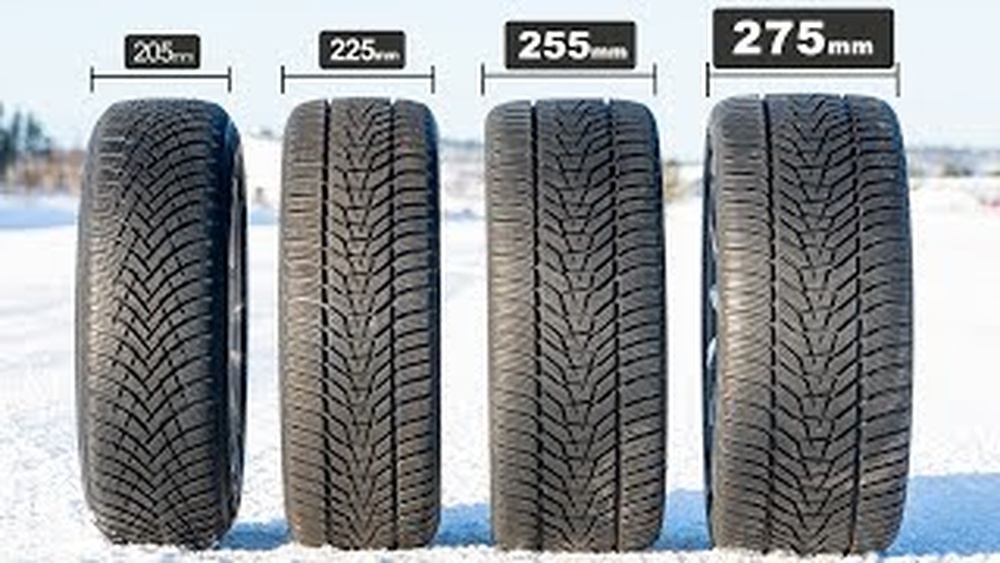
Owning a Mercedes is more than just enjoying luxury—it’s about safety, performance, and reliability. One small but vital part of this is checking tire pressure. Good tire pressure helps your Mercedes drive smoothly, saves fuel, and prevents accidents. Many drivers think tire pressure is only about comfort, but it’s far more important. If you’ve never checked your tire pressure or you’re unsure how to do it on a Mercedes, this guide will help you step by step. You’ll learn how to check pressure, understand the numbers, and avoid mistakes that could cost you money or peace of mind.
Why Tire Pressure Matters For Your Mercedes
Your Mercedes is designed for high performance and safety. Tires play a big role in both. Correct tire pressure lets your car grip the road better, helps brakes work well, and keeps fuel use low. If tires are too soft (underinflated), they wear out faster and can make the car harder to control. If they are too hard (overinflated), the ride becomes rough and tires may burst.
According to the National Highway Traffic Safety Administration (NHTSA), underinflated tires can increase the risk of a crash by up to 3 times. Mercedes vehicles, with their advanced suspension and handling, need the right tire pressure to deliver the best experience. Even a small difference—like 5 psi (pounds per square inch) too low—can change how your car feels and how safe it is.
Tools You Need To Check Tire Pressure
Checking tire pressure is simple if you have the right tools. Most Mercedes models come with a Tire Pressure Monitoring System (TPMS), but manual checks are still important.
- Tire Pressure Gauge: Digital or analog models work. Digital gauges are easier for beginners.
- Air Compressor: You can find these at gas stations or buy a portable one.
- Mercedes Owner’s Manual: This has the exact pressure numbers for your car.
- TPMS Display: Shows tire pressure inside the car (if equipped).
If you want extra accuracy, choose a gauge that shows pressure in 0. 5 psi steps. Many cheap gauges round up or down, which can lead to mistakes.
Credit: www.mbofmaui.com
Finding The Correct Tire Pressure For Your Mercedes
Every Mercedes has a recommended tire pressure. You should not guess or use “standard” numbers. The right pressure is based on your car’s model, tire size, and sometimes load.
You can find the recommended pressure in these places:
- Driver’s door jamb: Look for a sticker with numbers like 32 psi or 36 psi.
- Owner’s manual: There’s a section for tires and pressure.
- Inside the fuel door: Some models list it here.
Mercedes often recommends different pressures for front and rear tires. For example:
- Mercedes C-Class 2023: Front 36 psi, Rear 39 psi
- Mercedes GLE 2022: Front 33 psi, Rear 36 psi
Here’s a comparison for popular Mercedes models:
| Model | Front Tire (psi) | Rear Tire (psi) | Notes |
|---|---|---|---|
| C-Class | 36 | 39 | Higher rear for handling |
| E-Class | 32 | 35 | Comfort focus |
| GLE SUV | 33 | 36 | Extra load |
| GLA | 32 | 32 | Even pressure |
Always check the sticker or manual for your exact model. Do not copy from another car—even if it’s a Mercedes.
How To Check Tire Pressure Step-by-step
Checking tire pressure takes only a few minutes. Here’s how to do it correctly:
Step 1: Park And Let Tires Cool
Tire pressure changes with temperature. For best results, park your car for at least 30 minutes before checking. If you check right after driving, the pressure may show higher than it really is.
Step 2: Find The Pressure Numbers
Look for the recommended pressure on the door sticker, owner’s manual, or inside the fuel door. Write down the numbers for front and rear tires.
Step 3: Remove The Valve Cap
On each tire, find the valve stem (a small tube sticking out). Unscrew the cap and keep it safe.
Step 4: Use The Gauge
Press the tire pressure gauge onto the valve. You’ll hear a quick hiss—this is normal. Hold it firmly so air doesn’t leak out.
- Digital gauge: Shows the number on a screen.
- Analog gauge: The needle points to the pressure.
Read the number and compare it to your Mercedes recommendation.
Step 5: Adjust The Pressure
If the pressure is low, add air using a compressor. If it’s too high, press the center pin inside the valve to release air.
- Add air slowly and check often. Overfilling can damage tires.
- Repeat for all four tires.
Step 6: Replace The Valve Cap
Screw the cap back on tightly. This keeps dirt and water out.
Step 7: Check The Spare Tire
Don’t forget the spare tire. Many Mercedes models have a spare, and it’s often forgotten. The recommended pressure is usually higher (like 60 psi).
Step 8: Check Tpms Display
If your Mercedes has a TPMS, check the dashboard display. It shows each tire’s pressure. Manual checks are still useful, especially if TPMS is not accurate or the battery is low.
Using Tpms: Mercedes Tire Pressure Monitoring System
Most new Mercedes cars have a TPMS. This system uses sensors inside the tires to show real-time pressure on your dashboard. If the pressure drops, a warning light appears.
But TPMS is not perfect:
- It may not warn you until pressure is 25% too low.
- Sensors can fail or lose battery power.
- It may show “OK” even if the pressure is slightly wrong.
Manual checks are still needed at least once a month. TPMS is great for alerts, but it doesn’t replace the gauge.
Here’s a quick comparison:
| Method | Accuracy | Speed | Reliability |
|---|---|---|---|
| Manual Gauge | High | Medium | Always works |
| TPMS | Medium | High | Can fail |
Common Mistakes When Checking Tire Pressure
Many Mercedes owners make errors that can lead to poor tire life or safety risks. Here are mistakes to avoid:
- Checking when tires are hot: Pressure rises after driving, so readings can be wrong.
- Using cheap or old gauges: Some gauges lose accuracy after a year.
- Ignoring the spare: A flat spare won’t help in an emergency.
- Not adjusting for load: If you carry heavy items or passengers, tire pressure may need to be higher.
- Trusting TPMS only: TPMS is helpful, but manual checks are more accurate.
A non-obvious tip: If you drive in cold places, check tire pressure more often. Cold air reduces pressure—sometimes by 1 psi for every 10°F drop.

Credit: www.youtube.com
How Often Should You Check Tire Pressure?
Mercedes recommends checking tire pressure at least once a month and before any long trip. If you live in a place with big temperature changes, check even more often.
Some experts say checking every two weeks is best. Tires lose about 1–2 psi per month, even without leaks. This might not sound like much, but small changes can affect handling and tire life.
Here’s a quick guideline:
| Situation | Check Frequency |
|---|---|
| Normal use | Monthly |
| Long trips | Before each trip |
| Cold climate | Every 2 weeks |
| Heavy load | Before driving |
Understanding Tire Pressure Numbers
The numbers on your gauge or TPMS may look confusing. Here’s how to read them:
- Psi: Pounds per square inch. Most Mercedes use 32–39 psi.
- Bar: Used in Europe. 1 bar = 14.5 psi.
If you see “max pressure” on the tire sidewall, do not use this number. Always use the Mercedes recommendation.
For example, if your gauge shows 34 psi and the sticker says 36 psi, you need to add air. If it shows 40 psi and the sticker says 36 psi, let some air out.
Extra Tips For Mercedes Owners
Mercedes cars are sensitive to tire changes. Here are some advanced tips:
- Rotate your tires every 6,000–8,000 miles. This keeps wear even and helps pressure stay balanced.
- If you change tires (for winter or summer), check the new pressure numbers. They may be different.
- Don’t forget about run-flat tires. Many Mercedes use these, and they behave differently when flat. Always check pressure, even if the tire looks okay.
A mistake beginners often make: Not checking tire pressure after tire service. Even shops can forget to set the correct pressure.
When To Seek Professional Help
If you find your tires losing pressure often, or the TPMS warning stays on, go to a Mercedes service center. Common causes include:
- Nail or screw in the tire
- Damaged valve stem
- Faulty TPMS sensor
Professional checks include leak detection, valve replacement, and sensor calibration. Don’t delay—driving with low pressure can ruin your tires and risk your safety.

Credit: www.fjmercedes.com
Frequently Asked Questions
How Do I Reset The Tpms On My Mercedes?
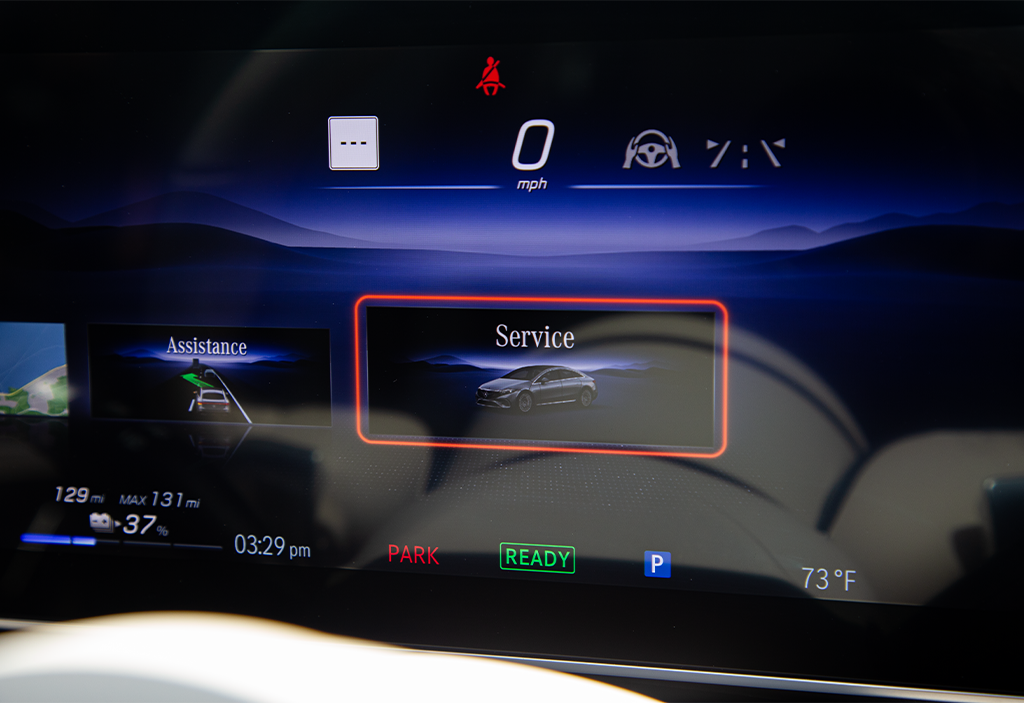
To reset TPMS, turn on the ignition (without starting the engine). Use the steering wheel controls to find the “Service” or “Tire Pressure” menu. Select “Reset” and follow the prompts. Drive for a few minutes—TPMS should update. If the warning stays, visit a dealer.
What If My Tire Pressure Is Always Low?
Constant low pressure means there may be a leak, damaged valve, or faulty TPMS sensor. Check for nails or cracks. If you don’t find anything, take your Mercedes to a service center for professional inspection.
Can I Use Nitrogen Instead Of Air In My Mercedes Tires?
Yes, you can use nitrogen. It holds pressure better and is less affected by temperature changes. However, regular air is safe and easy to find. If you switch to nitrogen, use it for all four tires.
Is It Safe To Drive With The Tpms Warning Light On?
No. The TPMS warning means at least one tire is 25% too low. Driving like this can damage the tire or cause loss of control. Check your tires immediately or visit a service center.
What Is The Best Tire Pressure Gauge For Mercedes?
Digital gauges are best for accuracy and ease of use. Brands like Accutire or Michelin are reliable. Avoid very cheap gauges—they often give wrong readings after a few uses.
Keeping your Mercedes tires at the right pressure is not just about performance—it’s about safety and saving money. Regular checks, using both manual and TPMS methods, help your car handle well and prevent problems. With these simple steps, your Mercedes will stay in top shape, and you’ll enjoy every drive. For more technical details, see the official Mercedes-Benz guide at Mercedes-Benz Owner’s Manuals.