Many riders get excited about new motorcycle tires. They look shiny, feel smooth, and promise better grip. But the moment you ride out of the shop, you may notice something odd: your bike feels different. Some riders even feel their motorcycle sliding more than before. Is it true that new motorcycle tires are slippery? How dangerous is it? And what should you do about it?
Let’s take a close look at why this happens, what you should expect, and how to handle fresh rubber safely. This guide will help you ride with more confidence and avoid common mistakes many new and experienced riders make with new tires.
Why Are New Motorcycle Tires Slippery?
When you buy new tires, they often feel slick. The main reason is the tire manufacturing process. Tires are made in molds, and manufacturers use a release agent or mold lubricant to keep the rubber from sticking to the mold’s surface. This agent leaves a thin, oily layer on the outside of the tire. The result is a surface that’s smoother and more slippery than worn rubber.
Another reason is that the fresh rubber itself has not yet been “roughed up. ” The surface is smoother, with no texture. It has not yet been exposed to the heat, pressure, and flexing that help tires grip the road.
Comparison: New Vs. Used Tire Grip
Here’s a quick look at how new and used tires differ when it comes to grip:
| Feature | New Tire | Used (Broken-In) Tire |
|---|---|---|
| Surface Texture | Slick, smooth | Rough, micro-textured |
| Release Agent | Present | Worn off |
| Grip Level | Lower (initially) | Higher (after break-in) |
| Risk of Slide | Higher | Lower |
How Long Are New Tires Slippery?
Most tire experts say the break-in period for new motorcycle tires is about 100–200 miles (160–320 kilometers). During this time, the tire’s release agent wears away, and the rubber surface gets rougher. But the real number can depend on:
- The type of tire (sport, touring, cruiser, off-road)
- How aggressively you ride
- Road conditions (rough or smooth surfaces)
- Weather and temperature
Sport tires, for example, may “scrub in” faster because they heat up more quickly and are made for more aggressive riding. Touring tires may take a bit longer.
What Changes During The Break-in Period?
- The release agent is gradually removed by friction.
- The tire surface develops microscopic roughness that improves grip.
- The rubber starts to “cure” fully, improving flexibility and traction.
Until this process is complete, your tires will not deliver their best grip.
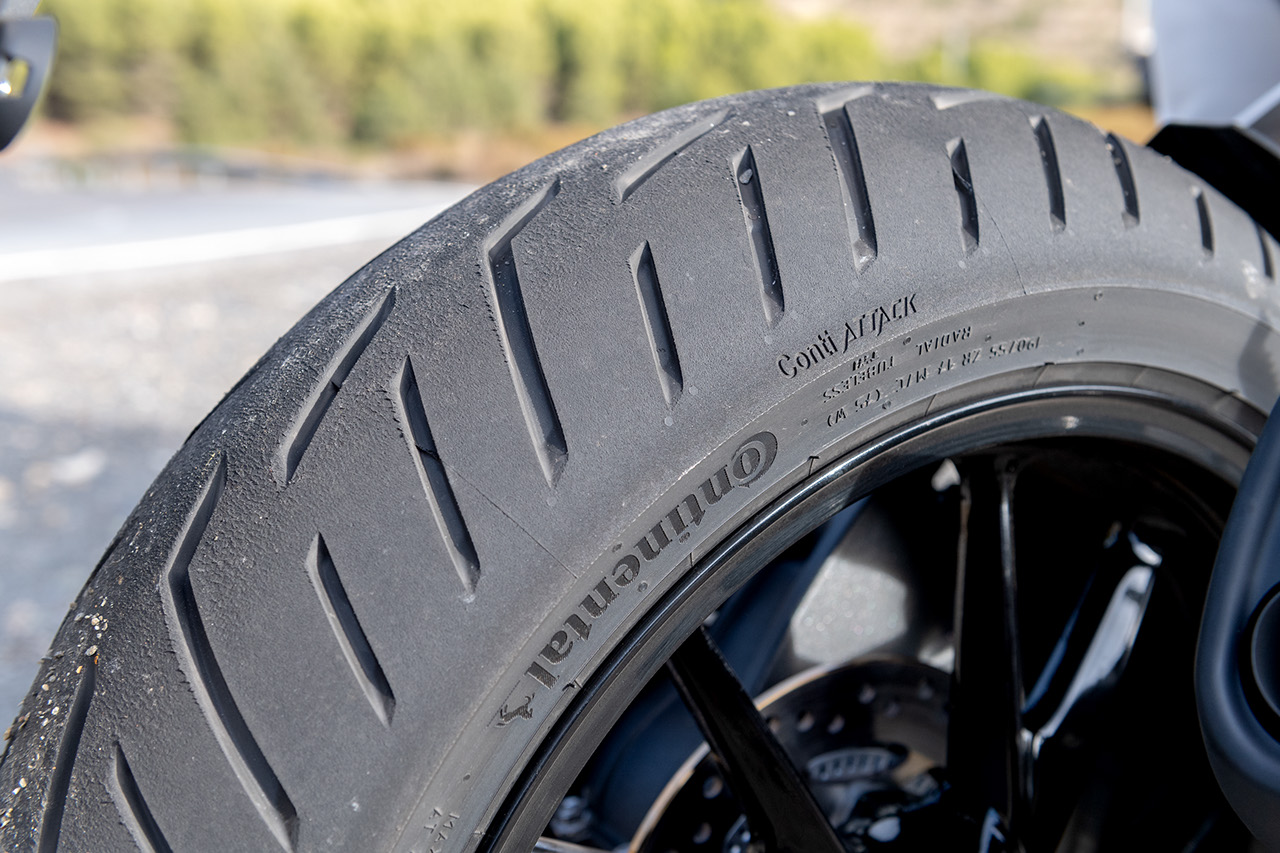
Credit: www.continental-tires.com
How Dangerous Are Slippery New Motorcycle Tires?
The risk is real but manageable. New tires can feel unexpectedly slick, especially when cornering or braking hard. The biggest danger is loss of grip in situations where you expect the tire to hold, such as sharp turns or fast stops.
A study by the Motorcycle Industry Council found that most motorcycle crashes involving new tires happen in the first 50 miles after installation. However, these crashes are usually caused by riders not adjusting their riding style to suit the new tires.
Real-world Example
Many riders have experienced a small slide or “twitch” on a brand-new set, especially when riding out of the shop for the first time. A rider in California reported almost dropping his bike at a low-speed turn just a few blocks from the tire shop.
He later realized he had leaned too much on tires that were not yet broken in.
How To Break In New Motorcycle Tires Safely
Being careful during the first few rides is the best way to stay safe. Here’s a simple step-by-step plan to break in your new tires:
- Ride Gently at First: For the first 100–200 miles, avoid hard acceleration, sudden braking, or deep cornering.
- Increase Lean Angle Gradually: Start by riding upright, then slowly increase your lean in corners as the tire surface gets roughed up.
- Check Tire Pressure: Make sure your tire pressure matches the manufacturer’s recommendation. Incorrect pressure can make slipping worse.
- Avoid Wet or Slick Roads: Water, oil, or sand can make the break-in even riskier. Stick to clean, dry roads if possible.
- Check for Debris: New tires can pick up small rocks or debris more easily. Inspect them after your first ride.
- Warm Up the Tires: Rubber grips better when warm. Ride for a few minutes before pushing harder, even after the break-in.
Example Break-in Schedule
| Miles Ridden | Recommended Riding Style |
|---|---|
| 0–50 | Very gentle, minimal lean, slow speed |
| 51–100 | Moderate speed, slightly increased lean, cautious braking |
| 101–200 | Normal riding, begin exploring full lean and acceleration |

Credit: www.rideapart.com
Are All New Motorcycle Tires Equally Slippery?
Not all new tires are equally slick out of the box. Here’s why:
- Type of Rubber Compound: Softer compounds (used in sport tires) may be less slippery, but still need break-in. Harder compounds (touring or cruiser tires) can feel slicker.
- Manufacturing Process: Some brands use less release agent or wash tires after molding, so their tires may be less slippery.
- Tread Pattern: Tires with a more aggressive tread can sometimes “scrub in” faster than those with smoother surfaces.
Brand Differences
Some brands are known for their tires needing a longer break-in, while others use different processes to reduce slipperiness. Riders often share their experiences on forums about which brands feel slicker at first. However, it’s always safest to assume that all new tires need a careful break-in.
Can You Remove The Slippery Layer Faster?
Many riders want to get rid of the slippery surface as quickly as possible. Here are some common methods and whether they’re safe or effective:
- Roughing with Sandpaper: Some people use fine sandpaper to scuff the surface. This can help, but it’s risky—uneven sanding can damage the tire.
- Riding Aggressively: Taking corners hard right away is dangerous. The best way is slow, steady wear.
- Cleaning with Solvents: Washing with soap and water can remove some residue, but does not fully roughen the rubber.
- Professional Tire Scrubbing: Some racing teams use machines to pre-scrub tires, but this is not practical for street riders.
Best practice: Use gentle riding to naturally break in the tire. Artificial methods may hurt performance or tire life.
Mistakes Riders Make With New Tires
Even experienced riders make errors when switching to new rubber. Here are some common mistakes:
- Riding too aggressively right away: The most common mistake. Riders forget new tires need time.
- Ignoring tire pressure: New tires lose air quickly at first. Under-inflated tires are more likely to slide.
- Not checking for debris: Sticky new tires can pick up stones, glass, or nails more easily.
- Forgetting about cold weather: Cold tires grip less, especially when new. Warm up both the bike and tires before pushing.
- Not inspecting tires after first rides: Look for cuts, bubbles, or other damage that might affect safety.
How To Tell If Your New Tires Are Broken In
You’ll notice a few signs that your tires are ready for normal riding:
- The shiny surface is gone, replaced by a dull, matte finish.
- The tire feels more “planted” in corners and stops more confidently.
- There’s more grip when leaning into turns or braking.
- Visual inspection shows the tread is “roughed up” all the way to the edges.
If you still feel slipping after 200 miles, check for other problems like oil on the tire, incorrect pressure, or even a faulty tire.
How New Tire Slipperiness Compares To Other Factors
While new tires can be slippery, other things can also cause loss of grip. Here’s a comparison:
| Factor | Effect on Grip | How to Handle |
|---|---|---|
| New Tire Slipperiness | Short-term, moderate risk | Break-in gently |
| Wet Roads | High risk, especially at speed | Slow down, increase distance |
| Oil or Fuel Spills | Sudden, very high risk | Avoid area, ride around |
| Cold Temperatures | Lower grip until tires warm up | Ride gently until warm |
| Worn Tires | Progressively less grip | Replace before unsafe |
Two Insights Most Riders Miss
- Slippery edges last longer: Even after the main tread is broken in, the very edge of the tire (where you lean farthest) may still be slippery. If you never lean deeply, those parts stay “green.” Try to gently use the full width of the tire during break-in.
- Passenger weight changes break-in: Riding with a passenger during break-in increases tire flex and can speed up the process, but it also raises the risk of a sudden slide if you push too hard. Solo riding is safer for the first 100 miles.
When To Seek Help Or Advice
If your new tires still feel slippery after the break-in, something may be wrong. Common signs to watch for:
- Strong vibration or wobble
- Unusual sounds
- Visible damage, cuts, or bulges
- Consistent sliding even after 200 miles
In these cases, go back to your tire dealer or mechanic. Don’t take risks with your safety.
If you want more in-depth technical information, you can check out this Wikipedia article on tires.
Frequently Asked Questions
Do All New Motorcycle Tires Need A Break-in Period?
Yes, almost all new motorcycle tires require a break-in period. This helps remove the slippery layer and allows the rubber to reach its best grip. Never assume your new tire is fully ready right out of the shop.
How Can I Tell If My New Tire Is Still Slippery?
If the surface is shiny and smooth, it’s likely still slippery. You may also feel the bike “slide” or “twitch” during turns or hard stops. Once the surface is dull and the tire grips well, break-in is complete.
Can I Speed Up The Break-in Process By Riding Hard?
No, riding hard increases the risk of a crash on a slick tire. The safest way is to ride gently and let the tire naturally wear in over 100–200 miles.
Is It Safe To Wash A New Tire To Remove The Slippery Layer?
Washing with soap and water can remove some surface residue, but it won’t make the tire safe for hard riding right away. Only friction from the road can fully break in the tire.
Do Tire Brands Or Models Make A Difference In Slipperiness?
Yes, some brands and models are less slippery due to different manufacturing processes or compounds. However, always assume your new tires will need careful break-in, no matter the brand.
Riding with new tires is exciting, but it’s important to respect the break-in process. Take your time, follow safe riding habits, and you’ll enjoy maximum grip and safety for thousands of miles to come.

Credit: www.rideapart.com