Choosing the right tires can make a huge difference in how your vehicle feels and performs on the road. If you’re stuck deciding between BSW and OWL tires, you’re not alone.
Both types have their fans, but which one truly fits your needs? You’ll discover the key differences, benefits, and drawbacks of BSW and OWL tires. By the end, you’ll feel confident about which option will give you the best ride, safety, and value.
Keep reading—your perfect set of tires is just a few minutes away.

Credit: thecarstuff.com
Tire Brands Overview
Tire brands play a key role in vehicle safety and performance. Choosing the right brand affects comfort, grip, and durability. Understanding each brand’s strengths helps pick the best tire for your needs.
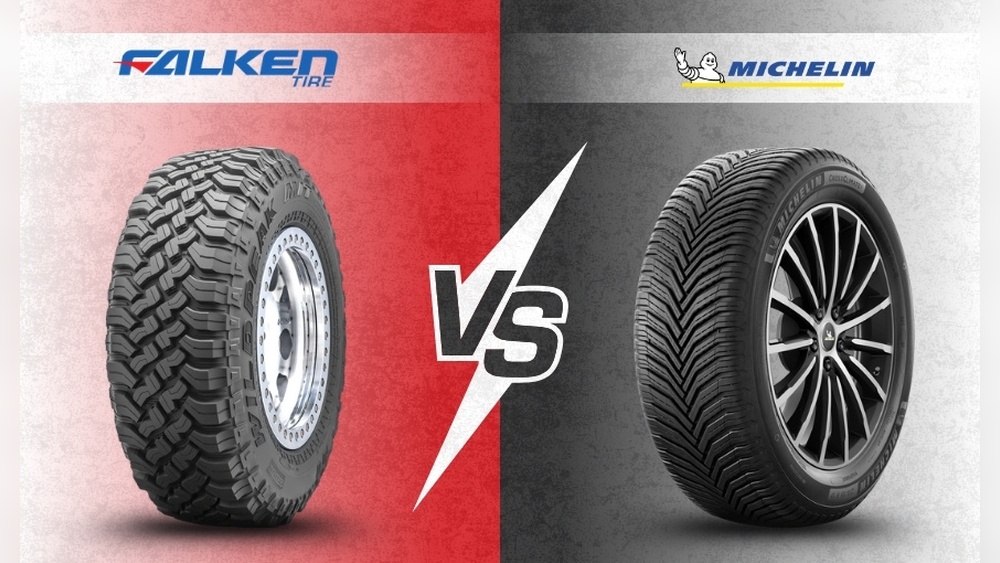
This section compares two popular tire brands: Bsw and Owl. Both offer quality options but differ in style and technology.
Bsw Tire Profile
Bsw tires focus on durability and all-weather performance. They use strong rubber compounds to resist wear and tear. Many drivers trust Bsw for long-lasting tires. Their designs balance grip on wet and dry roads. Bsw tires often come with reinforced sidewalls. This adds extra protection against road damage. The brand offers a wide range of sizes and tread patterns. It suits everyday driving and light off-road use. Bsw also keeps prices reasonable for budget-conscious buyers.
Owl Tire Profile
Owl tires emphasize smooth rides and fuel efficiency. They use advanced tread patterns to reduce road noise. Owl tires perform well on highways and city streets. The brand focuses on comfort for daily commuters. Owl also invests in eco-friendly materials to lower emissions. Many Owl tires feature self-cleaning treads for better mud and snow grip. Their tires often provide good traction in various weather conditions. Owl targets drivers who want reliable and quiet tires. Prices vary but usually stay competitive.
Performance In Different Conditions
Performance in different conditions defines how well tires serve your needs. BSW and OWL tires each have strengths and weaknesses. Understanding these helps you pick the right tire for your vehicle and driving style.
Wet Road Handling
BSW tires offer reliable grip on wet roads. Their tread design helps push water away quickly. This reduces the risk of slipping. OWL tires also perform well but may not clear water as fast. Both tires improve safety during rain but BSW has a slight edge.
Dry Road Grip
On dry roads, OWL tires provide excellent traction. Their rubber compounds stick well to pavement. BSW tires have good dry grip but can wear faster under heat. Both are stable but OWL tires may feel firmer and more responsive. Dry road driving suits OWL tires better.
Off-road Capability
BSW tires handle rough and uneven terrain better. Their deeper tread pattern offers more grip on dirt and gravel. OWL tires focus on street use and may struggle off-road. For light off-roading, BSW tires are the safer choice. They keep you steady on challenging surfaces.
Durability And Longevity
Durability and longevity are key factors when choosing tires. Tires must last long and handle tough roads. Both Bsw and Owl tires offer strong performance. Understanding their durability helps in making the right choice. This section compares how long each tire lasts and how well they resist damage.
Tread Life Comparison
Tread life shows how many miles a tire can run before wearing out. Bsw tires typically have a solid tread life. They can cover many miles without needing replacement. Owl tires also provide good tread life, often matching Bsw in many conditions. Both brands use tough rubber compounds to extend tread life. Choosing between them depends on road type and driving style.
Resistance To Wear And Tear
Wear and tear means how well tires handle rough surfaces and obstacles. Bsw tires resist cuts and cracks well. Their design helps prevent damage from stones and rough roads. Owl tires also show strong resistance to wear. They use special materials that protect against punctures and scrapes. Both brands offer durable tires that keep safe grip over time.
Credit: www.bigotires.com
Comfort And Noise Levels
Comfort and noise levels are key factors in choosing between BSW and OWL tires. These elements affect your daily driving experience. A smooth ride and low noise keep trips pleasant. Both tire types have unique features that influence comfort and sound.
Ride Smoothness
BSW tires often provide a steady and soft ride. Their design absorbs road bumps well. This reduces jolts on rough surfaces. OWL tires focus on balance between grip and comfort. They handle uneven roads with moderate cushioning. The difference in materials and tread patterns affects smoothness. BSW tires usually feel gentler on city streets. OWL tires may feel firmer but still comfortable on highways.
Noise Reduction Features
BSW tires include grooves that cut down road noise. Their tread blocks are shaped to limit vibrations. This results in quieter rides, especially at low speeds. OWL tires use advanced rubber compounds to reduce noise. They also have optimized tread designs to avoid harsh sounds. Both tires aim to minimize noise, but BSW tires often perform better in urban areas. OWL tires keep noise low on fast roads and highways.
Fuel Efficiency Impact
Fuel efficiency is a key factor when choosing tires. It affects how much fuel your vehicle uses. Tires with lower rolling resistance help save fuel. Different tire brands have different designs and materials. This impacts their fuel efficiency. Comparing Bsw and Owl tires shows some clear differences.
Rolling Resistance And Fuel Use
Rolling resistance is the force tires face while moving. Lower rolling resistance means less energy needed. Bsw tires often have a design focusing on durability. This can increase rolling resistance slightly. Owl tires tend to use softer compounds. This helps reduce rolling resistance and fuel use.
Tread Patterns And Fuel Efficiency
Tread pattern affects how tires grip the road. Bsw tires have deeper treads for rough surfaces. This can cause more fuel consumption. Owl tires usually have simpler tread patterns. They provide smoother contact with the road. This helps improve fuel efficiency during drives.
Weight Of Tires And Its Effect
Heavier tires require more power to move. Bsw tires are built tough and can be heavier. Owl tires focus on lightweight materials. Lighter tires reduce the load on the engine. This leads to better fuel savings over time.
Pricing And Value
Choosing between Bsw and Owl tires involves checking their pricing and value. This helps you decide which brand fits your budget and needs. Price alone does not tell the full story. You need to consider what you get for the price. Quality, performance, and support matter a lot. Let’s explore the cost and warranty options for both brands.
Cost Comparison
Bsw tires usually cost less than Owl tires. This makes Bsw a good option for tight budgets. Owl tires are priced higher but offer extra features. These may include better grip and longer tread life. Both brands offer different models with varying prices. Choosing the right model depends on your driving style and road conditions. Bsw suits everyday city driving well. Owl works better for rough roads and heavy use.
Warranty And Support
Bsw provides a standard warranty on most tires. It covers defects and some damage for a limited time. Owl offers a longer warranty period. This often includes road hazard protection. Customer support from Owl is known to be responsive and helpful. Bsw’s support is decent but may vary by location. Check the warranty details before buying. A good warranty adds value and peace of mind.
User Reviews And Feedback
User reviews and feedback reveal real experiences with Bsw and Owl tires. These insights help understand tire performance beyond specs. Buyers share thoughts on durability, grip, and comfort. Their opinions highlight strengths and weaknesses of each brand.
Reading user feedback helps choose the right tire for specific needs. It shows how tires behave in different weather and road conditions. Pay attention to common praises and complaints to gauge overall satisfaction.
User Ratings And Satisfaction
Bsw tires often receive high marks for long-lasting tread life. Many users praise their strong grip on wet roads. Owl tires get good reviews for smooth rides and noise control. Satisfaction rates vary based on tire type and driving style.
Durability And Wear Patterns
Buyers report Bsw tires wear evenly over time. Some mention Owl tires show signs of wear faster on rough surfaces. Both brands face occasional issues with sidewall damage. Proper maintenance extends the life of either tire.
Performance In Different Weather
Bsw tires perform well in rain and light snow. Owl tires handle dry roads with excellent stability. Some users note Owl tires slip slightly on ice. Neither brand suits extreme winter conditions without proper tires.
Customer Service And Support
Bsw customers often highlight helpful and responsive support. Owl buyers mention quick responses but mixed experiences with warranty claims. Clear communication improves the overall ownership experience for both brands.
Choosing The Right Tire
Choosing the right tire is key for safe and smooth driving. Tires affect your vehicle’s grip, fuel use, and comfort. Picking between BSW and OWL tires means understanding your needs well. Each tire type offers benefits that fit certain vehicles and driving habits.
Vehicle Compatibility
Tires must match your vehicle’s size and type. Check the owner’s manual for tire size and load limits. BSW tires often suit trucks and SUVs with rugged designs. OWL tires fit cars and light vehicles, offering a sleek look. Using the right tire size helps avoid damage and ensures safety. Consult a tire expert if unsure about compatibility.
Driving Style Considerations
Your driving style shapes tire choice. BSW tires handle rough roads and off-road driving well. They provide strong traction and last longer on tough terrain. OWL tires focus on smooth rides and quiet performance. Ideal for city driving and highways. Think about where you drive most. Choose tires that match your speed, road conditions, and comfort needs.
Credit: www.f150forum.com
Frequently Asked Questions
What Is The Difference Between Bsw And Owl Tires?
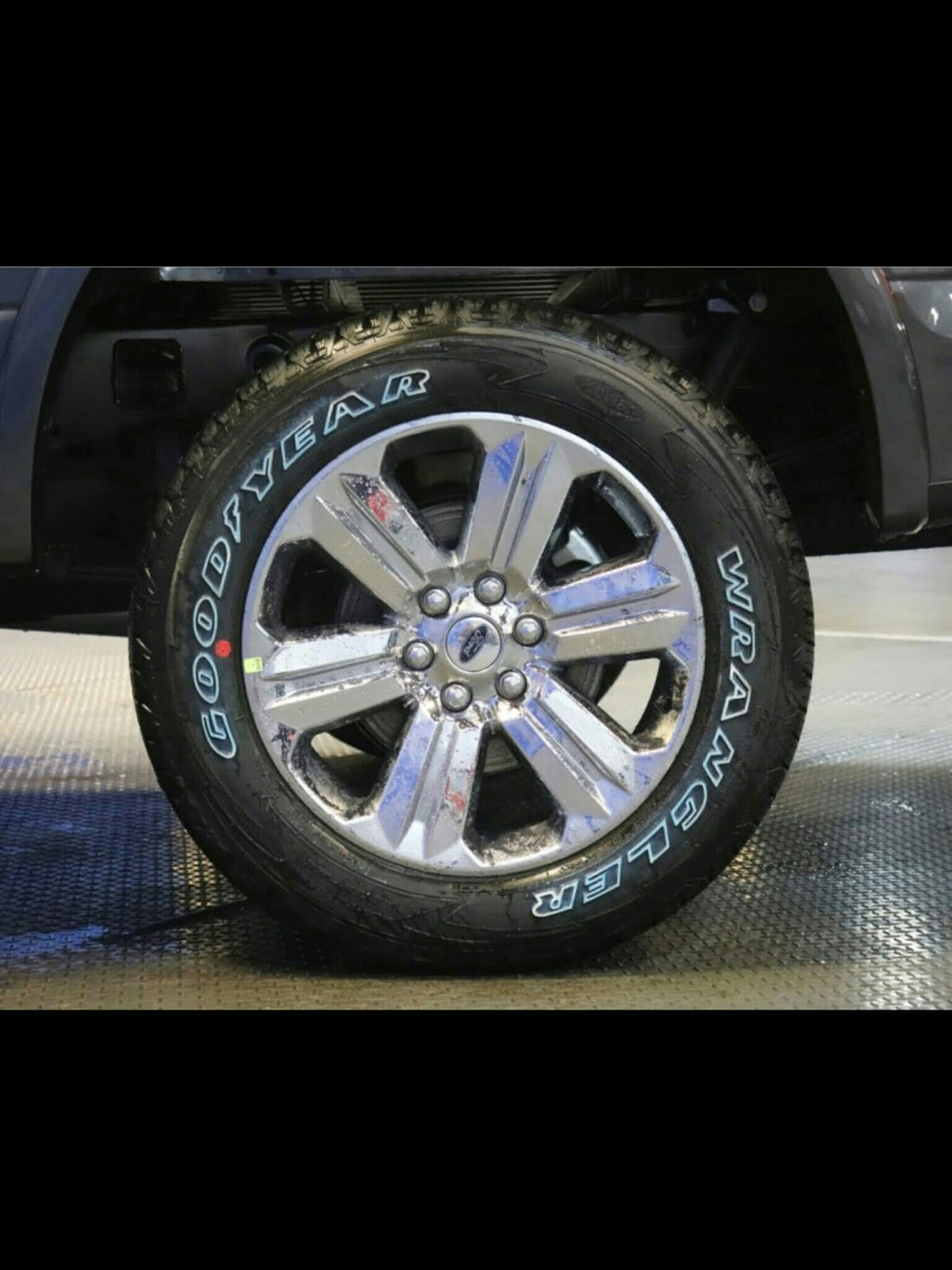
BSW tires have black sidewalls, while OWL tires feature white lettering or outlines. BSW offers a classic look, whereas OWL provides a sporty, stylish appearance. Both types perform similarly but differ mainly in aesthetics and visual appeal.
Are Bsw Tires More Durable Than Owl Tires?
Durability depends on tire brand and model, not sidewall style. Both BSW and OWL tires can be equally durable if made with quality materials. Choose tires based on performance ratings rather than sidewall design alone.
Which Tires Improve Vehicle Appearance Better, Bsw Or Owl?
OWL tires enhance vehicle looks with bold white lettering, giving a sporty vibe. BSW tires offer a sleek, understated look. The choice depends on personal style preferences and the vehicle’s overall design.
Do Bsw Or Owl Tires Affect Tire Maintenance?
No, tire maintenance is the same for both BSW and OWL tires. Regular cleaning, rotation, and pressure checks keep tires in good condition regardless of sidewall style.
Conclusion
Choosing between BSW and OWL tires depends on your needs. BSW tires offer classic looks and good durability. OWL tires stand out with their stylish sidewalls and strong grip. Consider your budget, driving style, and road conditions. Both tire types serve their purpose well.
Think about what matters most for your vehicle. This helps you pick the best tire for safe and smooth rides. Take time to compare features before you buy. Your choice can improve comfort and performance on the road.