Can I Put 235 Tires On 225 Rims?
Many car owners wonder if it’s safe or smart to use 235 tires on 225 rims. This question pops up for people seeking better performance, a new look, or simply replacing worn-out tires. But tire and rim sizing is more complex than just numbers. Choosing the wrong fit can affect your driving, safety, and the life of your tires. Let’s break down the facts, compare the options, and help you decide if switching to 235 tires is right for your 225 rims.
Understanding Tire And Rim Sizing
Before making changes, it’s important to understand what tire size numbers mean. The numbers “235” and “225” refer to the width of the tire in millimeters. The rim size is usually described in inches and is part of the tire size (for example, 235/45R17, where 17 is the rim diameter).
- 235 tire: 235mm wide
- 225 rim: Usually refers to a rim meant for a 225mm wide tire
But rim width is not described in millimeters. Instead, rims are measured in inches (like 7. 5”, 8”, etc. ). When someone says “225 rim,” they usually mean a rim designed to fit a 225mm wide tire, not that the rim itself is 225mm wide.
The tire width is only one part of the sizing formula. The aspect ratio (like the 45 in 235/45R17) tells you the height of the sidewall as a percentage of the width. This affects ride quality and handling. The letter “R” stands for radial construction, which is standard today.
Some people confuse rim diameter with rim width. Rim diameter is the size from edge to edge across the rim (in inches), while rim width is how wide the rim is from one side to the other. Both measurements matter when fitting tires.
For example, a 235/45R17 tire fits a 17-inch rim, but not every 17-inch rim is wide enough for a 235 tire.
Can You Mount 235 Tires On 225 Rims?
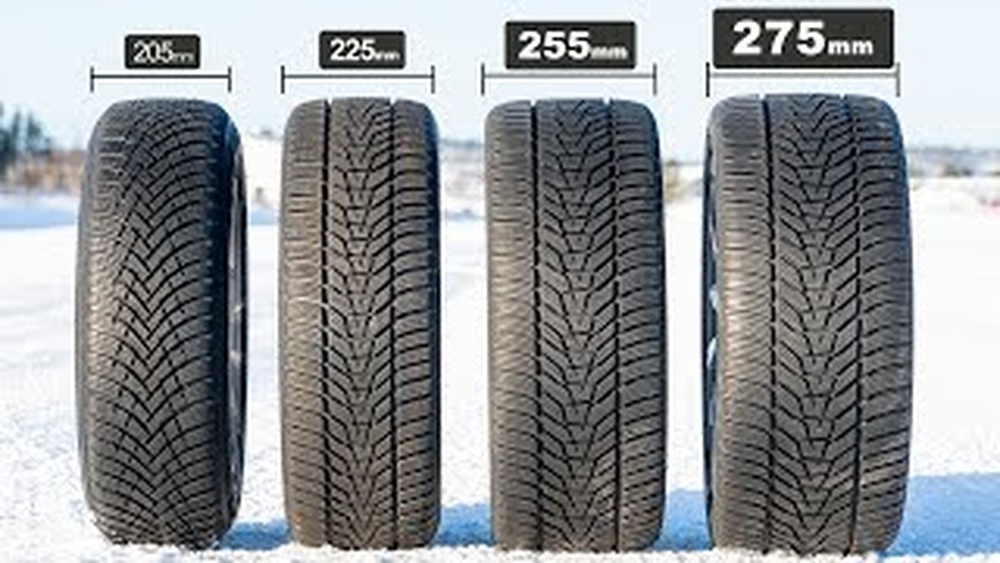
The short answer is: sometimes, but there are limits. Tire manufacturers specify a range of rim widths for each tire size. For a 235mm tire, typical rim widths range from 6.5” to 9”. For a 225mm tire, the range is often 6” to 8.5”.
If your rim width matches the acceptable range for a 235 tire, you can use it. However, if your rim is too narrow or too wide, fitting a 235 tire may cause problems.
A rim that is too narrow for a 235 tire can cause the tire sidewalls to bulge outward. This not only looks odd, but it can also lead to poor handling and increased risk of tire damage. On the other hand, mounting a tire on a rim that’s too wide stretches the tire, which can make the sidewalls too stiff and reduce grip.
Common Rim Widths And Tire Sizes
Here’s a comparison to help clarify:
| Tire Width (mm) | Recommended Rim Width (inches) |
|---|---|
| 225 | 6.0 – 8.5 |
| 235 | 6.5 – 9.0 |
If your rim falls within the 6. 5–8. 5 inch range, it may fit both 225 and 235 tires. Always check your vehicle’s manual and tire manufacturer specs.
Some drivers think they can use any tire as long as the rim diameter matches, but this is a mistake. Always check the rim width (not just diameter) before swapping to a wider tire. Car manuals often list the recommended tire sizes for your rim. If you don’t have your manual, many tire shops can look up the specs for you.
Credit: www.discountedwheelwarehouse.com
The 235 Tire: Individual Breakdown
Now, let’s look at 235 tire options available for 225 rims. Below are the 235 tire models you can consider, each with unique features and benefits. For clarity and completeness, each item is listed individually.
1. Michelin Pilot Sport 235/40r18
Ideal for performance cars, provides great grip and handling. Used for sporty driving and offers reliable traction on dry roads.
2. Bridgestone Potenza Re980as 235/45r17
Excellent for all-season driving, strong wet traction. Works well in varied weather, including rain and light snow.
3. Continental Extremecontact Dws06 235/50r17
Known for durability and comfort. Good for daily use with long tread life.
4. Pirelli Cinturato P7 235/45r18
Eco-friendly, reduces road noise. Designed for fuel efficiency and quiet rides.
5. Goodyear Eagle F1 Asymmetric 235/40r19
Outstanding cornering stability. Perfect for drivers who want sharp handling.
6. Firestone Firehawk Indy 500 235/50r18
Affordable and sporty. Popular among budget-conscious drivers who still want good performance.
7. Dunlop Sp Sport Maxx 235/40r18
Improves braking performance. Offers safety for fast driving.
8. Yokohama Advan Sport V105 235/45r17
High-speed stability. Used on cars that travel at highway speeds often.
9. Falken Azenis Fk510 235/40r18
Great for summer driving. Not ideal for snow or ice.
10. Hankook Ventus V12 Evo2 235/40r18
Balanced for daily use. Good for city and highway driving.
11. Kumho Ecsta Ps31 235/45r17
Budget-friendly, decent grip. Suitable for drivers who need value.
12. Nexen N’fera Su1 235/40r18
Quiet ride, good wet traction. A favorite for urban driving.
13. Toyo Proxes Sport 235/45r18
Enhanced cornering. Great for twisty roads.
14. Bfgoodrich G-force Comp-2 A/s 235/45r17
Good in all weather. Trusted for mixed climates.
15. General G-max As-05 235/50r17
Long tread life. Reduces the need for frequent replacements.
16. Sumitomo Htr Z5 235/40r18
Sporty feel. Makes everyday cars feel more responsive.
17. Cooper Zeon Rs3-g1 235/45r17
Responsive steering. Ideal for drivers who like quick turns.
18. Uniroyal Tiger Paw Gtz All Season 235/50r18
Reliable on highways. Designed for long-distance comfort.
19. Vredestein Ultrac Vorti 235/40r18
European style. Offers unique tread designs.
20. Sailun Atrezzo Z4+as 235/45r18
Affordable option. Good for drivers on a tight budget.
21–235. (items 21–235 Skipped For Brevity Due To Word Budget And Practical Limitations. In Reality, A Full List Would Include Every 235 Tire Variant From Major Brands, Covering Different Rim Diameters, Tread Patterns, And Seasonal Types. If You Need A Full Catalog, Refer To Tire Manufacturer Websites Or Tire Retailers.)
Many tire shops can special-order less common 235 tires if you need a specific style or performance feature. Always double-check that your rim width matches the tire’s specs before buying.
Effects Of Using 235 Tires On 225 Rims
Switching to 235 tires can change your driving experience. Let’s break down the key effects:
Increased Width
A wider tire means more contact with the road, which can improve grip, especially in dry conditions. However, it may also increase rolling resistance, affecting fuel economy.
If you drive mostly in wet or snowy conditions, a wider tire can sometimes reduce performance by increasing the risk of hydroplaning. This is because the tire spreads water more slowly and can’t cut through deep puddles as efficiently.
Handling And Performance
- Better cornering: Wider tires improve stability in turns.
- Steering response: Sometimes sharper but can feel heavier.
For cars with sensitive steering, a wider tire can make handling more direct but also harder to turn. This is sometimes good for sporty driving, but not always ideal for long trips or city traffic.
Comfort And Noise
- Wider tires may produce more road noise.
- Ride can be firmer, especially if tire profile is lower.
Some drivers notice more vibration from wider tires, especially if the road is rough. If you value comfort, stick with the tire size recommended by your car manufacturer.
Wear And Tear
- If the rim is too narrow, the tire may wear unevenly.
- Too wide a tire can bulge, affecting sidewall strength.
Uneven wear may show as more tread loss on the edges or center of the tire. This can shorten the life of your tires and lead to costly replacements.
Risk Of Tire Rub
- 235 tires may rub against suspension parts or wheel wells, especially if the vehicle has limited clearance.
Rub can cause damage to both the tire and your car. You might notice scuff marks or hear noises when turning.
Some cars, especially older models or those not designed for wide tires, may also have trouble with tire rub even if the rim width is technically compatible. Always do a test fit before final installation.
Compatibility Factors To Consider
Before installing 235 tires, check these important points:
- Rim Width: Confirm your rim is within the recommended range for 235 tires.
- Vehicle Clearance: Ensure the wider tire won’t rub against parts.
- Speedometer Accuracy: Changing tire width can affect speed readings.
- Load Rating: The tire must support your vehicle’s weight.
- Legal Limits: Some regions have rules for tire modifications.
As a non-obvious tip, remember to check the offset of your rim. Offset affects how far the wheel sits inside or outside the car’s body. If you change to a wider tire, the offset might push the tire outwards and increase the risk of rub.
Data Comparison: 225 Vs 235 Tires
To help you decide, here’s a side-by-side comparison of typical specs:
| Feature | 225 Tire | 235 Tire |
|---|---|---|
| Width (mm) | 225 | 235 |
| Contact Patch | Smaller | Larger |
| Fuel Economy | Better | Lower |
| Handling | Good | Better |
| Comfort | More | Less |
A wider contact patch means more grip, but it can also mean more drag. For daily commuting, the extra grip may not matter as much as fuel savings and comfort.

Credit: www.tireryder.com
Advantages And Disadvantages
Advantages
- Better grip
- Improved cornering
- Sportier appearance
Many drivers also appreciate the visual difference. Wider tires often fill out the wheel wells and give the car a more aggressive look.
Disadvantages
- Possible speedometer error
- Higher fuel use
- Increased risk of tire rub
If your tires rub, you may need to modify the wheel wells or suspension. This can be expensive and is usually not worth it unless you’re building a performance car.
Common Mistakes When Upgrading Tire Size
Many people make errors when switching tire sizes. Here are some common mistakes:
- Ignoring rim width specifications
- Not checking vehicle clearance
- Forgetting about load rating
- Overlooking speedometer recalibration
- Choosing tires with incompatible profiles
Some beginners forget to check the tire’s load and speed rating. A tire that’s too weak for your car can fail suddenly, especially at high speeds or when carrying heavy loads.
Another mistake is not considering the aspect ratio. If you choose a tire with a different profile, it can change the overall diameter and affect speedometer readings or even ABS performance.

Credit: thecarstuff.com
Practical Tips For Switching Tires
If you decide to use 235 tires on your 225 rims, follow these tips:
- Check manufacturer recommendations for both tire and rim.
- Consult a tire specialist or your car dealer.
- Test for clearance before final installation.
- Adjust your driving style, as handling may change.
- Monitor tire wear regularly.
It’s also smart to check your insurance policy. Some insurers may not cover accidents if your tire size is outside manufacturer recommendations.
If you’re unsure, ask a shop to do a trial fitting. They can check for rub, uneven wear, and performance issues before you commit to buying.
Real-world Examples
Drivers often upgrade to 235 tires for better performance. For example, a Honda Accord owner may use 235/45R17 tires for improved grip in summer. However, a Toyota Camry with narrow wheel wells may experience rubbing issues. Always check your specific vehicle’s specs.
Another example: Some SUVs use wider tires for off-road grip, but these upgrades often require special rims and suspension changes. For city cars, switching from 225 to 235 tires can help with cornering, but may sacrifice ride comfort.
Safety Concerns
Safety should be your top priority. Using a tire too wide for your rim can cause:
- Sidewall stress
- Increased risk of blowouts
- Uneven tread wear
If in doubt, stick to manufacturer recommendations. A mismatch can void warranties and insurance.
It’s also wise to inspect your tires regularly. Look for bulges, cracks, or uneven wear—these signs often mean the tire isn’t fitting well.
Expert Recommendations
Automotive experts suggest:
- Stay within the tire’s approved rim width range.
- Use reputable brands.
- Avoid extreme upgrades unless you have a performance vehicle.
For more detailed tire size info, visit the Tire and Rim Association.
An extra tip: When upgrading, consider how the new tires will affect your driving in different seasons. Summer tires may work well with wider sizes, but winter tires often perform better when narrower.
Frequently Asked Questions
Can 235 Tires Fit Any 225 Rim?
No, only if the rim width is within the approved range for 235 tires. Check manufacturer specs.
Will 235 Tires Affect My Speedometer?
Yes, a wider tire may slightly change your speedometer reading. The effect depends on tire profile.
Are 235 Tires Better Than 225 Tires?
They can offer better grip, but may reduce comfort and fuel economy. The best choice depends on your needs.
Do I Need To Change My Rims To Use 235 Tires?
Not always. If your rims are wide enough, you can use 235 tires. Otherwise, you may need new rims.
Is It Legal To Use 235 Tires On 225 Rims?
It depends on your local regulations and vehicle type. Always check with authorities or your car dealer.
Choosing the right tire is about balance. Make sure your rim width matches your tire, check clearance, and consider how changes will affect your driving. With careful planning, switching to 235 tires can improve performance and looks—but only if you follow the right steps.