When you drive your car, you probably don’t think much about your tires — unless you get a flat. But ignoring low tire pressure can cause serious problems. Many drivers believe a tire just needs air when it’s visibly flat. In reality, even a small drop in pressure can affect safety, fuel cost, and tire lifespan. Let’s break down why driving on low tire pressure is much worse than most people think, what happens to your car, and how to avoid costly mistakes.
What Is Considered Low Tire Pressure?
Most passenger cars recommend a tire pressure between 30–35 PSI (pounds per square inch). Your exact number is usually printed on a sticker inside the driver’s door or in the owner’s manual. Low tire pressure means the pressure is below the recommended value.
For example:
- If your tire should be at 32 PSI but reads 26 PSI, that’s low.
- Even a drop of 5 PSI can make a big difference.
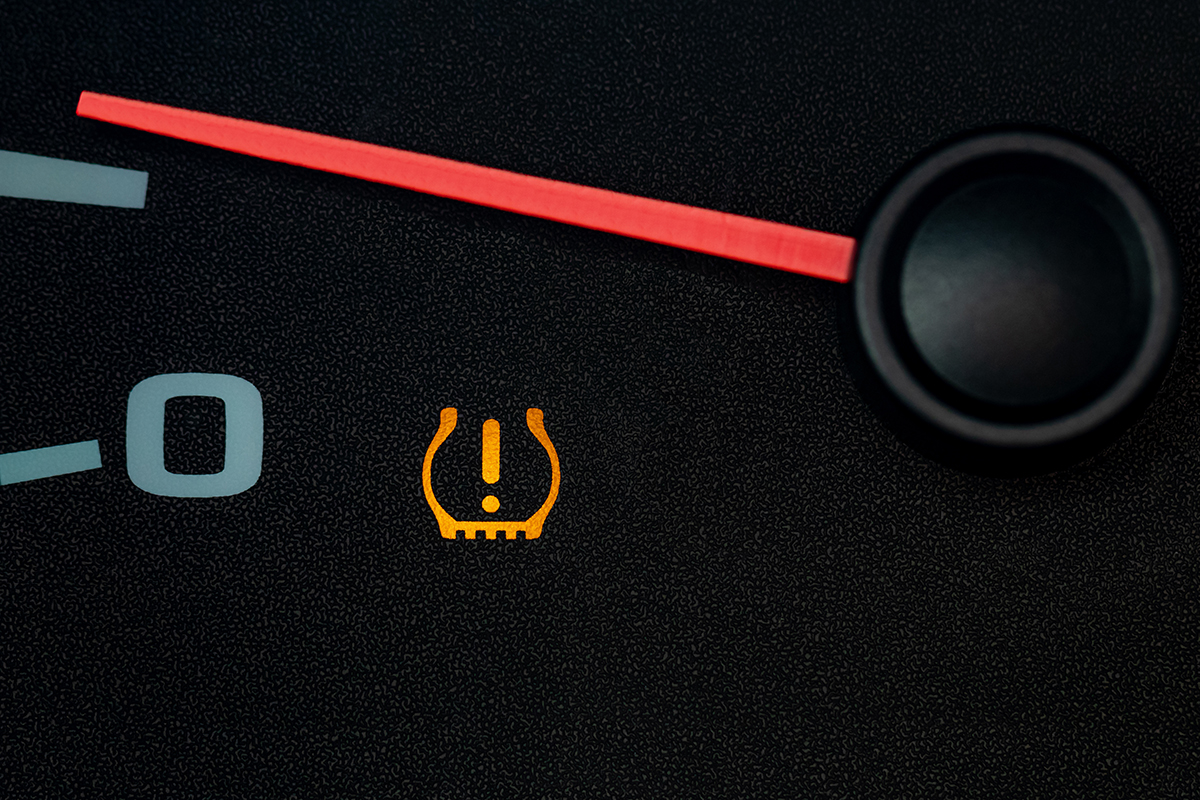
Many modern cars have a TPMS (Tire Pressure Monitoring System) that warns you when pressure is too low. But these sensors often trigger only when pressure falls 25% below the recommended value — much lower than ideal.
Why Low Tire Pressure Is Dangerous
Driving on low tire pressure causes several hidden dangers:
- Loss of Control: Tires with low air have less grip. This affects steering, especially in rain or snow. You may notice the car feels “sloppy” or slow to react.
- Longer Braking Distance: Underinflated tires can’t stop as quickly. In emergency situations, this extra distance could be the difference between stopping safely and hitting something.
- Increased Risk of Blowouts: Low pressure lets the tire flex more. This creates heat, which can cause the tire to suddenly fail — sometimes at high speed.
- Poor Fuel Efficiency: Tires need to roll smoothly. When they are soft, the engine works harder, using more fuel.
- Uneven Tire Wear: Low pressure wears out the tire edges faster, shortening tire life.
Real-world Example
The National Highway Traffic Safety Administration (NHTSA) found that 1 out of every 4 vehicles has at least one tire underinflated by more than 25%. This increases accident risk and costs drivers hundreds of dollars yearly in wasted fuel and tire replacement.
How Low Tire Pressure Affects Your Car
Let’s look at what happens inside the car and the tire when you drive with low air.
Handling And Stability
Your tires are designed to keep the car stable. Low pressure changes the shape of the tire, making it less able to “hold” the road. This is especially dangerous during cornering or sudden moves.
Tire Damage
When tires are underinflated:
- The sidewalls flex more.
- The tire builds up heat.
- The inside can break apart even if the outside looks fine.
Fuel Economy Impact
Here is a quick comparison of how tire pressure affects miles per gallon (MPG):
| Tire Pressure | Estimated MPG | Extra Fuel Used per 1000 Miles |
|---|---|---|
| Recommended (e.g., 32 PSI) | 30 MPG | 0 gallons |
| Low (e.g., 26 PSI) | 28 MPG | 2.4 gallons |
| Very Low (e.g., 20 PSI) | 25 MPG | 8 gallons |
Over a year, this can add up to $100–$300 in extra fuel costs.
Tire Wear Comparison
Let’s see how low pressure affects tire life:
| Pressure Level | Average Tire Life (Miles) | Common Issues |
|---|---|---|
| Properly Inflated | 40,000 | Even wear |
| 5 PSI Low | 32,000 | Edge wear |
| 10+ PSI Low | 22,000 | Blowouts, extreme wear |
Replacing tires early costs hundreds of dollars per set.
Safety Risks
Low tire pressure increases risk of:
- Hydroplaning (losing control in water)
- Blowouts on highways
- Skidding or sliding in bad weather
These risks are much higher at high speed or in heavy vehicles.
Common Causes Of Low Tire Pressure
Most drivers don’t realize their tires are low until something feels wrong. Here are some causes:
- Temperature Changes: Air contracts in cold weather, lowering pressure.
- Small Punctures: Nails or screws can cause slow leaks.
- Valve Issues: Sometimes the valve stem leaks.
- Normal Leakage: Tires lose 1–2 PSI per month naturally.
- Bad Seal: If the tire doesn’t seal well on the rim, it leaks.
Checking your tires monthly helps catch these problems early.
How To Identify And Fix Low Tire Pressure
Signs Your Tire Is Low
- Car feels heavy or sluggish
- Steering is less responsive
- Tire looks “flat” at the bottom
- TPMS warning light
But sometimes, tires look normal even when low. Always use a tire pressure gauge to check.
Measuring Tire Pressure
- Remove the valve cap.
- Press the gauge firmly onto the valve.
- Read the number.
- Compare to your car’s recommended PSI.
Do this when the tire is cold (before driving).
Adding Air
- Use an air pump at a gas station or home.
- Add air slowly.
- Check the pressure after each burst.
- Don’t overinflate — this also causes problems.
When To Replace The Tire
If a tire has a slow leak or damage, repair or replace it quickly. Driving on a damaged tire can cause sudden failure.
How Long Can You Drive On Low Tire Pressure?
Many drivers ask, “Is it okay for a few miles? ” The real answer depends on how low the pressure is and the situation.
- Slightly Low (2–3 PSI): You can drive to the nearest air pump, but fix it soon.
- Moderately Low (5–10 PSI): The tire is at risk. Avoid long drives or high speed.
- Very Low (below 20 PSI): Don’t drive unless you have to. The tire can fail any time.
Driving even short distances on very low pressure damages the tire permanently.
Credit: retail.wonderlandtire.com
Hidden Costs Of Ignoring Low Tire Pressure
Ignoring low tire pressure costs more than just money. Here are some hidden costs:
- Reduced Tire Life: You will need new tires sooner.
- Higher Fuel Bills: The car uses more gas.
- Repair Costs: Damaged tires can harm wheels, suspension, and brakes.
- Time Lost: Unexpected breakdowns mean lost time.
- Insurance Claims: Accidents caused by blowouts can raise insurance rates.
Example
A study by AAA found that driving on underinflated tires can increase the risk of a crash by 300%. This is not just a small issue.
What Happens In Extreme Cases
Sometimes, low tire pressure leads to dangerous situations. Here are two real-life cases:
- Highway Blowout: A driver ignored the warning light. The tire blew at 65 mph, causing a spin and a crash.
- Winter Skid: Low pressure made the car slide on ice, leading to loss of control.
In both cases, the drivers thought “I’ll fix it later. ” The delay caused serious accidents.

Credit: www.canadasafetytraining.com
Non-obvious Insights Most Drivers Miss
1. Tpms Isn’t Enough
Many drivers trust the TPMS. But this system only warns when pressure is dangerously low. Your tires can be 5–10 PSI low and not trigger a warning — but still be unsafe.
2. Spare Tires Also Need Checking
Most people forget to check the spare tire. If you need it in an emergency, it might also be low. Always check your spare every few months.
3. Low Pressure Can Affect Tire Warranty
Some tire warranties are void if you drive with low pressure. This means you may not get a free replacement if the tire fails.
Tips For Preventing Low Tire Pressure Problems
- Check tire pressure monthly — more often in winter.
- Invest in a quality tire gauge (digital gauges are easiest).
- Learn your car’s recommended PSI — don’t guess.
- Check tires before long trips.
- Inspect tires for nails, cracks, and leaks regularly.
- Set reminders in your phone or calendar.
Comparing Tire Pressure Maintenance Methods
There are different ways to maintain proper tire pressure. Here’s a quick comparison:
| Method | Ease of Use | Accuracy | Cost |
|---|---|---|---|
| Manual Gauge | Easy | High | $5–$20 |
| TPMS | Automatic | Medium | Built-in |
| Professional Service | Very Easy | High | $10–$30 per visit |
Manual gauges are cheap and reliable. TPMS is helpful but not foolproof. Professional checks are best before long trips.
Frequently Asked Questions
How Often Should I Check My Tire Pressure?
Check your tire pressure at least once a month. Also check before long trips or after big temperature changes. This helps catch problems early and keeps you safe.
Can Driving On Low Tire Pressure Cause Permanent Tire Damage?
Yes. Driving even a few miles on low pressure can damage the tire’s structure. Heat builds up, causing internal parts to weaken. Once damaged, the tire may fail suddenly, even if you refill it.
Is It Safe To Drive With The Tpms Warning Light On?
No. The TPMS light means at least one tire is dangerously low. Pull over safely, check the tires, and add air as soon as possible. If you ignore the light, you risk a blowout or accident.
How Much Does Low Tire Pressure Affect Fuel Economy?
Low tire pressure can reduce fuel efficiency by 3–10%. For most cars, this means losing 1–3 miles per gallon. Over a year, this can cost $100–$300 extra in fuel.
Where Can I Find Accurate Tire Pressure Information For My Car?
Look for the recommended PSI on a sticker inside the driver’s door or in your owner’s manual. You can also check the manufacturer’s website or visit NHTSA for more details.
Credit: topdriver.com
Final Thoughts
Driving on low tire pressure is not just a small inconvenience — it’s a real danger to you, your passengers, and your wallet. Even a few PSI below recommended levels can increase accident risk, waste fuel, and destroy your tires.
Many drivers don’t realize their tires are low until it’s too late. Take a few minutes each month to check your tires, use a quality gauge, and fix problems quickly. These simple steps can save money, prevent breakdowns, and keep everyone safer on the road.
Don’t wait for a warning light or a flat — stay ahead by keeping your tire pressure right where it should be.