Every semi truck driver knows the importance of tires. Without reliable tires, even the best engine cannot move goods safely. But how long can you trust those tires to last? Semi truck tires are expensive, and their lifespan affects both safety and profits. If you are wondering how many miles these tires can handle, this article will give you clear answers, practical advice, and some surprising facts you may not know.
Typical Lifespan Of Semi Truck Tires
Most semi truck tires are built to last between 100,000 and 150,000 miles. This range depends on many factors, including the tire brand, road conditions, load weight, and maintenance habits. Some premium brands claim up to 200,000 miles, but this is rare and usually only possible with perfect care.
Fleet managers often replace tires around the 120,000 mile mark to avoid unexpected blowouts. For comparison, regular passenger car tires usually last about 40,000 to 60,000 miles. That means semi truck tires are designed for tough jobs and long roads.
Key Factors That Affect Tire Longevity
Many things influence how long your semi truck tires last. Here are the most important ones:
1. Quality Of The Tire
Not all tires are equal. Premium brands use better materials and advanced designs. Cheaper tires may wear faster and need earlier replacement.
2. Load Weight
Heavier loads put more pressure on tires. Overloading can cut the lifespan by 25% or more. Always follow your truck’s load limits.
3. Road Conditions
Rough, uneven roads cause faster wear. Long highway stretches are better for tires than city driving or gravel roads.
4. Driving Habits
Aggressive braking, speeding, and sharp turns wear tires quickly. Smooth driving extends tire life.
5. Maintenance
Regular checks for air pressure, alignment, and rotation are essential. Neglected tires lose miles quickly.
6. Tire Position
Drive axle tires wear faster than trailer tires, especially on long-haul routes.
7. Retreading
Retreading is common in trucking. It can double the life of a tire, but only if the casing is in good shape.
Semi Truck Tire Types And Their Mileage Differences
There are several types of semi truck tires, each with different life expectancies. Here’s a quick comparison:
| Tire Type | Average Mileage | Best Use Case |
|---|---|---|
| Steer Tires | 100,000–120,000 miles | Front axles, precise handling |
| Drive Tires | 120,000–150,000 miles | Power transfer, high traction |
| Trailer Tires | 150,000–200,000 miles | Rear axles, load carrying |
| Retreaded Tires | 80,000–120,000 miles (per retread) | Cost-effective, less critical positions |
Drive tires usually last longer because they are made for durability and grip. Steer tires need replacement more often because they handle more stress from steering and road contact.
Signs That Semi Truck Tires Need Replacement
Many drivers wait until tires are visibly worn, but that can be risky. Here are early signs your tires might need changing:
- Tread Depth: Legally, tread depth must stay above 4/32 inch for steer tires and 2/32 inch for others. Use a gauge regularly.
- Cracks and Bulges: These are signs of internal damage, which can cause blowouts.
- Uneven Wear: If tires wear more on one side, check alignment and suspension.
- Vibration: This could mean tire or wheel problems.
- Age: Even if tread looks good, tires older than 5–7 years may fail suddenly.
Ignoring these signs can lead to expensive repairs or accidents.

Credit: beltwaytruckparts.com
Comparing Tire Brands: Which Lasts Longer?
Not all tire brands have the same lifespan. Here’s a look at three leading brands:
| Brand | Average Mileage | Cost per Tire |
|---|---|---|
| Michelin | 140,000–160,000 miles | $400–$600 |
| Goodyear | 130,000–150,000 miles | $350–$500 |
| Bridgestone | 120,000–140,000 miles | $380–$550 |
Premium brands often cost more up front but save money over time. Budget brands might work for lighter loads or shorter distances, but frequent replacements can add up.
Maintenance Tips To Maximize Tire Life
Proper care can add thousands of miles to your tires. Here’s how:
1. Check Air Pressure Weekly
Under-inflation causes uneven wear and overheating. Over-inflation makes tires stiff and less safe. Use a quality gauge.
2. Rotate Tires Every 20,000 Miles
Rotation balances wear. Skipping this step means some tires wear out too soon.
3. Keep Wheels Aligned
Misaligned wheels create uneven wear and reduce handling. Get professional alignment checks twice a year.
4. Inspect Tread And Sidewalls
Look for cuts, cracks, and bulges. Catching problems early prevents sudden failures.
5. Avoid Overloading
Never exceed your truck’s maximum weight. Overloading damages tires and can void warranties.
6. Clean Tires Regularly
Dirt, oil, and chemicals can weaken rubber. Clean tires and wheels with safe products.
7. Store Spare Tires Properly
Keep spare tires in cool, dry places away from sunlight.
Many drivers overlook simple things like tire rotation or air checks. These habits are cheap and save money in the long run.

Credit: www.lubezone.com
Retreading: Extending Tire Life Economically
Retreading is a popular way to get more miles from semi truck tires. Instead of buying a new tire, the old casing is inspected and fitted with new tread.
- Savings: Retreaded tires cost 50–60% less than new ones.
- Safety: Modern retreads meet strict safety standards.
- Mileage: Each retread can add 80,000–120,000 miles if the casing is solid.
Some fleets retread tires up to three times. Still, not all casings are suitable for retreading. Regular inspections help decide when retreading is safe.
Cost Vs. Mileage: When Is It Worth Replacing?
Truck owners often face a tough choice: replace a tire early or risk pushing it further? Here’s a comparison:
| Replacement Timing | Cost per Mile | Risk Level |
|---|---|---|
| Early Replacement | $0.004–$0.005 | Low |
| Late Replacement | $0.003–$0.004 | High (blowouts, downtime) |
| Retreading | $0.002–$0.003 | Medium (depends on casing) |
Early replacement reduces the risk of costly accidents. Retreading is cheaper, but only when the casing is healthy. Late replacement might save money short-term, but hidden dangers are real.
Non-obvious Insights For Beginners
1. Tire Age Matters More Than Mileage
Many new drivers focus only on tread depth. But old tires can crack and fail even if tread looks fine. Always check the manufacturing date.
2. Temperature Impacts Tire Life
Extreme heat or cold changes rubber properties. Hot climates cause faster wear; cold can make tires brittle. Adjust maintenance and checks for your route.
3. Fleet Tracking Helps Predict Failures
Using tire tracking apps or logs can spot patterns. If one tire position always fails early, there might be a hidden issue with your truck.
Real-world Example: Long-haul Vs. Regional Routes
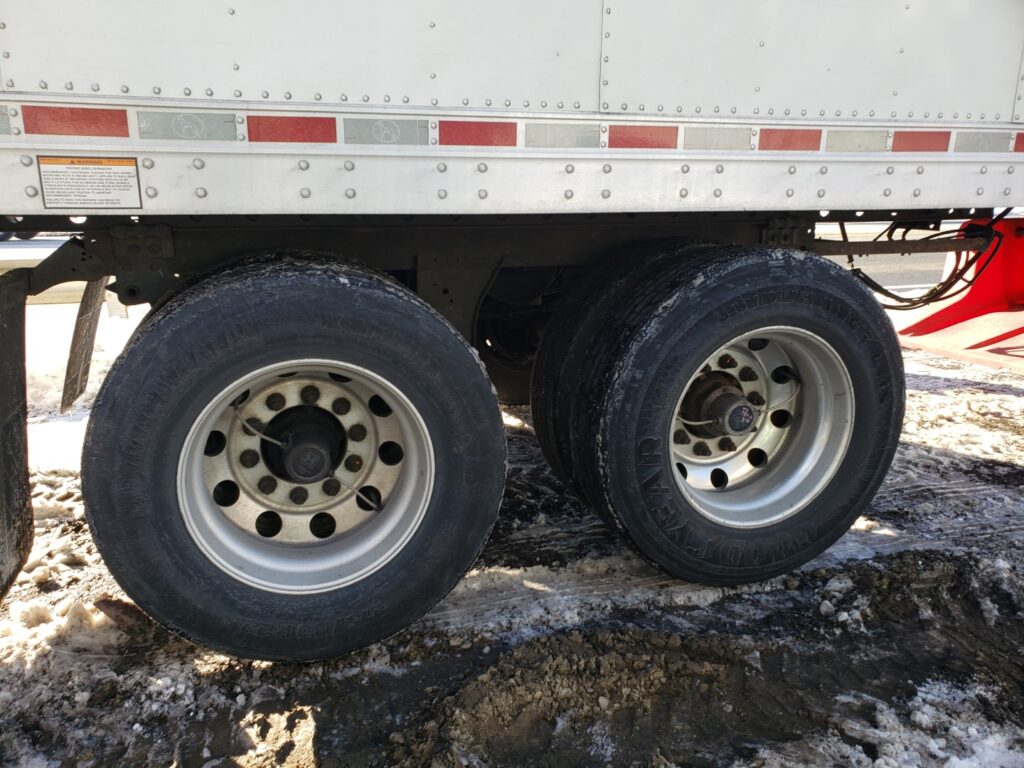
A long-haul truck driving mostly on highways may get 150,000 miles from a drive tire. In contrast, a regional truck, with frequent stops and turns, may need new tires at 100,000 miles or less. Highway miles are easier on tires, while city driving is tough on tread and sidewalls.
Credit: appletruckandtrailer.com
Environmental Impact Of Tire Disposal
Tires eventually need replacement, and disposal matters. Old tires can be recycled into road materials, playground surfaces, or even fuel. Responsible fleets work with recycling centers to reduce environmental harm. Many states have rules about tire disposal, so check local laws to avoid fines.
Frequently Asked Questions
How Often Should Semi Truck Tires Be Rotated?
Semi truck tires should be rotated every 20,000 miles or sooner if uneven wear is noticed. Rotation helps balance wear and extend tire life.
What Is The Minimum Legal Tread Depth For Semi Truck Tires?
The minimum legal tread depth is 4/32 inch for steer tires and 2/32 inch for drive and trailer tires. Use a tread depth gauge to check regularly.
Can Retreaded Tires Be Used On All Positions Of A Semi Truck?
Retreaded tires are best used on drive and trailer axles. Most fleets avoid using retreads on steer axles due to safety concerns.
How Do I Know If A Tire Is Too Old, Even If The Tread Looks Good?
Check the manufacturing date on the tire sidewall. If the tire is over 5–7 years old, replace it even if the tread is deep. Rubber ages and can fail suddenly.
Are There Any Resources To Help Choose The Best Semi Truck Tires?
Yes. The US Department of Transportation offers guides and safety tips for truck tires. For more details on industry standards, visit US Department of Transportation.
Final Thoughts
Semi truck tires are a big investment, and their lifespan depends on many factors. With good care, most tires last between 100,000 and 150,000 miles. Pay attention to signs of wear, rotate regularly, and consider retreading for cost savings. Remember, safety and reliability are worth more than squeezing out a few extra miles.
By following these guidelines, you can maximize tire life and keep your truck rolling smoothly.