Many people rarely think about their car’s tire pressure—until there’s a problem. But keeping the right pressure is not just about avoiding a flat tire. It affects your safety, fuel economy, and how long your tires last. So, how often should tire pressure be checked?
If you don’t know the answer, you’re not alone. Let’s explore why tire pressure matters, how often to check it, and how to avoid common mistakes.
Why Tire Pressure Matters
Tire pressure is the amount of air inside your tires, measured in PSI (pounds per square inch). The correct pressure ensures your tires perform as designed. Too low or too high can cause trouble.
- Safety: Under-inflated tires are more likely to fail, especially at high speeds. Over-inflated tires can reduce grip and make your car harder to control.
- Fuel efficiency: Low tire pressure increases rolling resistance. This means your car uses more fuel to move. According to the US Department of Energy, under-inflated tires can reduce fuel economy by up to 3%.
- Tire life: If tires aren’t inflated correctly, they wear unevenly. This leads to early replacement and extra costs.
Many beginners miss that tire pressure changes naturally—sometimes even overnight. Weather, driving, and time all have an effect.
How Often Should Tire Pressure Be Checked?
The answer isn’t “once a year.” Tire pressure needs regular attention. Most experts recommend checking tire pressure at least once a month. This schedule fits most driving situations.
Here’s why monthly checks are the minimum:
- Tires lose air slowly (about 1–2 PSI per month), even without leaks.
- Temperature changes cause pressure to rise or fall. For every 10°F change, pressure can change by about 1 PSI.
- Driving over rough roads, potholes, or curbs can cause sudden losses.
Some situations need more frequent checks:
- Before long trips: Always check tire pressure before a road trip or vacation.
- When temperatures change: If the seasons shift (for example, winter to summer), check more often.
- With heavy loads: If you carry extra weight (passengers, cargo), check the tires before and after.
- Older tires: Aging tires can lose air faster. Check them every two weeks.
A simple rule: If you’re unsure, check your tires. It takes just a few minutes and could save you money and trouble.
How To Check Tire Pressure Correctly
Checking tire pressure is easy, but many people do it incorrectly. Here’s a step-by-step guide:
- Find the recommended PSI: Look for a sticker inside the driver’s door or check your car’s manual. Don’t rely on the number printed on the tire—it’s the maximum, not the recommended value.
- Use a quality tire gauge: Digital gauges are more accurate, but even a simple stick gauge works.
- Check when tires are cold: Wait at least three hours after driving or check first thing in the morning. Hot tires can give a false reading.
- Remove the valve cap: Press the gauge onto the valve stem until you hear a hiss.
- Read the gauge: Compare it to the recommended PSI. If it’s low, add air. If it’s high, let some out.
- Repeat for each tire: Don’t forget the spare tire—it often gets ignored.
Many beginners miss that tire pressure should be checked visually and with a gauge. Looking at a tire is not enough; tires can look normal even when pressure is low.
Tire Pressure Monitoring Systems (tpms): Helpful But Not Perfect
Most modern cars have a TPMS. This system warns you when tire pressure drops below a certain level. But TPMS is not a substitute for regular checks.
- TPMS usually activates when pressure is 25% below the recommended level. That means your tires can be under-inflated for weeks before the warning light comes on.
- TPMS may not notice slow leaks or pressure changes caused by temperature.
Don’t rely only on TPMS. Use it as a backup, not your main method.

Credit: www.kwik-fit.com
How Tire Pressure Changes With Weather
Temperature is a big factor. Cold air contracts, lowering pressure. Hot air expands, raising pressure. This is especially important in places with big temperature swings.
For example:
- In winter, tire pressure drops. You may need to add air.
- In summer, pressure can rise. Check that you don’t over-inflate.
Here’s a quick comparison of tire pressure changes with temperature:
| Temperature Change | PSI Change | What to Do |
|---|---|---|
| +10°F | +1 PSI | Recheck after temperature rises |
| -10°F | -1 PSI | Add air as needed |
| Major seasonal shift (winter to summer) | ±2–4 PSI | Check and adjust monthly |
Many people overlook these changes. If your area has cold winters and hot summers, check tire pressure every two weeks during seasonal transitions.
Common Mistakes In Checking Tire Pressure
Even experienced drivers make mistakes. Here are some you should avoid:
- Using the wrong PSI: Always use the car’s recommended PSI—not what’s on the tire.
- Checking when tires are hot: Wait until tires are cold for accurate readings.
- Ignoring the spare tire: Spares need checking, too. They can lose air faster.
- Trusting TPMS alone: Use a gauge, even if your car has TPMS.
- Forgetting about weather: Adjust pressure for seasonal changes.
Here’s a simple comparison of correct vs. incorrect tire pressure checks:
| Correct Method | Incorrect Method |
|---|---|
| Check monthly with a gauge | Check only when TPMS light comes on |
| Use recommended PSI from car manual | Use maximum PSI on tire sidewall |
| Check tires when cold | Check after driving |
| Adjust for temperature changes | Ignore weather effects |
How Tire Pressure Affects Your Driving
Low tire pressure can change how your car handles. Here’s what can happen:
- Longer stopping distances: Under-inflated tires take more time to stop.
- Poor handling: The car feels “sloppy” in turns.
- Increased risk of blowout: Tires can overheat and burst.
Over-inflated tires are also a problem:
- Less grip: Tires don’t touch the road as well.
- Bumpy ride: Your car feels rough and uncomfortable.
Checking tire pressure regularly helps you avoid these problems. Many people don’t realize that small changes in PSI can make a big difference in driving safety.
Tools And Tips For Easy Tire Pressure Checks
You don’t need expensive equipment. Here are some basic tools and tips:
- Digital tire gauge: Accurate and easy to use.
- Air compressor: Many gas stations have them. Portable models are affordable.
- Keep a log: Write down readings once a month. This helps spot slow leaks.
Practical tip: Check tire pressure every time you fill up with gas. It’s a simple habit that keeps your car safe.
Credit: roadbikebasics.com
Tire Pressure And Different Types Of Vehicles
Different vehicles need different care. Here’s a quick overview:
| Vehicle Type | Recommended Checking Frequency | Notes |
|---|---|---|
| Passenger cars | Monthly | Standard PSI (28–35) |
| SUVs/trucks | Every 2 weeks | Higher PSI (35–45); heavier loads |
| Motorcycles | Weekly | Lower volume tires; sensitive to changes |
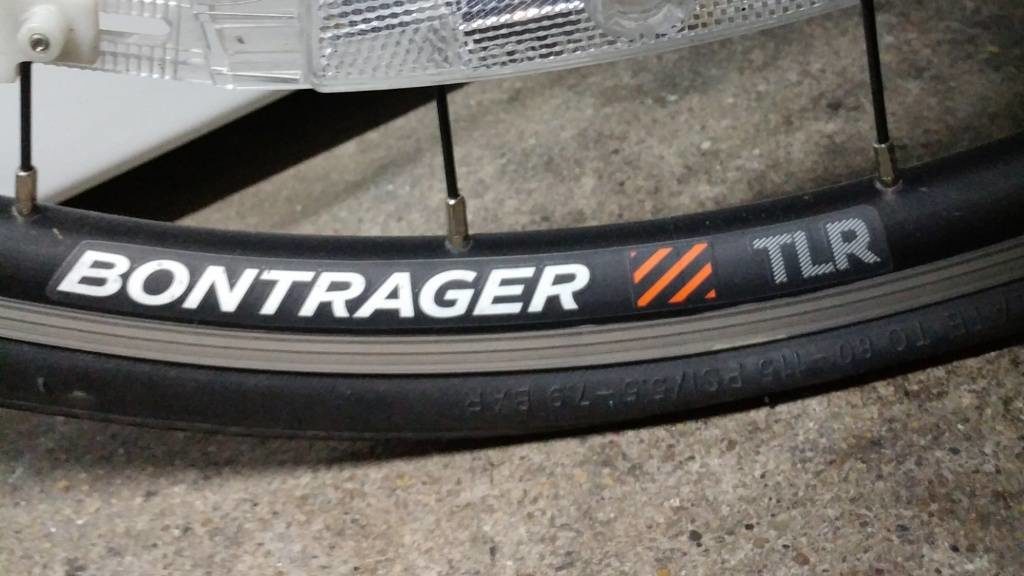
| Bicycles | Every ride | Very high PSI; lose air faster |
If you drive a larger vehicle or carry heavy loads, check pressure more often. Beginners often miss that tire care is not “one size fits all. ”
Signs Of Incorrect Tire Pressure
You don’t always need a gauge to spot problems. Look for these signs:
- Uneven tire wear: Bald spots or worn edges.
- Poor fuel economy: If you’re refueling more often, check tires.
- Steering feels strange: Harder to turn or control.
- TPMS light on: Immediate action needed.
If you notice any of these, check your tire pressure right away.

Credit: www.cascadesubaru.com
Professional Tire Pressure Checks
If you’re unsure, visit a mechanic or tire shop. They can check and adjust your tire pressure for you. Many shops offer this service for free with oil changes or other maintenance.
For more advanced information on tire care, check the National Highway Traffic Safety Administration website.
Frequently Asked Questions
How Often Should Tire Pressure Be Checked For Older Cars?
Older cars may lose air faster, especially if tires are worn or valves are aging. Check tire pressure every two weeks for older vehicles, and inspect for leaks.
Can I Rely On Tire Pressure Monitoring Systems (tpms)?
TPMS is helpful, but it only warns you when pressure is very low. It’s best to check with a gauge monthly and not depend on TPMS alone.
What’s The Best Time To Check Tire Pressure?
Check tire pressure when tires are cold, usually in the morning or after the car has been parked for at least three hours. Heat from driving gives a false reading.
How Does Tire Pressure Affect Fuel Economy?
Low tire pressure increases rolling resistance, making your car use more fuel. Keeping tires at the correct PSI can improve fuel economy by up to 3%.
Is It Safe To Use The Maximum Psi Listed On The Tire?
No. The maximum PSI on the tire is for the most weight the tire can carry. Always use the recommended PSI from your car’s manual or door sticker.
Regular tire pressure checks are one of the easiest ways to keep your car safe, efficient, and comfortable. It takes just a few minutes but can prevent bigger problems. Make it a habit, and your tires—and wallet—will thank you.