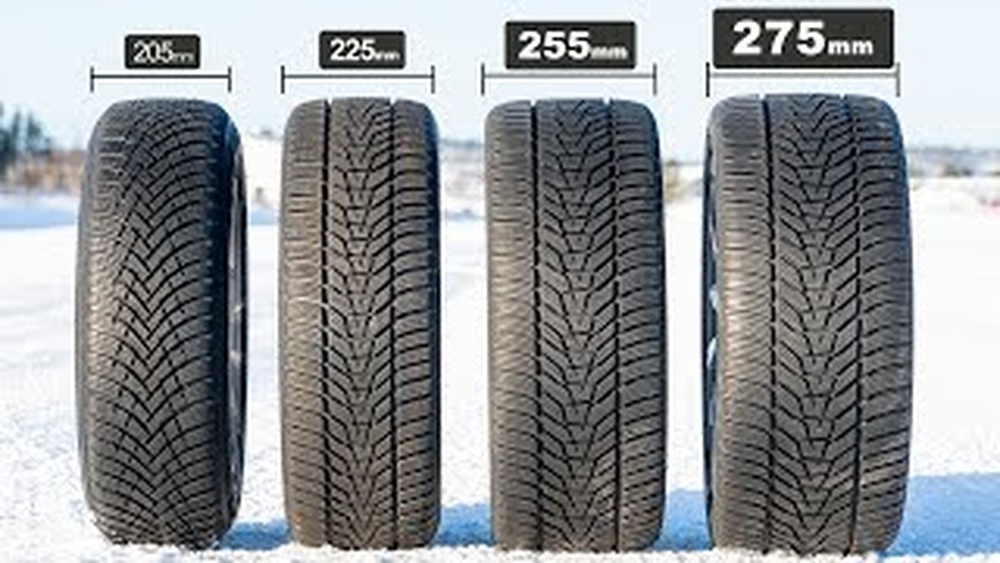
Checking the tire pressure on your Audi is more than a simple maintenance task—it’s a key to keeping your car safe, efficient, and comfortable. Proper tire pressure helps your Audi handle better, saves fuel, and prevents early tire wear. Many drivers, especially beginners, underestimate how much tire pressure affects the driving experience.
This guide will make it easy for you to check your Audi’s tire pressure, even if you’re not an expert. You’ll learn the right tools, steps, and tips, along with some common mistakes to avoid. Whether your Audi is a sporty A4 or a family-friendly Q5, these steps will work for you.
Why Tire Pressure Matters For Your Audi
Tire pressure is important for every car, but it’s especially critical for an Audi. Audis are designed for performance and comfort, and both depend heavily on the tires. Low pressure can cause poor handling, longer stopping distances, and increase the risk of tire blowouts.
High pressure, on the other hand, can make the ride stiff, reduce traction, and wear out the center of your tires faster.
According to the National Highway Traffic Safety Administration, under-inflated tires are linked to thousands of accidents every year in the US. For luxury cars like Audi, the recommended tire pressure is carefully chosen for the best balance between comfort, safety, and performance.
Tools You Need To Check Tire Pressure
You don’t need expensive equipment to check tire pressure. The right tools make the process quick and accurate.
- Tire Pressure Gauge: There are three main types—digital, dial, and stick. Digital gauges are easiest for beginners because they’re simple to read.
- Air Compressor: If you need to adjust the pressure, a portable compressor is handy. Many gas stations also have air machines.
- Audi Owner’s Manual: Contains the recommended tire pressure for your specific model and year.
- Tire Pressure Monitoring System (TPMS): Most modern Audis have a built-in TPMS that shows alerts on your dashboard.
Below is a simple comparison of common tire pressure gauges:
| Type | Accuracy | Ease of Use | Price Range |
|---|---|---|---|
| Digital | High | Very Easy | $10-$30 |
| Dial | Medium | Easy | $15-$40 |
| Stick | Low | Moderate | $5-$15 |
Non-obvious insight: Digital gauges work well in low light, which is helpful if you check your tires at night or in a garage.

Credit: www.youtube.com
Finding The Correct Tire Pressure For Your Audi
The right pressure depends on your Audi’s model, year, and tire size. It’s not the same for all Audis or even for all tires on the same car.
- Check the sticker: Look for a sticker inside the driver’s door jamb. It lists the recommended pressures for front and rear tires.
- Owner’s manual: Always double-check the manual for your specific model.
- Don’t use the tire sidewall: The number on the tire sidewall is the maximum pressure, not the recommended pressure.
Here’s an example of recommended pressures for popular Audi models:
| Model | Front Tires (psi) | Rear Tires (psi) | Notes |
|---|---|---|---|
| Audi A4 (2022) | 36 | 36 | Normal load |
| Audi Q5 (2022) | 33 | 33 | Normal load |
| Audi A6 (2022) | 35 | 35 | Normal load |
Extra tip: If you carry heavy loads or drive with many passengers, the recommended pressures may change. Check your manual for “full load” numbers.
Step-by-step Guide: How To Check Tire Pressure On Your Audi
Checking tire pressure is simple, but doing it right makes a big difference. Here’s a step-by-step guide:
- Park on a level surface: This gives the most accurate reading.
- Let tires cool: Check pressure when tires are cold, ideally before driving or at least three hours after parking.
- Find the valve stem: It’s the small tube sticking out from your wheel.
- Remove the cap: Unscrew the cap and keep it safe.
- Press the gauge: Place your tire pressure gauge firmly on the valve stem. You’ll hear a short hiss.
- Read the gauge: Note the pressure. Digital gauges show numbers; dial gauges have a needle.
- Compare to recommended pressure: Use the sticker or manual.
- Add or release air: If needed, use an air compressor to add air, or press the valve to release it.
- Repeat for all tires: Check each tire, including the spare if you have one.
- Replace the cap: Always put the cap back to keep dirt out.
Common Mistakes To Avoid
- Checking tires when hot: Driving heats up tires and raises pressure, giving a false reading.
- Ignoring the spare tire: A flat spare won’t help in emergencies.
- Overfilling: Too much air can be as dangerous as too little.
- Not checking monthly: Tire pressure changes with weather and time.

Credit: www.reddit.com
Using Audi’s Tire Pressure Monitoring System (tpms)
Most Audis from 2006 onwards have a TPMS. This system alerts you if a tire is too low, but it doesn’t tell you the exact pressure. It’s still important to check manually.
- TPMS warning light: If the light comes on, check all tires right away.
- Resetting TPMS: After adjusting tire pressure, follow your manual to reset the system. Usually, this means pressing a button or using the MMI screen.
Tpms Vs. Manual Checking
| Method | Accuracy | Details Provided | Frequency Needed |
|---|---|---|---|
| TPMS | Medium | Alert only | Automatic |
| Manual | High | Exact psi | Monthly |
Non-obvious insight: TPMS can’t detect slow leaks right away. Manual checks catch slow leaks before they become dangerous.
When And How Often Should You Check Tire Pressure?
Audi recommends checking tire pressure at least once a month and before long trips. Changes in temperature affect tire pressure—a 10°F drop can reduce pressure by 1 psi.
- Check after big temperature changes: Cold weather lowers pressure; hot weather raises it.
- Before road trips: Extra weight means you may need higher pressure.
- After hitting a pothole: Sudden impacts can cause leaks.
Extra tip: Tire pressure can drop slowly even without leaks. Natural air loss happens at about 1 psi per month.
Credit: www.reddit.com
How Tire Pressure Affects Your Audi’s Performance
Tire pressure isn’t just about safety—it affects how your Audi feels and performs.
- Handling: Low pressure makes steering slow and unresponsive.
- Fuel efficiency: Under-inflated tires use more gas. Studies show that properly inflated tires can improve mileage by up to 3%.
- Tire life: Too little or too much pressure wears tires unevenly, costing you money sooner.
- Ride comfort: Correct pressure gives the smoothest ride.
Example: If your Audi Q5 tires are 5 psi low, you could lose up to 2 miles per gallon and shorten tire life by 20%.
Practical Tips For Maintaining Tire Pressure
Keeping your Audi’s tire pressure right isn’t hard, but a few smart habits help:
- Keep a digital gauge in your glove box: You’ll always be ready.
- Check at gas stations, but double-check with your own gauge: Station gauges can be inaccurate.
- Replace valve caps if lost: Caps keep dirt out and prevent leaks.
- Mark your calendar: Set a monthly reminder to check tires.
- Check after tire service: Make sure new tires or repairs are at the correct pressure.
Non-obvious insight: Even new tires can lose pressure quickly after installation. Always check a week after getting new tires.
How Weather Affects Tire Pressure
Weather changes are one of the biggest reasons tire pressure fluctuates. Cold air makes tires contract, lowering pressure. Hot air expands, raising it.
- Winter: Check more often. Pressure drops faster.
- Summer: Watch out for over-inflation. Hot pavement can raise pressure beyond safe levels.
- Rainy season: Wet roads don’t affect pressure, but temperature swings do.
Example: If you park your Audi outside in winter, pressure may drop overnight. If it’s 40°F colder, expect about 4 psi less.
Audi Tire Pressure And Safety
Proper tire pressure is a basic step that helps avoid accidents. In 2021, the NHTSA reported that tire-related crashes caused over 600 deaths in the US. Most were due to under-inflated tires.
- Braking distance: Low pressure increases the distance needed to stop.
- Traction: Tires grip the road better at correct pressure.
- Blowouts: Too little pressure can cause tires to overheat and burst.
Extra tip: If you notice uneven tire wear, check pressure immediately. It’s often the first sign of a problem.
Frequently Asked Questions
How Do I Find The Recommended Tire Pressure For My Audi?
Look inside the driver’s door jamb for a sticker with the recommended psi for your tires. You can also check your owner’s manual. Do not use the number on the tire sidewall; that’s the maximum pressure.
Can I Trust The Audi Tpms For Tire Pressure?
Audi’s TPMS is reliable for warning you about low pressure, but it doesn’t show exact numbers. Always check with a manual gauge for precise readings, especially before trips or after servicing your tires.
Should I Check Tire Pressure In Winter And Summer?
Yes. Temperature changes affect tire pressure. In winter, pressure drops as air contracts; in summer, it rises. Check more often during extreme weather.
What Happens If My Audi Tires Are Over-inflated?
Over-inflated tires make your Audi ride stiff and uncomfortable. They also reduce traction, especially in wet conditions, and wear out the center of the tire faster.
How Can I Keep My Audi Tire Pressure Correct All Year?
Check tire pressure monthly, keep a digital gauge handy, and adjust for temperature changes. After tire service or road trips, double-check pressure. For more tips, visit the NHTSA tire safety page.
Keeping the right tire pressure in your Audi is simple but powerful. It keeps you safe, saves money, and helps your Audi perform at its best. Make checking tire pressure a regular habit, and your car—and your wallet—will thank you.